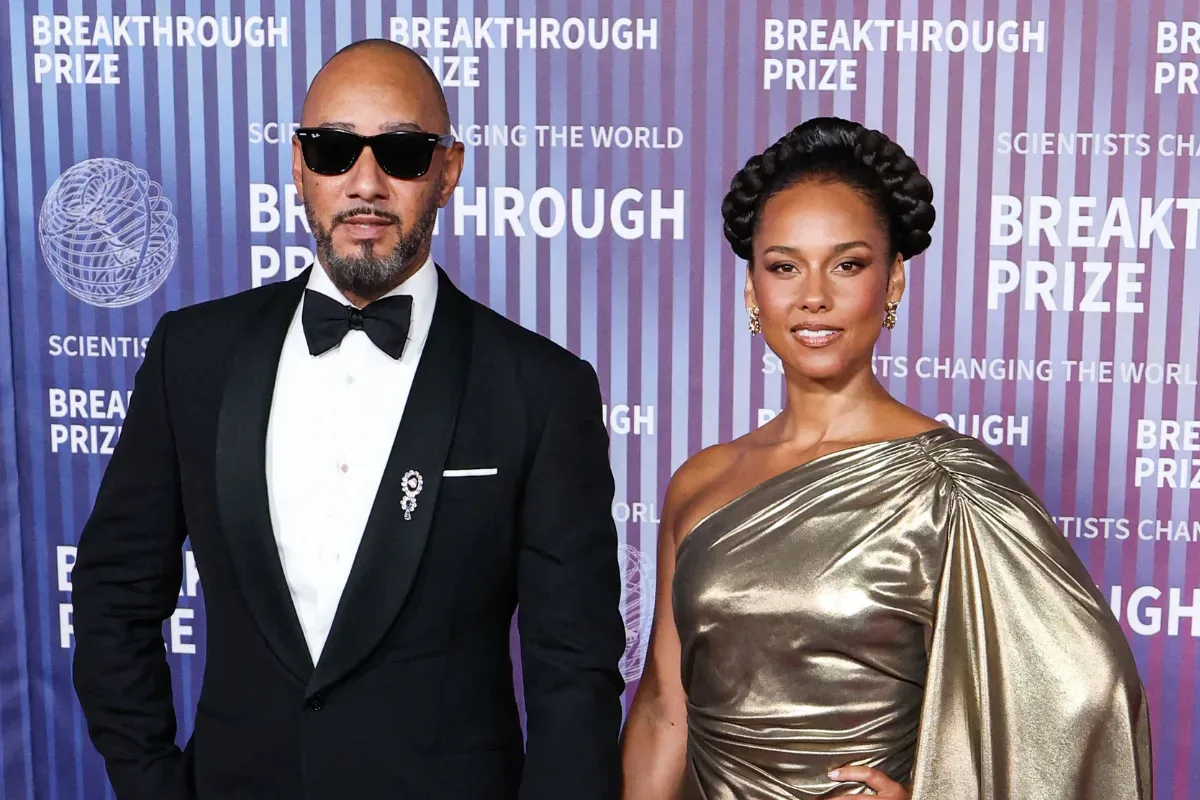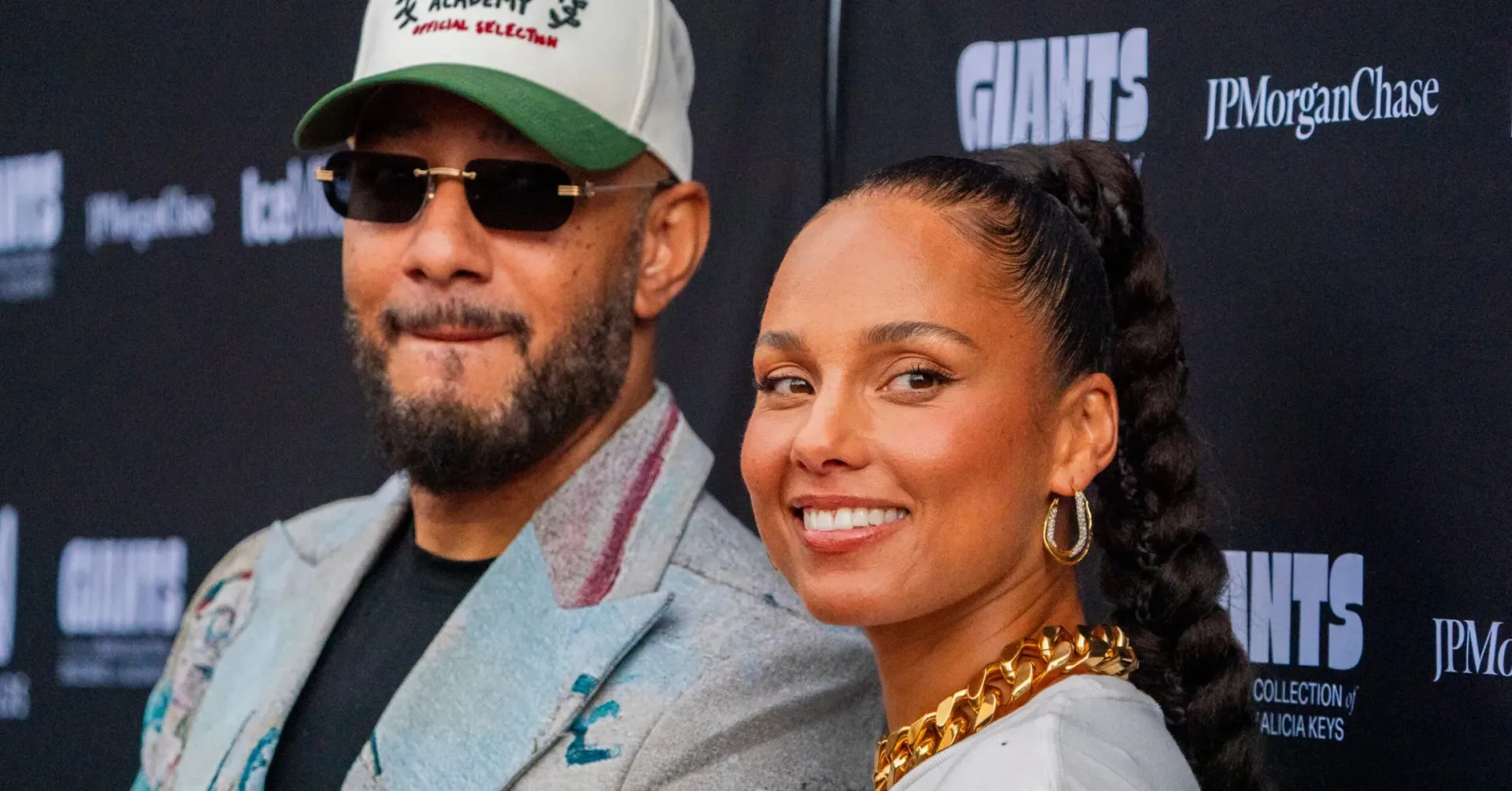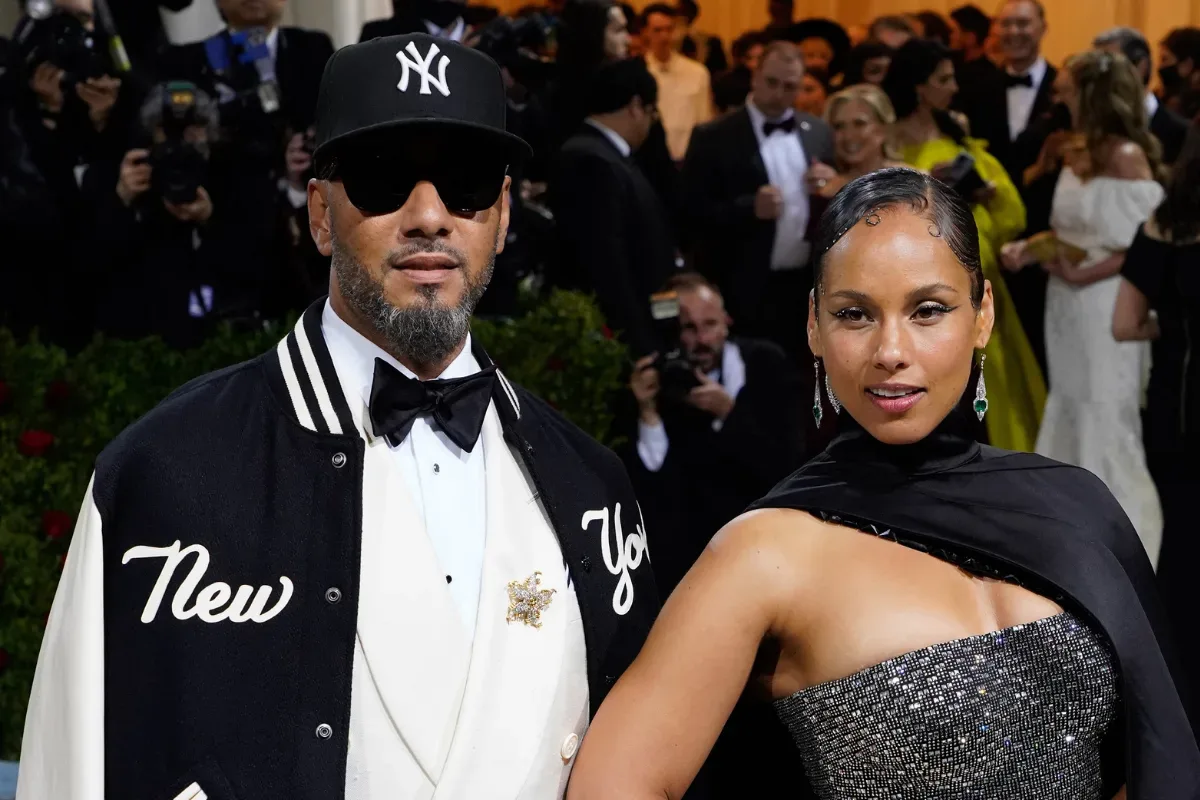
Swizz Beatz and Alicia Keys’ touring exhibition Giants is heading to Baltimore with a homecoming at its center. The Baltimore Museum of Art will open the show on April 18, 2027, bringing together roughly 130 works by Black artists from the couple’s collection. Among them is Amy Sherald’s Deliverance, a two-painting work rooted in Baltimore’s dirt-bike culture.
That placement gives the Baltimore presentation a particularly direct local connection. Sherald lived in the city and drew on memories of seeing Ruff Ryders riders traveling through her neighborhood. Swizz Beatz, whose family is connected to the Ruff Ryders company, has described the experience of seeing Sherald reveal the two wheelie-riding figures in her studio as overwhelming. The painting is not simply an image of motorcycles; it sits where a city’s street culture, an artist’s memory and a collector’s personal history meet.
A collection exhibition with a Baltimore-specific anchor
Giants is an exhibition assembled from art collected by Swizz Beatz and Keys, rather than a survey built around one artist, medium or historical period. The Baltimore installation will include work across generations and forms: photographs by Gordon Parks, paintings by Jordan Casteel and Tschabalala Self, a sculptural work by Arthur Jafa, and a three-panel piece by Titus Kaphar inspired by Muhammad Ali’s fight with Sonny Liston.
For visitors, that range matters. A collection show can reveal links between works that might otherwise be encountered separately: portraiture alongside photography, sculpture alongside prints, and contemporary paintings alongside images concerned with Black life and the civil rights movement. The museum plans to use both its Contemporary Wing and another central gallery devoted to prints, drawings and photographs, putting the exhibition’s different media under one admission.
The show’s title suggests scale, but its scope is not limited to physically large work. “Giants” can also be understood as a framework for considering artistic influence, cultural presence and historical weight. Parks’ 18 photographs provide one kind of visual record; artists such as Casteel and Self bring contemporary painting into the conversation. Jafa’s eight-foot sculpture Big Wheel I gives the show an explicitly three-dimensional component, while Kaphar’s three-panel work directs attention toward an iconic sporting moment and its larger cultural resonance.
Why Deliverance’s return is more than a local detail
Deliverance is expected to be a defining work in Baltimore because its subject comes from the city’s own streets. Dirt-bike riding is a highly visible form of movement, skill and community expression. In Sherald’s paintings, the riders are shown performing wheelies, making the act of balance and motion central to the image. A wheelie is the controlled lifting of a motorcycle’s front wheel while the rider continues forward; visually, it turns speed into a pose and performance into a moment that can be held still.
Painting is especially suited to that kind of transformation. A ride passes in seconds, but a painted scene can preserve the posture, machine and emotional charge of the event. Sherald’s work also carries a specific biographical thread: her experience of Baltimore dirt-bike riders informed the subject, while Swizz Beatz’s relationship to Ruff Ryders adds another layer to the work’s eventual place in the collection. The return to Baltimore therefore links the artwork’s inspiration with the museum audience that recognizes the setting.
That connection is useful to keep in view without reducing the work to an illustration of a subculture. The exhibition presents a broad collection of Black art, and Deliverance is one part of that larger conversation. Still, its local reference offers an accessible entrance point for audiences who may first identify with the riders, the city or the wheelie before moving outward to the exhibition’s other themes and mediums.
Related coverage includes Swizz Beatz and Alicia Keys’ Giants Brings Baltimore Dirt-Bike Art Home.
From graffiti, music and cars to a public museum gallery
Swizz Beatz has traced his early interest in art to seeing graffiti during trips to and from school in the Bronx. That origin story helps explain why street-level visual culture has a place in the public story around the collection. Graffiti, dirt bikes, lowriders and hip-hop are not interchangeable, but each can involve style, authorship, movement and a public-facing visual identity.
Keys and Swizz Beatz have also carried shared cultural interests into music. Their Lovers Rose project was built around lowrider soul, further connecting their creative work with car culture and its aesthetics. Readers interested in the way vehicle culture can overlap with music, community events and gaming may also find a related local example in Houston’s King of Cars return, with slabs, vendors and a GTA gaming area.
The important distinction is that Giants is not presented as a vehicle exhibition or a music-history display. It is a fine-art exhibition shaped by collectors whose backgrounds and interests make those visual references meaningful. Sherald’s Baltimore riders, for example, enter a gallery alongside artworks that address leisure, sports, public life and history. The context expands what viewers may bring to the work rather than assigning it one fixed reading.
Key works across the exhibition
Alongside Deliverance, the Baltimore stop will include Derrick Adams’ Floater 74, a four-part work that places Black leisure at the center. Leisure is often treated as a minor subject compared with struggle, conflict or achievement, but its inclusion here emphasizes recreation, rest and self-directed pleasure as worthy subjects for art. In a show that also includes civil-rights-era photography and a work tied to a major boxing match, that focus should create a productive contrast.
The Gordon Parks photographs bring another scale of observation. The 18 works address Black life and the civil rights movement, placing documentary and artistic perspectives inside the same exhibition as contemporary painting and sculpture. Photography can record a historical moment with particular immediacy, while a painting may create a different kind of encounter through color, composition and interpretation. Neither role is interchangeable, and the show’s cross-media structure makes that difference part of the experience.
Jafa’s Big Wheel I, standing eight feet tall, gives the installation a substantial sculptural presence. Kaphar’s three-panel work, inspired by the Muhammad Ali–Sonny Liston fight, adds a sporting image whose meaning reaches beyond the ring. The supplied details do not specify the individual treatment of that piece, but the reference alone places athletic spectacle, celebrity and cultural memory among the show’s touchstones.
Visitors who attended the museum’s previous The Culture: Hip Hop and Contemporary Art in the 21st Century exhibition may recognize many of the artists in Giants. That overlap does not make the two exhibitions identical. It instead indicates a continued institutional interest in contemporary artists whose work intersects with the broad cultural terrain around hip-hop, identity and visual expression.
Tour route, dates and practical planning
The Brooklyn Museum organized Giants and launched the touring exhibition in 2024. Before arriving in Baltimore, it will appear at Newfields in Indianapolis, where its run closes on February 28, 2027. The exhibition has already traveled to cities including Atlanta, Minneapolis and Richmond, making Baltimore another major stop in a multi-city route.
At the Baltimore Museum of Art, the exhibition will run from April 18 through August 8, 2027. Tickets and tour bookings are expected to become available in spring. Because the show will span the Contemporary Wing and an additional gallery, visitors planning a trip may want to allow time for different media rather than treating it as a quick single-room display.
For collectors, artists and culture-minded visitors alike, the Baltimore stop offers a rare alignment of subject and setting. A work shaped by memories of Baltimore dirt-bike riders will be shown in the city that helped inspire it, within a collection that moves from Gordon Parks’ photographs to current painting, sculpture and multi-panel work. That is the practical draw of Giants: not merely the chance to see high-profile names together, but the opportunity to see how a personal collection can create connections between artistic generations, lived places and the cultures that continue to move through them.