
A resurfaced game disc is not automatically a bad disc, but it is not automatically a restored disc either. Resurfacing removes or levels some material from the clear read-side surface. That can reduce the effect of certain scratches while leaving cracks, label-side damage, reflective-layer deterioration, warping and disc rot untouched.
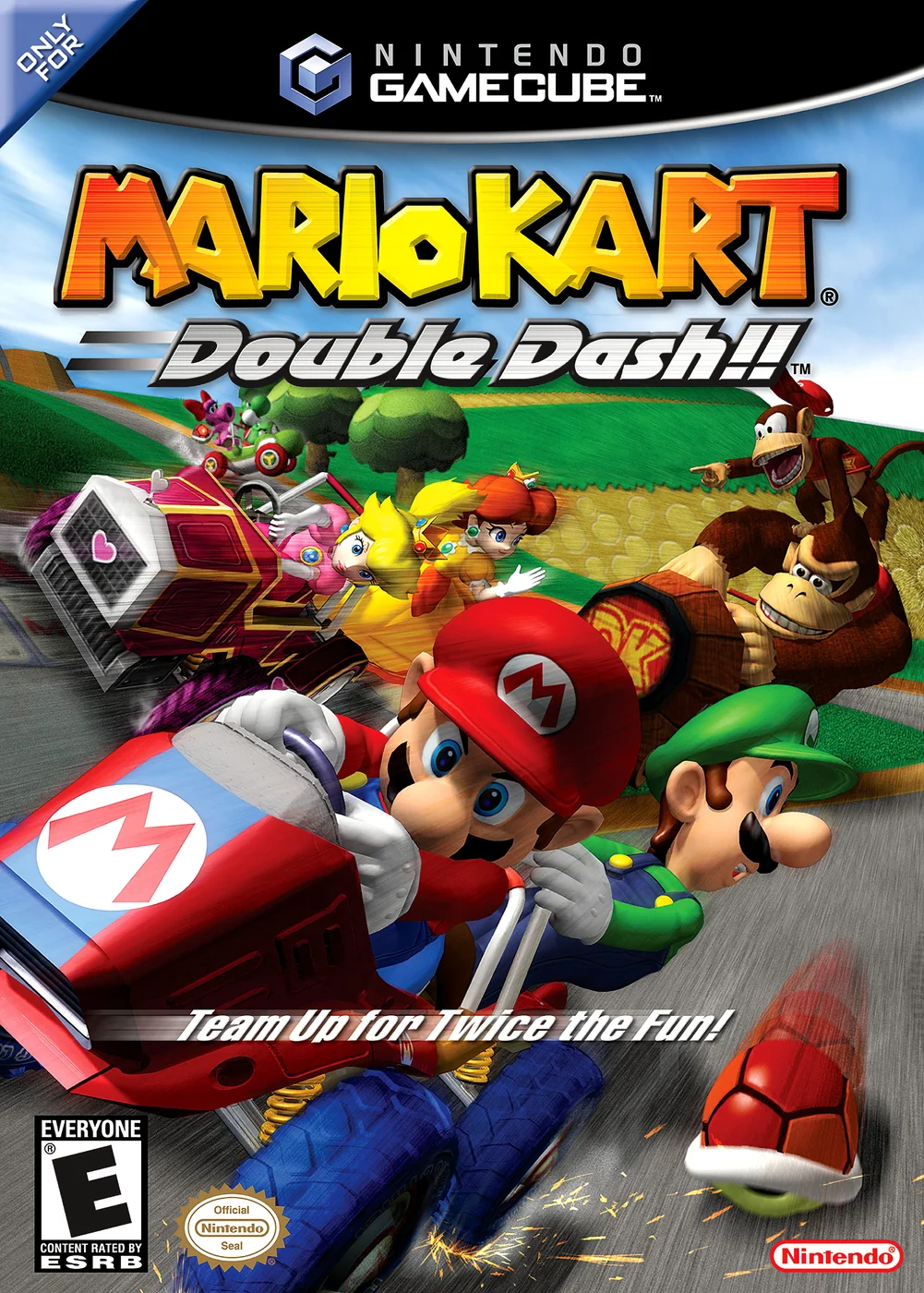
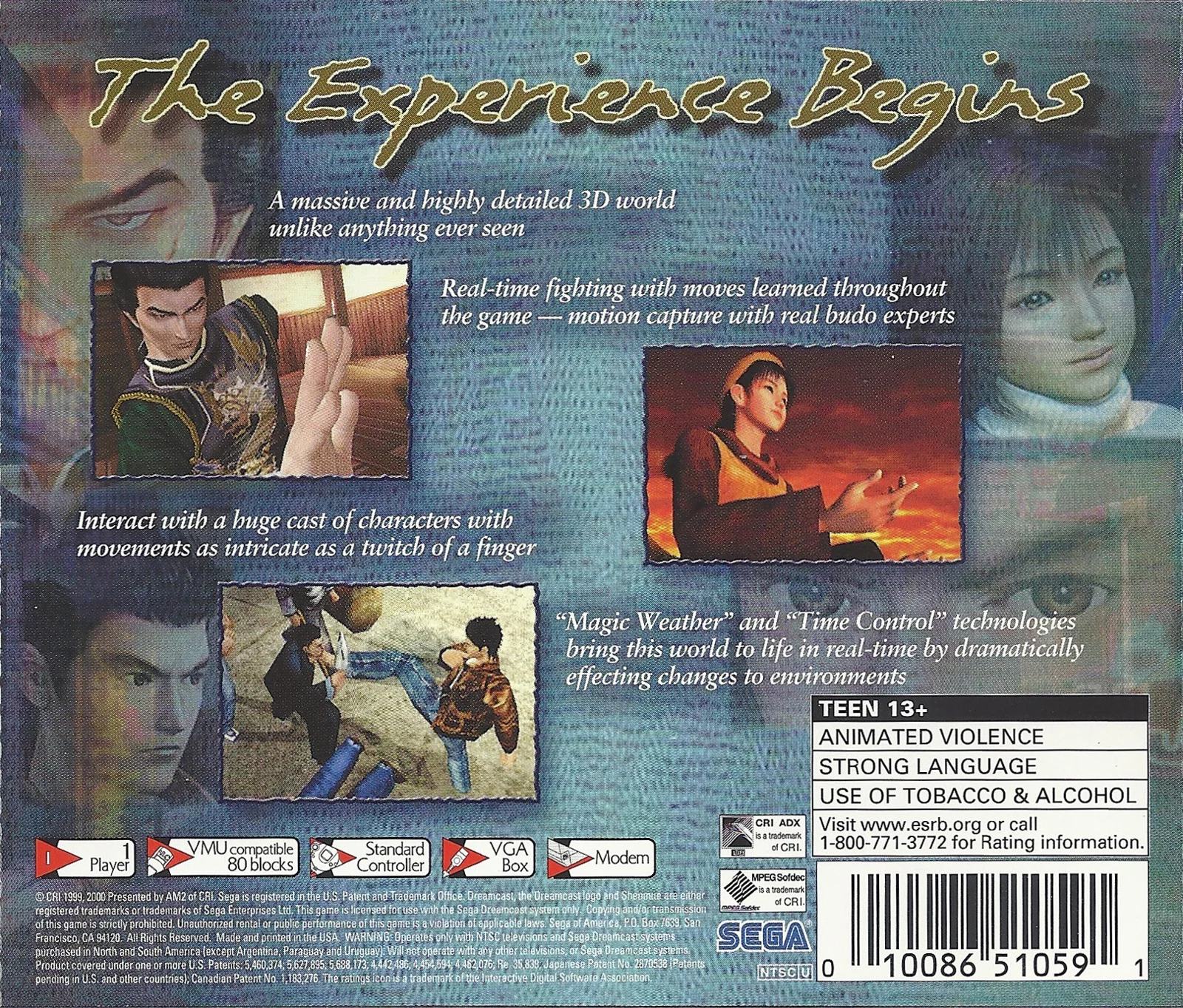
The important buying question is not simply whether a listing says “resurfaced.” It is whether the seller has disclosed the service honestly, whether the remaining evidence supports a reasonable expectation of function, and whether you have enough return protection to inspect the item after delivery. A clean-looking copy of Mario Kart: Double Dash!!, Shadow of the Colossus or Shenmue still requires platform-specific checks.
What resurfacing changes—and what it cannot change
Optical discs are read through a transparent polycarbonate side. A proper resurfacing process removes or levels part of that surface so some scratches no longer interfere with the laser’s path. It is a physical alteration, not a software fix and not a way to recreate missing information.
That distinction matters because the process has limits. It may improve a disc with some surface scratches, but it cannot rebuild missing label-side information, reverse chemical deterioration, repair a cracked hub or make a warped disc flat. It also cannot guarantee that a disc will survive another repair attempt. Deep damage may already have reached the data or reflective layers, and an aggressive attempt to remove it can leave less usable surface for the future.
Professional resurfacing providers describe the process as polishing the clear read-side plastic, not repairing every part of the disc. Their own service limitations commonly exclude label-side scratches, disc rot, hub cracks and warped media. Treat “professionally resurfaced” as a condition disclosure, not a quality grade. The phrase does not establish the equipment used, the number of previous passes, the disc format accepted by the machine or the result of a complete test.
- Assume resurfacing is a disclosed alteration, not evidence of originality or collectible-grade condition.
- Separate surface scratches from cracks, delamination, corrosion, warping and missing label material.
- Do not approve another resurfacing pass merely because the disc looks cloudy or scratched.

Use an evidence ladder instead of one visual clue
Seller descriptions and photographs are useful starting points, but they are claims to verify. Glare can hide radial scratches, compression can erase fine detail, and angled light can make an ordinary clean disc appear to have circular machine marks. A photograph cannot establish that the reflective layer is healthy or that a disc will load through a difficult transition.
Strong evidence includes a direct-light photograph of both sides, a sharp image of the hub and center ring, an explicit resurfacing history, and a test description naming the console model and region. A seller who says a disc reached gameplay provides more useful information than one who says only “tested,” although even a successful test does not prove long-term reliability.
Suggestive evidence includes a uniformly hazy read side, concentric patterns, softened center-ring printing or a surface that looks unusually even compared with ordinary handling marks. None proves how many times the disc was processed. Factory finish, cleaning residue, lighting and camera exposure can produce similar appearances. The number of previous passes is often unknowable unless the seller has a credible service record.
Use the evidence ladder to decide what is known, what is merely plausible and what remains unknowable. A clear photograph can establish that a visible crack exists. It cannot establish that an unseen reflective layer is healthy. A seller’s service receipt can establish that a disc was processed once by that provider. It cannot prove that the disc was never resurfaced earlier.
- Strong: both sides photographed clearly, exact test hardware identified and service history disclosed.
- Suggestive: circular marks, uniform haze or altered center-ring text.
- Unknown: the number of previous resurfacing passes and the condition beneath the visible surface.
Inspect the read side under controlled light
Before checkout, request photographs taken without flash glare and with the disc held nearly level. The read side should be shown from several angles so you can distinguish straight radial marks from circular patterns. Radial scratches run from the center toward the edge; circular marks follow the disc’s rotation and may indicate machine contact, though they are not proof of resurfacing by themselves.
Look for a broad, uniform haze, cloudy patches, residue around the hub and abrupt changes in texture near the outer edge. A resurfaced disc may have a different sheen from an untouched disc, but photographs rarely reveal depth accurately. A glossy surface is not evidence that the data layers are intact, and a visible scratch is not proof that the disc will fail.
Do not ask the seller to clean the disc with household chemicals or abrasive materials for a better photograph. Nintendo’s GameCube guidance recommends water and a soft cotton cloth, using straight strokes from the center outward. Nintendo also warns against machines designed to clean discs or remove scratches because they can damage the surface. A buyer should want honest evidence, not a last-minute cosmetic treatment.
If a seller provides only a polished glamour photograph, ask for an ordinary inspection image as well. A neutral image with reflected light across the full surface is more useful than a heavily edited photograph or a close-up that excludes the outer edge and center ring.
- Request direct-light, angled photographs of the entire read side.
- Compare scratch direction, haze, residue and edge transitions without declaring a diagnosis from one image.
- Treat a missing or blurry read-side photograph as missing evidence, not as a clean condition claim.
Inspect the label side, hub and disc edge
The printed side deserves as much attention as the read side. Polishing the transparent underside cannot replace damaged label material or repair deterioration within the disc’s information layers. Look for scratches through printed areas, bubbling, flaking, pinholes, bronzing, cloudy patches and places where the disc appears unusually transparent. These signs do not always identify the exact failure mechanism, but they justify caution and usually require a return option.
The reflective layer responsible for carrying disc data is thin and vulnerable. A scratch that reaches the label side may be more serious than an ordinary mark on the clear read side, depending on the disc’s construction. Do not turn this into an absolute rule: not every label-side mark destroys data, and not every underside scratch is harmless. The correct response is to treat label-side damage as higher-risk evidence that requires stronger testing and a practical return path.
Examine the center ring for cracks, branching lines and damage extending into the data area. A small-looking hub fracture can grow during handling or spinning. Check whether the edge is chipped, warped or visibly heat-damaged. A seller’s claim that a crack was glued or repaired is not reassurance. Nintendo and Sega documentation warn against using cracked, modified or repaired discs.
Center-ring text can provide useful comparison evidence, but it does not authenticate a disc by itself. Labels, rings, screws, packaging and software screens should be considered together, and uncertainty should remain explicit when the evidence is incomplete.
- Reject visible hub cracks, edge cracks, delamination, warping, severe heat damage or transparent damaged areas.
- Ask for a separate close photograph of the label side and center ring.
- Do not treat a matching label or center-ring marking as proof of originality or function.

Check the exact platform and edition
GameCube, PlayStation 2 and Dreamcast media are not interchangeable just because all three are optical discs. GameCube uses smaller 8-centimeter Game Discs, so a resurfacing provider must confirm that its equipment accepts that physical format. A shop that handles standard full-size CDs or DVDs has not necessarily handled GameCube media correctly. Some professional providers explicitly list GameCube mini-discs as a supported format; that is the kind of confirmation a buyer should seek rather than assume.
Nintendo also treats regional compatibility as a separate issue. A North American GameCube is intended for Game Discs made for the United States, Canada, Mexico and Latin America. Ask whether a copy of Mario Kart: Double Dash!! or Metroid Prime is North American, Japanese, European or another regional edition before relying on a seller’s test claim.
For PlayStation 2, identify whether the copy is CD-based or DVD-based, and confirm the region, edition and number of discs. Different releases can use different disc formats, packaging and distribution details. Shadow of the Colossus and God of War listings can contain different editions or reprints, while a multi-disc or bundled release requires testing every included disc. Do not let a photograph of one disc stand in for the whole set.
Dreamcast GD-ROMs require special care. Sega’s documentation says these discs are intended for Dreamcast and should not be used in a regular CD player. A seller’s history of resurfacing audio CDs, DVDs or ordinary CDs does not prove that the service was appropriate for Dreamcast media. Confirm that the provider accepts Dreamcast GD-ROMs and ask whether Sonic Adventure or Shenmue was tested in a Dreamcast of the relevant region.
A game’s title does not determine the complete buying decision. The relevant combination is platform, region, edition, disc count, format, included components and intended use. A player may accept a disc-only copy, while a collector seeking a complete North American set may reject the same disc because the case, insert or manual is missing.
- GameCube: confirm 8-centimeter media support and console region.
- PlayStation 2: identify format, edition, region and every disc included.
- Dreamcast: confirm GD-ROM handling; never use a Dreamcast disc in a regular CD player.
- Match the seller’s test setup to the copy’s region and format.
Recognize repeat-service risk
Every resurfacing pass removes some surface material. That does not make a single professional pass a defect, but it means a disc with an unknown history has an unknown amount of remaining repair margin. A heavily processed disc may have a broad circular pattern, reduced or softened center-ring markings, an unusually shallow-looking surface or a noticeable transition between polished and untouched areas.
None of those observations proves how many times the disc was resurfaced. A machine may leave a distinctive pattern, but camera angle, lighting and manufacturing variation can create lookalikes. The most reliable evidence is a service record identifying the date, provider and work performed. Even then, the record may cover only the most recent treatment.
Do not treat a perfectly smooth disc as safer than a visibly scratched but tested disc. Cosmetic improvement and functional reliability are related only when the original problem was a removable surface defect. A smooth disc can still have label-side damage, reflective-layer deterioration, warping or a failing console-reading condition.
Repeat-service risk should affect both price and return expectations. If the seller cannot document prior work, treat the history as unknown rather than assuming one pass. If a seller says the disc was resurfaced several times but still describes it as collector-grade, ask for unusually clear photographs and a strong return option—or walk away.
- Ask whether the seller knows the number of previous resurfacing passes.
- Look for circular patterns, softened ring text and uneven surface transitions without treating them as proof.
- Do not equate a glossy finish with remaining repair margin or long-term reliability.
Ask questions that produce verifiable answers
Good seller questions narrow uncertainty. Ask whether the disc was resurfaced, when, by whom and how many times if known. Ask what equipment or service handled it, whether the service accepts the exact format, and whether any read errors remained after the work. “It was cleaned” and “it worked once” do not answer those questions.
Request a test using the console you intend to use, or at least a clearly identified equivalent. Ask whether the disc booted, reached the title screen, loaded a game area, created or accessed a save, and passed a representative transition. For Shenmue, ask about every included disc. For any multi-disc PlayStation 2 release, ask whether all discs were checked. A short boot test is useful evidence but cannot establish permanent reliability.
Keep questions and answers on the marketplace. If the seller refuses direct photographs, will not identify the tested hardware, changes the condition story or suggests paying outside the platform, stop. Preserving buyer protection is more valuable than winning a small apparent discount.
Ask for a direct answer about known failures. A useful response might identify a disc that boots but fails during a later load, or a console that reads some copies but not others. An answer such as “no complaints” is weaker because it may describe a sales history rather than a documented test.
- Was resurfacing performed? By whom, using what equipment and for which disc format?
- What console model, region and test sequence were used?
- Were all discs, loading points and included components checked?
- Will the seller accept a return if the disclosed condition or function is materially different?
- Is the seller willing to provide clear photographs of both sides and the hub?
Test function without mistaking one boot for proof
After delivery, photograph the package, case, hub, label side and read side before cleaning or testing. Shipping can create new cracks or scratches, and arrival photographs help separate transit damage from a pre-existing condition. Keep the listing, description, photographs and seller messages until the return period has ended.
Use the correct regional console and a known-good setup. Begin with a clean, dry disc and follow the platform’s ordinary handling guidance. Check booting, menus, save creation or access, loading into gameplay and at least one representative transition. For a multi-disc title, check every disc. A game reaching its title screen is useful evidence, but it does not prove that later data areas are readable.
For a GameCube copy, confirm that the console recognizes the disc and allow the title to proceed beyond the opening screens. For a PlayStation 2 game, test a normal load and a representative in-game transition. For Dreamcast, test the title on a Dreamcast rather than a generic optical drive. Do not use a Dreamcast GD-ROM in a regular CD player.
Do not touch a PlayStation 2 disc while it is spinning, and do not force a disc into a drive or use a cracked one. If a disc fails, record error messages and photograph the condition. Do not sand, polish or open hardware before deciding whether a return is appropriate.
A successful first boot is not a warranty. A disc can fail later at a particular loading point, on a different console, or after heat and handling expose an existing weakness. The arrival test is intended to identify a material mismatch with the listing, not to prove that the disc will remain functional indefinitely.
- Document condition before cleaning or testing.
- Test with the correct region, console and all included discs.
- Record failures without modifying the disc or console while a return remains possible.
- Do not use cracked or repaired media, or place Dreamcast GD-ROMs in ordinary CD players.
Compare total cost, not just the listing price
A resurfaced disc should be compared with alternatives using total cost. Include the item price, shipping, tax or import charges, insurance where relevant, a replacement case, missing manual or artwork, professional inspection, return postage and the possibility of buying another copy if the first fails. A lower upfront price can disappear once an undisclosed service history or weak return path is included.
Completeness also changes the decision. A disc-only copy of Mario Kart: Double Dash!! may suit a player who wants to play, while a collector seeking a complete set may reasonably reject a damaged case, replacement cover or missing insert. The same logic applies to Metroid Prime, God of War and Sonic Adventure: decide whether the purchase is for use, display or a specific edition before judging condition.
Do not invent a current fair price. Compare several completed sales or current listings that match platform, region, edition, completeness, disclosed resurfacing and tested status. Reject comparisons that mix an unaltered complete copy with an undisclosed, disc-only resurfaced copy.
Add a risk allowance rather than pretending the risk is zero. That allowance is not a fabricated fair-value number; it is a reminder that a failed disc may require return shipping, a second purchase or professional evaluation. If the seller offers no workable return path, the uncertainty should be treated as a cost before checkout.
- Separate use value, display value and edition-specific collecting value.
- Add shipping, tax, replacement parts, inspection and possible replacement-copy costs.
- Compare like with like: same region, format, completeness and disclosure level.
- Treat an unknown resurfacing history as risk, not as proof of bargain value.
Return protection and stop conditions
Marketplace protection is useful only when the transaction stays on the platform and the buyer follows its process. eBay’s current return guidance says that an item that does not match the listing or arrives faulty or damaged may qualify for protection, and that a damaged or faulty return request requires at least one image. Eligibility still depends on the transaction, deadlines, listing terms and policy requirements. Other marketplaces use different rules, so read the actual return window and exclusions before paying.
Save screenshots of the listing before checkout, including the condition description, photographs, included items, testing language and stated return terms. Keep all communication on-platform. Photograph the package and item immediately after arrival. Do not clean away residue, replace the case, apply labels or attempt resurfacing before deciding whether the item is materially different from the listing.
Stop before checkout if the seller refuses essential photographs, describes a crack as harmless, calls a repaired disc “mint,” cannot identify the tested console, hides resurfacing after being asked directly, or provides no practical return route. Stop after delivery if the disc is cracked, delaminating, warped, visibly heat-damaged, transparent through a damaged area, materially different from the listing or unable to perform the promised test.
Renegotiation is appropriate only when the defect is clearly disclosed and the return path remains usable. Otherwise, uncertainty is the cost. A resurfaced copy can be a sensible player-grade purchase when its history and function are honestly described, but no amount of polishing justifies accepting evidence that the seller will not provide.
- Keep payment, questions and dispute evidence on the marketplace.
- Check the site’s current return deadline, exclusions and required photographs.
- Walk away from cracks, delamination, undisclosed service, evasive answers or no workable return path.
- Do not modify the disc before deciding whether to open a return.
Buy resurfaced media as a documented, altered item rather than as a magically restored original. The strongest listing identifies the exact disc, format, region, service history, test hardware, included components and return terms. The weakest relies on a glossy photograph and the word “tested.”
For GameCube, PlayStation 2 and Dreamcast, the safest decision is the one supported by several kinds of evidence: controlled photographs, platform-correct testing, honest disclosure and a practical way to return the disc if its condition does not match the claim.