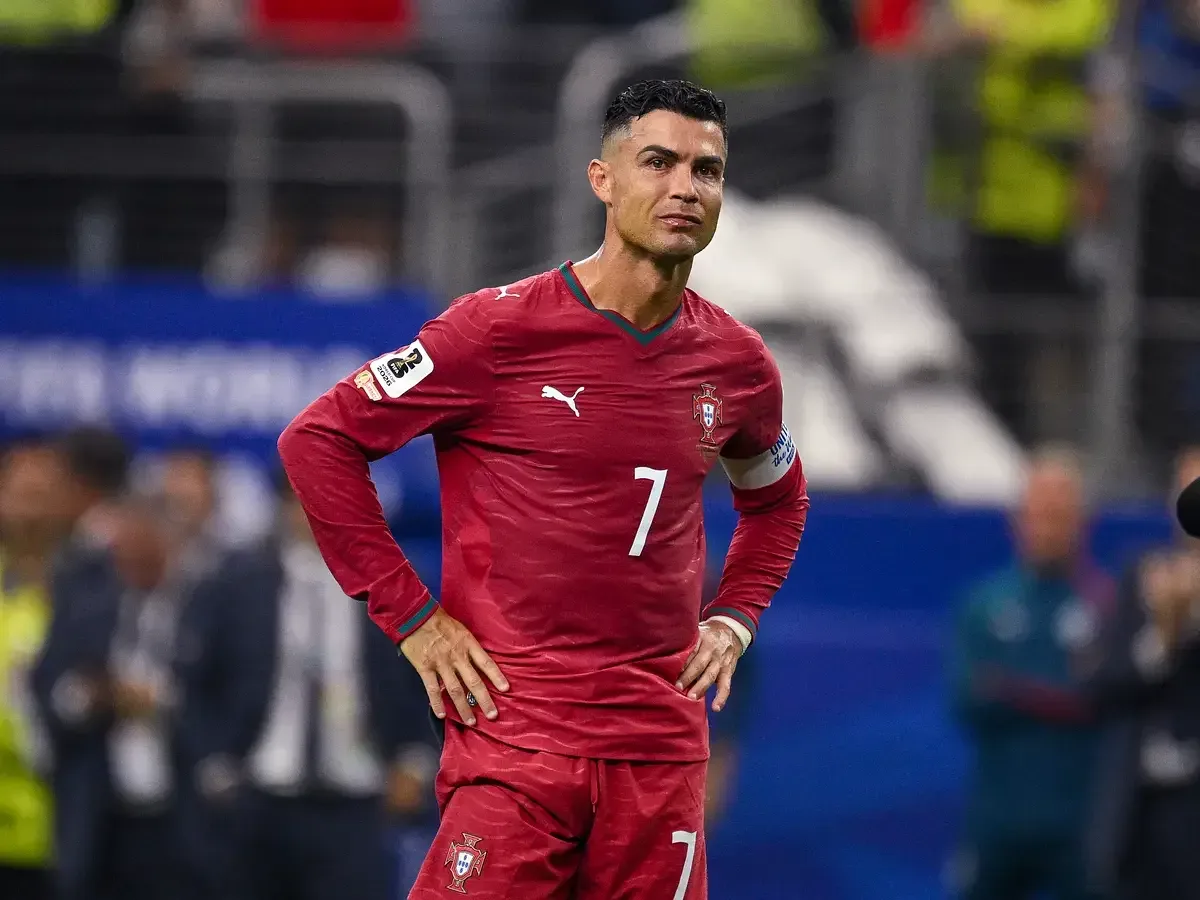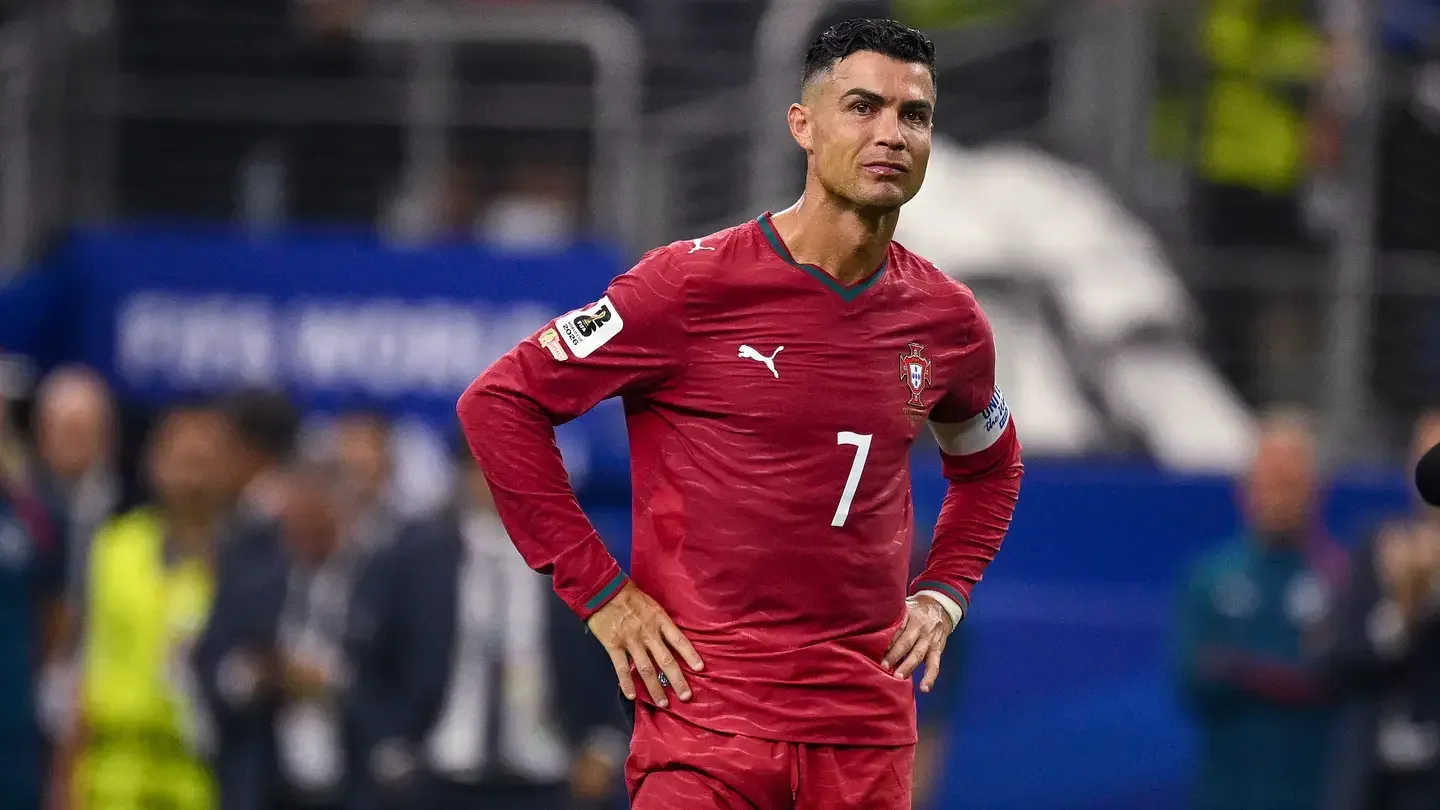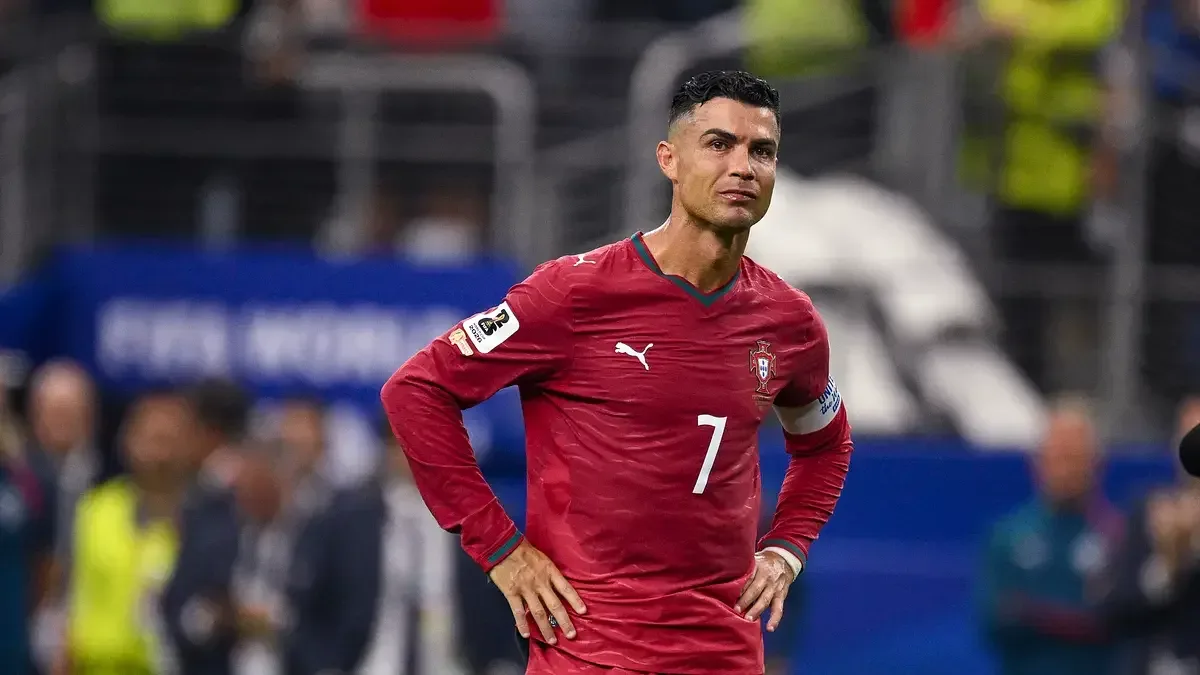
Cristiano Ronaldo’s trading-card market is confronting a strange problem for a player with almost nothing left to prove: he is still playing.
Portugal has included the 41-year-old forward in its 25-man squad for four forthcoming Nations League fixtures, extending an international career that has already been defined as beyond his final World Cup. That continued availability preserves the possibility of another memorable performance, but it also leaves collectors without a clear final chapter to rally around.
For cards tied to active athletes, the next game can matter. A major tournament run, a milestone, a transfer, an award or an announced farewell can give collectors a reason to focus on a particular card at the same time. Ronaldo still has a club and international career, yet the evidence in recent sales suggests that routine continuation is not carrying the same market force as a decisive moment might.
That does not make Ronaldo a minor figure in the hobby. Far from it. His combination of sporting accomplishment, global visibility and long-running card presence gives him a market far deeper than the price movement of one base card. But it does make the short-term question more specific: what, exactly, is the next event likely to push broad collector demand upward?
For more context, explore ‘Trees Are Watching’ Pairs Eva Green With Kurdish Folklore, but Its A.I. Imagery Overwhelms the Horror.
A World Cup spike that did not hold
The clearest recent illustration is Ronaldo’s 2006 Panini World Cup raw base card. A raw card is one that has not been encapsulated and assigned a condition grade by a third-party grading company. It is a useful price point to watch because more collectors can access it than a scarce, high-grade or one-of-one issue, though condition differences can still materially affect individual sales.
Sales data shows that this 2006 card reached $480 on June 23, when Ronaldo scored twice against Uzbekistan in the 2026 World Cup group stage. The timing makes intuitive sense: a major performance on soccer’s largest international platform can pull attention toward cards associated with a player’s early career and World Cup legacy.
The move was short-lived. Within two weeks of Portugal’s July World Cup exit, sales of the same card had fallen to $240. It received a modest lift in early August amid the possibility of an immediate international retirement, then declined to below $200 in September.
That sequence is more revealing than any single sale. It demonstrates how quickly a live sports narrative can affect demand, and how quickly that demand can cool once the event passes. A collector looking only at the $480 peak might see proof that the card has substantial upside. A collector looking only at the sub-$200 sales might see a collapse. Both views omit the important middle point: the price appears to have reacted to a specific, temporary burst of attention rather than a lasting reassessment of Ronaldo’s career.
There is also a difference between a market-wide conclusion and a result from a single transaction. Card sales can vary by image quality, surface condition, centering, venue, timing and bidder participation. Tracking several comparable results over time is generally more informative than treating one peak as a permanent benchmark.
Why the calendar matters now
Ronaldo’s final World Cup has removed what would ordinarily be the largest remaining international stage for a player of his stature. Portugal’s upcoming Nations League opponents are Norway, Denmark and Wales. Those matches still matter competitively, and a standout showing could create a brief focal point for fans. But they do not automatically carry the global rarity of a World Cup narrative.
That distinction is central to the current market setup. Ronaldo’s legacy is already enormous, so collectors are not waiting for validation that he belongs among soccer’s all-time greats. Instead, the market is waiting for an event that condenses attention: an announced retirement, a designated final Portugal match, or another moment that clearly feels historical in real time.
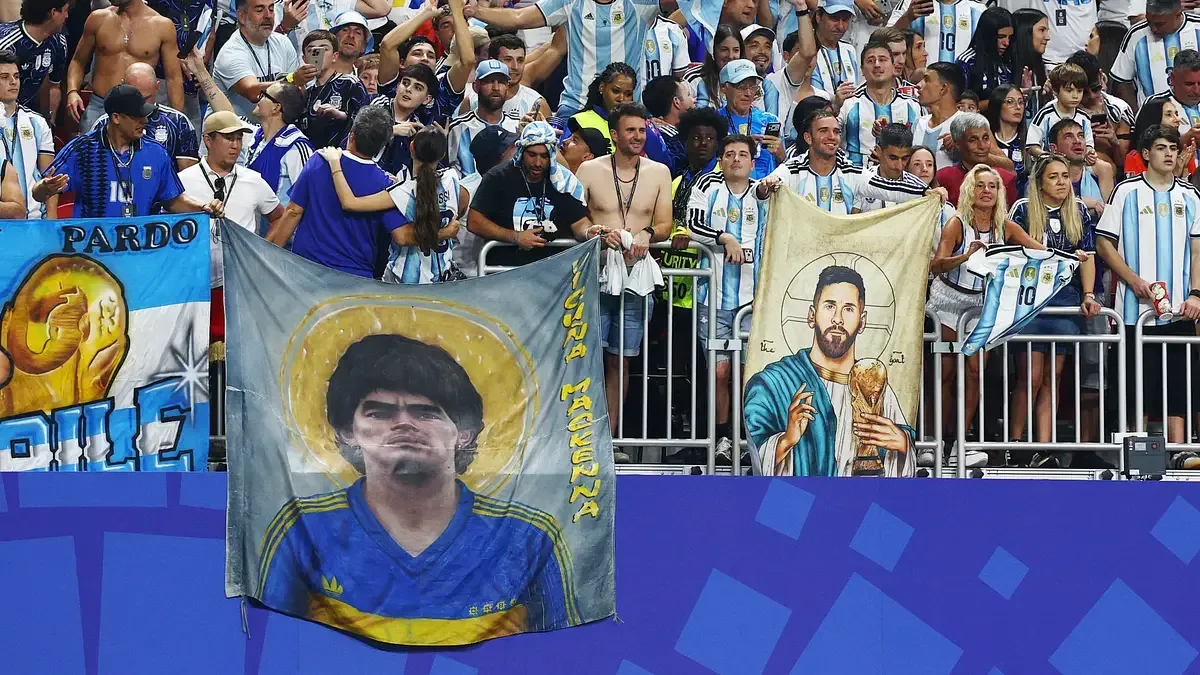
Retirement announcements often function as a market catalyst because they turn an ongoing career into a finite story. They encourage nostalgia, prompt collectors to revisit older issues and can direct demand toward cards that best represent an athlete’s beginning, defining era or final season. The supplied market context points to Lionel Messi’s recent international retirement as an example of how such a milestone can energize a player’s cards.
That does not mean an eventual Ronaldo announcement guarantees every card will rise. The market for a widely issued base card is not the same as the market for a rare insert, an autographed card, a rookie-era issue or a graded copy with elite condition. It does mean the retirement date itself could matter more than another open-ended stretch of appearances.
The club-card picture is quieter
The same cooling is visible in a prominent club-era card. Ronaldo’s 2004 SP Authentic raw card, showing him in a Manchester United kit, sold as high as $615 in 2021 and is now hovering near $200.
Its decline matters because Manchester United imagery connects to a formative period of Ronaldo’s senior career, which began in 2002. In other words, a recognizable early-career card is not automatically insulated from a broader change in collector appetite. Long-term relevance and short-term pricing are related, but they are not identical.
Ronaldo remains successful at club level in the Saudi Pro League, but the current setting has not delivered the same card-market spotlight as a central European competition or a World Cup. For collectors, that creates a practical split between appreciating present-day performance and identifying the cards most likely to benefit from it. A strong match can be significant on the field without becoming a hobby-wide buying event.
This is why collectors should resist the urge to treat “Ronaldo card” as one unified market. The 2006 Panini World Cup base, the 2004 SP Authentic and an ultra-rare modern parallel appeal to different buyers for different reasons. Scarcity, set identity, player image, condition and historical associations all shape demand.
Legacy remains the foundation, not the question
Any discussion of a current price pullback needs to be placed beside Ronaldo’s body of work. He has 979 career goals, the most recorded by any player, alongside five Ballon d’Or awards, a European Championship, five Champions League titles and eight domestic titles. His longevity and international profile have made him one of the hobby’s central soccer names, with dozens of six-figure card sales.
The top end of the market makes that especially clear. Ronaldo’s 2018 Kaboom! Green 1/1, graded PSA 10, sold in a private deal for $1.35 million on May 22. A 1/1, or one-of-one, is a card produced as the only copy of that exact parallel. PSA 10 denotes the top grade on PSA’s familiar numerical scale. Together, singular scarcity and the highest assigned condition create a fundamentally different proposition from a readily available raw base card.
That $1.35 million result stands as the second-highest soccer-card sale reported, behind a 2004 Panini Sports Mega Cracks Lionel Messi card in PSA 10 with an MBA Gold Diamond designation, which sold for $1.5 million. The comparison underlines the rarified nature of these transactions. They should not be used as a price guide for standard Ronaldo cards, but they do show the scale of demand that can exist for exceptional examples tied to historically important players.
Collectors looking at Ronaldo’s market therefore have two truths to hold at once. The accessible end has recently been volatile and softer after its World Cup spike. The player’s overall hobby position, however, remains supported by a career few athletes can match and by a proven high-end market.
What collectors can take from the pause
The immediate risk is mistaking uncertainty for a verdict on Ronaldo’s legacy. Recent declines in the 2006 Panini World Cup raw base and 2004 SP Authentic raw card show that collectors are not bidding as though a near-term retirement moment is guaranteed. They do not establish that Ronaldo has ceased to matter in soccer cards.
For people considering a purchase, the useful questions are concrete. Is the card being bought for its design and connection to a favorite era, or because a retirement announcement is expected to lift prices? Is it raw, and if so, does its condition justify the asking price relative to recent sold examples? Is it a broad-issue base card, a scarce parallel or a true one-of-one? And is the buyer prepared for a market response that may be uneven even if a major career milestone arrives?
Those questions are more valuable than trying to force a prediction from a handful of headlines. Ronaldo’s next international retirement decision could become a major collecting event, particularly if it comes with a final match that focuses worldwide attention. Until that decision is made, his cards appear to be in a holding pattern: still backed by one of soccer’s greatest resumes, but awaiting the kind of unmistakable moment that turns admiration into urgent market activity.
For additional discussion of the retirement-driven setup around Ronaldo cards, see this related market report.