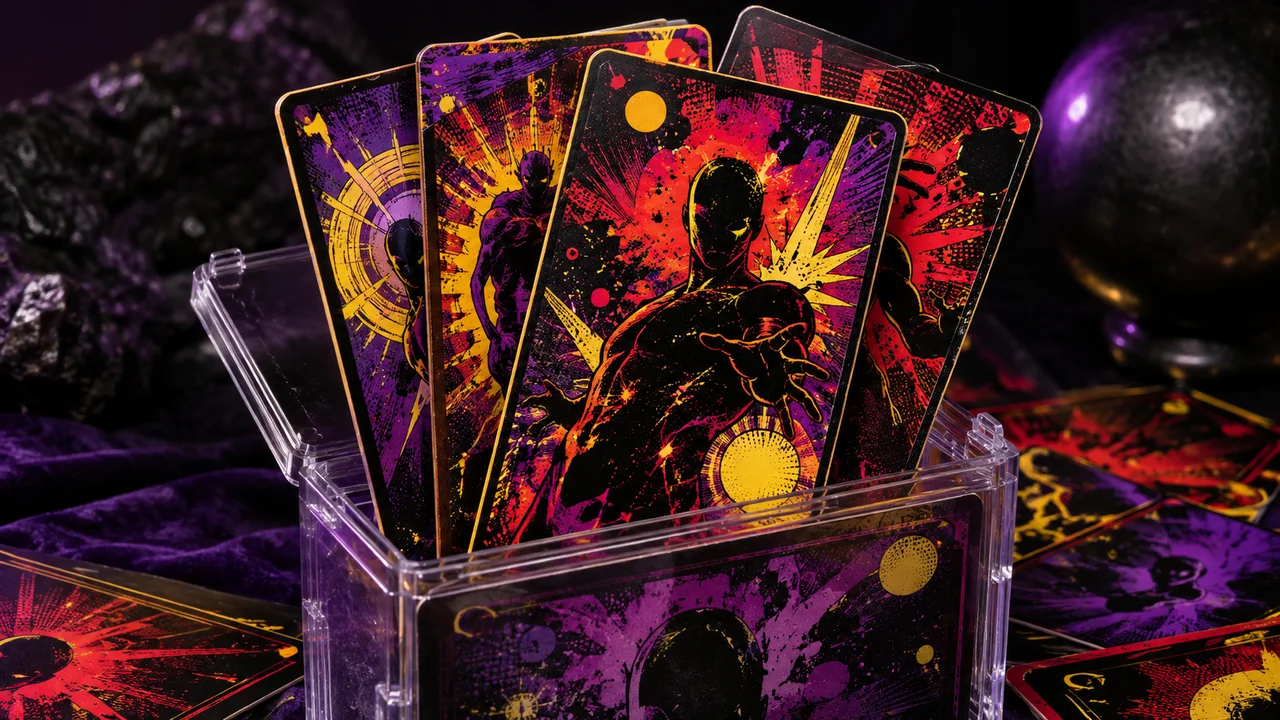
Topps Chrome Football is scheduled to release on Wednesday, November 18, 2026, carrying the kind of checklist built to command attention in the modern football-card market. The set is positioned around major chase cards—including Helix, Kaiju and Topps Superfractors—along with Debut Patch and Gold Shield cards. PREM1ERE Patches from 2023 and 2024 are also set to appear, while Topps has increased redemption values in its MVP Buyback Program.
That is a substantial stack of selling points. But the larger question is not whether collectors will recognize the names on the checklist. It is whether a product with premium ambitions can sustain its momentum if the broader market is less willing to absorb expensive boxes, breaks and newly pulled singles than it was during a hotter stretch.
The release therefore matters beyond one brand or one week of transactions. Early demand for 2026 Topps Chrome Football could become a useful temperature check for the modern football-card market: how strong the appetite is for sealed product, whether breakers can fill their lineups, and whether high-end singles find buyers near the prices suggested by release-week excitement.
A loaded checklist meets a cautious moment
At the product level, Topps Chrome Football has no shortage of headline material. Superfractors are among the most recognizable ultra-low-numbered Chrome parallels, generally treated by collectors as marquee versions of a player’s card. A parallel is a variation of a card design that is differentiated by color, finish, serial numbering or another production treatment. In a set where scarcity is central to the appeal, these variations frequently become the cards that establish a release’s public identity.
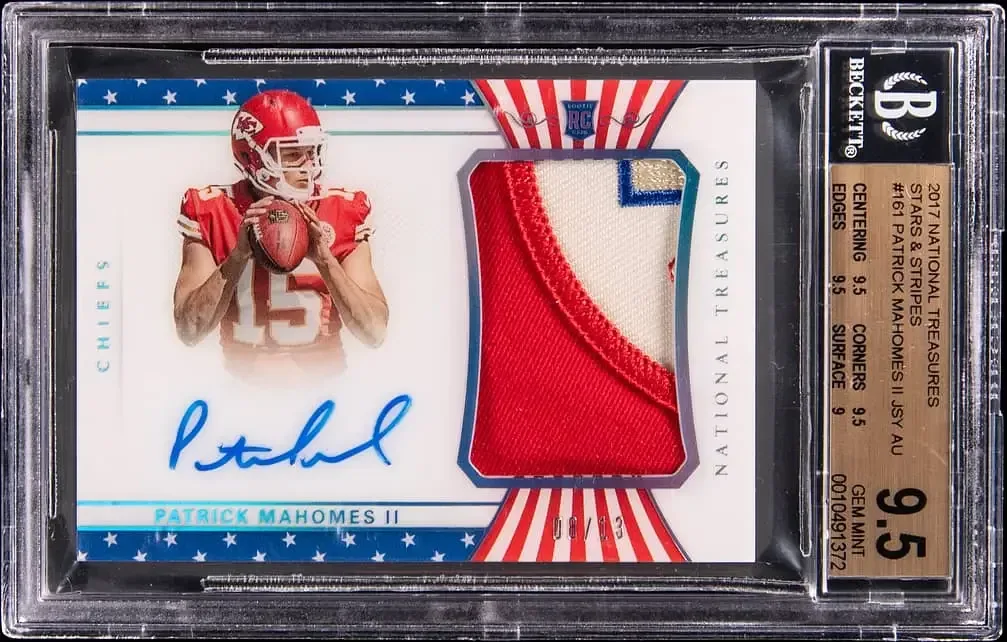
Kaiju and Helix cards add further high-end chase appeal, while Debut Patch and Gold Shield cards point toward the kind of card categories collectors may regard as centerpiece acquisitions. The inclusion of PREM1ERE Patches from 2023 and 2024 expands that patch-card conversation across more than one season.
A chase card is the card—or group of cards—that gives collectors a compelling reason to open sealed product or participate in a break. It does not mean every chase will hold the same value, nor that every collector wants the same cards. Rather, it is the shorthand for the scarce or especially desirable outcomes that help define demand around a product.
Topps has also raised the redemption values for the MVP Buyback Program. That change matters as part of the product’s overall value proposition, though it does not remove the normal uncertainty around an opening. Buybacks can give eligible cards a defined use within a program, but collectors and breakers will still be watching the sales performance of the set’s most visible singles.
For a wider look at how varied the hobby coverage can be beyond sports releases, Joking Joystick’s trading-card section has also covered Vampirella: Paradise #1.
Related coverage includes 2026 Topps Chrome Football Arrives With Big Hype and Bigger Market Questions.
Why release-week pricing needs context
Release week is often the least settled period in a card’s market life. There is fresh-product excitement, a race to be among the first public sellers, and limited evidence of where a card will trade once more copies surface. That makes the first major sales useful signals, but not necessarily durable benchmarks.
The recent history of 2025 Topps Chrome Football illustrates the point. That release had an unusual advantage: it was the first Topps Chrome football set in a decade, a return that carried considerable collector goodwill. It also had rookie-quarterback intrigue through Cam Ward, Jaxson Dart and Tyler Shough. Those factors gave the product a particularly strong launch narrative.
Yet one standout sale shows how quickly that narrative can be tested after cards enter the market. A 2025 Josh Allen Kaiju sold for $10,000 during release week, then sold for $2,000 a little more than a week later. A publicly recorded PSA 10 sale has not exceeded $10,000 since.
The same pattern appeared with a Blue /150 autograph, which sold for $7,500 during release week and for under $2,500 only a few weeks later. A card numbered /150 is serial-numbered to 150 copies; that numbering is intended to communicate a controlled supply, though the eventual market price still depends on the player, the card type, collector demand and the number of examples reaching buyers at once.
These examples are not proof that every 2025 card performed the same way, or that every 2026 card will follow the same path. They do, however, demonstrate the danger in treating an early high sale as a permanent valuation. A rapid decline after a launch sale can reflect a market finding its level as more copies emerge and buyers become more selective.
The second-year question for Topps Chrome
Comparing 2026 Topps Chrome Football directly with 2025 has obvious limits. The 2025 product benefited from the novelty of Topps Chrome football returning after a decade. A second year does not carry precisely the same return-to-market story, even if the 2026 checklist is packed with desirable names and premium concepts.
Quarterback demand will be one key variable. The previous release drew attention from its rookie QB class. For 2026, the discussion includes whether Fernando Mendoza, with one career start, can provide enough rookie-driven momentum by himself. It also includes whether established quarterbacks such as Josh Allen and Joe Burrow will see a decline in interest from the first year of the revived Chrome football line to its second.
This is not simply a question of player talent or on-field reputation. In modern sports cards, a specific card’s appeal is often a combination of the athlete, the design, scarcity, signature or memorabilia element, grade, release timing and the collector story surrounding the set. The first appearance of a beloved product format can be part of that story. When the same product returns, it must establish why its new cards deserve attention on their own terms.
That makes the 2026 release an especially revealing one. If sought-after quarterback singles, high-end inserts and patch cards command steady demand after the initial rush, that would suggest the product has support beyond novelty. If the biggest cards lose ground quickly, the outcome may indicate that enthusiasm was concentrated in the earliest sales rather than spread across the broader collector base.
Breaks, singles and sealed boxes are tied together
Football cards do not operate as three fully separate markets. Sealed wax, breaks and singles constantly influence one another. Wax is hobby shorthand for unopened product such as boxes and packs. A break is an arrangement in which participants buy a share of an opening, commonly linked to a team, player or randomized assignment, rather than purchasing and opening an entire box themselves. Singles are individual cards sold separately.
In practical terms, a break has to be attractive enough for participants to buy in. That appeal is connected to the perceived value of the cards that could be pulled. Sealed boxes, meanwhile, can be supported by the same perceived upside. But over the longer term, that perceived upside has to be grounded in what the individual cards actually command from collectors.
This is why the first days of 2026 Topps Chrome Football will be watched beyond the top few headline sales. Are breaks filling? Are there active buyers for cards below the handful of biggest hits? Are desirable singles selling at prices that remain stable once the first wave of supply reaches the market? Those questions get closer to market depth than a single dramatic auction result.
The stakes extend to the businesses around cards as well. Card-show dealers depend on the liquidity and desirability of singles to move inventory. Grading companies benefit when collectors believe cards are valuable enough to justify submission, especially when speed matters. None of those connections makes one product responsible for the market’s direction, but a major football release can serve as a concentrated test of current confidence.
Strong activity and soft signals can exist at the same time
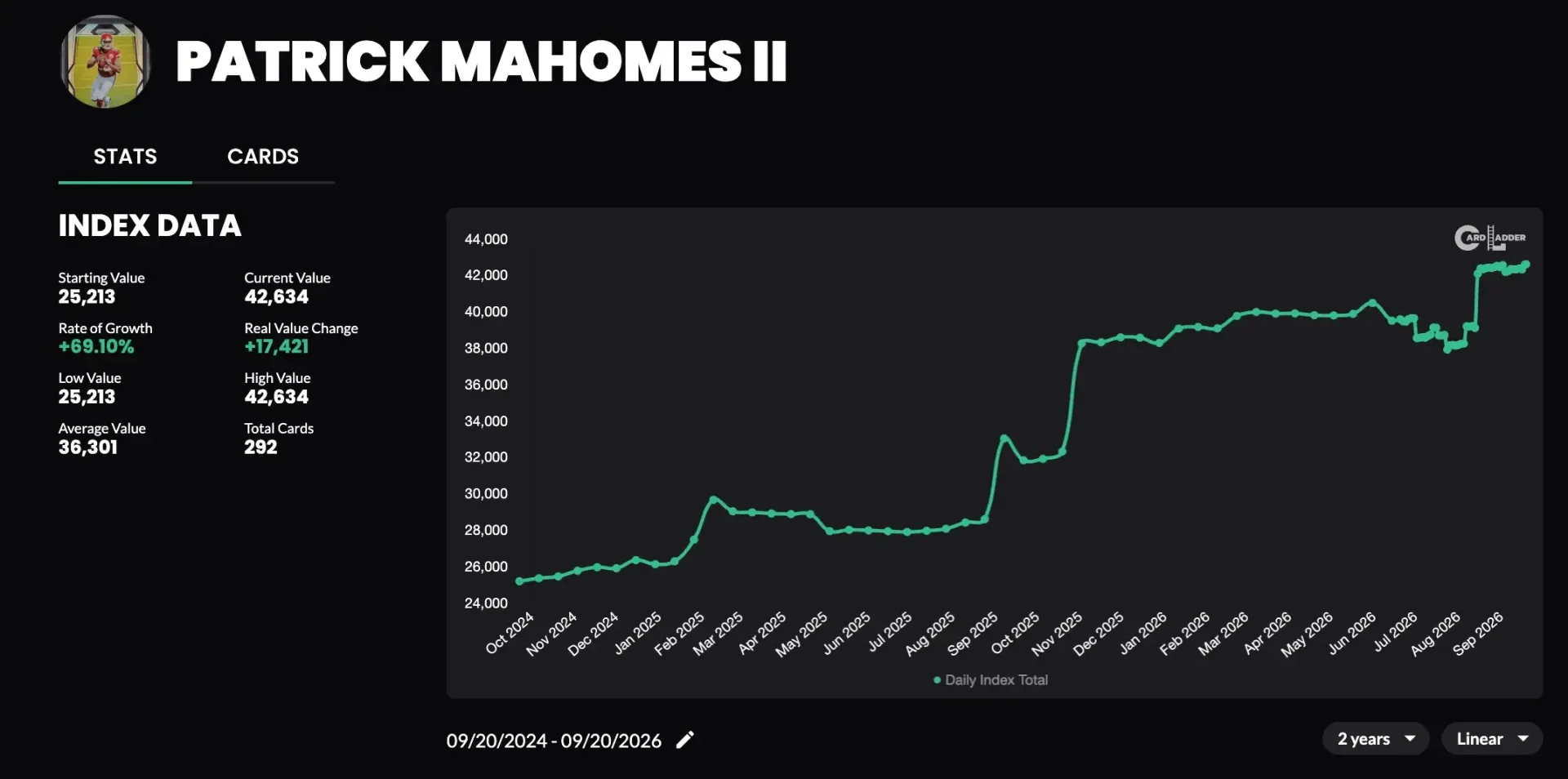
The market picture entering this release is mixed. Online sales crossed $1 billion in October, and card shows have been setting attendance records, with three national shows running in a weekend. Those are signs of significant participation and collector interest.
At the same time, there are softer data points and concerns. Tom Brady rookie cards were selling at 50% of their summer high. Baseball breaks were reportedly having difficulty filling. The market also tends to dip in the fourth quarter, putting more attention on whether the usual first-quarter energy returns next year.
Those facts can look contradictory only if the hobby is treated as a single uniform market. It is not. Strong overall online sales or busy show floors do not guarantee equal demand for every player, sport, price tier or format. Likewise, weaker performance for a particular card segment does not erase the presence of active collectors elsewhere.
For Topps Chrome Football, the meaningful issue is whether its specific mix of premium inserts, star quarterbacks, rookie appeal and patch-driven chases can connect with buyers in the present environment. A successful release would not settle every concern about the broader market. A slow one would not, by itself, prove that the entire hobby is in a prolonged downturn. But either result would supply evidence at a moment when collectors are already watching the relationship between hype and sustained demand closely.
What collectors should watch after November 18
The best early read will likely come from trends rather than one-off sales. Collectors assessing the release can separate the excitement of a new product from its developing market by tracking a few basic signals:
- Break participation: Whether spots are filling can show if interest is broad enough to support openings at prevailing prices.
- Post-launch single sales: Sales after more copies enter circulation provide more useful context than the first record-setting transaction.
- Depth beyond the top cards: The health of a release is not captured only by its biggest Superfractor, Kaiju or patch-card result.
- Repeat demand: Buyers returning for comparable cards at consistent levels are more meaningful than a lone early bidder.
- Player concentration: If attention rests on only one rookie or a tiny group of stars, the product may have less support if those cards cool.
There is also a practical distinction between collecting and chasing a short-term market move. A collector who values a particular player, design or card type may be comfortable buying based on personal interest. Someone focused on price stability faces more uncertainty during launch, when the available sales evidence is still thin and prices can move sharply as supply grows.
Topps Chrome Football arrives with enough recognizable ingredients to generate immediate interest: scarce parallels, major insert names, patches, autographs and a revised buyback component. The question is whether those ingredients create a market that lasts beyond the opening burst. That answer will not be visible in a single box break or one five-figure sale. It will emerge in the behavior of breakers, collectors and single-card buyers after the initial rush has had time to cool.