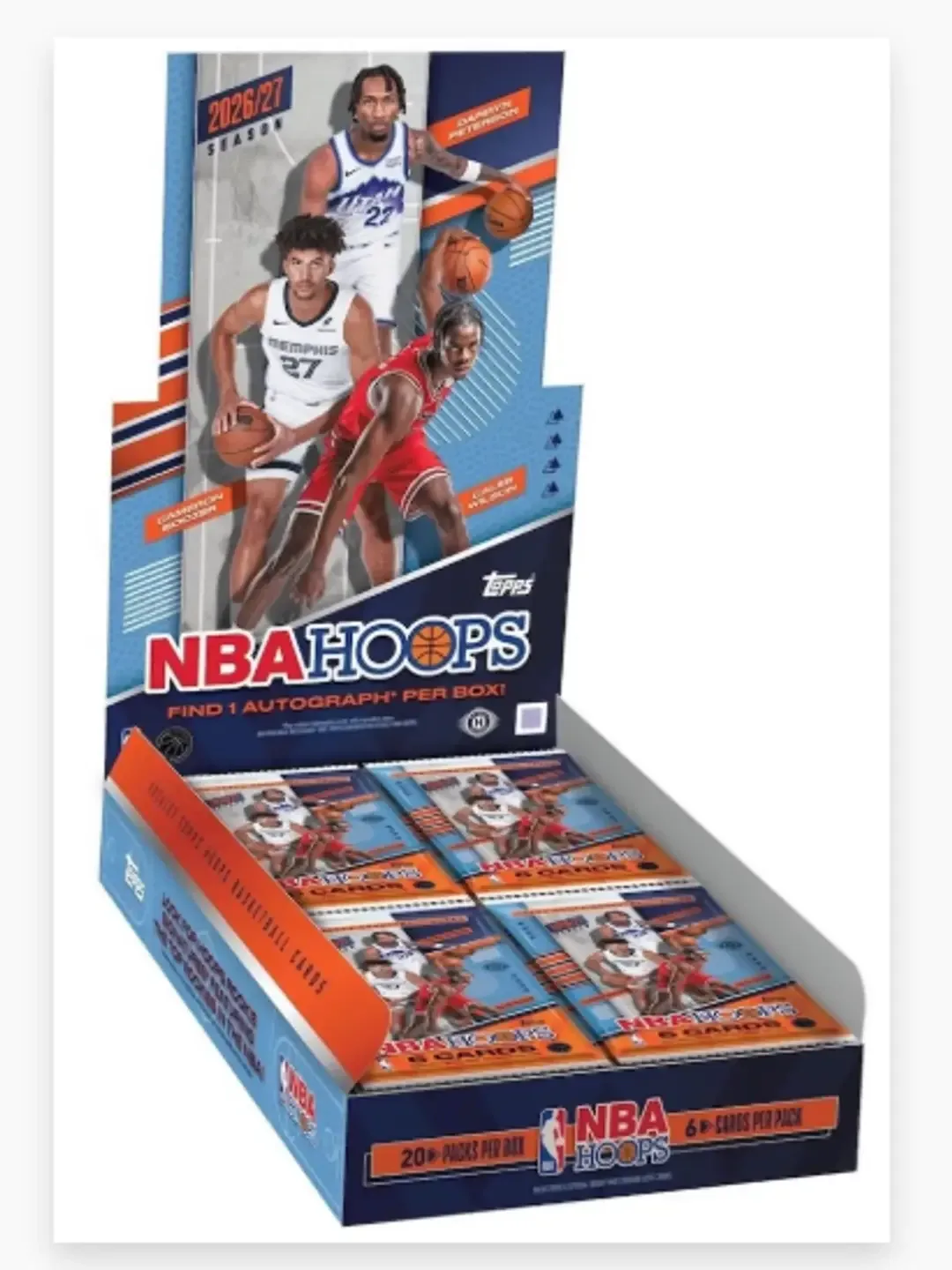
Topps NBA Hoops Basketball is next up for collectors chasing the 2026-27 NBA rookie class, established stars and the familiar appeal of a large, approachable basketball-card set. Preorders for 2026-27 Topps NBA Hoops hobby boxes are scheduled to open Tuesday, November 10, at 12 p.m. ET through Topps’ website, with an advertised preorder price of $189.99 per hobby box.
That price is described as a modest drop from the prior year’s preorder figure. It also arrives while the season and its rookie-card pecking order are still taking shape. That timing matters. Interest in a rookie class can shift quickly as players establish roles, put up stronger performances or simply become more visible to fans. For now, the early materials offer a useful preview of the product’s visual direction and a handful of confirmed card concepts, rather than a complete account of what will be in every box.
What is confirmed for the preorder
The firm details are relatively straightforward: 2026-27 Topps NBA Hoops hobby-box preorders are set for November 10 at noon Eastern, and the advertised preorder price is $189.99. Collectors should distinguish those facts from broader expectations around the set, because an exact checklist has not yet been provided.
A checklist is the definitive list of players, card subjects and, in many cases, insert or autograph components included in a release. Until it is published, collectors cannot confirm the full autograph roster, determine every rookie in the base set, or know the final parallel breakdown. Preview imagery is valuable, but it is not a substitute for the finished checklist or odds information.
That does not mean the previews are empty calories. They indicate that the release will include autograph and parallel pursuits, with cards shown for Kevin Durant, Anthony Edwards and Darryn Peterson. Still, those examples should be read as an early look at the product—not proof that every pictured format, color or player represents the entire lineup.
Why the $189.99 figure needs context
The lower advertised preorder price compared with last year is notable, but it does not establish a product’s long-term value or the eventual strength of its rookie market. The previous rookie class carried substantial hobby attention for much of its season. The 2026-27 class is earlier in its cycle, with fewer opportunities so far for collectors to form durable judgments about which players will sustain demand.
For a buyer, the practical question is less “is the price lower?” than “what am I trying to collect?” A collector building a broad rookie set, seeking a favorite team’s players, or enjoying the process of opening packs may view the box differently from someone whose sole target is a rare autograph. The latter approach is inherently more uncertain when the full checklist, exact parallel list and complete product configuration have not been detailed.
Sports-card terminology can make that distinction clearer. A base card is the standard version of a player’s card within the main set. A parallel is an alternate version, usually differentiated by a color, pattern, finish or serial number. An autograph card includes a player signature, while a serial-numbered card has a stated production cap, such as 10 or 99 copies. Those features may create a more focused chase, but they also make it important not to assume that any one desirable card is easy to find.
Related coverage includes 2026-27 Topps NBA Hoops Basketball Pre-Order: Date, Price and Early Card Preview.
A clean base-card approach
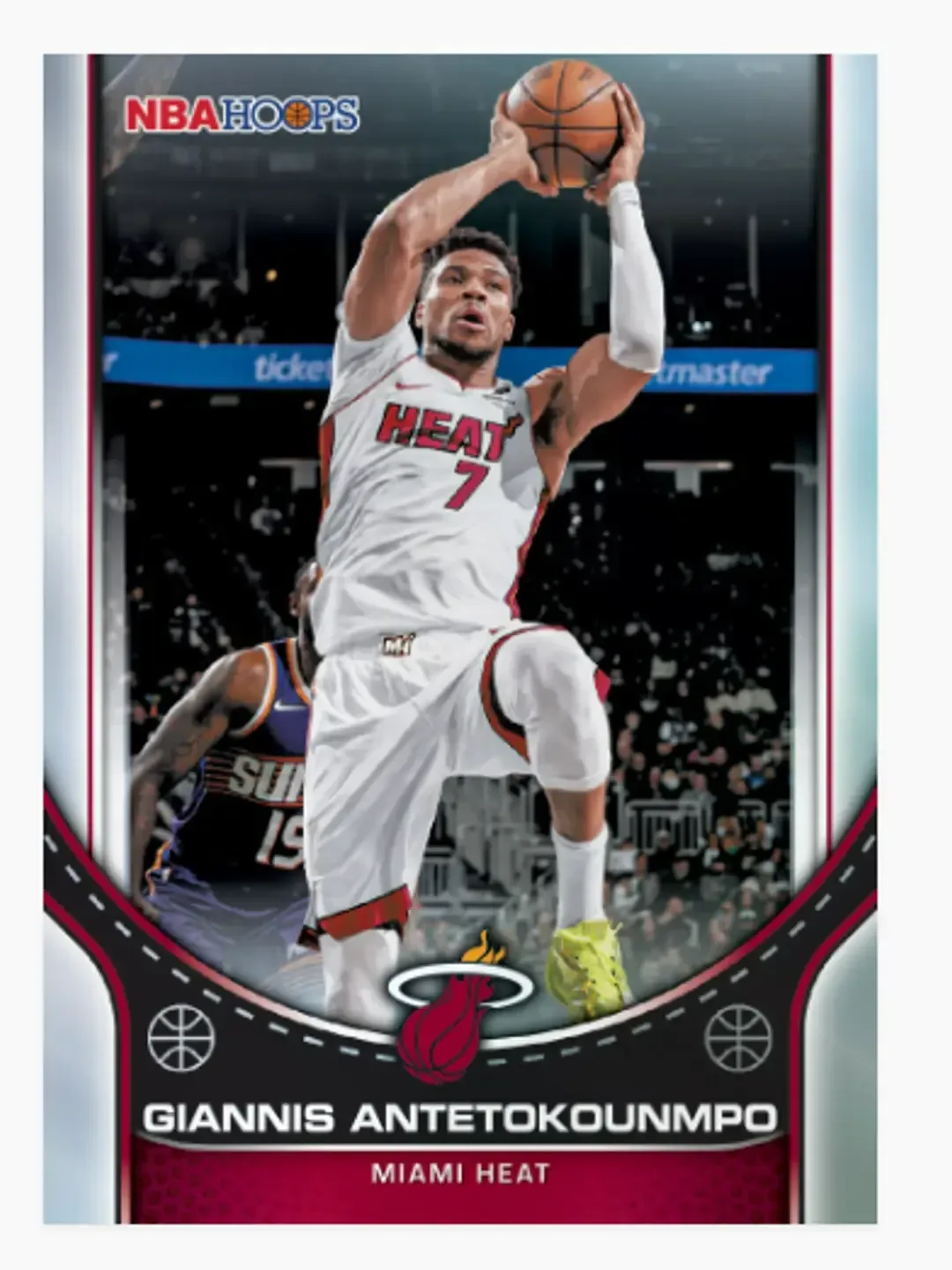
Early images point to a simple base-card layout. The player occupies the center of the design, while player and team details sit near the bottom alongside the club logo. Beneath the player image is a converging graphic that can read like roads or the collar of a jersey, drawing the eye toward the logo.
The restrained presentation is likely to appeal to collectors who prefer a coherent set over a design crowded with visual effects. A base set is often the part of a release that offers the widest player coverage, so legibility and repeatable design matter. When a collector lays out a run of cards, consistent placement of names, teams and logos can make the set easier to organize and more satisfying to display.
That simple visual language also leaves room for parallels to provide contrast. When the basic design is clear, an alternate color treatment or premium finish can stand out more sharply. However, the available information does not identify the complete parallel menu, quantities or pull rates. Collectors interested in a specific color, rarity tier or player should wait for official checklist information before treating any particular version as confirmed.
Kevin Durant headlines the veteran autograph preview
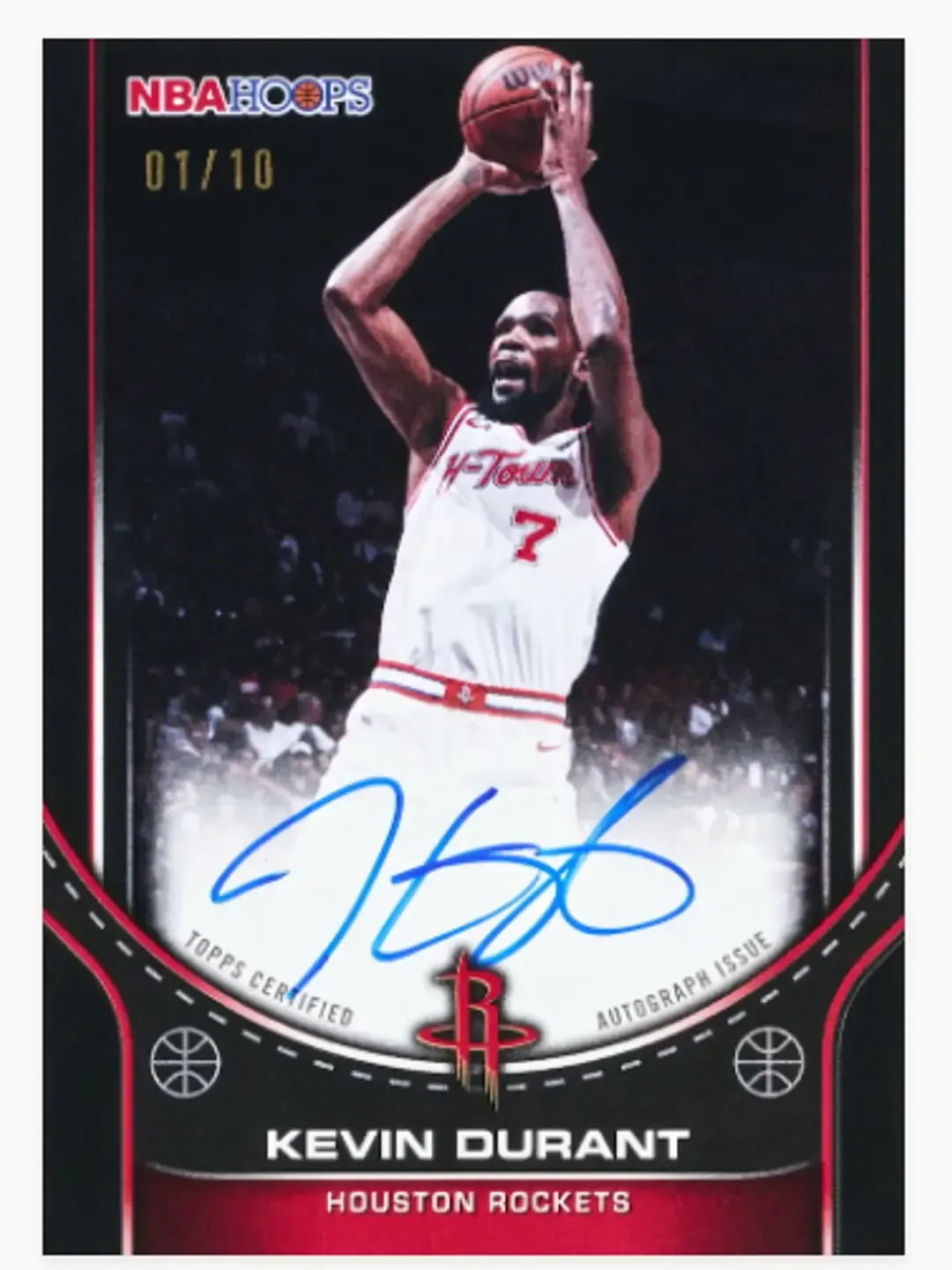
The most prominent veteran autograph preview features Kevin Durant. The card shown is a Black Parallel Autograph numbered to 10, making it a low-numbered version with no more than 10 copies indicated by its serial numbering. Durant is pictured in an alternate jersey, a photography choice that gives the card a different look from a conventional standard-uniform image.
It is an eye-catching signal for the release, particularly because veteran autographs give a set an appeal beyond the newest players. They allow collectors to pursue current stars with established fan bases while still engaging with the season’s rookies. But a single preview does not reveal how broad the veteran signer list will be, whether other autograph designs exist, or what the full rarity structure looks like.
That uncertainty is worth keeping in mind for collectors considering a box solely for a Durant chase. A card numbered to 10 is, by definition, scarce. Its presence confirms that a premium Durant autograph exists in the product, not that it is a realistic expectation from any individual purchase. The same general principle applies whenever preview images spotlight the release’s most visually dramatic hits.
Parallels and the Anthony Edwards preview
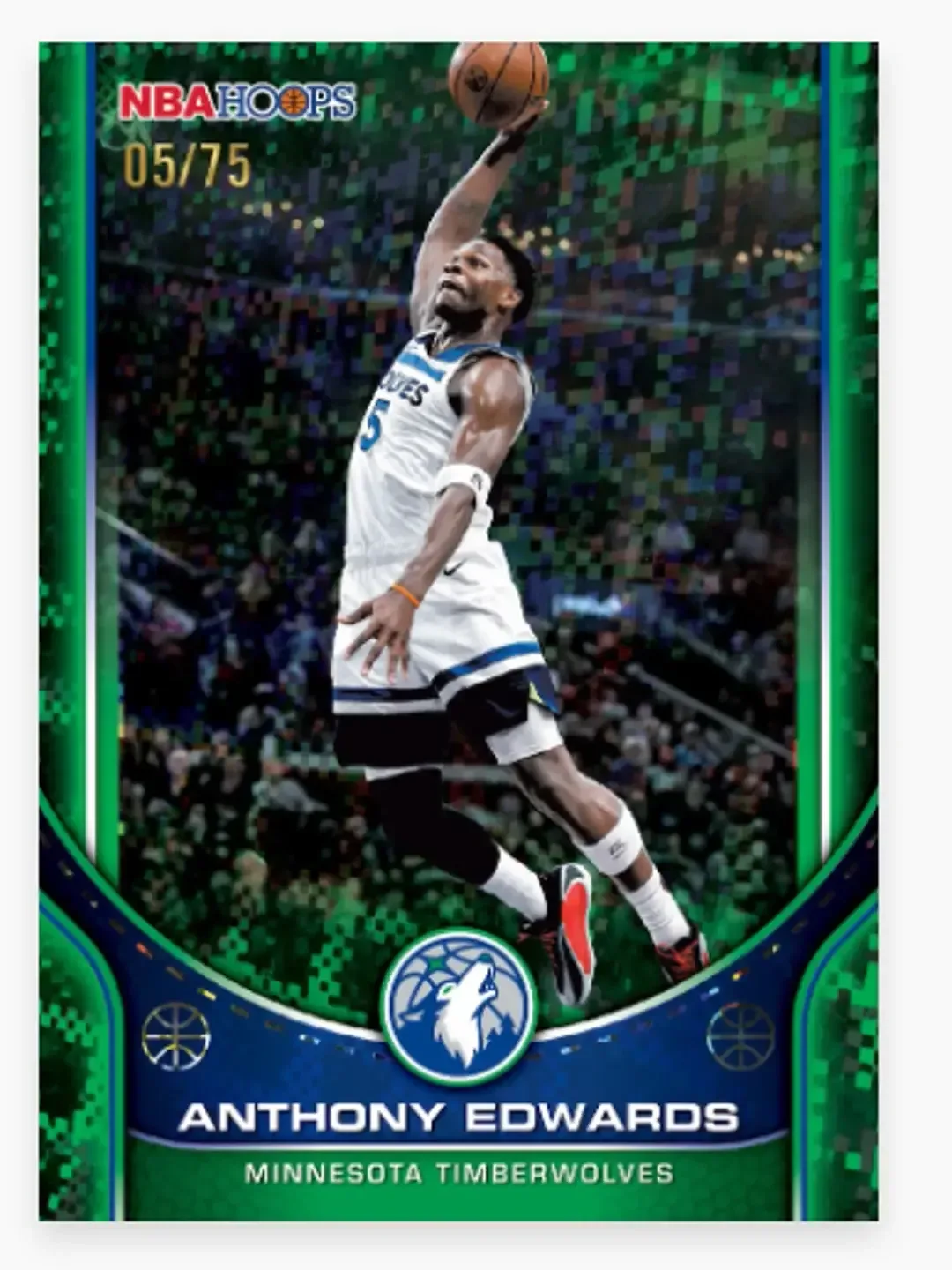
Topps has also shown a parallel featuring Anthony Edwards. Parallels are central to modern card collecting because they give collectors multiple versions of the same player or base-card design to chase. Some collectors try to locate one favorite version; others build a color run, which means assembling several different parallel treatments of the same card.
At this stage, the Anthony Edwards image is confirmation that star-player parallels are part of the product’s presentation, but it does not settle the full checklist. There is no complete published accounting here of the colors, print runs, serial numbering, box odds or whether every player receives every parallel. Those details can materially affect how a collector plans a set build or searches for a specific card on the secondary market.
For collectors who value organization, it may be sensible to decide in advance whether a parallel chase is actually part of the goal. A base set can be a finite project once its checklist is known. A broad parallel project can be much more open-ended, especially before the product’s total number of variations is clear. The preview is a reminder of the upside of the chase, but also of why product details are more useful than hype when setting a collecting budget.
Darryn Peterson rookie autograph shown to 99
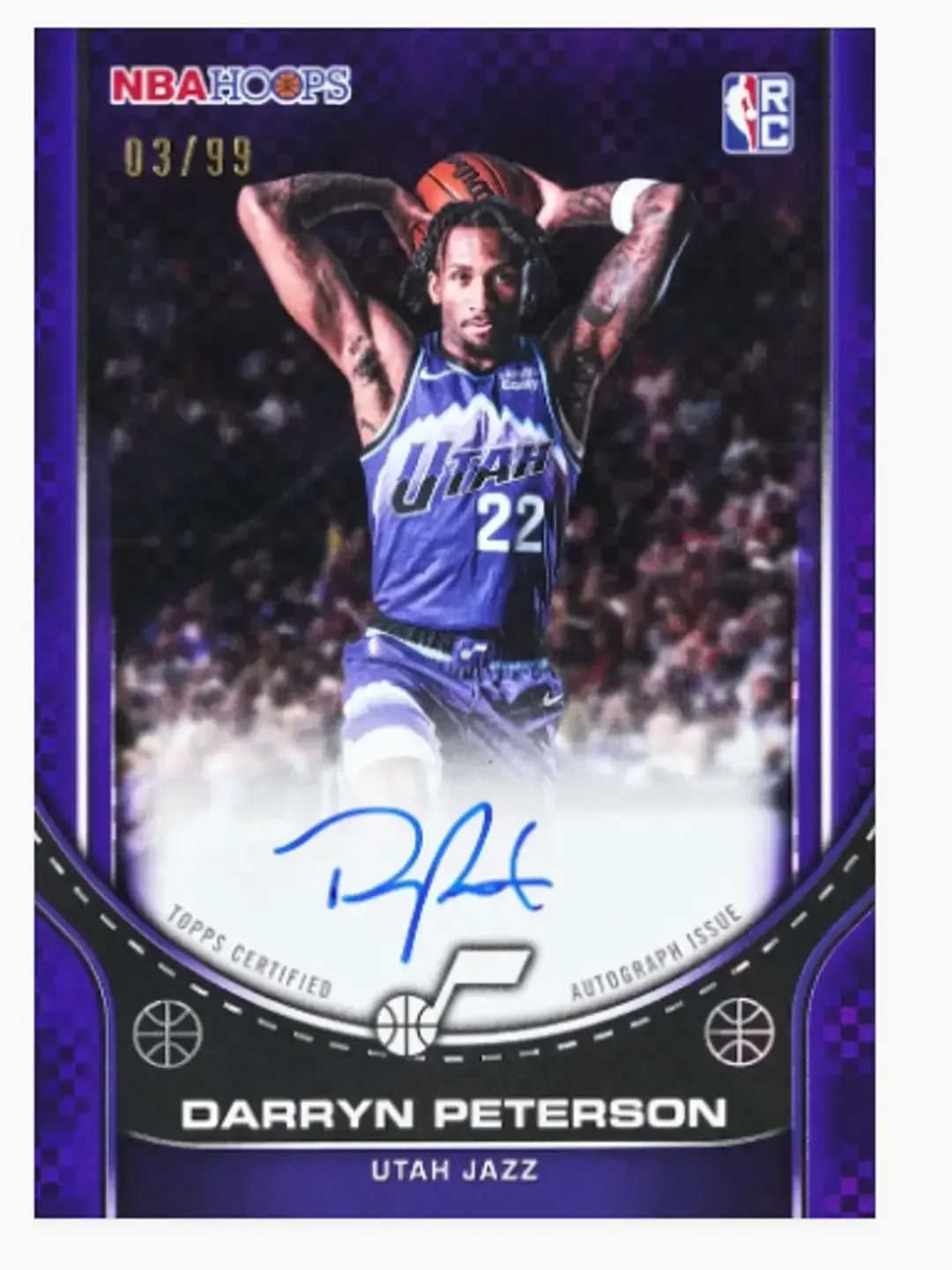
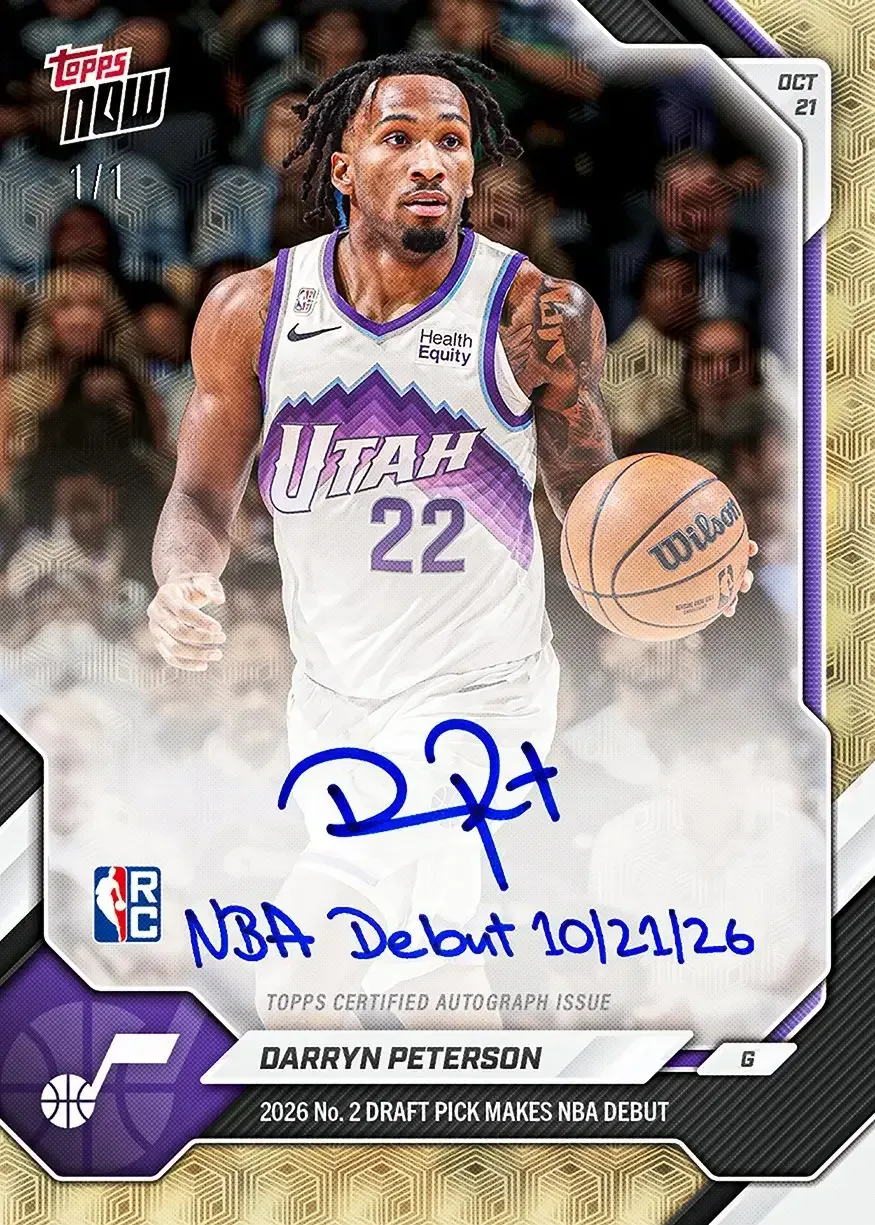
Rookie content remains a major draw, and the early imagery includes a Darryn Peterson rookie autograph numbered to 99 copies. Its presentation appears to use a team-color match, meaning the card’s colors visually align with the player’s team palette. A color match is an aesthetic attribute rather than a separate measure of rarity, but it can add appeal for collectors who want a card that feels closely tied to a player’s on-court identity.
The Peterson card is especially notable because rookie autographs from the 2026-27 class have been relatively limited to this point. New releases can therefore offer collectors an additional route to signed rookie cards. Still, the shown card does not answer every practical question: the complete group of rookie signers, the number of autograph designs, and the availability of other numbered versions remain unspecified.
Collectors focused on a particular rookie may ultimately be better served by comparing the final checklist against their own goal. A sealed hobby box offers the experience and uncertainty of the pack opening; pursuing a known single later offers precision. Neither route is inherently superior. The key is recognizing the difference between buying a chance at a featured card and buying that featured card itself.
What to watch for before committing
The November 10 preorder is the immediate date to note, but more information will be important after that. A complete checklist will clarify player coverage. A full parallel list will identify the variants collectors can pursue. Autograph details will show how expansive the veteran and rookie signing pools are. Those pieces turn a preview into a clearer picture of the product.
- Check the final checklist: Verify whether the players and card types you want are actually included.
- Look for parallel specifics: Color names, serial numbering and availability help define a targeted chase.
- Separate confirmed details from inference: Durant’s Black Parallel Autograph /10 and Peterson’s autograph /99 have been previewed; the broader configurations have not been fully detailed.
- Set a collection goal: Base-set building, team collecting, rookie collecting and autograph chasing call for different expectations.
- Remember the calendar: Early-season performance can influence attention around a rookie class, but it cannot be predicted from a box price alone.
Basketball-card collecting naturally overlaps with the sport’s wider culture: even a lighthearted story about an Allen Iverson-related game of HORSE shows how players can remain part of the conversation beyond the stat sheet and the court. That Iverson anecdote is a separate piece of basketball pop culture, but it illustrates why recognizable names and memorable imagery continue to matter to collectors.
For 2026-27 Topps NBA Hoops, the early case is clear enough: a $189.99 hobby-box preorder, a clean base design, a Durant Black Parallel Autograph /10 preview, an Anthony Edwards parallel preview and a Darryn Peterson rookie autograph /99. The unanswered questions are equally important. Until the full checklist and parallel information arrive, collectors have a promising snapshot of the release rather than its complete map.