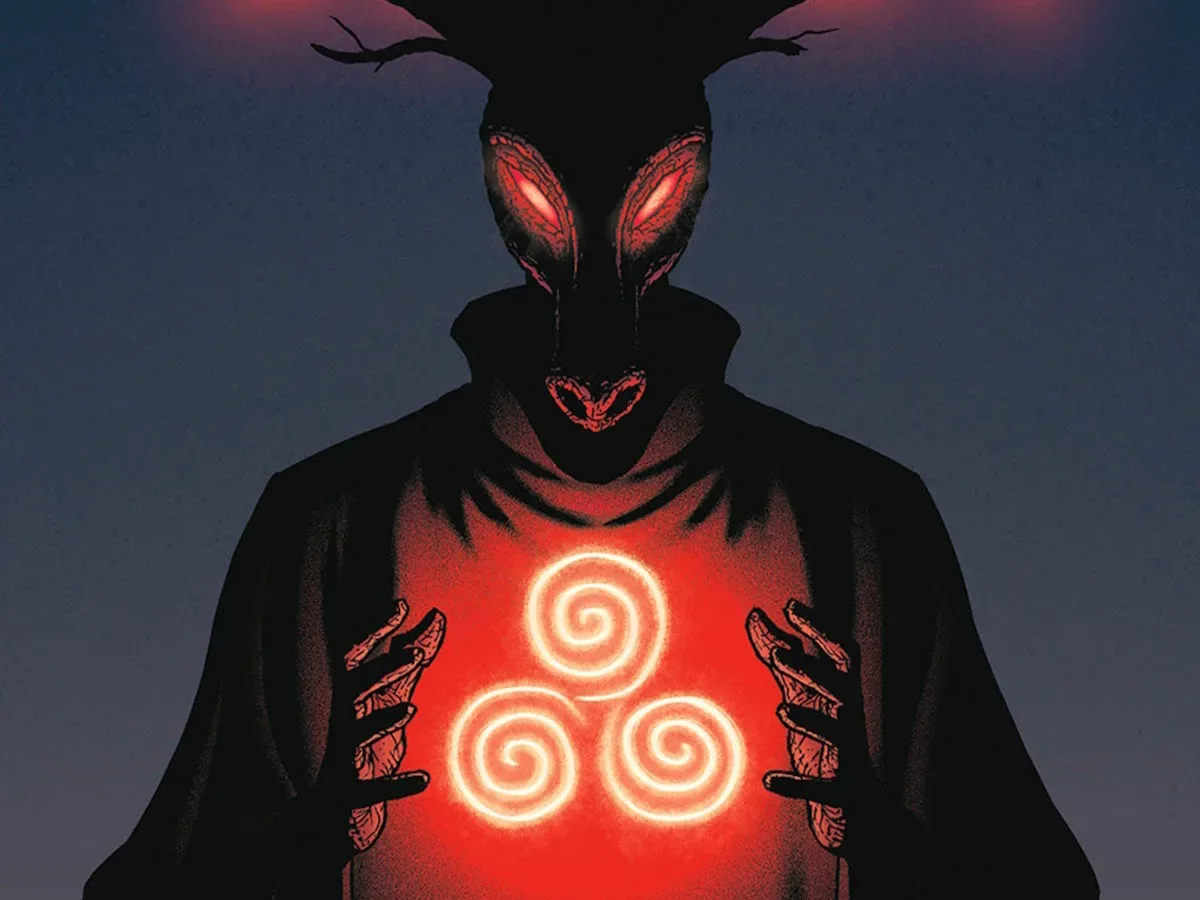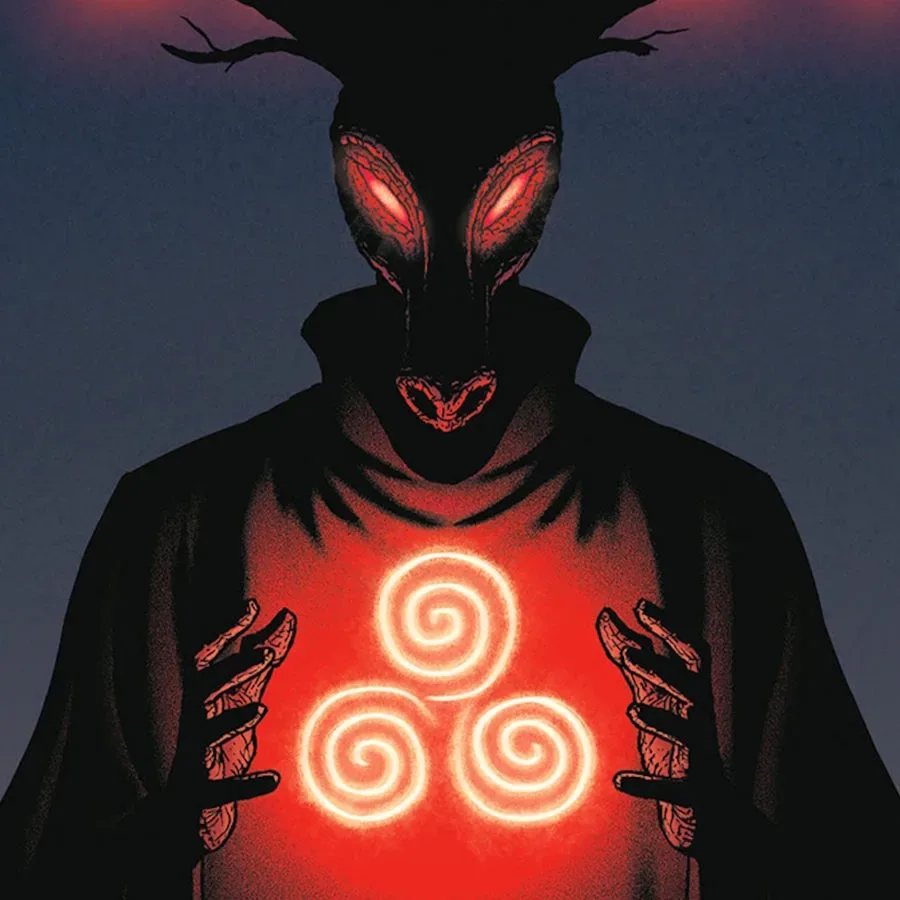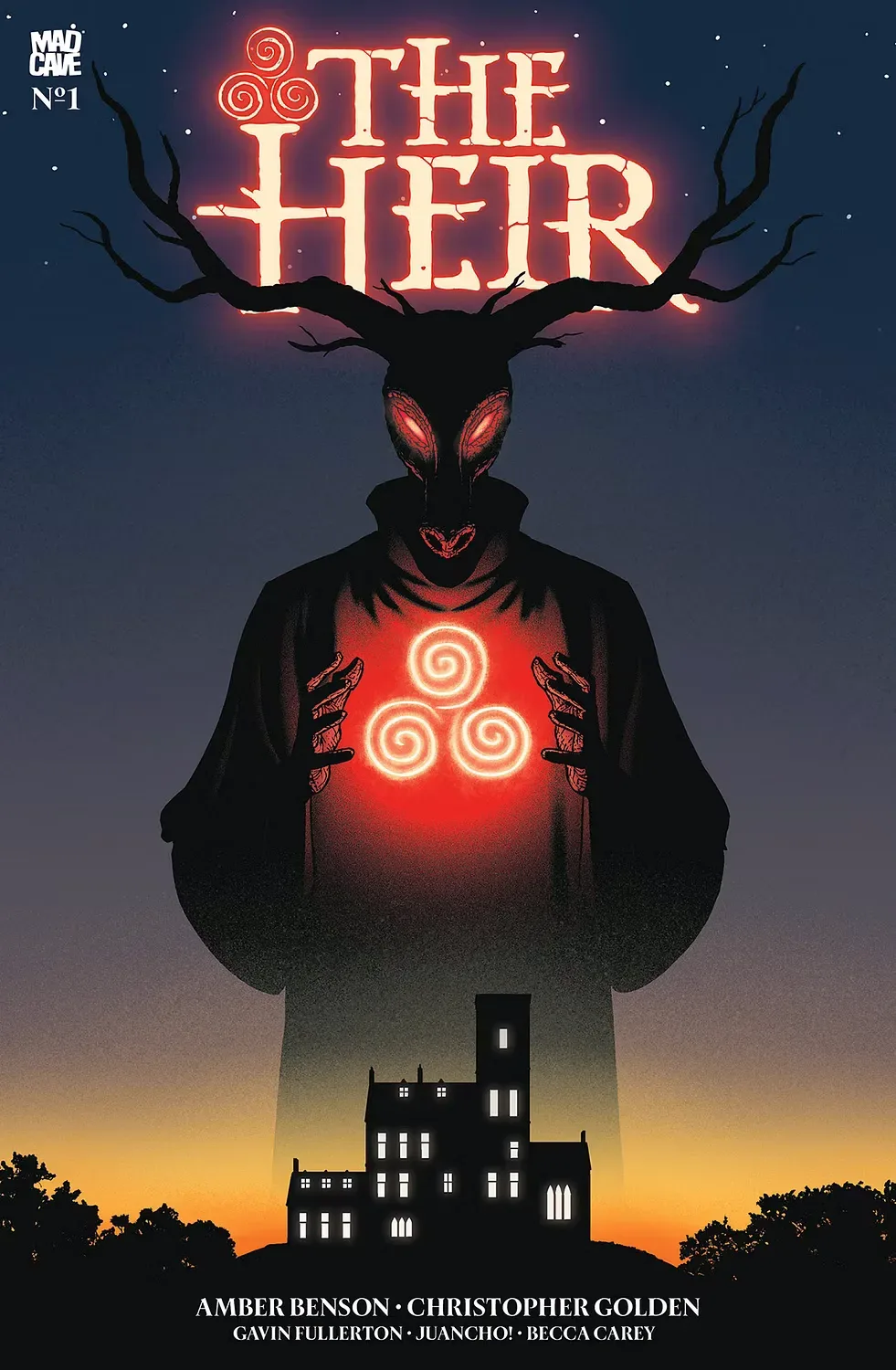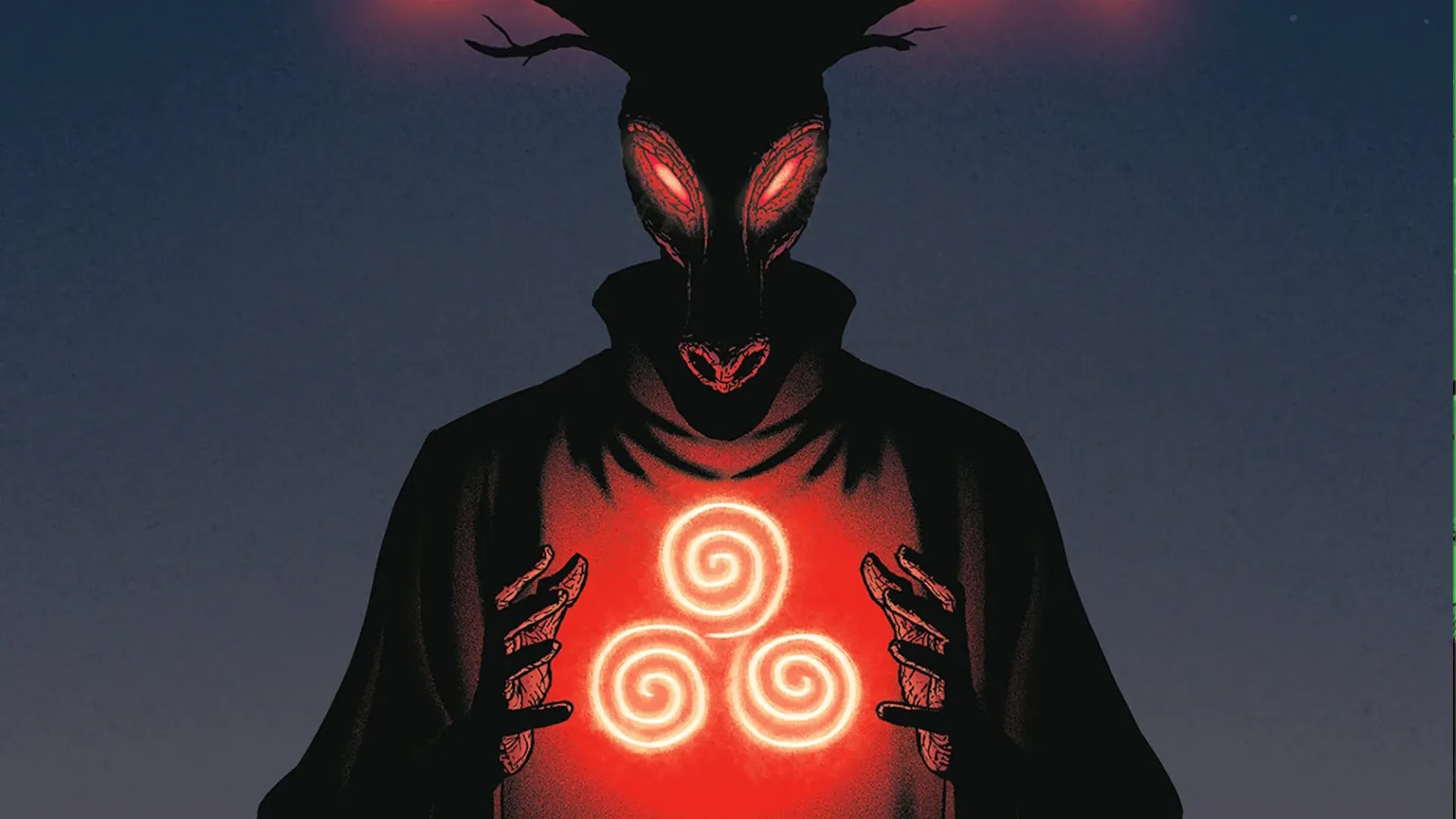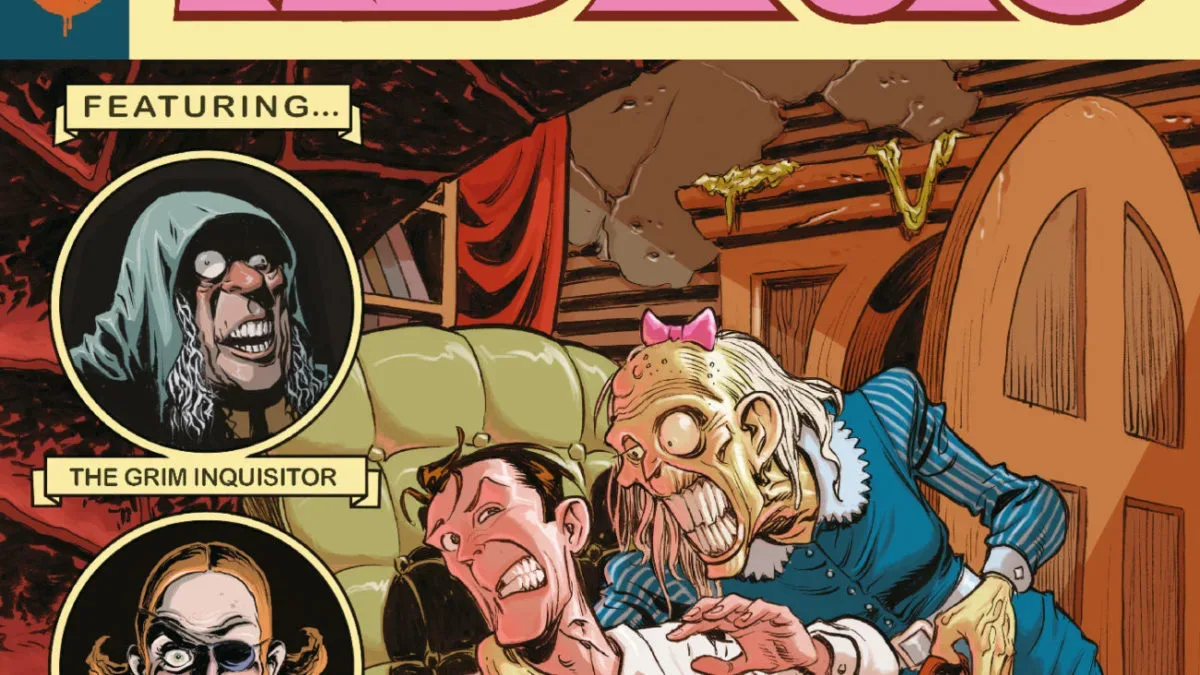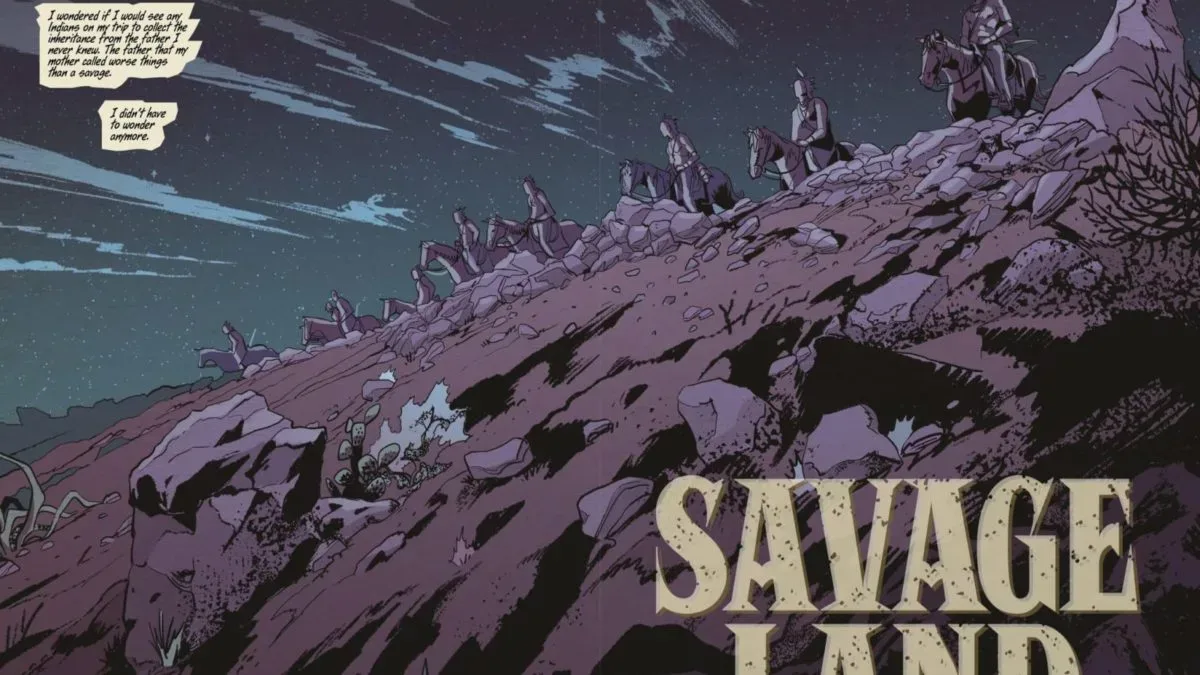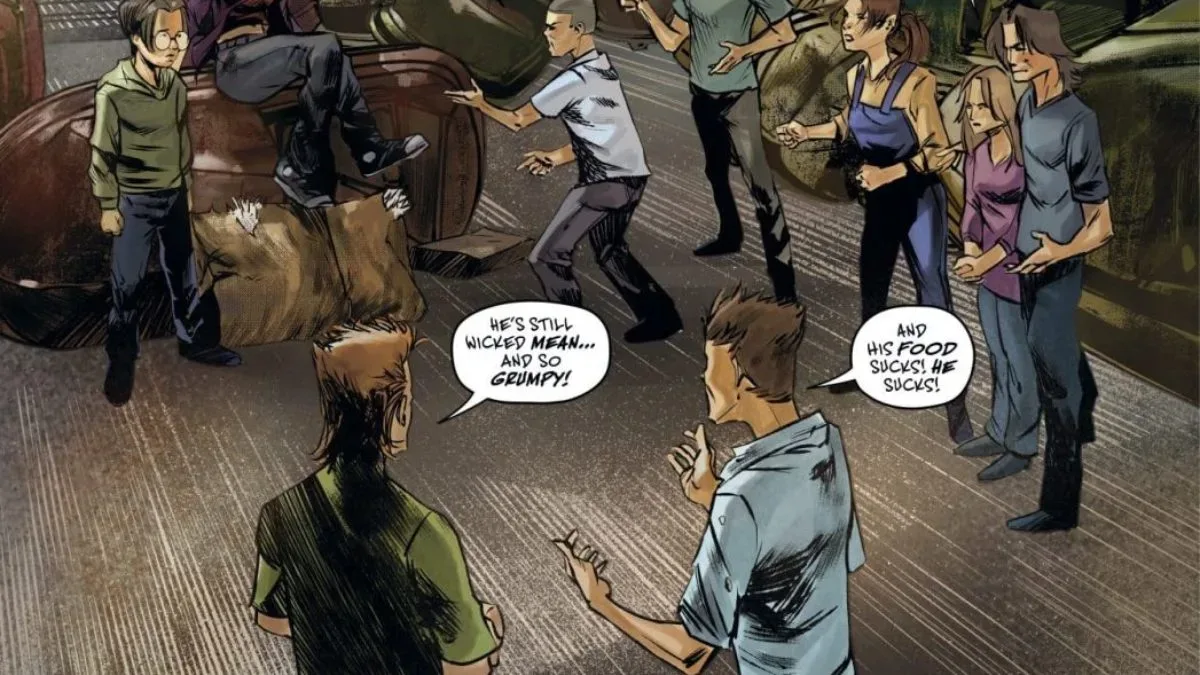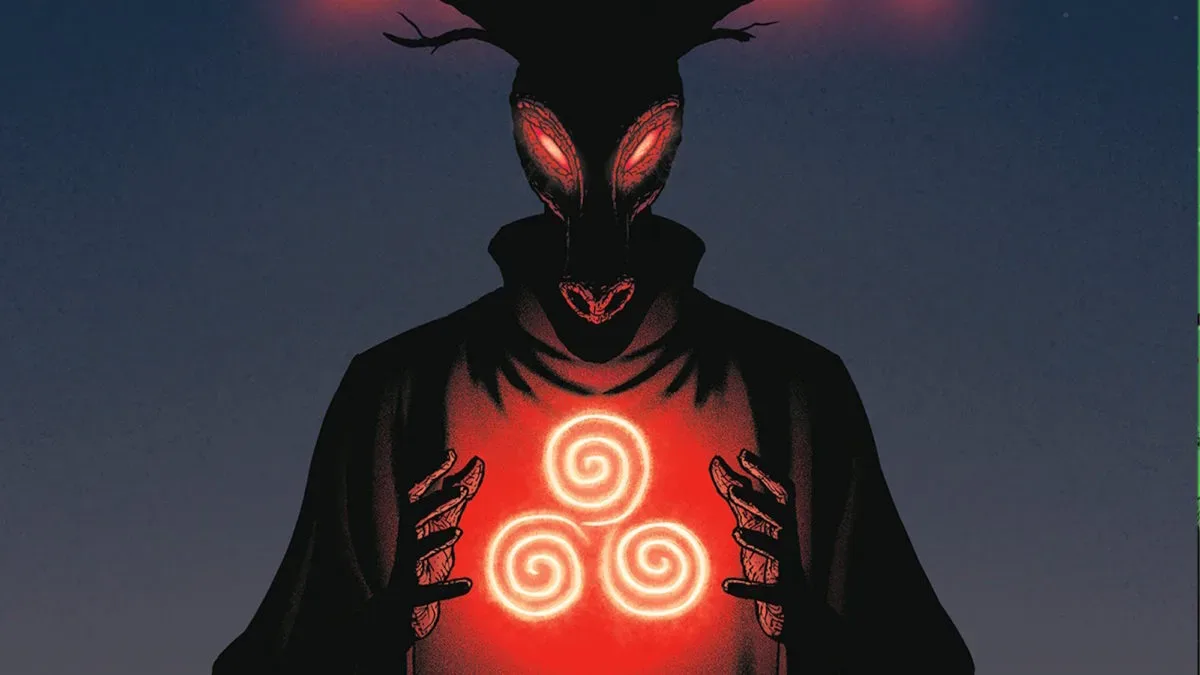
The Heir, a new five-issue Irish folk-horror comic, is scheduled to begin at Mad Cave Studios on January 13, 2027. The series reunites writers Amber Benson and Christopher Golden with artist Gavin Fullerton, while Juancho! handles colors and Becca Carey provides lettering.
The premise begins with an event that should be intimate and celebratory. Dani travels to Ireland with her fiancé, Conor, intending to announce their engagement. Instead, the visit is overtaken by the funeral of Conor’s grandfather. That sudden collision between a new family bond and an old family death opens the door to buried history: child abductions, murder, curses and Irish folklore all figure into the unfolding danger.
For Dani, the trip is not simply a visit to her partner’s home. It becomes a race to save someone she loves as the secrets surrounding Conor’s family turn from uncomfortable inheritance into an immediate threat. The setup gives The Heir a personal stake beyond a general haunted-place mystery: Dani is arriving as an outsider, at precisely the moment when the family’s past can no longer remain concealed.
A folk-horror story built around family inheritance
Folk horror is a useful term here because it describes horror rooted in local traditions, beliefs, landscapes and communal rituals rather than solely in an isolated monster or a modern urban threat. The Heir is explicitly framed around Irish folklore, familial secrets and curses. Its horror is therefore tied to the question suggested by its title: what, exactly, is being passed down?
Inheritance in horror can mean property, ancestry or obligation, but it can also mean guilt and expectation. Dani’s engagement announcement places her on the threshold of joining Conor’s family. The funeral, meanwhile, marks the end of one generation. Putting those milestones together creates an effective pressure point for a story about legacy. A relationship that seems to promise a shared future is immediately confronted by the possibility that the past has demands of its own.
The known story elements point toward a blend of investigation and escalating peril. Child abduction and murder suggest crimes with consequences extending beyond rumor; curses and folklore introduce the possibility that the explanation will not be entirely mundane. The stated presence of creatures in the woods also gives the series a physical, threatening edge alongside its psychological concerns.
Psychological dread alongside sacrifice and the uncanny
Benson and Golden have cited 1970s psychological horror, including Rosemary’s Baby and The Wicker Man, as tonal touchstones. That comparison establishes an intended atmosphere rather than revealing plot specifics. Both films are associated with characters caught in environments where social certainty erodes and ordinary relationships become hard to trust. For The Heir, that is especially pertinent to Dani’s position: she is entering Conor’s family during a funeral, with its own established memories, customs and omissions.
Psychological horror does not mean that nothing supernatural happens. Rather, it places emphasis on uncertainty, isolation and the stress of not knowing who is truthful or what can safely be believed. In a comic about family curses and folklore, the approach can allow fear to operate on two levels. Dani may face genuine external danger, while also having to decide whether the people around her are protecting her, misleading her or asking her to accept something unimaginable.
Sacrifice is another significant part of the announced tonal framework. In folk horror, sacrifice often represents the point where a community’s traditions are revealed as more than quaint custom. It can turn shared belief into coercion, and it raises the central moral question of who is expected to pay for survival, prosperity or the preservation of a family line. The available details do not establish how The Heir will use that idea, but its inclusion makes Dani’s race to save a loved one feel especially consequential.
The creative team’s prior connections
Benson and Golden have collaborated before on the Ghosts of Albion web series and related books. They also co-wrote and co-directed the Audible series Slayers: A Buffyverse Story. Benson is widely known for portraying Tara Maclay in Buffy the Vampire Slayer, while Golden is a Bram Stoker and Shirley Jackson Award-winning novelist who has written Buffy tie-ins and co-created the Outerverse comics with Mike Mignola.
That shared history matters less as a guarantee of any particular result than as context for a project developed by creators already accustomed to working together across formats. The Heir was initially conceived as a possible film project before the team determined it was better suited to comics. The shift is notable because sequential art gives a horror story control over what readers see, when they see it and what is left outside the panel.
Comics can make a rural setting feel both expansive and claustrophobic. A single panel can establish the isolation of woods or an old family property; a page turn can withhold a revelation until the reader physically advances. Lettering also has a major role in suspense, whether it is setting the pace of an uneasy conversation or giving a sound, warning or piece of folklore an intrusive presence. With Fullerton on art, Juancho! on colors and Carey on letters, the series’ atmosphere will be built by the full visual storytelling team rather than by dialogue alone.
Gavin Fullerton’s connection to the setting
Fullerton is Irish and has said the project gave him an opportunity to draw inspiration from local people and places. That connection is meaningful for a comic whose setting is not incidental. Irish folklore and the landscape around the family are part of the series’ dramatic engine, not merely decorative background.
His previous work includes The Closet with James Tynion IV, Bog Bodies with Declan Shalvey, and his own IDW one-shot Tuatha. Those credits place The Heir within a body of work that includes horror and Irish-inflected material, while the new series gives him a larger five-issue canvas with Benson and Golden.
For readers, the value of a locally informed visual approach is not that it turns folklore into a documentary record. Horror depends on stylization and invention. But specificity can make a setting feel lived-in before it becomes frightening. If the family history, places and wooded spaces feel connected rather than interchangeable, the supernatural elements have firmer ground from which to unsettle the reader.
A five-issue original comic with notable cover artists
The Heir is an original five-issue series rather than a continuation of an existing franchise. That gives its creators room to establish Dani and Conor’s predicament without assuming prior continuity knowledge. The first issue is scheduled for January 13, 2027.
Cover artists attached to the project include Jamie McKelvie, Mike Mignola, Rebekah Isaacs and Chuma Hill. Multiple cover artists can offer different visual interpretations of a series’ identity, from its central characters to its folkloric and monstrous elements. The announcement does not detail which covers will accompany particular issues, so readers should treat the credited lineup as an overview of participating artists rather than a confirmed issue-by-issue guide.
The January launch also places The Heir among other forthcoming horror comics, including a January 2027 date for the horror one-shot Tortured Hearts 2. They are distinct projects, but the timing gives horror-comic readers more than one new title to watch at the start of the year.
What is established—and what remains under wraps
The core facts are clear: Dani and Conor travel to Ireland, a funeral interrupts their engagement plans, and Dani uncovers dangerous family history connected to abduction, murder, curses and folklore. The series will pursue psychological horror, sacrifice and creatures in the woods across five issues.
Much else is intentionally unresolved. There is no confirmed explanation for the curse, no identified person in need of rescue, and no detailed account of the folklore or creatures involved. That restraint fits the genre. Folk horror benefits from a sense that the characters have stumbled into a system of belief and obligation that is older, stranger and more organized than they initially understand.
For now, The Heir stands out through the tension in its premise: an engagement should signify chosen family, while a funeral forces confrontation with inherited family. Benson, Golden, Fullerton, Juancho! and Carey will bring that collision to the page when the first issue arrives in January 2027.