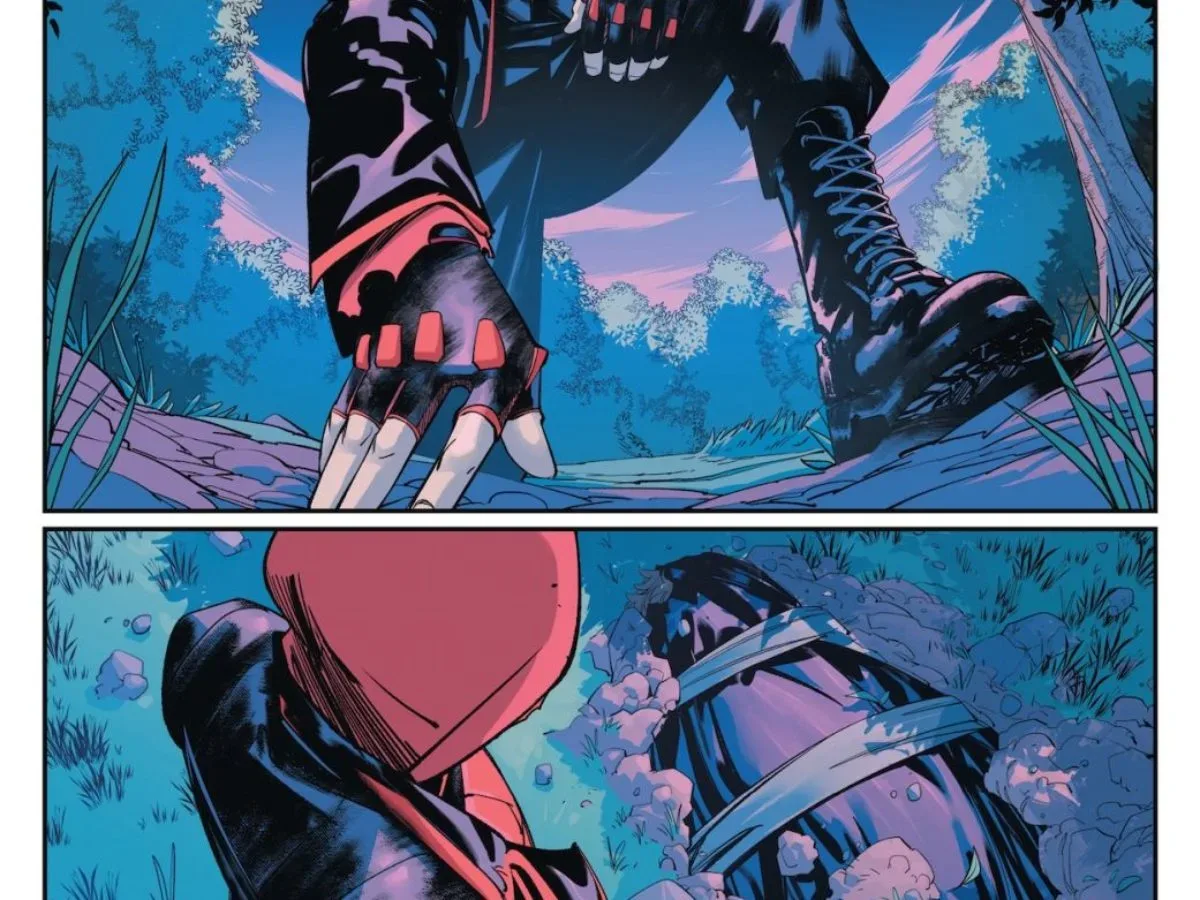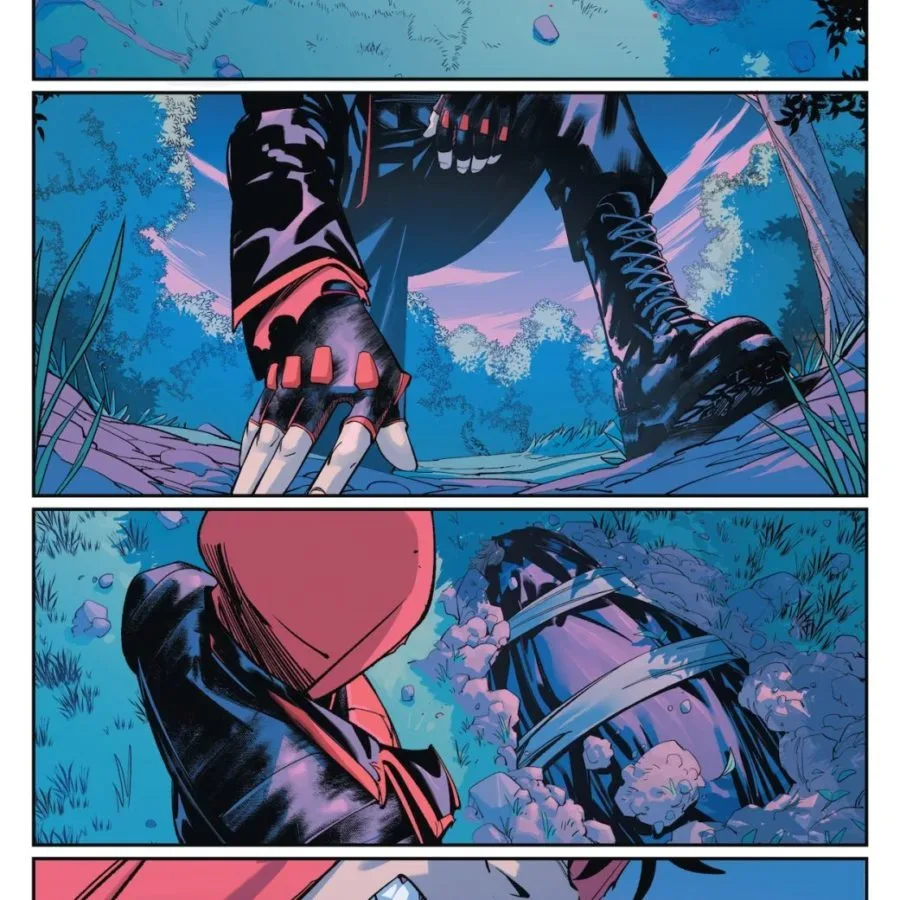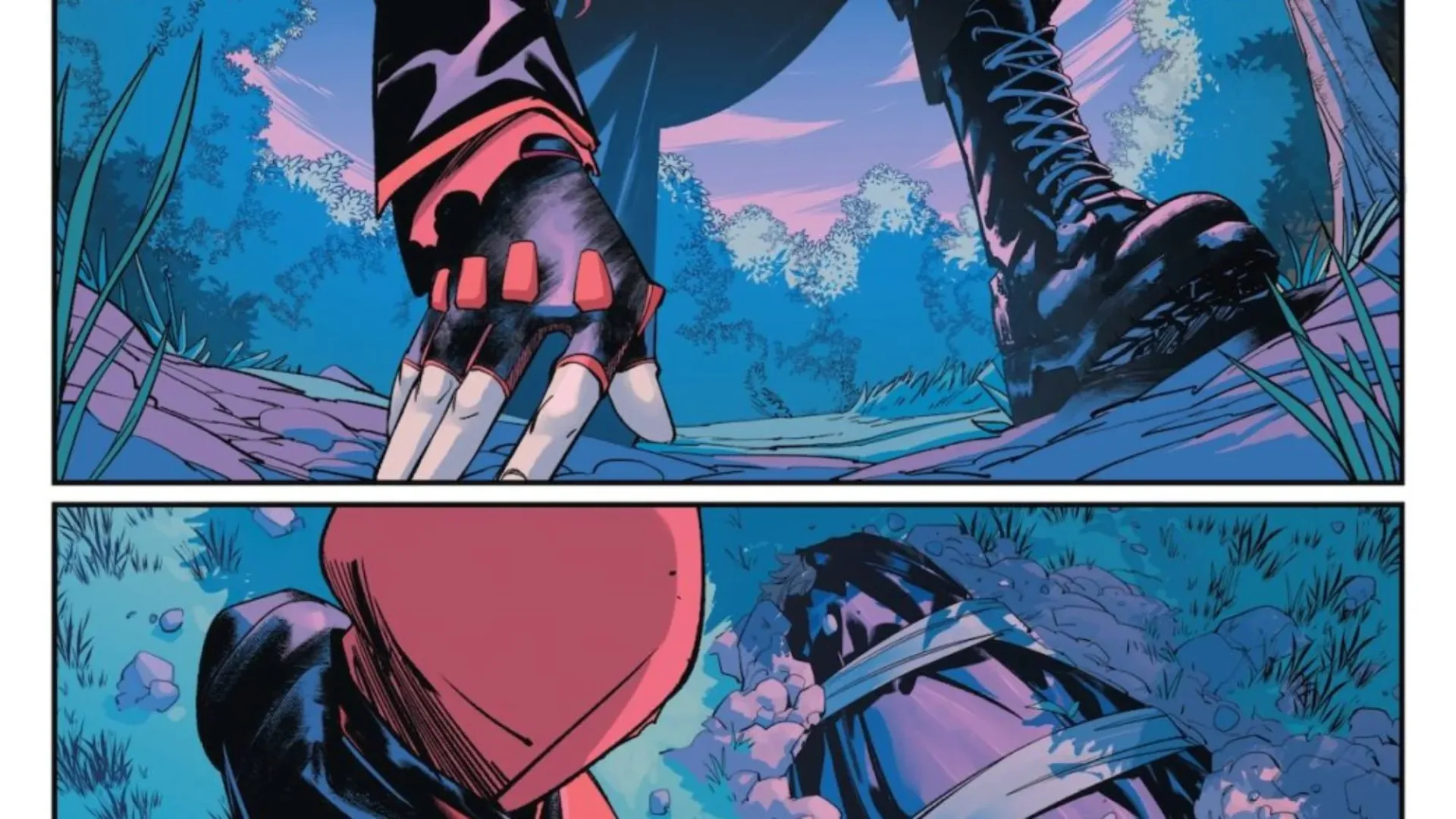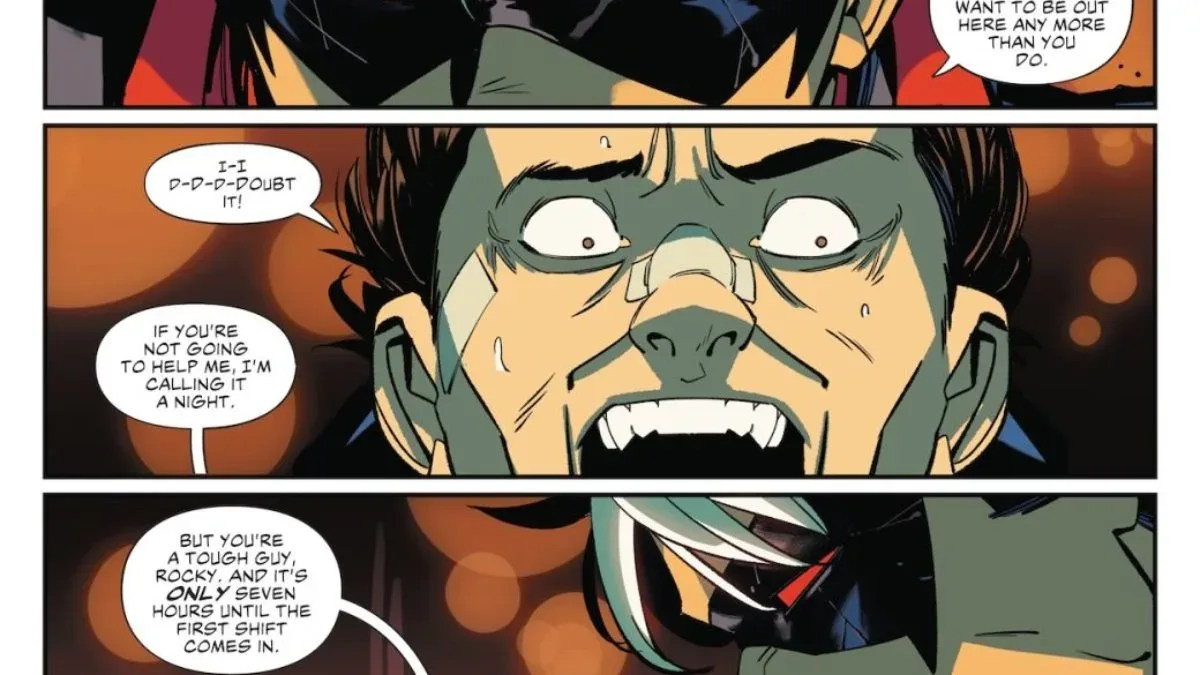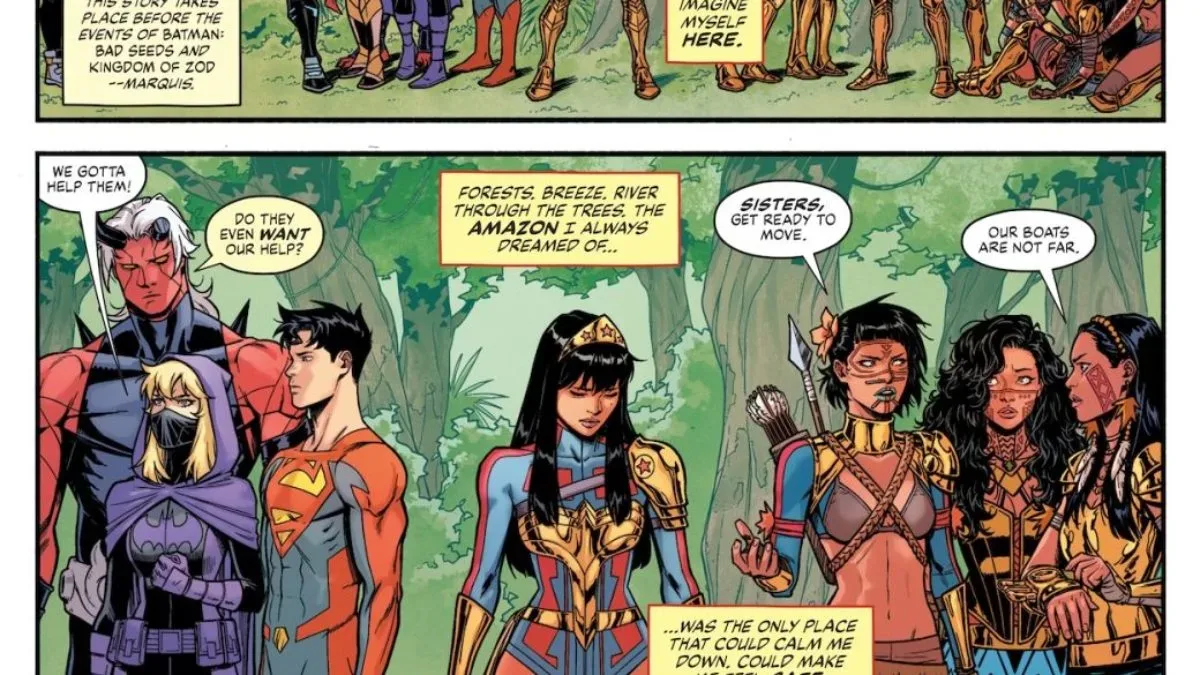
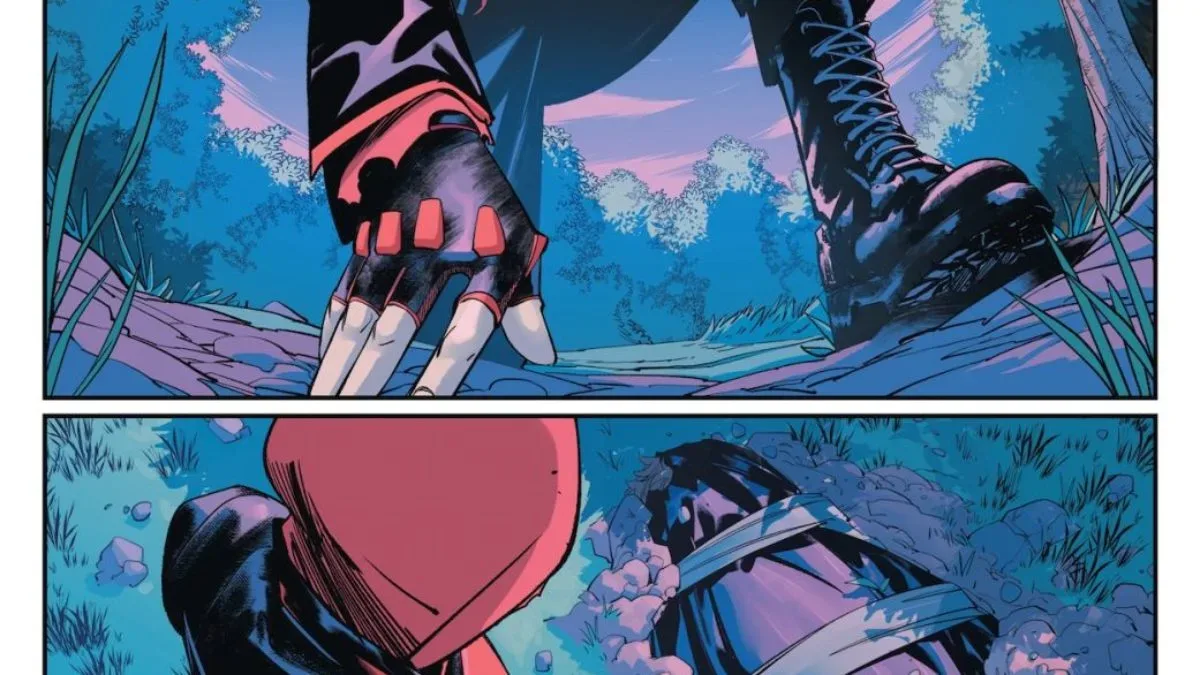
Teen Titans #3 is positioned as a pressure-point issue for DC’s newly reinvented team. The comic, written by Kyle Higgins and drawn by Daniele Di Nicuolo, is scheduled to reach shops on November 11, 2026. Its central crisis is immediate: Eugene Choi, a Teen Titan and former member of the Shazam family, has gone missing.
The solicitation does not frame Eugene’s absence as a routine team-up complication. He is now powerless, making the situation more precarious and placing him at the center of the mystery surrounding Ascend, the organization working to stop the Titans. At the same time, Red Hood’s ongoing search is said to reach a “devastating” conclusion, giving the issue two connected strands of danger: a missing young hero and a hunt that may end in bad news rather than a clean rescue.
Eugene Choi’s missing status changes the stakes
Eugene’s former association with the Shazam family is the key piece of character context provided for the issue. The important present-tense detail, however, is that he no longer has powers. In superhero comics, “powerless” is more than a label for a character’s abilities: it changes their options, their ability to escape physical threats and the degree to which allies can expect them to defend themselves.
That makes Eugene’s disappearance especially troubling for a book centered on teenage heroes. A Titan missing from the roster creates an emotional problem for the group, but a powerless former hero also introduces a practical imbalance. The person in danger has history with extraordinary power yet cannot rely on it now. The premise consequently puts attention on the team’s responsibility to one of its own rather than simply on a spectacular super-powered confrontation.
The solicitation asks whether Eugene’s disappearance could expose Ascend’s real objective. That wording establishes an unanswered question, not a confirmed reveal. What is clear is that Ascend is opposed to the Teen Titans and that this incident may offer the team a route to understanding the group better. Readers should not assume more about Ascend’s membership, resources or motives than the preview states. The issue’s apparent purpose is to move those questions forward.
Ascend is the mystery at the center of the issue
Ascend is described as an organization with a mission to stop the teen team. That creates a useful distinction between the book’s visible threat and its deeper story engine. The visible threat is Eugene’s disappearance; the deeper question is why it happened and what it says about the group behind it.
Comic solicitations frequently use a missing-person plot to introduce urgency while keeping the antagonist’s full plan hidden. Here, the language specifically points readers toward Ascend’s “true mission,” suggesting that its opposition to the Titans may not be the whole story. It does not establish what that mission is, whether Eugene was selected for a particular reason, or whether the Titans have misunderstood Ascend. Those remain story questions for the issue to address.
For readers picking up the series because of the new creative direction, #3 appears to be an accessible statement of the book’s immediate concerns: a vulnerable teammate, an enemy with unclear intentions and a group forced to investigate under pressure. The premise also keeps the spotlight on team dynamics. A missing Titan is not merely a clue for the heroes to solve; it is a crisis that can test how the remaining members act when one of their own cannot protect himself.
Red Hood’s search is promised a painful payoff
The other major element is Red Hood, whose search comes to a devastating end. That phrasing confirms a conclusion of some kind, but it deliberately does not explain what is discovered, who is involved or whether the result is final. “Devastating” signals consequences rather than victory, and it makes Red Hood’s thread an important counterweight to the wider mystery around Ascend.
The cover imagery described in the available material places Red Hood amid wanted posters, reinforcing the sense of a manhunt. Covers can establish tone and visual emphasis without spelling out plot specifics, but the combination of that imagery and the solicitation’s wording makes it reasonable to expect a search-driven storyline with an unhappy turn.
Red Hood’s involvement also gives the issue a second emotional register. Eugene’s situation concerns a young hero who is exposed and missing. Red Hood’s plotline is described as a search ending badly. Together, those beats suggest an installment concerned with the cost of trying to find people before it is too late. That is thematic interpretation, not a confirmation of events, but it follows the material’s emphasis on disappearance, pursuit and a difficult ending.
What “reinvent the Teen Titans” means here
The promotional copy bills Higgins and Di Nicuolo’s run as a reinvention of the Teen Titans. In this context, that phrase should be treated as a creative-positioning claim rather than a detailed explanation of continuity or format. The supplied information does not specify a new origin, lineup change, universe shift or relaunch structure.
What it does establish is a story built around present danger and uncertain alliances. Eugene’s altered status as a former Shazam family member without powers gives the book a character-specific vulnerability, while Ascend supplies an ongoing antagonistic force. Red Hood’s search provides another plot under strain. Those ingredients indicate a Teen Titans story that is not relying solely on the team’s name: it is using uncertainty around its members and enemies to define the issue.
Di Nicuolo is credited for both interior art and the main cover. The issue also has variant covers credited to Javi Fernandez, Francis Manapul and Travis Mercer. Variant covers are alternate cover designs for the same comic issue, typically offered as additional choices for readers and collectors; they do not mean separate story editions. The listed variants are priced at $4.99, while the standard issue has a suggested retail price of $3.99.
Release details and what readers can expect
- Title: Teen Titans #3
- Publisher: DC Comics
- Release date: November 11, 2026
- Writer: Kyle Higgins
- Artist and main cover artist: Daniele Di Nicuolo
- Standard suggested retail price: $3.99
- Variant cover artists: Javi Fernandez, Francis Manapul and Travis Mercer
- Listed variant price: $4.99 each
At this stage, the firmest expectations are straightforward. Eugene Choi’s disappearance will put a powerless former Shazam family member in jeopardy. The Titans’ investigation may yield important information about Ascend. And Red Hood’s search will arrive at a result characterized as devastating. The solicitation preserves the identities, explanations and exact consequences as spoilers, which leaves #3 to deliver the answers rather than previewing them.
For readers looking for more superhero-comics coverage beyond DC’s young-team drama, there is also a recent update on Spider-Noir and Ben Reilly. Teen Titans #3, meanwhile, has a more immediate question on its hands: what happened to Eugene Choi, and what will the answer reveal about Ascend?