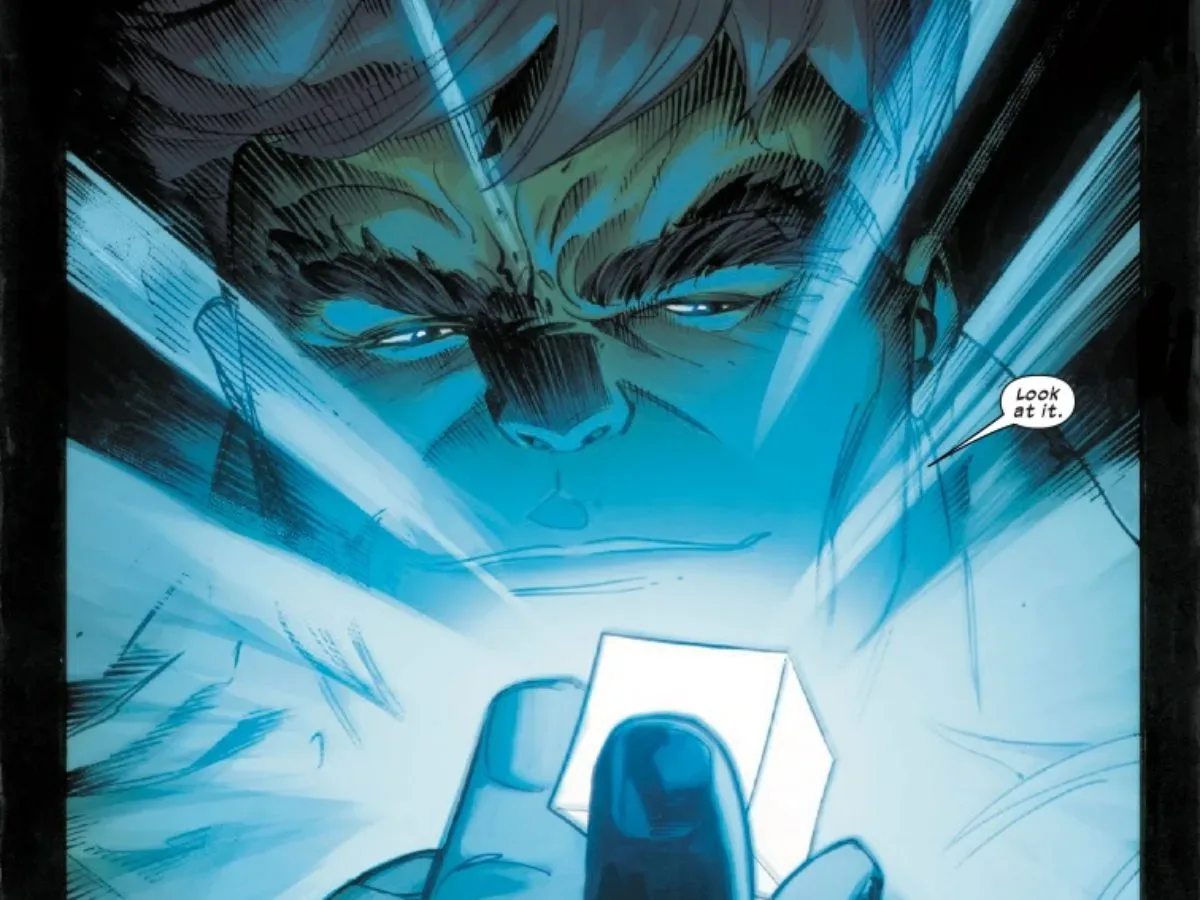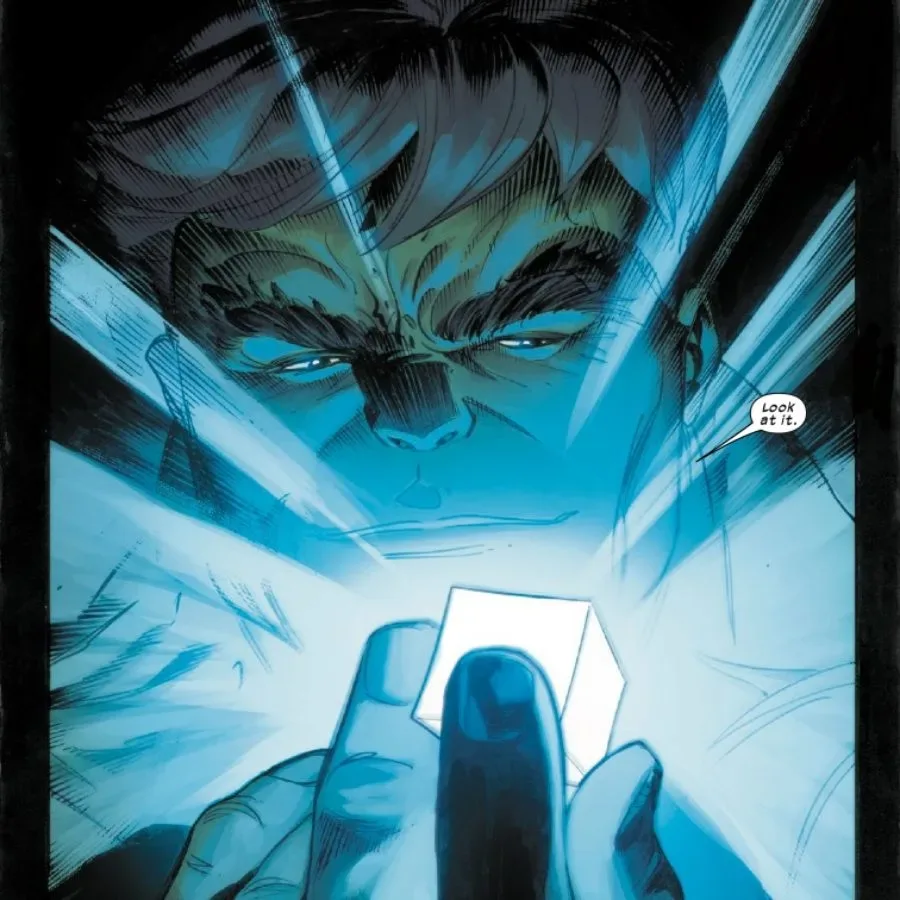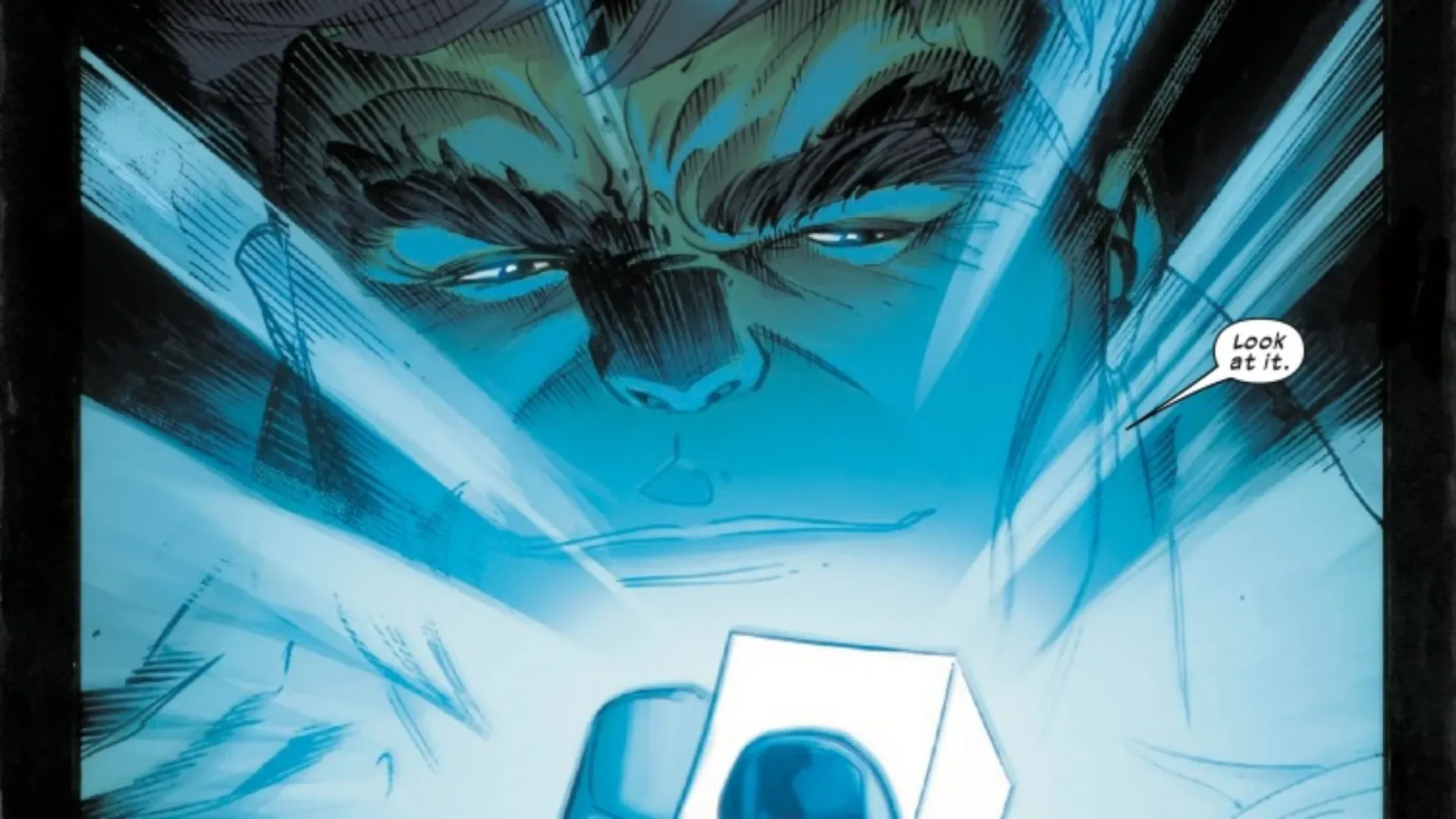
Spider-Man: Long Way Home #4 is framed as the point where a tense convergence becomes an all-out problem. Marvel’s solicitation describes three paths meeting in a knock-down, drag-out brawl involving Spider-Man, Hulk and the Punisher—and puts a larger question ahead of the usual survival stakes: when the dust clears, can the people involved still credibly call themselves heroes?
That is a useful hook for a superhero issue because it promises more than a simple power-ranking contest. Hulk, Spider-Man and the Punisher carry radically different ideas about force, responsibility and restraint. Putting them in one conflict creates the potential for action, certainly, but the solicitation’s language puts the moral consequences of that action at the center.
The 32-page, Rated T issue is listed for sale on November 11, 2026, at $5.99 in the US. Jonathan Hickman is credited as writer and Adam Kubert as artist, with Kubert also handling the main cover.
Three characters, three very different definitions of heroism
The announced trio matters because “hero” is not a neutral label for them. Spider-Man is the clearest conventional superhero in the setup: a character readers expect to intervene, protect people and seek a way through danger without making the situation worse. That does not mean he always succeeds, but it establishes an immediate tension when he is surrounded by combatants whose methods can be substantially more destructive.
Hulk introduces the most obvious physical imbalance. A fight containing Hulk is not merely a dispute between costumed figures; it is a situation where scale becomes part of the drama. The solicitation does not specify the setting, trigger or objective of the fight, so it would be premature to assume who starts it or what each character wants. Still, Hulk’s presence ensures that de-escalation is not an abstract ideal. It is likely to be a practical necessity for anyone who hopes to limit the damage.
The Punisher changes the tone in another direction. He is a vigilante, not a traditional team-oriented superhero, and his inclusion makes the solicitation’s closing question sharper. A story can call a violent encounter a clash of heroes when its participants share a broad protective mission. It becomes much harder to do so when one of the people involved is defined by a far more punitive approach. The issue’s premise appears built to make that discomfort part of the reading experience rather than an incidental detail.
Spider-Man may therefore function as the narrative pressure point. He is caught between unmatched strength and uncompromising vigilantism, while also being the character most associated with an ethical obligation to find another answer. That is analysis based on the configuration Marvel has announced, not a claim about events that have yet to be revealed.
What “free-for-all” means here
In comics marketing, a free-for-all generally means a conflict with no stable alliance or clean one-versus-one structure. The phrase suggests that every participant can become an obstacle to every other participant, whether they began with separate goals or not. In this case, the solicitation explicitly identifies a three-way brawl, so readers should not approach the issue expecting a neat Spider-Man-and-Hulk team-up against the Punisher, or any other settled arrangement.
That framing can serve several storytelling purposes:
- It sustains uncertainty. With three major figures in motion, an apparent advantage can quickly become a liability.
- It makes motivations matter. A fight becomes more interesting when readers must work out what each person believes they are preventing, retrieving or protecting.
- It raises the price of escalation. Even if one combatant can win physically, that does not settle whether their choices were justified.
- It supports an aftermath. The solicitation is concerned with what these figures are after the fight, not just who remains standing during it.
Marvel’s short description does not disclose a definitive winner, a full plot explanation or the consequences that follow. That restraint is important. Readers can reasonably expect conflict to dominate the issue, but they should treat any more detailed prediction—alliances, betrayals, character turns or resolution—as speculation until the comic itself provides it.
The hero question is the real selling point
The key line in the solicitation is not simply that the characters may not survive one another. It is that they may no longer be able to call themselves heroes once the fighting ends. That wording shifts the stakes from durability to judgment.
Superhero stories often put characters under a physical test: can they stop the threat, escape the trap or defeat the opponent? This issue’s stated premise points toward an ethical test instead. Winning may not be enough if the process requires choices that contradict a character’s self-image or harms the people they are meant to protect.
That distinction is particularly suited to this lineup. The concept of a hero can cover characters with wildly different codes, but it does not erase those differences. Spider-Man’s role alongside Hulk and the Punisher makes the word itself feel contested. Is heroism defined by intent, by methods, by the people saved, by the damage avoided, or by what someone refuses to do even under pressure? The issue’s advertised brawl offers a compact setting in which to push those questions.
There is also a structural advantage in making the moral stakes explicit. It gives the creative team room to make the confrontation feel consequential even before readers know the underlying details. A large fight can be visually spectacular; a fight that changes how participants see themselves has a reason to linger beyond the final blow.
Hickman and Kubert are the credited creative team
The issue is credited to writer Jonathan Hickman and artist Adam Kubert, with a cover by Kubert. For a solicitation centered on collision and escalation, those credits establish the core division of labor: the script determines why three incompatible figures have reached this point, while the art has to communicate the speed, force and shifting priorities of a three-cornered confrontation.
A comic-book fight is not just a sequence of impacts. Readers need to understand where characters are positioned, who is reacting to whom and when the emotional balance changes. That is especially relevant in a conflict involving Spider-Man’s mobility, Hulk’s raw power and the Punisher’s tactical presence. The solicitation does not provide scene-by-scene details, so it would be wrong to promise a specific visual approach. But the basic challenge is clear: a convincing free-for-all needs clarity as well as scale.
The series title, Long Way Home, adds a little thematic resonance without confirming plot mechanics. “Home” can suggest safety, belonging, a destination or a state one is trying to return to. Against a premise about characters possibly losing their claim to heroism, it can also imply that getting back to a familiar moral footing may be harder than simply leaving a fight alive. That is an interpretation of the title and solicitation language, not a revealed story detail.
Edition and variant details for comic buyers
The standard edition carries the product code 75960621579900411. It is listed at $5.99 US and $7.50 CAN. The listed physical specifications are 6.6 inches by 10.2 inches by 0.04 inches, with a stated weight of 2 ounces.
Three additional cover variants are listed at the same US and Canadian prices:
- Chris Allen 1:25 variant — product code 75960621579900416.
- David Marquez variant — product code 75960621579900421.
- Athila Fabbio variant — product code 75960621579900431.
The “1:25” notation on the Chris Allen edition is a retailer incentive ratio. In simple terms, it identifies a variant tied to a qualifying ordering ratio, rather than merely another standard cover option. The supplied listing does not say how individual shops will allocate or sell that cover, so interested readers should check directly with their preferred comic shop about orders and availability. The other two are identified as variants in the listing, but no comparable ratio is provided there.
For readers primarily interested in the story, the main question is straightforward: the listed standard issue is the core 32-page release. Variants are alternate editions distinguished by cover treatment in the supplied information; nothing in the available details indicates that they contain different story material.
Why this issue could be a turning point for the series
Issue #4 is described as continuing the series rather than launching a new arc, and the wording “the brawl of the century continues” indicates that the confrontation is already underway by the time this chapter begins. That makes it less of an introductory issue and more of an escalation point. New readers should be aware that the solicitation does not position it as a standalone recap or a fresh starting line.
Even so, the premise is immediately legible. Spider-Man, Hulk and the Punisher are in conflict; none is guaranteed a clean moral exit; and the creative team is treating the result as more important than a scoreboard. That is a clear invitation for readers who enjoy superhero stories where a crossover-style clash doubles as an examination of the characters involved.
It is also a welcome reminder that a huge superhero brawl does not have to be reduced to who hits hardest. Hulk naturally supplies the immense-force side of the equation, the Punisher adds an adversarial and tactical edge, and Spider-Man places responsibility in the middle of it all. If Spider-Man: Long Way Home #4 delivers on the tension outlined in its solicitation, the real impact may come from what the trio has to answer for afterward.
For more pop-culture discussion around the uneasy meeting point of creativity and AI, see this look at Jesse Eisenberg’s comments on testing AI writing.