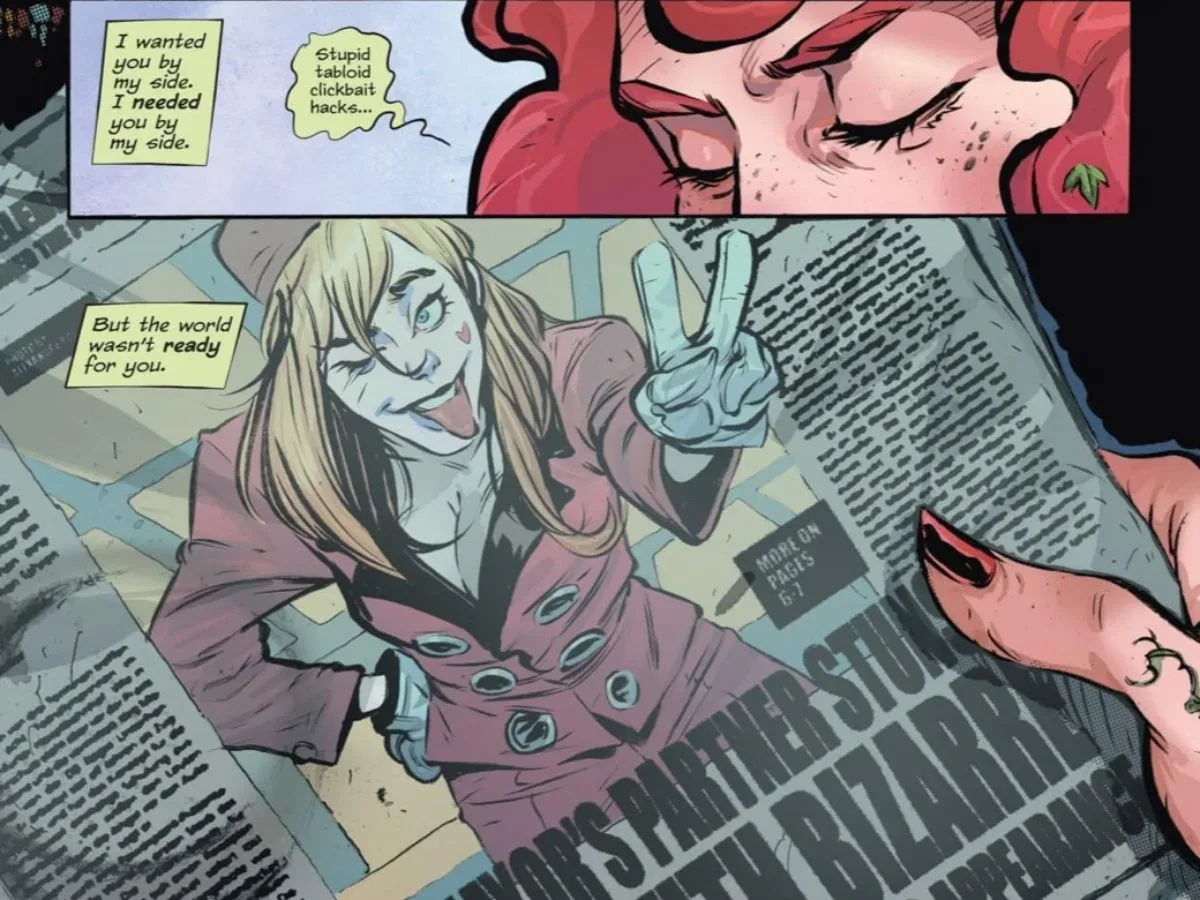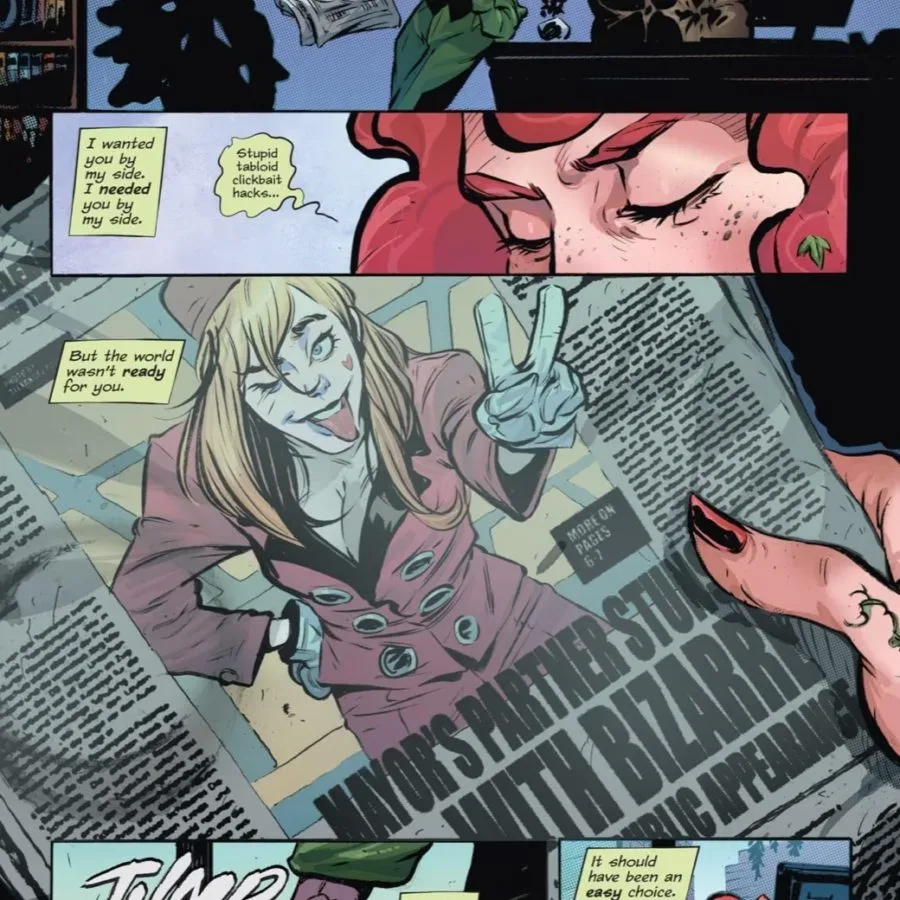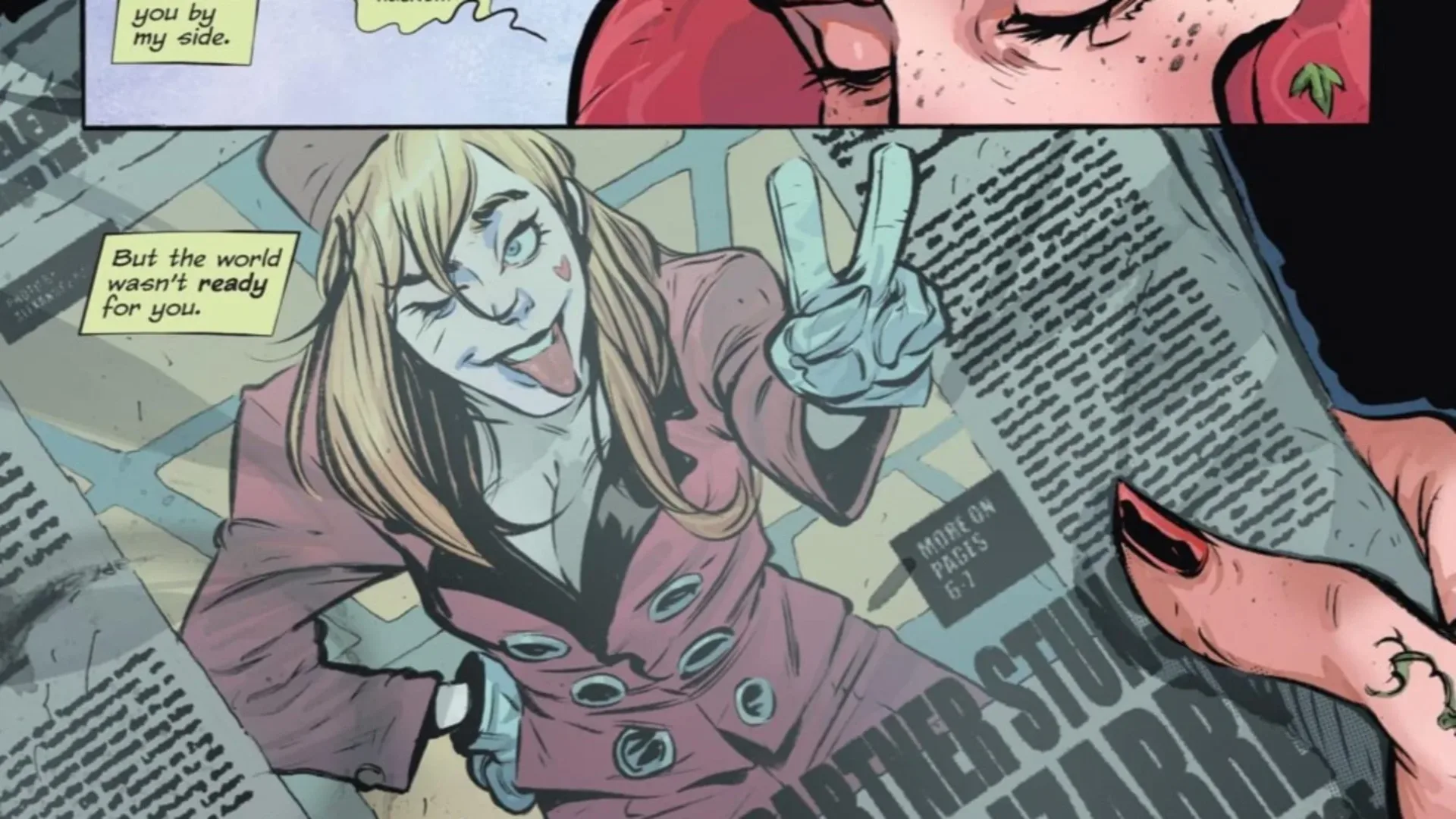
Poison Ivy #49 is set to arrive in comic shops on Wednesday, October 28, 2026, with Pamela Isley facing an unusually direct survival problem. The penultimate installment of the Bad Seeds saga removes Poison Ivy’s powers and leaves her trapped in Gotham City, where she is also considered public enemy number one.
It is a clean, high-pressure premise for a character so often defined by her exceptional connection to plant life. The stated question is equally stark: can Pamela get out of Gotham alive, or has the story pushed her to a permanent ending? With only one issue remaining in the arc after this chapter, the setup suggests that #49 is intended to make the consequences of recent events impossible to sidestep.
A Gotham escape story with Poison Ivy at her most vulnerable
The official setup describes a reversal in Pamela’s circumstances. Things had appeared to be going well for her, but the situation has changed rapidly. She now has no powers, no easy route out of the city, and no benefit of doubt from the people around her.
“Stripped of her powers” is the important phrase here. In superhero comics, a power loss is more than a reduction in combat options. It can alter how a protagonist moves through the world, how other characters perceive them, and what kinds of decisions they can realistically make. For Poison Ivy, whose identity is closely connected with vegetation and the natural world, the loss carries particular dramatic weight even before the issue specifies its precise cause or duration.
That does not automatically mean the character is helpless. It means the usual assumptions surrounding her are no longer reliable. Readers should expect the issue’s central tension to come from Pamela navigating a hostile city without the advantage that typically makes her such a formidable presence.
Gotham compounds that pressure. The city is not presented here as a neutral setting or a place Pamela can simply disappear into; she is trapped there while carrying the label of public enemy number one. That designation turns an escape problem into a pursuit problem. Every move can potentially bring her closer to capture, confrontation, or a dead end.
What “penultimate chapter” means for Bad Seeds
A penultimate chapter is the chapter immediately before a storyline’s finale. It commonly performs a specific structural job: it tightens the conflict, clarifies what the lead character stands to lose, and positions the cast for the final resolution. In this case, the solicitation makes the stakes unmistakably personal—Pamela’s life, freedom, and possibly her future as Poison Ivy are all in question.
That designation is useful context for readers following Bad Seeds. Issue #49 is not described as a standalone epilogue or a detour. It is a late-stage turning point in an ongoing story, arriving just before the concluding chapter. The power loss and the trap in Gotham therefore read as immediate plot conditions rather than broad promises about every future Poison Ivy appearance.
There is still substantial uncertainty. The available description does not reveal who is responsible for Pamela’s predicament, how she lost her powers, whether an ally is available, or what form an escape might take. It also does not establish that the apparent threat of a permanent end will be carried out. Those unanswered points are the hook, not confirmed outcomes.
Why the premise changes the character’s usual equation
Poison Ivy stories can draw tension from many sources: ideology, relationships, ecological conflict, Gotham’s wider dangers, and the enormous scale of her abilities. Poison Ivy #49 foregrounds limitation instead. Once Pamela is cut off from her powers, the question becomes less about how much force she can bring to bear and more about what she can do when force is no longer a dependable answer.
That is a meaningful shift for a serial comic protagonist. Superpowers frequently function as both an action tool and a narrative shorthand; they tell readers what a character can influence in a scene. Taking them away forces a story to establish new boundaries. A locked-down city becomes more intimidating. Being identified as a public enemy becomes more dangerous. Decisions that might otherwise be merely difficult can become existential.
The issue’s premise also allows the series to focus on Pamela herself rather than only on the scale of a threat. The solicitation frames her status in personal terms: she is trapped, targeted, and potentially facing her end. Whether the chapter answers those pressures through stealth, alliances, confrontation, or another route is not disclosed, but the situation places character judgment at the center.
The creative team and editions
G. Willow Wilson is credited as writer, with Alex Lins on interior art and Jessica Fong credited for the main cover. The issue has a listed standard retail price of $3.99.
Three named variant-cover editions are also listed at $4.99 each:
- Noobovich cover
- Dan Mora cover
- Manny Vincent Carbonilla cover
Variant covers are alternate cover artworks for the same numbered comic issue. They give readers and collectors a choice of presentation without indicating separate chapters of the story. The available listing identifies the covers and their prices, but does not provide further detail on their artwork, print quantities, or retailer availability.
For readers who keep up with DC’s broader comics line, another recent DC-focused story looks at a separate project involving Absolute Batman and Darkseid. That is distinct from Pamela’s crisis in Poison Ivy #49, but it offers additional context for readers watching the publisher’s current superhero output.
What is confirmed—and what remains deliberately unanswered
The confirmed details are relatively focused:
- Poison Ivy #49 is scheduled for October 28, 2026.
- It is the penultimate chapter of Bad Seeds.
- Pamela Isley has been stripped of her powers.
- She is trapped in Gotham City.
- She is regarded as public enemy number one.
- The central immediate question is whether she can escape Gotham alive.
Everything beyond those points should remain speculation. The solicitation does not confirm a death, an escape, a restoration of powers, or a specific villain’s involvement. It does not detail the prior events that made Pamela a public enemy or identify the exact nature of the threat closing in around her. Keeping those distinctions clear matters in a penultimate issue, where the marketing language is designed to heighten uncertainty ahead of a finale.
What to watch for in issue #49
Readers picking up the issue can reasonably watch for three things. First is the practical effect of Pamela’s power loss: whether it changes only her ability to fight or also changes her connection to the world that normally defines Poison Ivy. Second is Gotham’s response to her public-enemy status, since that label implies danger beyond a single opponent. Third is the endpoint that #49 establishes for the final chapter of Bad Seeds.
The strongest appeal of this setup is its economy. The story does not need an elaborate premise to generate stakes. A powerful character is powerless. She cannot leave the city. The city wants her stopped. And the arc has only one chapter left after this one to resolve the crisis.
Poison Ivy #49 is therefore positioned as a pressure-cooker installment: a late-arc Gotham survival story that tests what remains when Pamela Isley loses the ability most associated with her name. It reaches comic shops October 28, 2026, with a $3.99 standard edition and listed $4.99 variant-cover editions.