Miles Morales: Spider-Man #2 is scheduled to go on sale September 23, 2026, and its central conflict is intensely personal: a new villain called Revenant is pursuing revenge against Miles’ father, Jeff Morales. The 32-page Marvel issue places Miles in the path of that vendetta, turning an unresolved chapter from Jeff’s past as a S.H.I.E.L.D. agent into an immediate threat for Spider-Man.
Bryan Hill writes the issue, with art by Nico Leon and colors by Val de Landro. Simone Di Meo provides the main cover. The premise frames the story around “sins of the father,” a familiar superhero-comics setup that gains its tension from a crucial question: what should a hero do when the danger comes not from their own choices, but from a parent’s past?
Revenant brings Jeff Morales’ past to the present
Revenant is described as a super-villain from Jeff Morales’ past, driven by vengeance against the former S.H.I.E.L.D. agent. S.H.I.E.L.D., in Marvel’s fictional setting, is a security and espionage organization often associated with covert operations and the long consequences of classified work. In this case, that background is not merely color for Jeff’s history. It is the foundation of the conflict confronting Miles.
The issue’s setup says Revenant’s plan did not account for Spider-Man, but that does not mean Miles has an easy advantage. The stated challenge is that Revenant has a counter for every one of Miles’ moves and powers. That wording establishes the antagonist as more than a powerful physical obstacle. The fight is meant to test Miles’ ability to adapt when his established toolkit cannot simply solve the problem.
For a Spider-Man story, that distinction matters. A villain who can withstand or anticipate an attack forces the hero to reassess the situation rather than simply escalate the same approach. It also shifts attention toward the reason Miles is involved at all: Revenant’s conflict is with Jeff, while Miles becomes leverage and an obstacle.
What the issue appears poised to explore
The solicitation raises another major thread by asking what led to Grendel’s downfall and what role Jeff played in it. The material does not spell out those events, so readers should treat the specific connection between Grendel, Revenant and Jeff as a mystery for the comic to unpack rather than as settled background.
That uncertainty is a notable part of the pitch. “Tragic downfall” suggests the story intends to provide more than a simple revenge motive. A villain’s grievance can be straightforward; a tragedy implies a chain of choices, failures or losses that may complicate the reader’s understanding of the people involved. Whether that complexity changes how Miles views his father is an open question going into issue #2.
It also puts Jeff Morales at the center of the narrative without making him the costumed protagonist. Miles is the one who must survive the immediate confrontation, but the issue’s advertised emotional pressure comes from the history he has inherited. That is the practical meaning of the title concept: old actions create present-day consequences, and those consequences can reach people who were never responsible for the original events.
A fight designed around Miles’ limitations
The phrase “counter for every move and power” is deliberately broad, and the available details do not identify exactly how Revenant does it. Still, it signals that the issue is structured around a tactical mismatch. Miles is not merely facing a foe who can take a hit; he is facing one whose preparation or abilities seemingly negate his normal advantages.
That is a useful engine for a second issue. It gives the creative team a way to demonstrate the stakes early while preserving the larger mystery around Jeff’s S.H.I.E.L.D. history. A confrontation can show Revenant’s threat level, while flashbacks and revelations can gradually explain why the villain is targeting the Morales family.
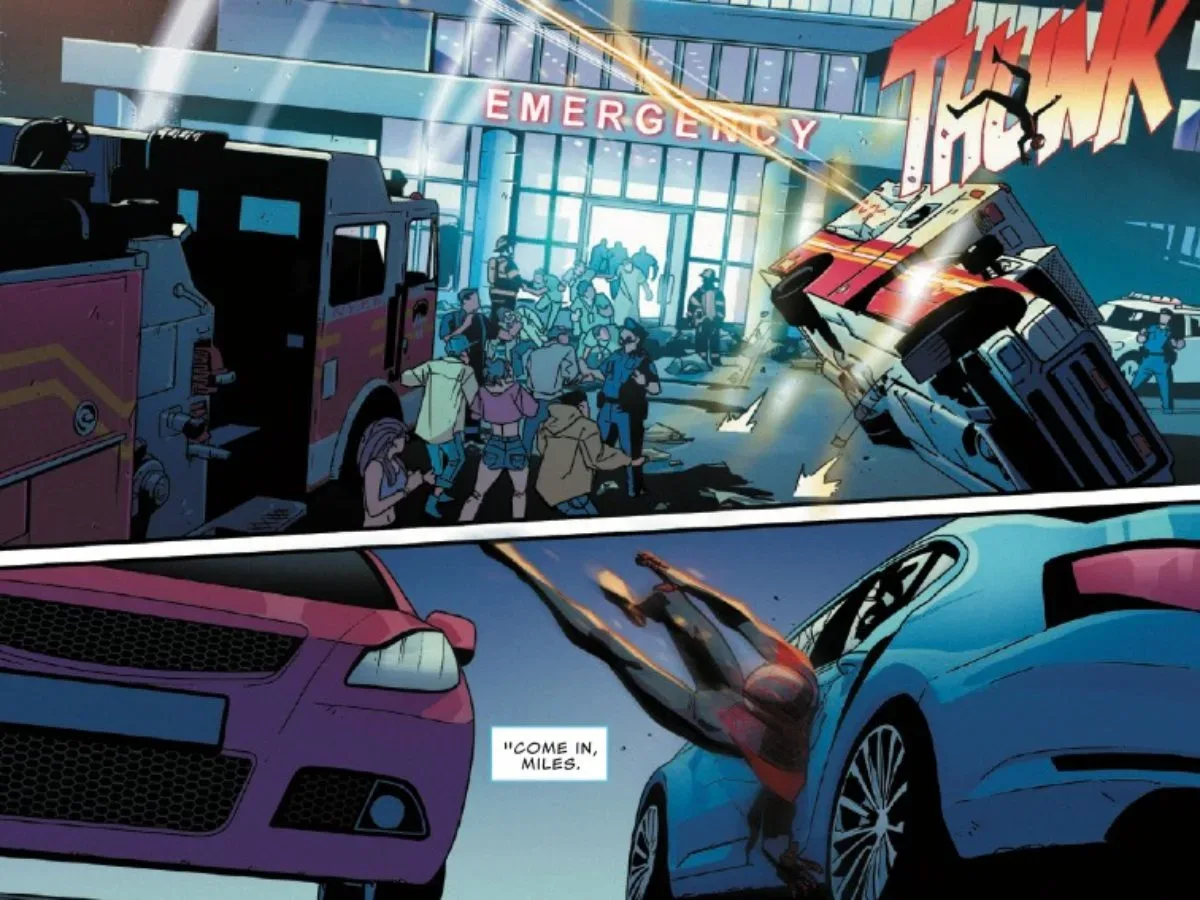
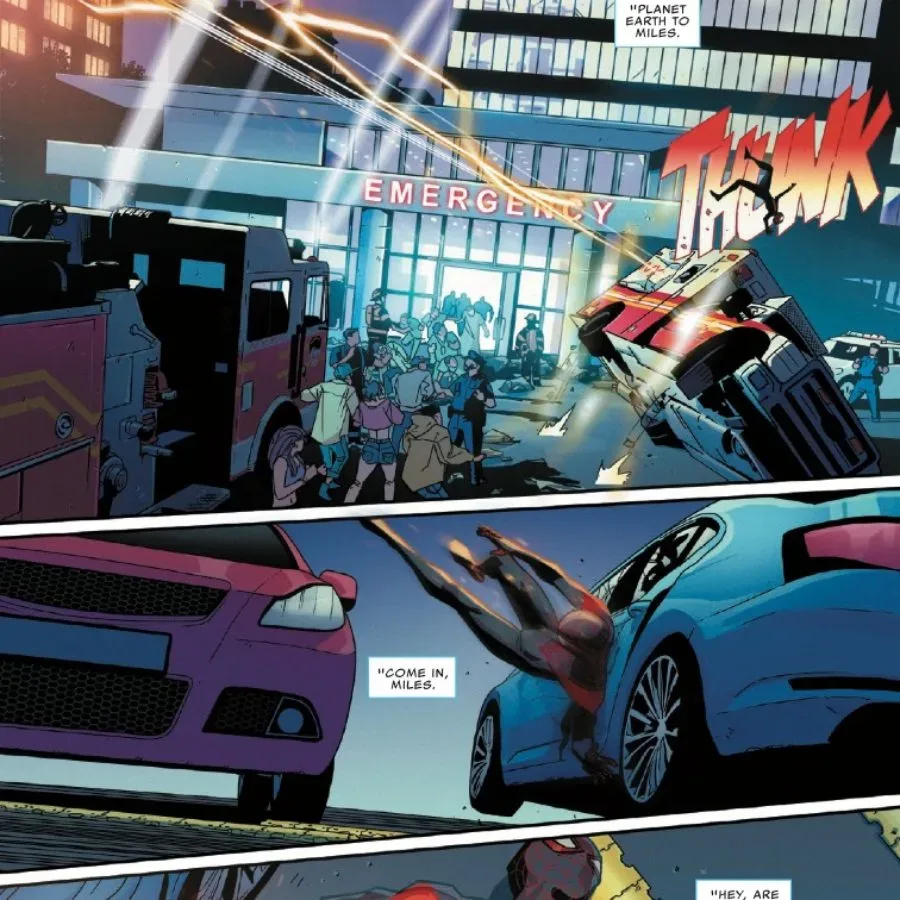
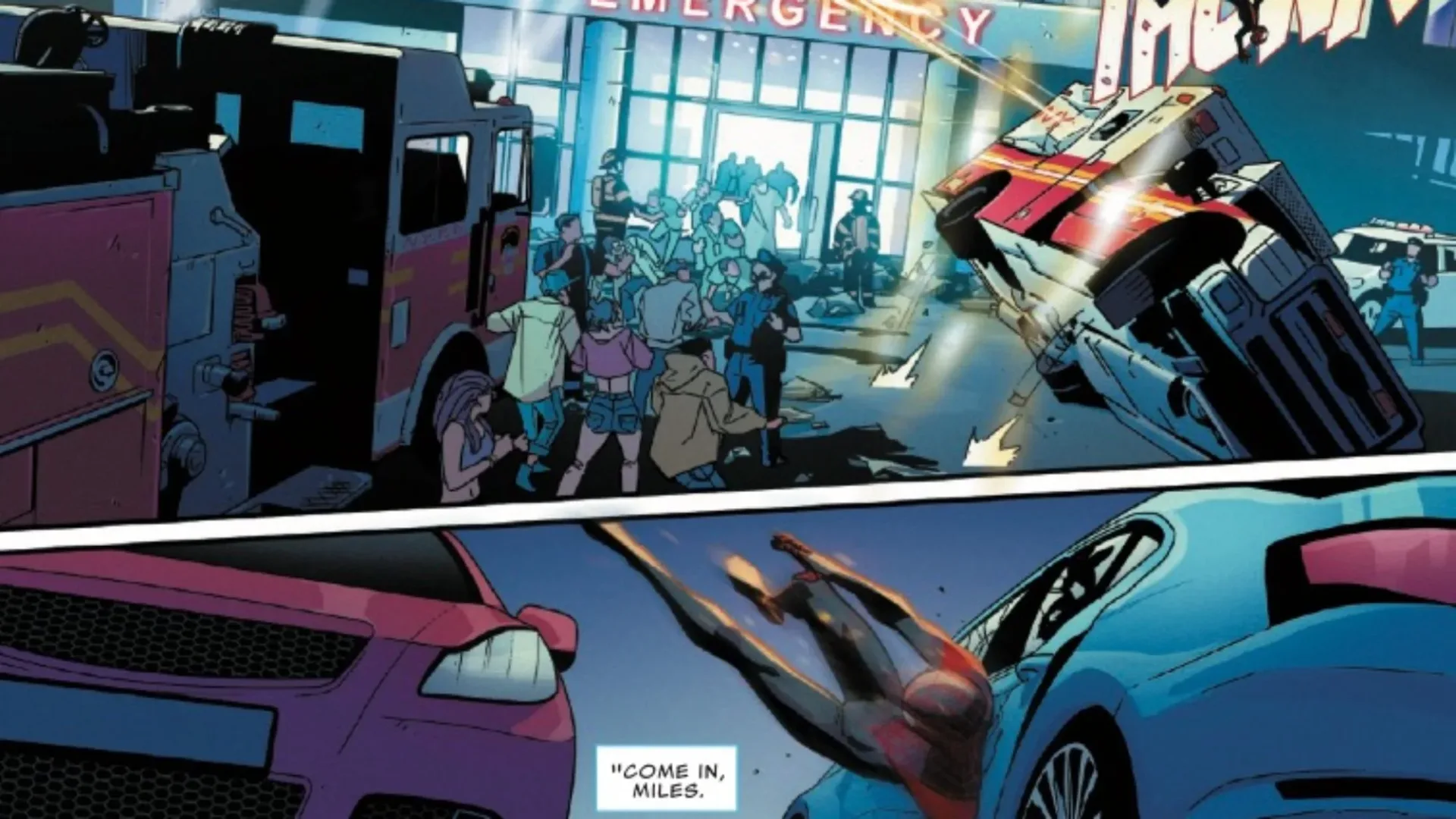
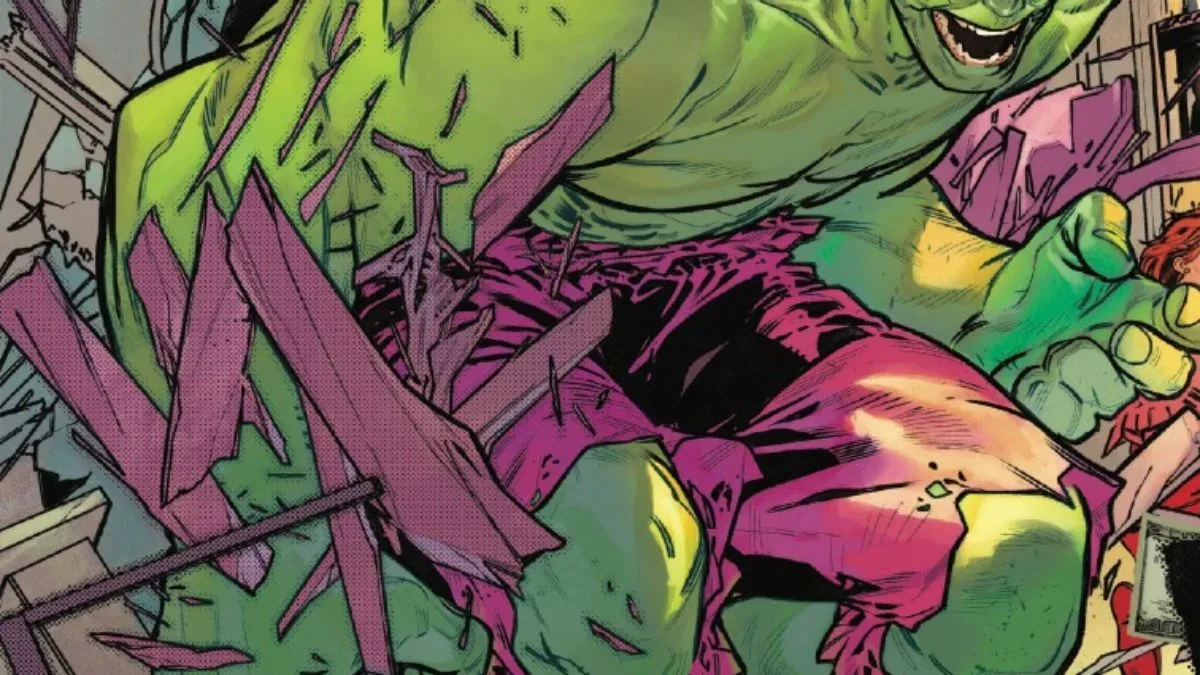
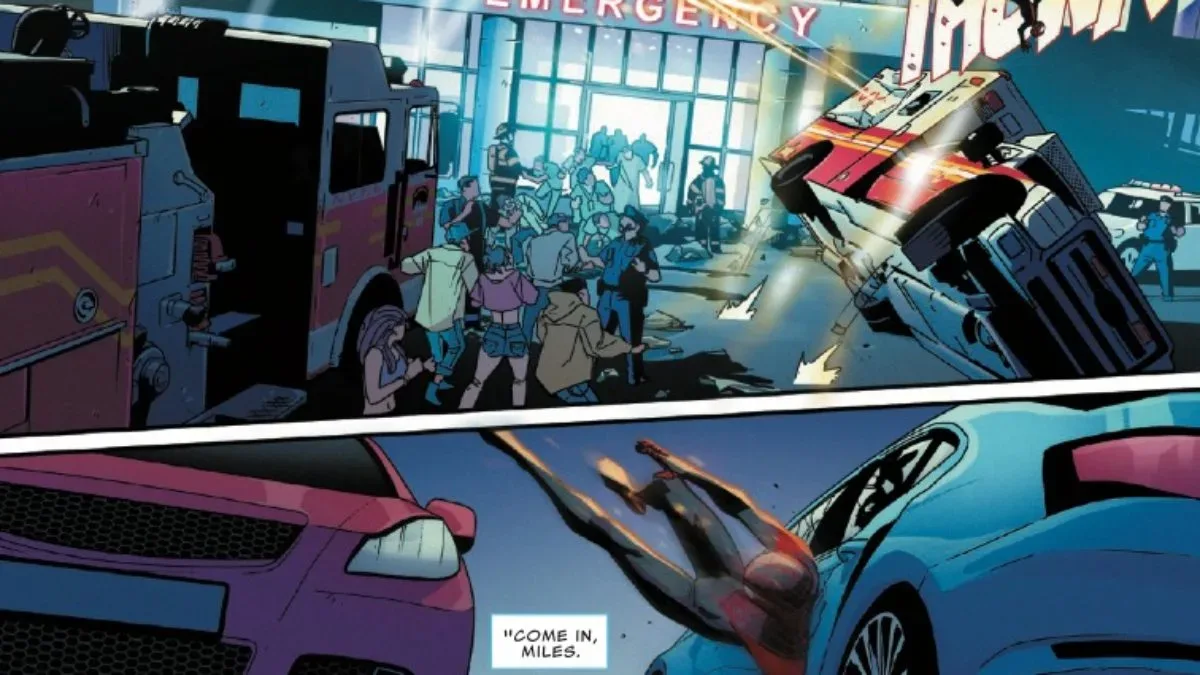
The solicit material also points to destructive action in the opening conflict, with Miles being thrown through parked cars as Revenant attacks. The image supports the pitch of a villain who can overwhelm Spider-Man physically, but the more important story question remains how Miles changes his approach once the expected answers fail.
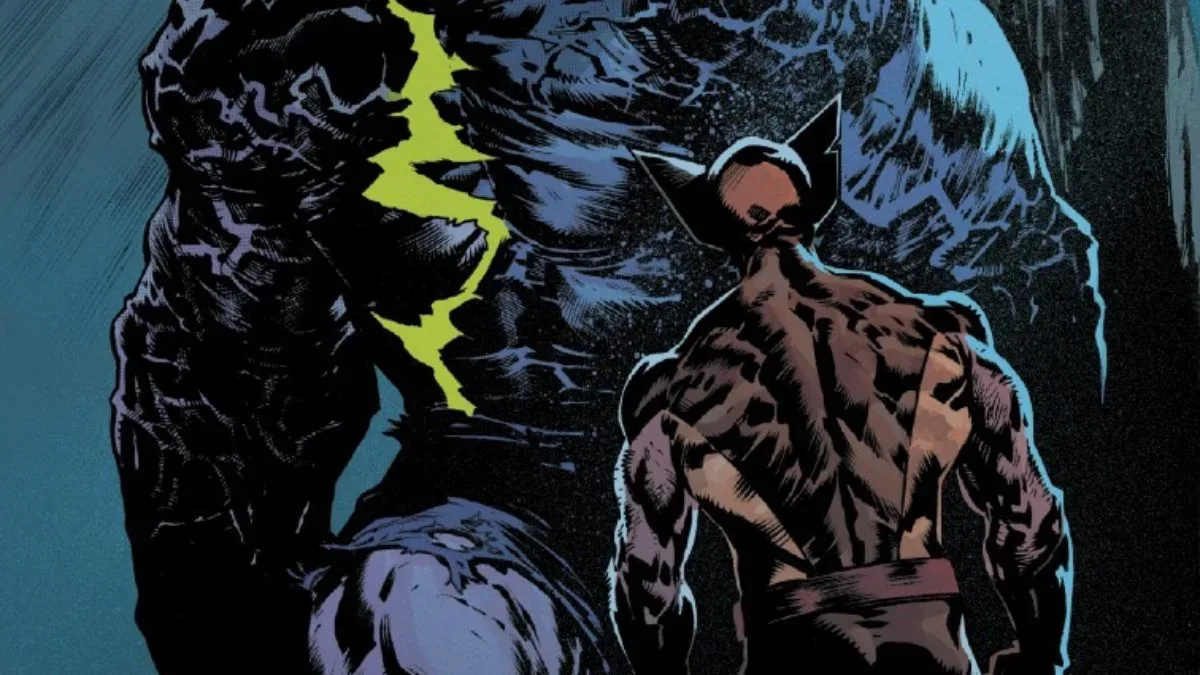
Readers following Marvel’s wider line of hero-versus-heroic-rescue missions can also see a separate upcoming example in Infernal Hulk vs. Wolverine #1’s mutant rescue setup. The Miles Morales issue, however, is focused less on a broad rescue objective than on the intimate fallout of a family secret and the person who believes Jeff must answer for it.
Creative team and edition details
Miles Morales: Spider-Man #2 credits Bryan Hill as writer, Nico Leon as artist and Val de Landro as colorist, with a cover by Simone Di Meo. It is rated T and carries a US cover price of $4.99, with a listed Canadian price of $6.25.
Marvel has also listed several variant editions, all at the same stated US and Canadian prices:
- Netho Diaz variant
- Cafu virgin variant
- Taurin Clarke Muppets variant
- Cafu variant
- Sara Pichelli variant
- Nico Leon Tokon: Fighting Souls Battle variant
A “virgin variant” generally refers to a cover treatment without the usual trade dress elements such as the title logo, issue number and barcode on the front artwork. It is a cover-format designation, not an indication of different story content. Likewise, the listed variants identify alternative cover art; the supplied publication information does not indicate that they contain different interiors.
Why the father-son angle is the real hook
Superhero stories often make a villain’s plan personal by threatening someone close to the protagonist. This issue reverses the emphasis slightly. The threat is personal because the enemy’s original grievance belongs to Jeff Morales, while the action lands on Miles. That leaves room for two parallel pressures: Miles must confront a highly prepared adversary, and Jeff must confront whatever his past actions set in motion.
The solicitation does not establish Jeff’s culpability, the nature of Grendel’s tragedy or Revenant’s full history. Those unanswered details are precisely what make the premise work as a continuing-story hook. Readers know the emotional fault line, but not yet which side of the history will prove most persuasive—or whether the situation can be reduced to a single person being right or wrong.
For now, the concrete picture is clear: Revenant wants vengeance against Jeff Morales; Spider-Man has become central to that mission; and Miles will need something beyond his usual moves when facing an enemy built to answer them. Miles Morales: Spider-Man #2 is due September 23, 2026.