Marc Spector: Moon Knight #9 arrives October 21, 2026, with Moon Knight facing the cost of a drastic attempt to save the people around him. The central hook is not simply that a supernatural threat is escalating: it is that his own decision has apparently made matters worse for the newly forged Midnight Sons.
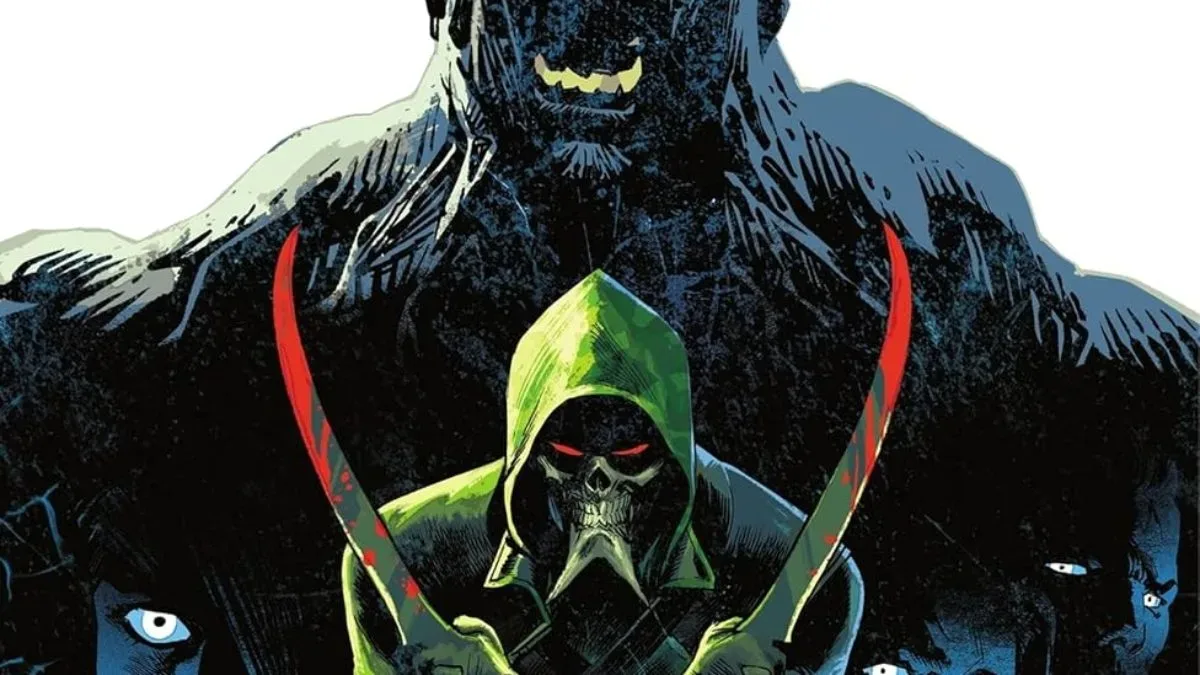
The issue is written by Jed MacKay, illustrated by Devmalya Pramanik, and has a main cover by Jose Luis Soares. Marvel’s premise labels the storyline development “The Fall of the House of Monsters,” framing the Mansion Ravenous as both a setting under attack and a symbol of a team arrangement that may be coming apart.
A rescue with consequences
The available setup is deliberately blunt about Moon Knight’s role in the crisis. Marc Spector has made what is described as a bold but terrible gamble to save his allies, and the bill for that decision is now due. That wording matters. It does not present the team merely as victims of an outside force; it makes Moon Knight’s judgment a major source of the immediate conflict.
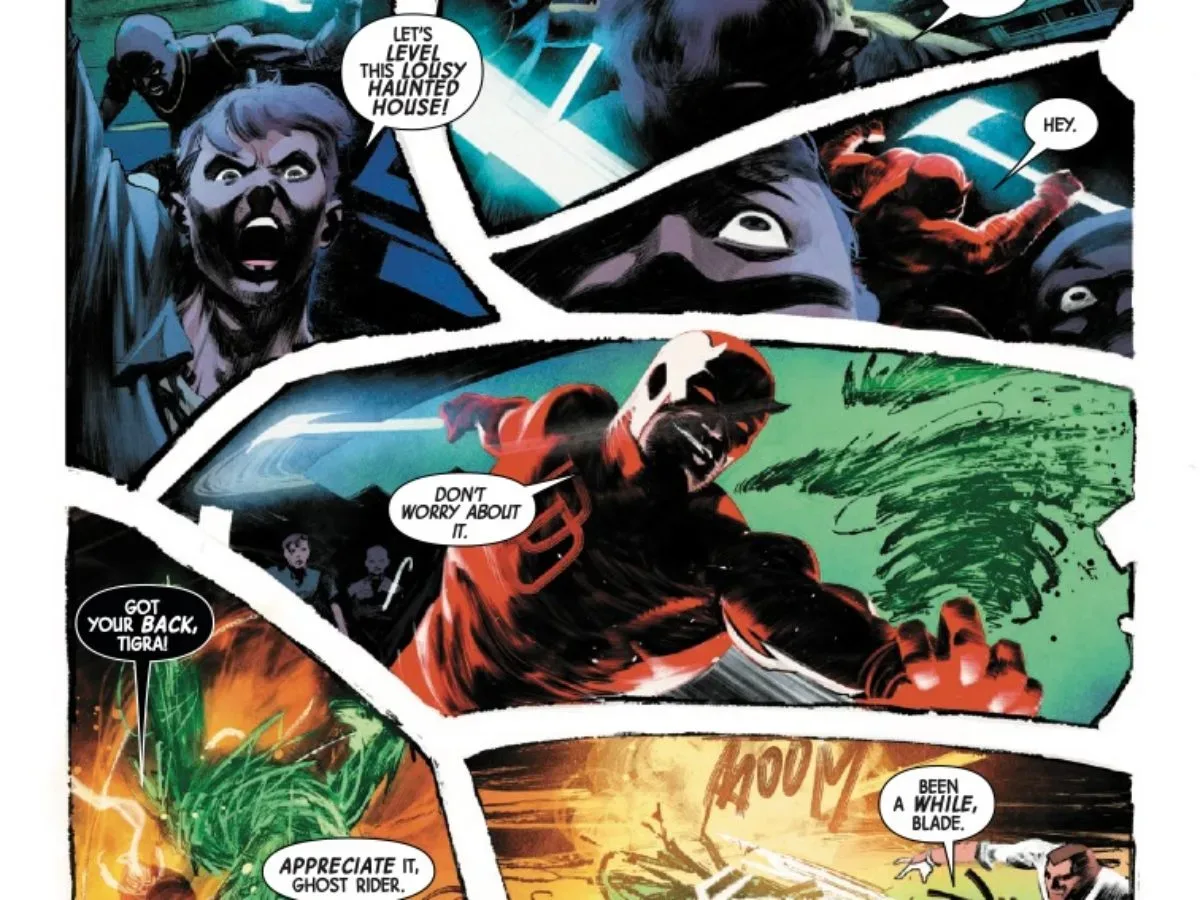
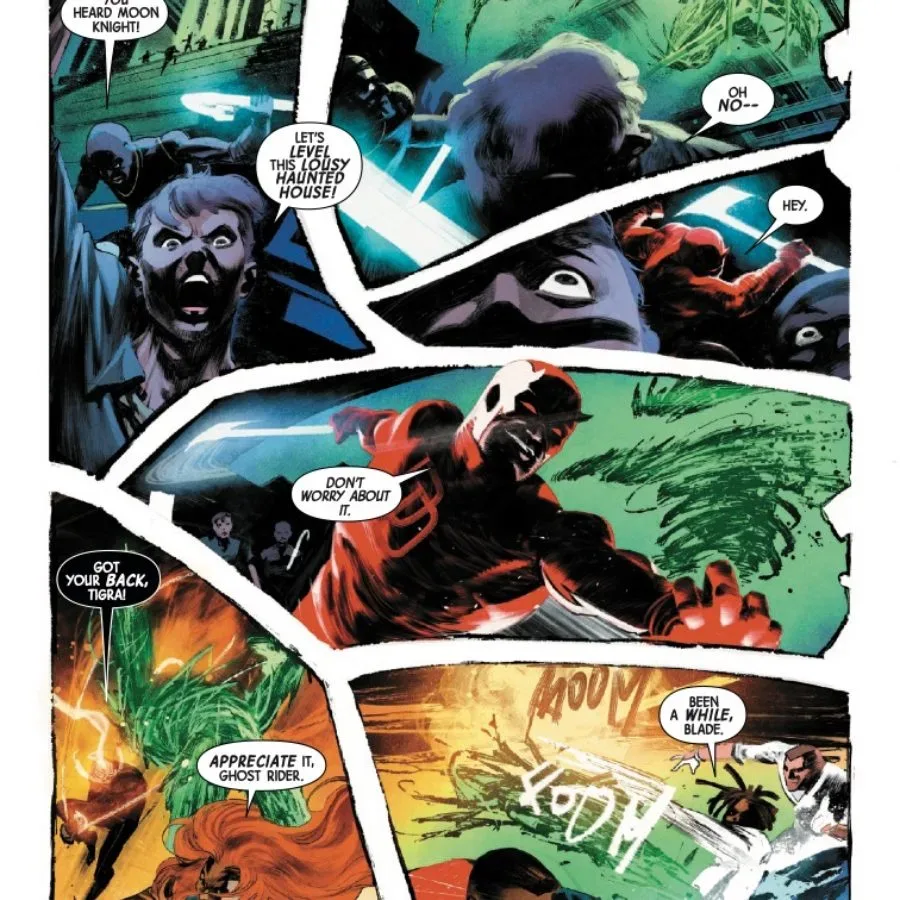
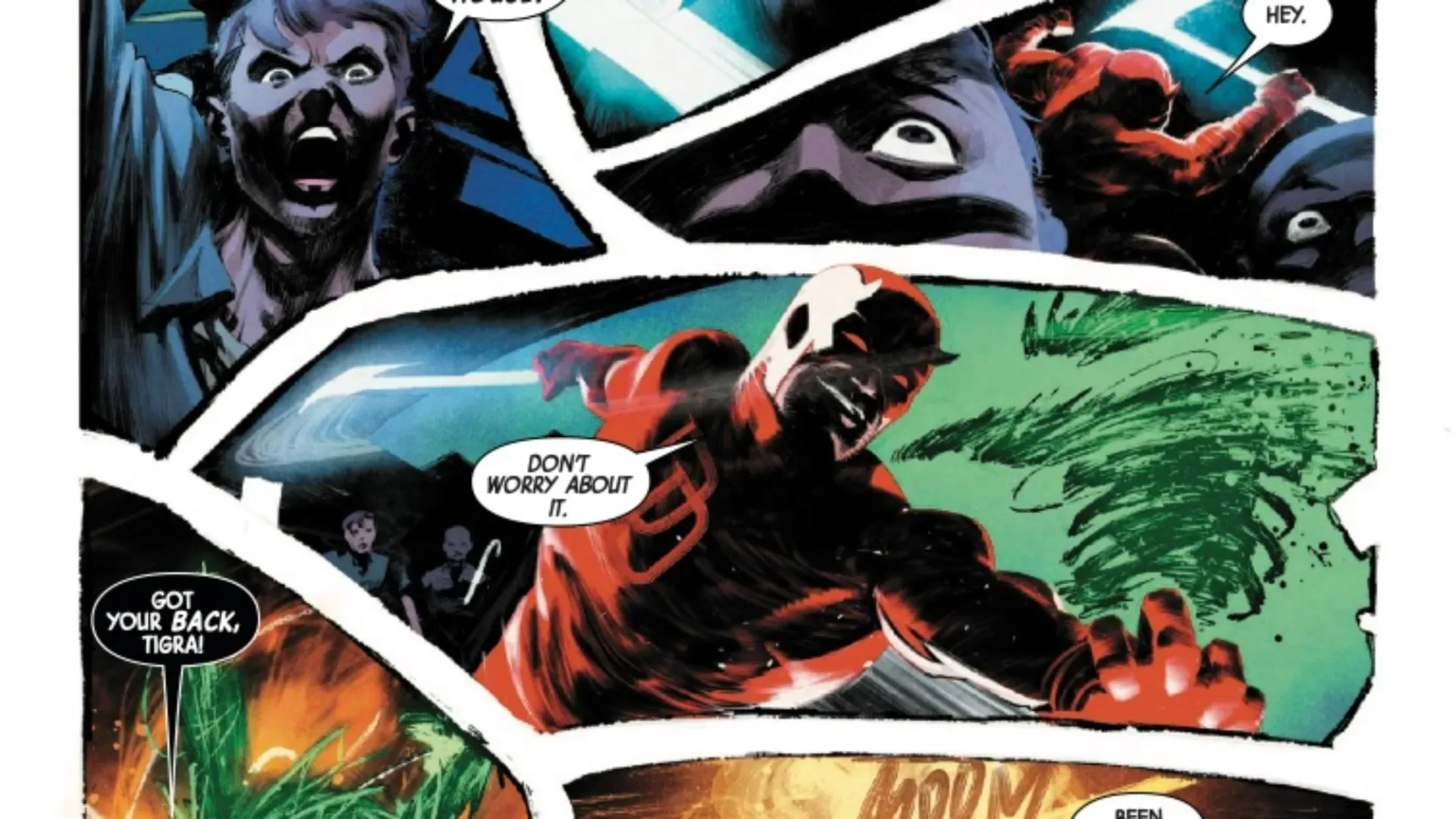
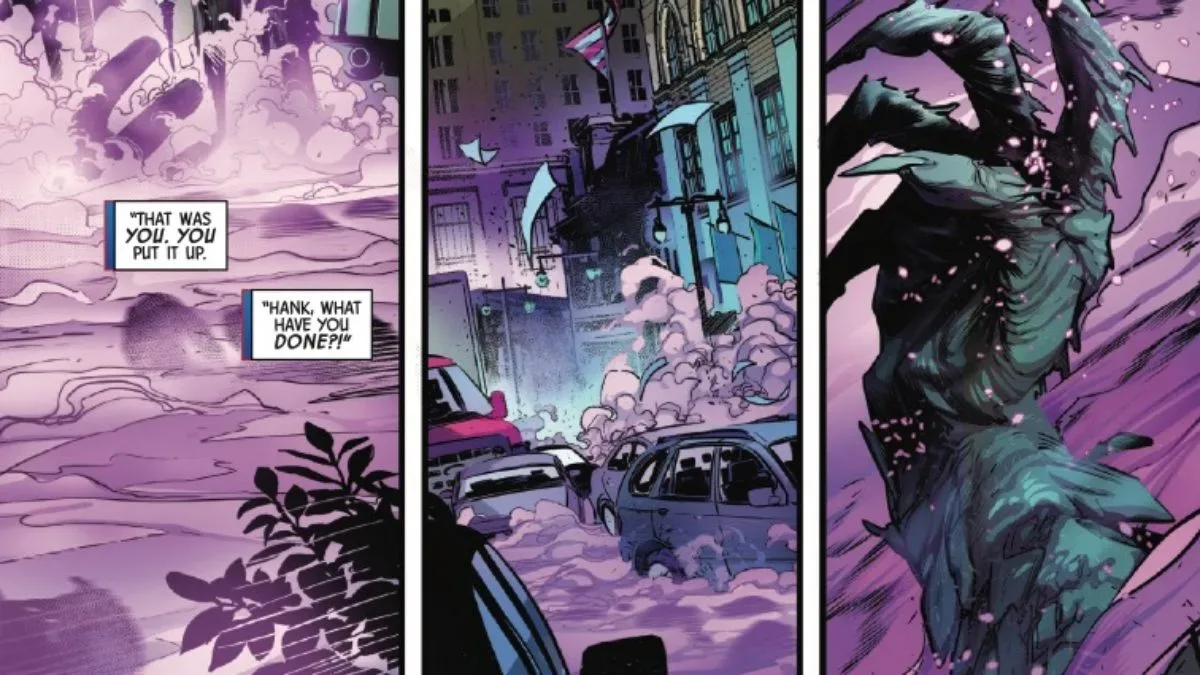
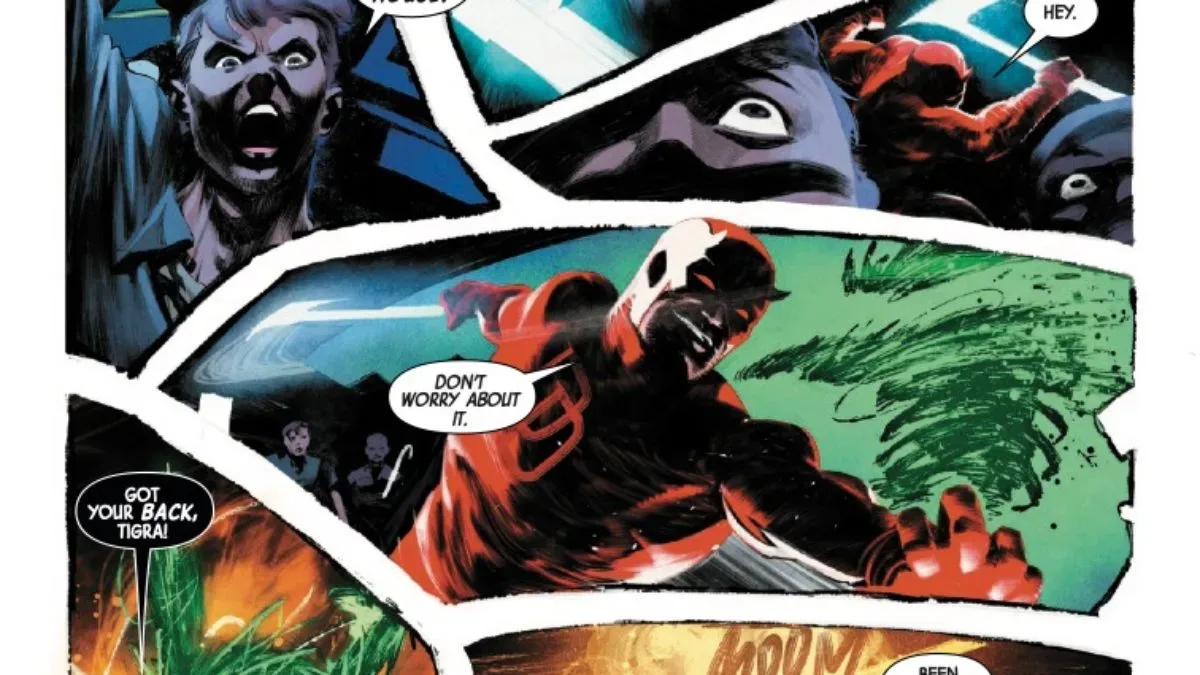
Preview material reportedly shows Moon Knight demolishing portions of Mansion Ravenous while his teammates challenge his approach to keeping them safe. The image is effective because it turns an abstract moral problem into visible damage. A headquarters is usually the place where a team regroups, plans and finds relative security. When the leader is tearing it apart, whether for a protective purpose or not, the group’s argument stops being theoretical.
There is an important distinction between intent and outcome in this premise. Moon Knight’s action is tied to saving allies, suggesting a protective motivation. Yet the solicited conflict concerns the fallout, and the preview setup emphasizes disruption inside the team. In superhero fiction, that gap is fertile ground: a character can act from loyalty while still stripping allies of agency, exposing them to greater danger or leaving them to deal with damage they did not choose.
Why the newly forged Midnight Sons are vulnerable
The Midnight Sons are described here as newly forged, which gives the conflict a different weight than a routine disagreement among long-established teammates. A new team has not necessarily built the habits that let members absorb a severe tactical clash. Trust, leadership and shared expectations are still being tested in real time.
That makes the question at the center of the issue especially direct: can the group survive the consequences of Moon Knight’s gamble? “Survive” can reasonably be read in more than one way. It can refer to physical survival amid whatever is threatening the House of Monsters, but it can also mean whether the team survives as a functional unit. The supplied material does not confirm which members will leave, be injured or reconcile, so readers should treat any more specific prediction as speculation.
What is clear is that the comic’s drama is positioned around a fracture in collective decision-making. Moon Knight appears to believe he can protect the others through a severe unilateral act. His teammates are not presented as passively accepting that call. Their challenge raises the practical question every new super-team eventually faces: when danger demands fast action, who gets to decide what everyone else is willing to risk?
What “fallout” means in this setup
In a comic solicitation, fallout generally signals consequences from a prior choice rather than introducing a fully explained new plot point. It is a promise of aftermath: emotional, strategic and often physical. Here, the destruction at Mansion Ravenous gives that aftermath a tangible expression, while the Midnight Sons’ response supplies the interpersonal stakes.
Similarly, “The Fall of the House of Monsters” can be read as a story label rather than confirmation that the location will be permanently destroyed. The material establishes that Mansion Ravenous is being damaged and that the team’s situation is unstable. It does not establish the ultimate fate of the house or the final status of the group. The uncertainty is the issue’s selling point.
The creative credits and issue details
MacKay and Pramanik are credited for the story and interior art, with Soares on the standard cover. The issue is listed at 32 pages, rated T+, and priced at $4.99 in the United States. Its identifier is 75960621496900911.
Two variant editions are also listed at the same U.S. price. One has a variant cover by Ario Anindito, identifier 75960621496900917. The other has a variant by Maria Wolf, identifier 75960621496900931. Both are listed at $6.25 in Canada.
- Title: Marc Spector: Moon Knight #9
- On sale: October 21, 2026
- Writer: Jed MacKay
- Artist: Devmalya Pramanik
- Main cover: Jose Luis Soares
- Format: 32 pages, rated T+
- U.S. price: $4.99
What readers should watch for
The most significant element going into issue #9 is not a promised roster reveal or a named opponent. It is the pressure placed on Moon Knight’s leadership. The issue has the potential to clarify whether his gamble was a calculated necessity, an overreach, or some uneasy combination of both. It may also define how much independence the Midnight Sons expect from one another at this early stage of their alliance.
The Mansion Ravenous material deserves attention for the same reason. Its damage is more than visual spectacle within the preview setup. A compromised base can mean compromised planning, reduced safety and a loss of shared ground. Even if the building is repairable, the argument behind its destruction may be harder to fix.
For readers building an October 21 pull list, this is a character-and-team conflict issue first. The solicitation promises a major consequence for a decision already made, rather than laying out every answer in advance. That makes it a natural continuation point for readers following Marc Spector’s current series and a potentially tense chapter for anyone interested in the new Midnight Sons dynamic. For another comic on that week’s pull-list conversation, see the October 21 pull-list roundup.
Moon Knight’s gamble is therefore the issue’s defining question, not a resolved fact. He acted to protect his allies, but the available material makes plain that protection has come at a cost. By the time the House of Monsters begins to fall, the Midnight Sons will need more than a place to stand; they will need to decide whether they can still stand together.