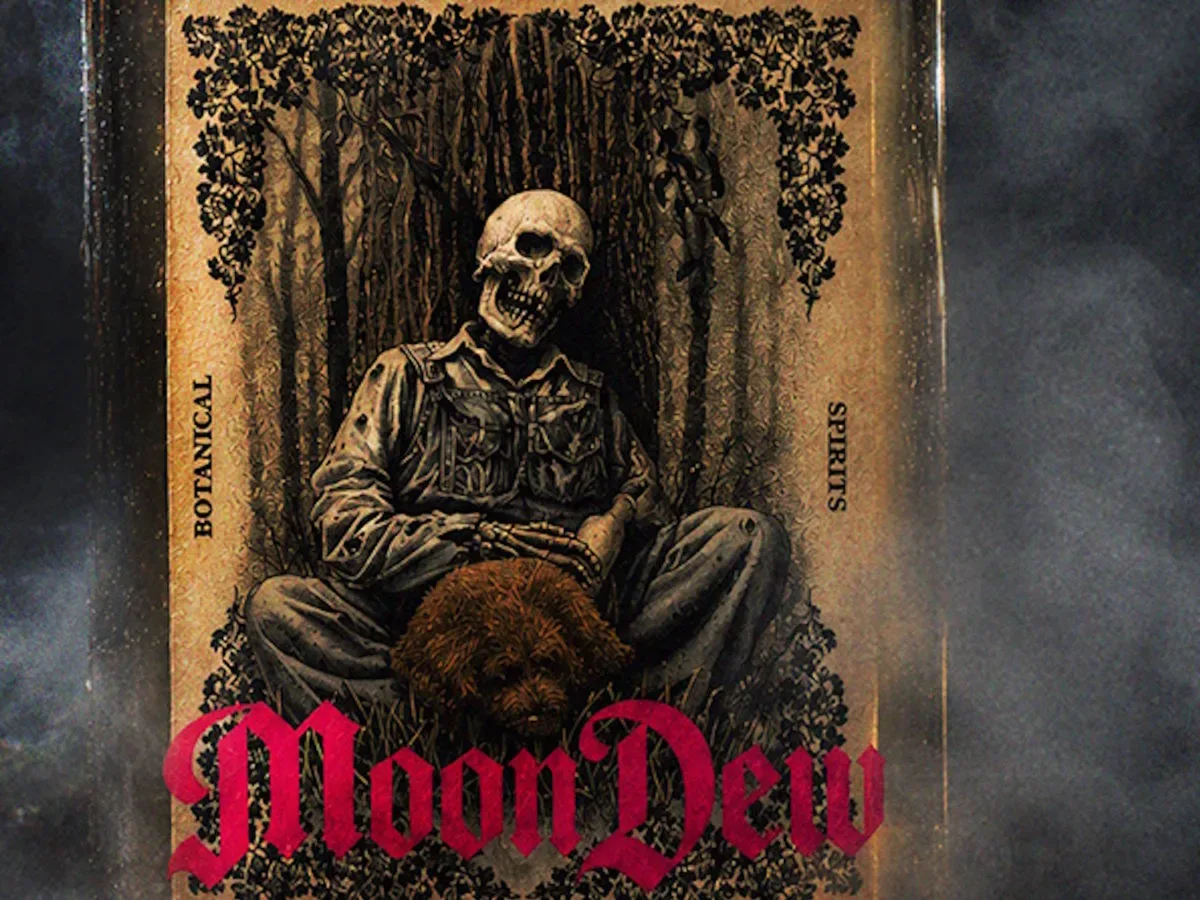
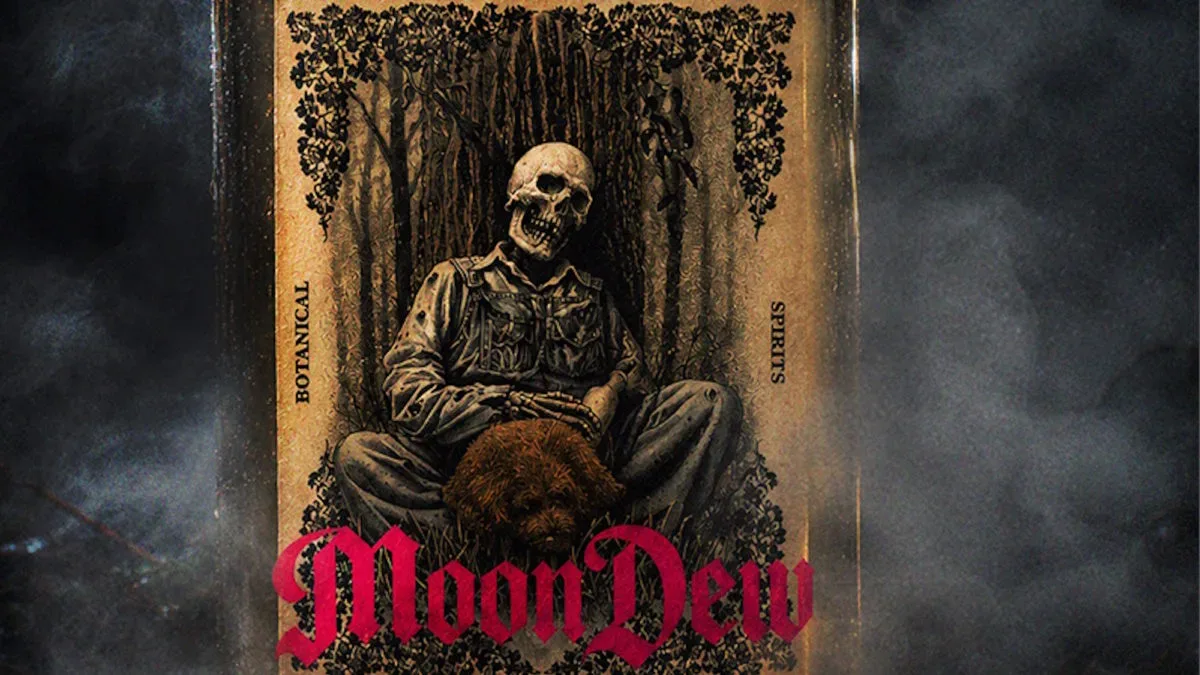
Lee Bermejo’s latest canvas is not a Gotham rooftop, a dystopian cityscape or a weathered comic-book cover. It is a bottle of gin.
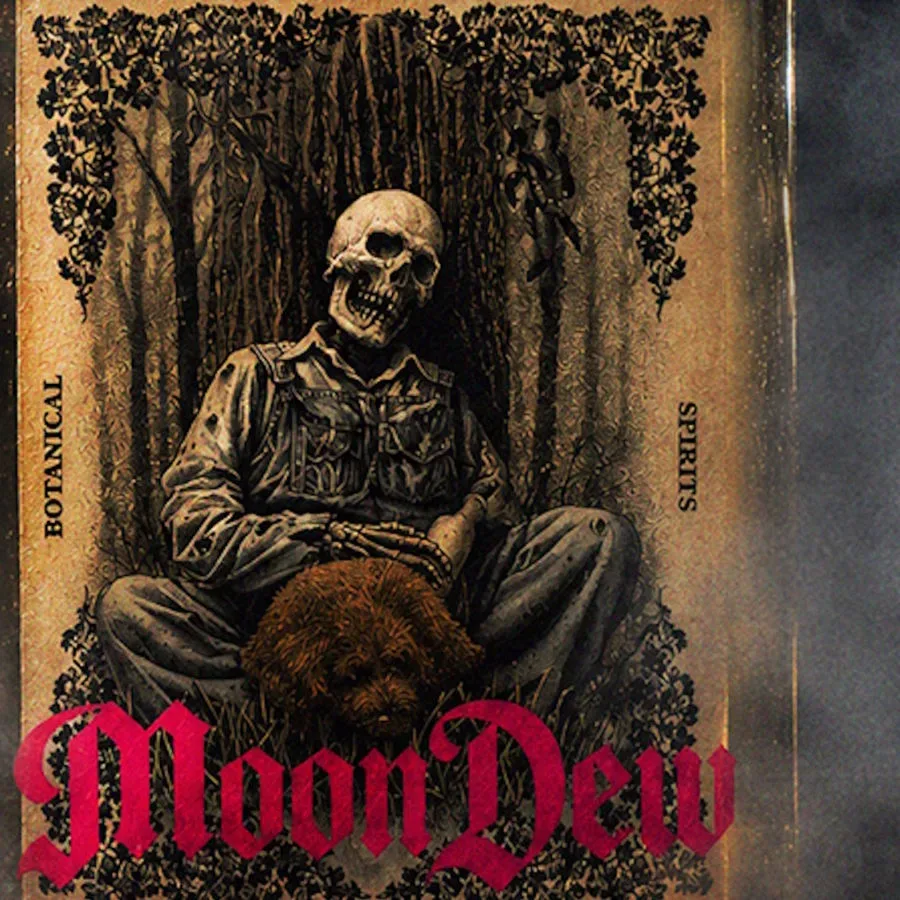
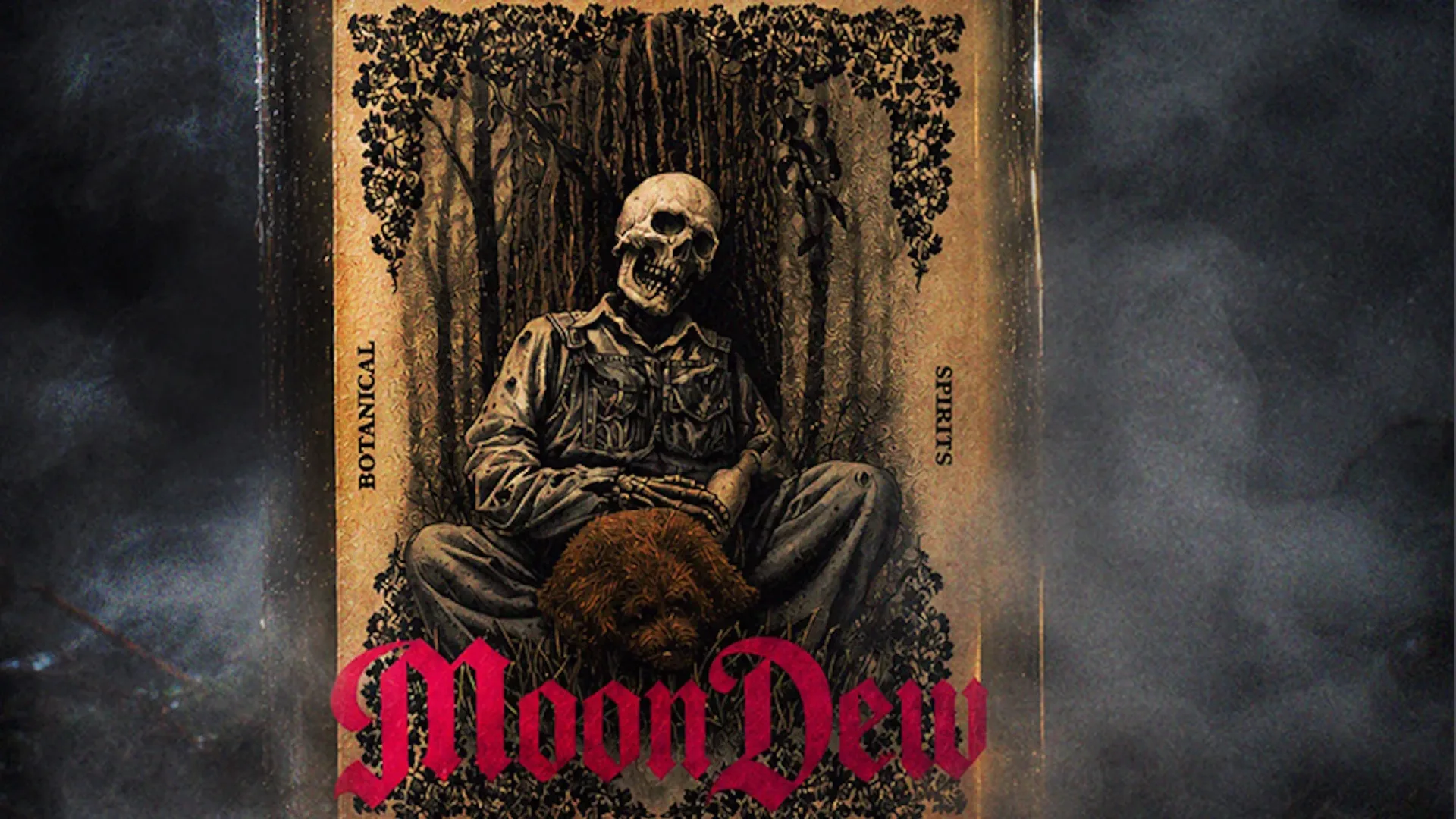
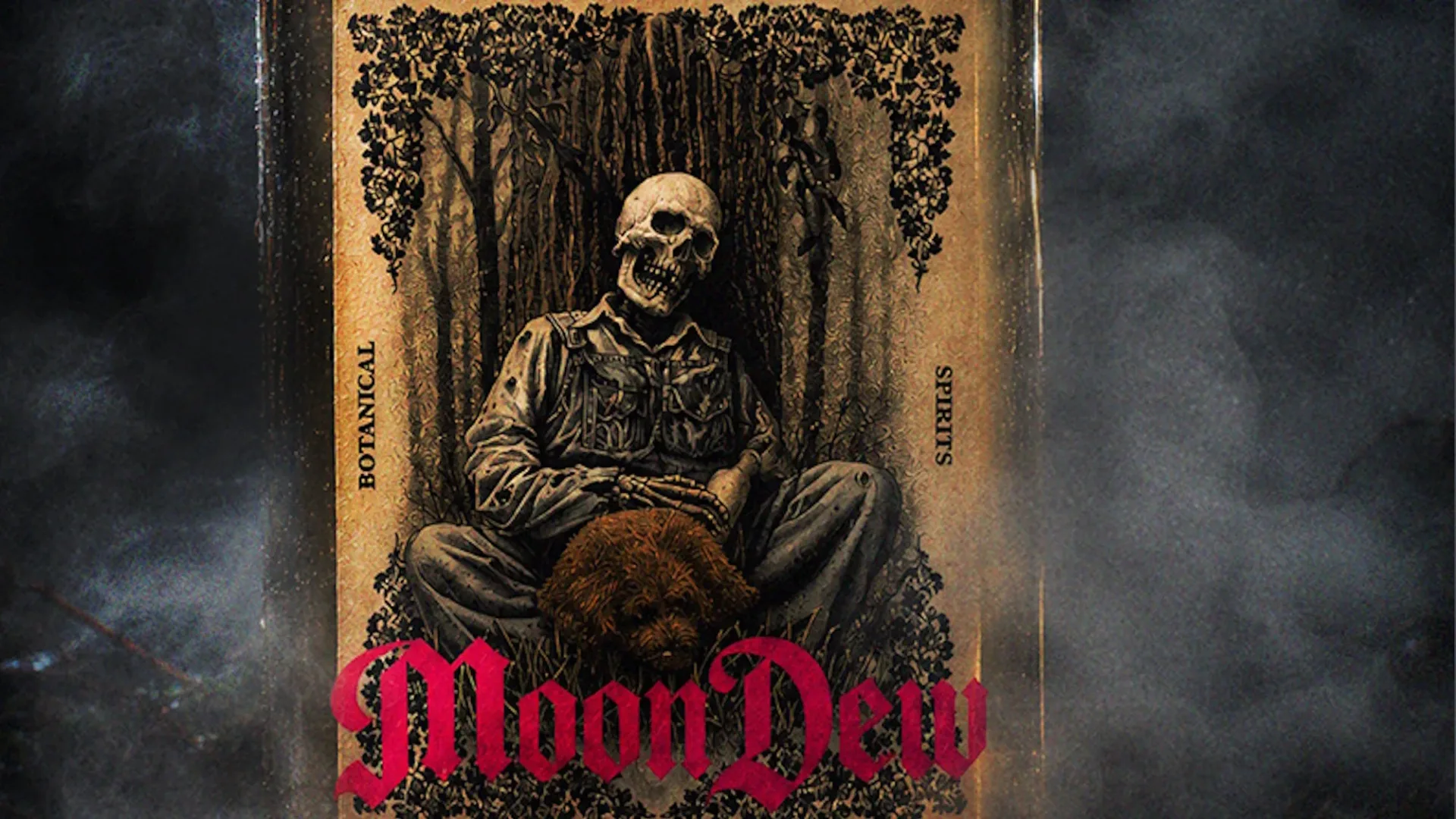
Moondew is a limited-edition spirit created through a collaboration involving Farmily Group, Foodmetti and Bermejo. The 50 cl bottle carries exclusive artwork by the artist and is priced at €80. At present, shipping is limited to buyers in Italy, an important limitation for collectors elsewhere who may be tempted by the design.
The project sits squarely at the crossing point of illustrated pop culture and physical collecting. The liquid is central to the product, but its presentation is plainly part of the appeal: Moondew is positioned as a bottle intended to be kept as well as opened. For fans of Bermejo’s heavily rendered, cinematic comic art, that distinction matters. This is not simply merchandise with a name printed on a label; the release is built around an original illustration and a limited-edition format.
What Moondew is
Moondew is gin that combines distillation with aging in oak barrels. The stated flavor direction is warm, woody and spicy, drawing thematic inspiration from American moonshiners and the Prohibition era.
Those terms describe both method and mood. Distillation is the process used to create a spirit by concentrating alcohol and selected flavors. Oak-barrel aging, meanwhile, means the spirit spends time in a wooden barrel after distillation. Here, the barrel component is presented as a reason for Moondew’s woody, warmer profile. It also gives the release a fittingly old-world visual and conceptual identity, rather than positioning it as a bright, purely botanical gin.
There is no need to infer a precise tasting experience beyond the profile provided. “Woody” and “spicy” are broad descriptors, not a guarantee that every drinker will perceive identical notes. What is clear is that the production concept and Bermejo’s art are meant to work together: a darkly stylized collectible vessel matched with a spirit framed around barrel character and clandestine-era imagery.
Moondew combines comic-art presentation with a distilled-and-oak-aged gin concept, using an exclusive Lee Bermejo illustration as its visual centerpiece.
Why Bermejo is a natural fit for the packaging
Bermejo is known for a hyper-realistic, painted approach that often gives superhero characters an imposing physical presence. His work includes Lex Luthor: Man of Steel, Joker, Before Watchmen: Rorschach and Batman: Damned, many of them made in collaboration with writer Brian Azzarello.
His credits also include art for Gen 13, Resident Evil and Action Comics #775, the issue titled What’s So Funny About Truth, Justice & the American Way?. On the latter, he co-created Manchester Black. Bermejo has also written and drawn Batman: Noël and Suiciders, and wrote We Are Robin and A Vicious Circle with Mattson Tomlin.
That body of work explains why a premium bottle can be more than a novelty for his audience. Bermejo’s style is familiar to collectors as an image-first experience: dense textures, dramatic lighting and a sense of material weight. A bottle is a radically different format from a comic page, but it still offers a bounded object on which a signature visual can carry value and attention.
The artist started as an intern at WildStorm in 1997, before that company’s acquisition by DC. He has lived in Italy since around 2003 with his wife, Italian cartoonist Sara Mattioli. In that context, an Italy-only release is not an arbitrary geographic footnote; it is also the market in which Bermejo has long lived.
A collectible that is also consumable
Moondew highlights a practical question that comes with collectible drinks: is the buyer acquiring art, a spirit, or both? The answer may differ from one owner to the next.
A sealed bottle preserves the product as issued, including its contents and presentation. Opening it turns the purchase into a tasting experience, while the illustrated bottle may remain a display item afterward. Neither approach is inherently more legitimate, but they are not equivalent. Anyone considering Moondew chiefly as a physical collectible should decide in advance whether the appeal lies in the unopened object or in the combination of bottle and gin.
The distinction is especially relevant because “limited edition” establishes scarcity of a release but does not, by itself, establish long-term resale value, production quantity or future demand. No edition size is provided here. Buyers should therefore avoid treating the label as a promise of investment performance. The strongest documented reasons to want Moondew are more immediate: Bermejo’s exclusive art, its specific production concept and the appeal of the bottle as a display object.
Practical points for interested collectors
- Size: Moondew comes in a 50 cl bottle.
- Listed price: The stated price is €80.
- Availability: It currently ships only within Italy.
- Art: The bottle uses an exclusive illustration by Lee Bermejo.
- Spirit profile: It is described as warm, woody and spicy, made through distillation and oak-barrel aging.
The Italy-only shipping policy is the decisive practical barrier for international readers. It means an interested collector should not assume that a standard overseas order is possible. It is also unwise to rely on unofficial routes around a seller’s delivery rules, particularly for alcohol, where shipping and import restrictions can vary. Moondew is best viewed as an Italy-market item unless its sellers formally change the shipping terms.
The crossover is the point
Foodmetti’s role in the collaboration reflects an approach that joins comics with distillation. Moondew is described as its second edition, and the format makes the crossover unusually tangible. Comic-book art often moves beyond pages through prints, covers, statues and signed objects. A decorated bottle is different because it begins as a consumable product, then asks to be appreciated as a designed object once it reaches a shelf, cabinet or display case.
That does not make it a comic publication, nor does it replace the value of Bermejo’s work in its original medium. It does show how an artist’s visual identity can travel into another category without losing the connection to the art itself. The most meaningful part of the collaboration is not merely the artist’s name. It is the use of an exclusive illustration to make the packaging an essential part of the release.
That broader overlap between fandom and objects is familiar across entertainment culture; our pop-culture coverage similarly follows the ways recognizable creative work moves between formats. Moondew’s version of that exchange is simply more literal: the art arrives wrapped around a bottle.
For Bermejo followers in Italy, Moondew offers a distinct kind of addition to a comics-related collection: not a reprint, not a cover and not a conventional art print, but a limited physical object with a functional product inside. For gin drinkers, it offers a bottle whose visual component is unusually central to the purchase. And for everyone outside the current shipping area, it is a reminder that collectible releases can be defined as much by regional access as by their artwork.
As with any alcoholic product, Moondew is intended only for adults of legal drinking age. Its scarcity-minded presentation may encourage display, but responsible purchase, storage and consumption remain more important than treating the bottle as a speculative asset.