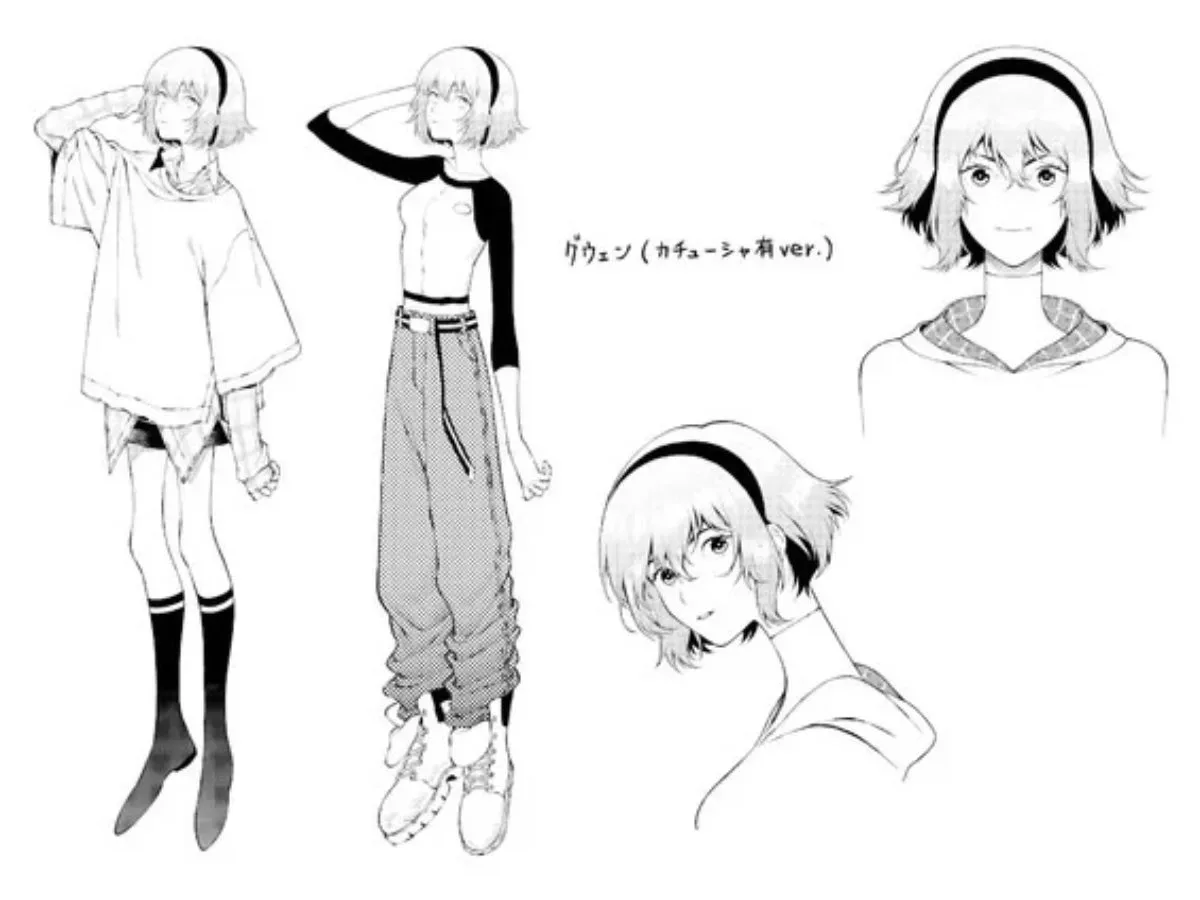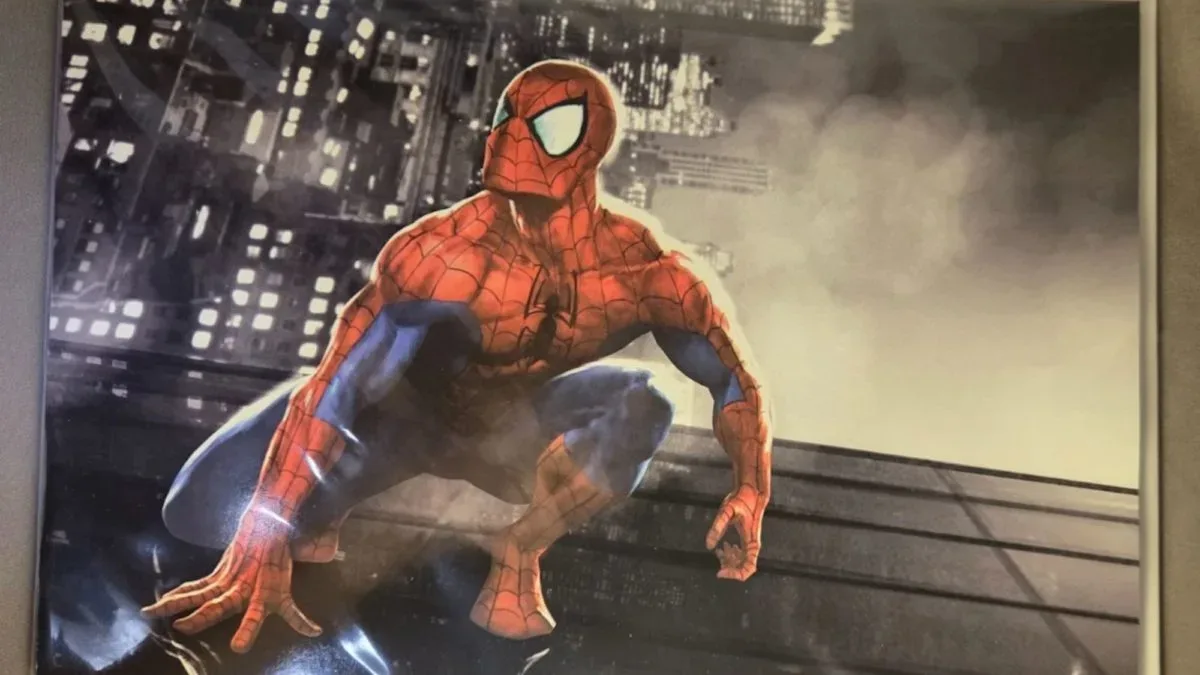
Marvel’s next Japanese manga initiative is beginning to take shape through Kadokawa, with new details for two original series: Spider-Man of Shibuya by Tokitokoro and Spider-Gwen by Ryūsei Yamada. Both are planned to serialize on Kadokawa’s KadoComi digital service before the end of the year.
The pair are part of a broader Marvel–Kadokawa arrangement expected to produce five original manga titles. The initiative is designed around localized Japanese versions of Marvel characters, rather than simply repackaging existing American comics in manga form. That distinction matters: these are new stories built around recognizable Marvel superhero identities, but with Japanese settings, protagonists, and genre conventions at the center.
Spider-Man swings into Shibuya
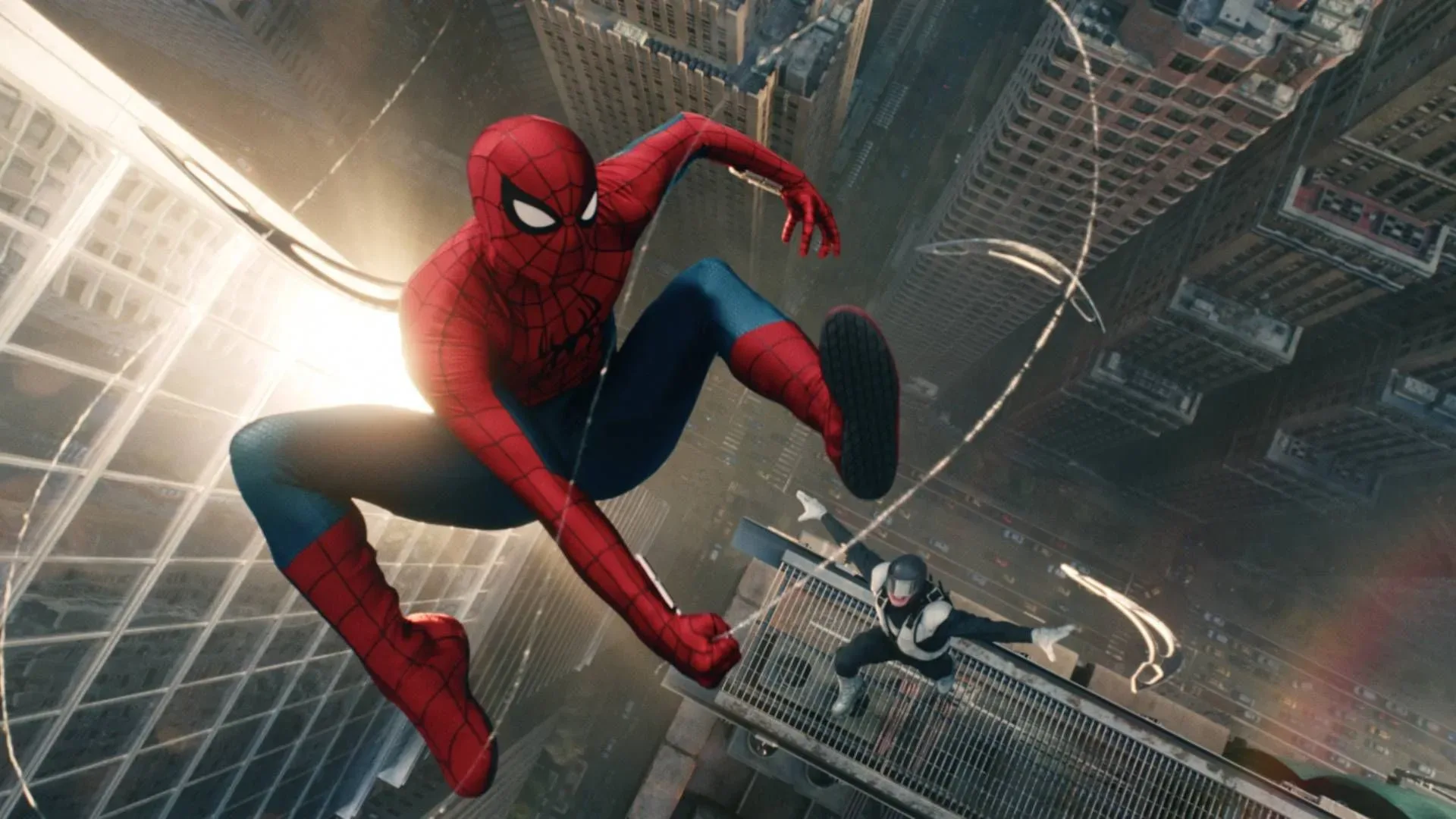
Spider-Man of Shibuya follows Haruto Hachidori, a high-school student living in Shibuya who abruptly develops mysterious spider abilities. He becomes Spider-Man and moves through the streets of the Tokyo district, but his emergence as a hero coincides with the movement of an ominous “shadow” within the city.
Shibuya is not merely a cosmetic label in that premise. Setting the story there immediately positions this Spider-Man as a local hero with a particular urban environment around him. The supplied outline emphasizes Haruto’s freedom of movement through the district, an obvious fit for a character whose identity is strongly tied to traversal, agility, and high-altitude action. But it also establishes a conflict rooted in the city itself: Haruto’s powers arrive as an unseen threat begins to stir.
For more context, explore Diddy Representative Questions How Fort Dix Footage and Claims Reached the Public.
That is a familiar superhero framework—an ordinary young person obtains extraordinary abilities, then discovers that power brings responsibility and danger—but the specifics signal a fresh lead rather than Peter Parker transplanted into a different location. Haruto Hachidori is the protagonist, and the wording around his “spider abilities” leaves room for the series to define its own version of the concept.
Tokitokoro is credited on the project. Beyond the initial premise, no villain, supporting cast, release date, print edition, or international-language publication plan has been detailed. Readers should therefore treat the city-spanning action and the lurking shadow as the confirmed story setup, not as evidence of a full roster of Marvel characters or an announced crossover.
Spider-Gwen gets a band-focused setup
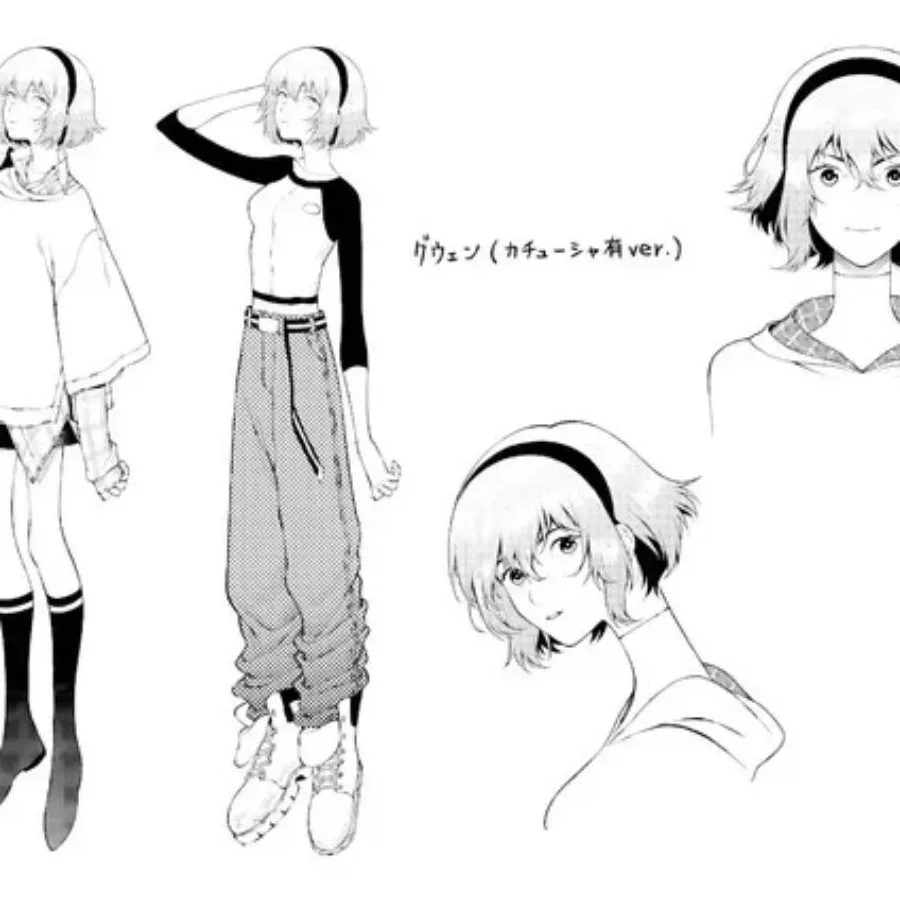
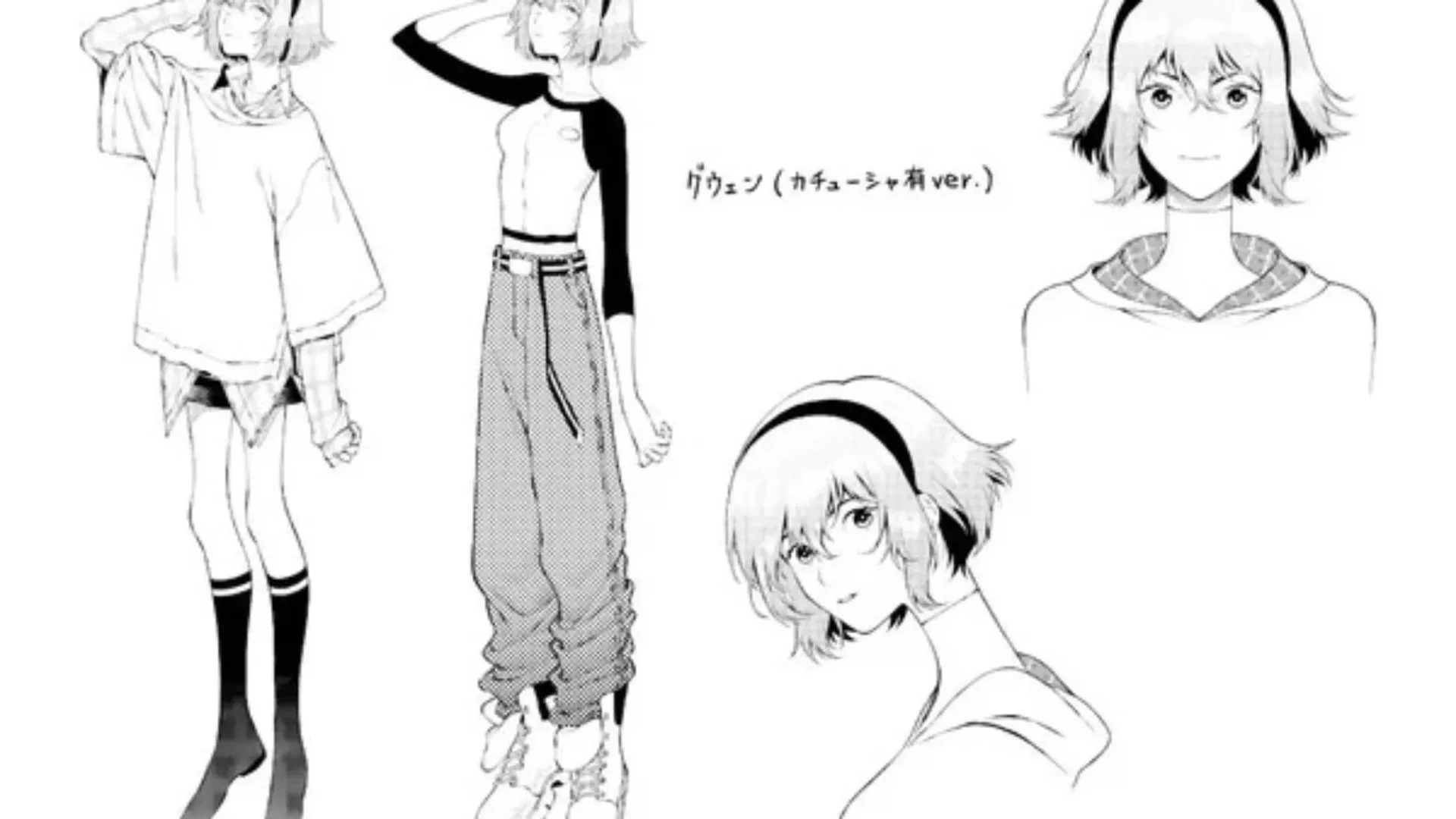
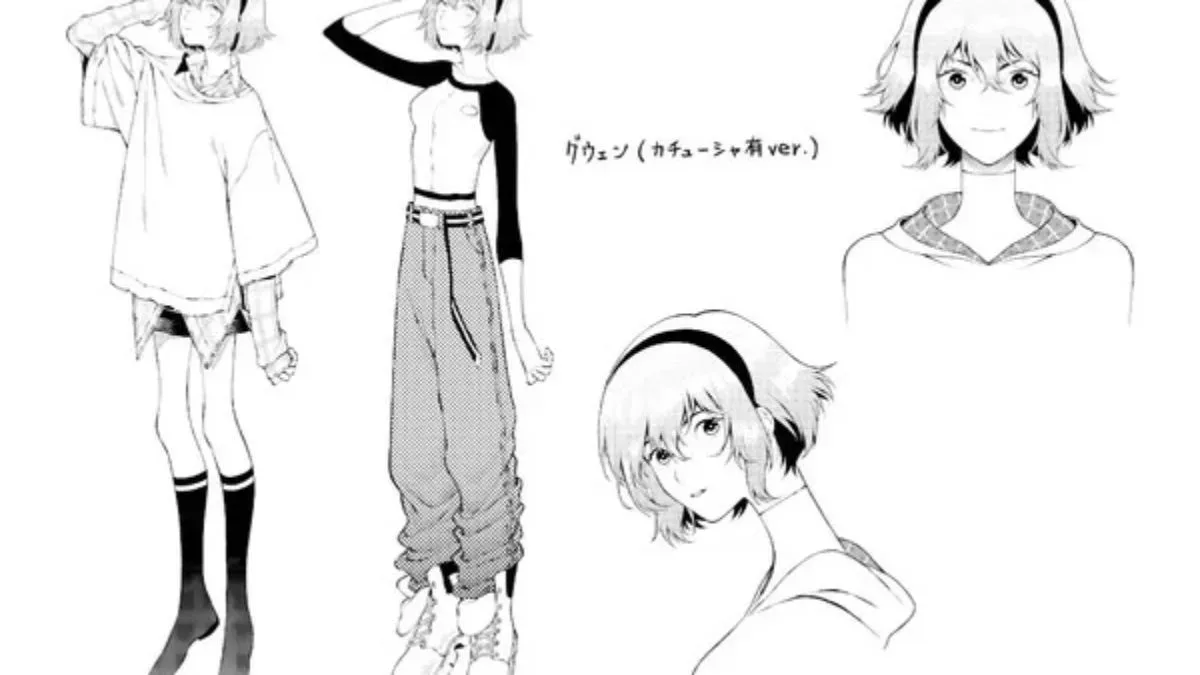
Ryūsei Yamada’s Spider-Gwen takes a different route into its heroine’s origin. Gwen is presented as a seemingly typical high-school student who plays drums in the Mary Janes. A radioactive spider bite in a laboratory gives her superhuman powers, after which she decides to defend her city as Spider-Woman.
The series’ outline places equal weight on Gwen’s decision and its cost. Her choice to become a hero will lead to difficult decisions and personal conflict, suggesting that the manga will not treat the transformation only as a straightforward wish-fulfillment premise. The tension between school life, band life, and a growing heroic obligation gives the adaptation a clear character-based direction from the outset.
“Localization” can sometimes mean only changing dialogue or setting references for another audience. Here, it appears to mean something more substantial. Gwen remains tied to core Spider-Gwen elements supplied in the premise—her connection to the Mary Janes, a spider bite, and the Spider-Woman identity—while the manga is being produced as an original work within a Japanese publishing program. The balance between those recognizable building blocks and Yamada’s new treatment will be one of the project’s central points of interest.
What “original manga” means in this initiative
An original manga is a newly created comic rather than a translation or reprint of a previously published story. In practical terms, that means the Kadokawa project is not being framed as a release of existing Marvel issues in Japanese. It is a line of stories made specifically as manga and serialized digitally through KadoComi.
Serialization means chapters are released in installments instead of arriving first as a complete collected book. The available information confirms the digital KadoComi plan before year’s end, but does not specify a chapter schedule, whether the series will launch simultaneously, or whether either title will later be collected in print.
The overall agreement is intended to encompass five original manga. At present, only the Spider-Man and Spider-Gwen projects have story descriptions in the provided material. Other Marvel names have been associated with the forthcoming line, including Daredevil and the Punisher, but no premise, creator assignment, serialization timing, or confirmed format for titles centered on those characters has been provided here. It would be premature to fill those gaps with assumptions.
A publishing handoff changes the Marvel manga landscape
Kadokawa’s program arrives during a transition for Marvel manga publishing in Japan. Shueisha’s agreement with Walt Disney Japan to publish manga adaptations of Marvel characters is set to end, with several works being removed from digital storefronts by the end of September and print sales also being withdrawn.
The affected titles named in the available information are Marvel x Shonen Jump+ Super Collaboration, Secret Reverse, Spider-Man: Octo-Girl, Spider-Man: Kizuna, and Deadpool: Samurai. Separately, Shogakukan-Shueisha Productions’ contract to publish Marvel titles in Japanese has also ended at the end of the month.
For readers, the important practical point is that publishing rights and digital availability are not the same thing as a character’s continued popularity or a story’s permanence. A series can disappear from a storefront when a licensing term ends even if readers remain interested in it. The incoming Kadokawa slate does not automatically replace those specific books, nor has it been presented as a continuation of their stories. It is a new publishing arrangement with new original projects.
That timing does, however, make the partnership notable. Marvel’s Japanese manga presence is shifting from one set of publishing relationships to another, and the first outlined projects suggest an emphasis on reinterpreting major characters for new local narratives rather than relying solely on translations, adaptations, or prior series.
Kadokawa’s role and Marvel’s Asia Originals effort
Kadokawa is a major Japanese media company with businesses spanning publishing, manga, light novels, animation, films, and video games. Its history begins with Kadokawa Shoten, founded in 1945 by Genyoshi Kadokawa. That broad media footprint is relevant because franchise publishing can be part of a larger intellectual-property strategy, though no adaptations or tie-in products have been announced for these particular manga.
At the Marvel Fanfare panel at San Diego Comic-Con, Kadokawa editors appeared alongside C.B. Cebulski, Marvel’s departing editor-in-chief. The initiative appears connected to Cebulski’s new Asia Originals Editor role for Marvel Comics in Tokyo. The stated focus is localized Japanese versions of Marvel characters.
That context helps explain why the first two premises are not simply duplicates of familiar origin stories. Haruto’s Shibuya-based Spider-Man starts with a new student lead and a city-specific threat, while Gwen’s story foregrounds her drumming and the personal strain behind becoming Spider-Woman. Both approaches preserve a recognizable superhero foundation while allowing manga creators to build their own dramatic priorities.
What has—and has not—been confirmed
- Confirmed: Spider-Man of Shibuya is credited to Tokitokoro and stars Haruto Hachidori, a Shibuya high-schooler with spider abilities.
- Confirmed: Ryūsei Yamada’s Spider-Gwen follows Gwen, a drummer in the Mary Janes who gains powers after a radioactive spider bite and becomes Spider-Woman.
- Confirmed: The manga are planned for digital serialization on KadoComi before the end of the year.
- Confirmed: The Marvel–Kadokawa partnership is intended to produce five original manga titles.
- Not detailed: Exact launch dates, chapter cadence, print releases, overseas editions, pricing, and full information on the remaining titles.
- Not detailed: Story premises or creative teams for any Daredevil- or Punisher-centered manga that may be part of the wider initiative.
For now, the clearest takeaway is straightforward: Marvel and Kadokawa are opening a new original-manga line with two distinctly framed Spider stories. One makes Shibuya the stage for a new Spider-Man, while the other puts Gwen’s music, identity, and difficult choices at the heart of a new Spider-Woman story. The remaining three planned titles, and the extent of the line’s reach beyond KadoComi, remain questions for future announcements.