Impaler is returning as a new six-issue comic series in February 2027. Writer William Harms will revisit the vampire-horror property with artist Christian DiBari and colorist Lee Loughridge. The first issue is scheduled for comic shops on Wednesday, February 3, 2027.
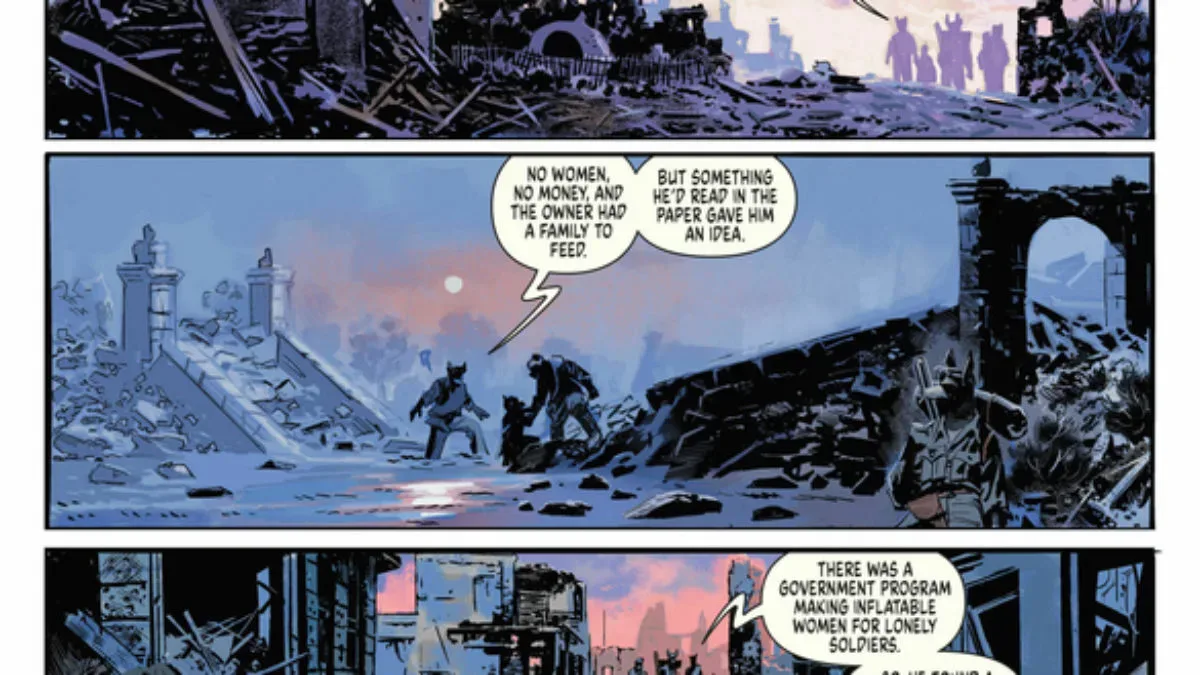
The premise is suitably apocalyptic: vampires have ruined the world, while a pocket of human survivors shelters amid the remains of the Pentagon. Their apparent solution is to bring back Vlad the Impaler. The central tension is not simply whether that resurrection can stop the vampires, but whether Vlad himself is a protector or another catastrophic danger waiting to be unleashed.
That setup gives the series a clear identity within a crowded vampire field. Rather than beginning with an isolated monster attack or a secretive undead society, Impaler starts from a world already lost. Humanity is reduced to survival, and its proposed weapon is a figure whose capacity for violence makes him difficult to treat as an uncomplicated hero.
A third volume for Impaler
The 2027 book is described as the third volume of Impaler, which was originally published in 2009. Harms previously wrote the first two volumes, though the creative team has changed for the new run.
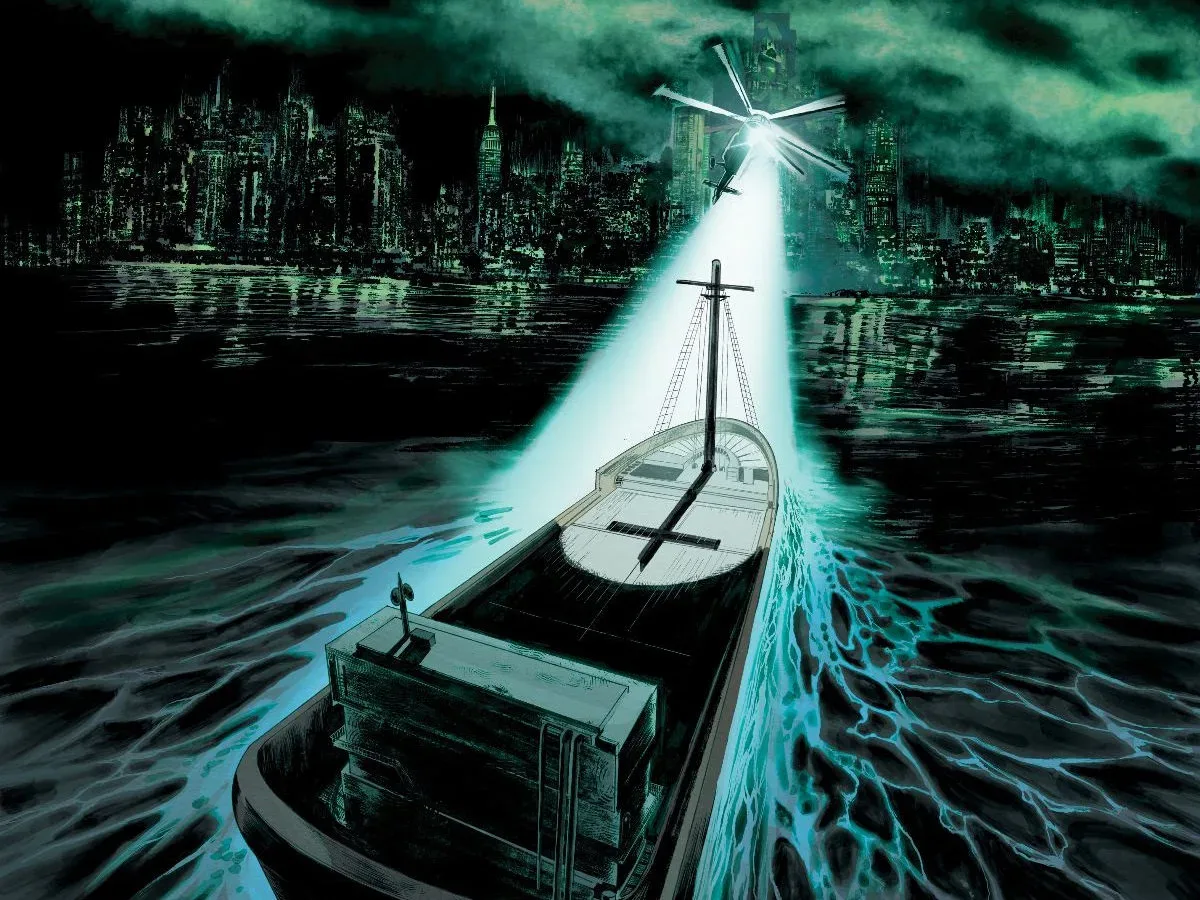
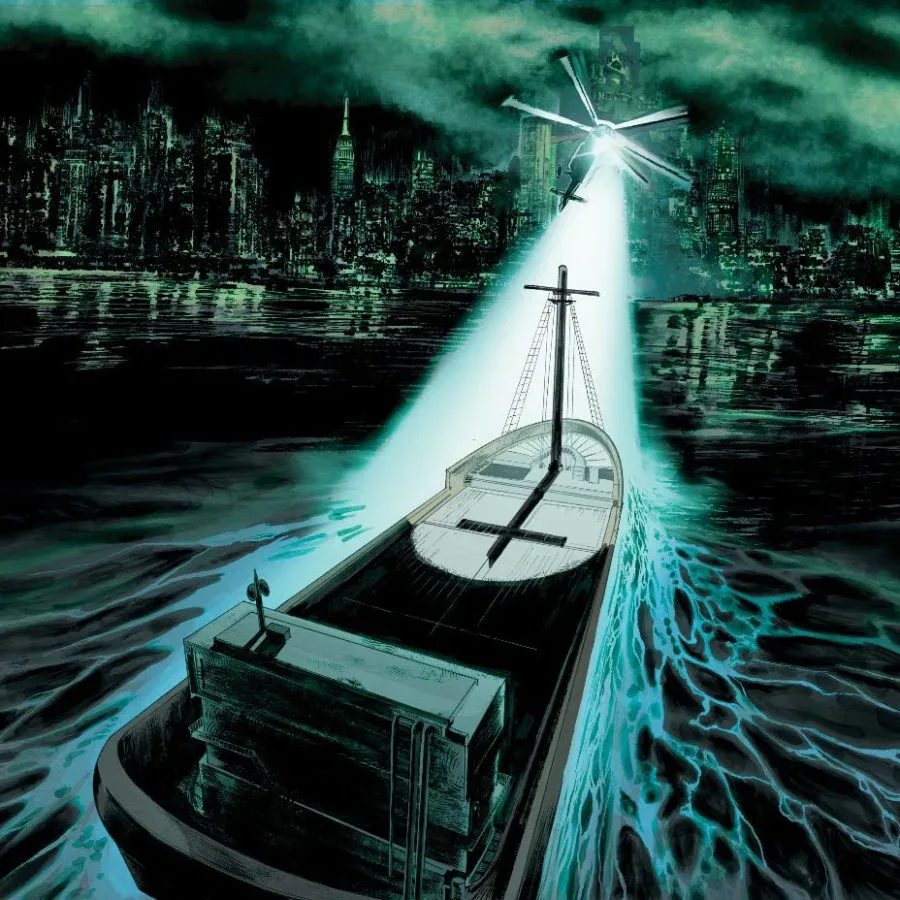
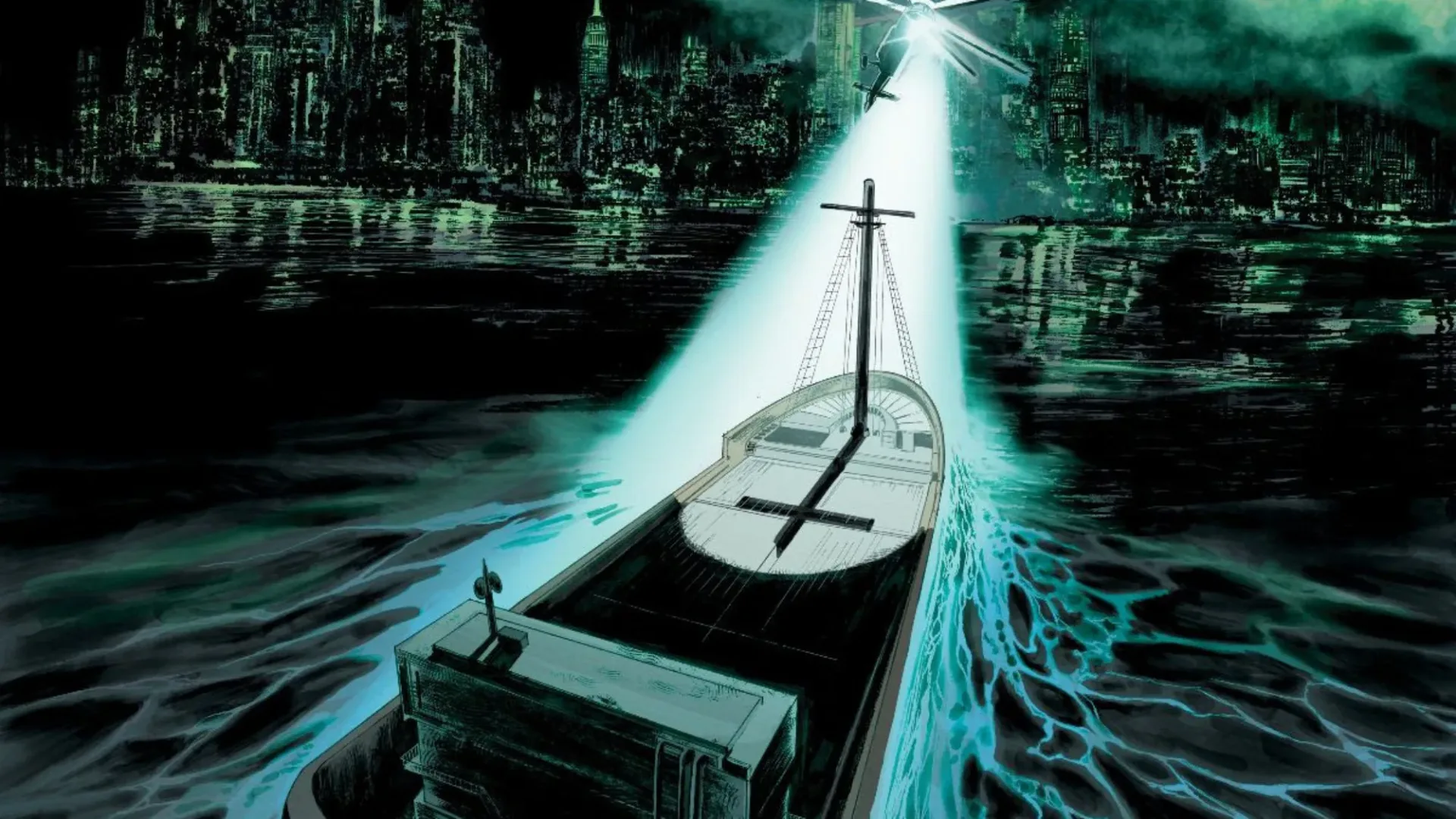
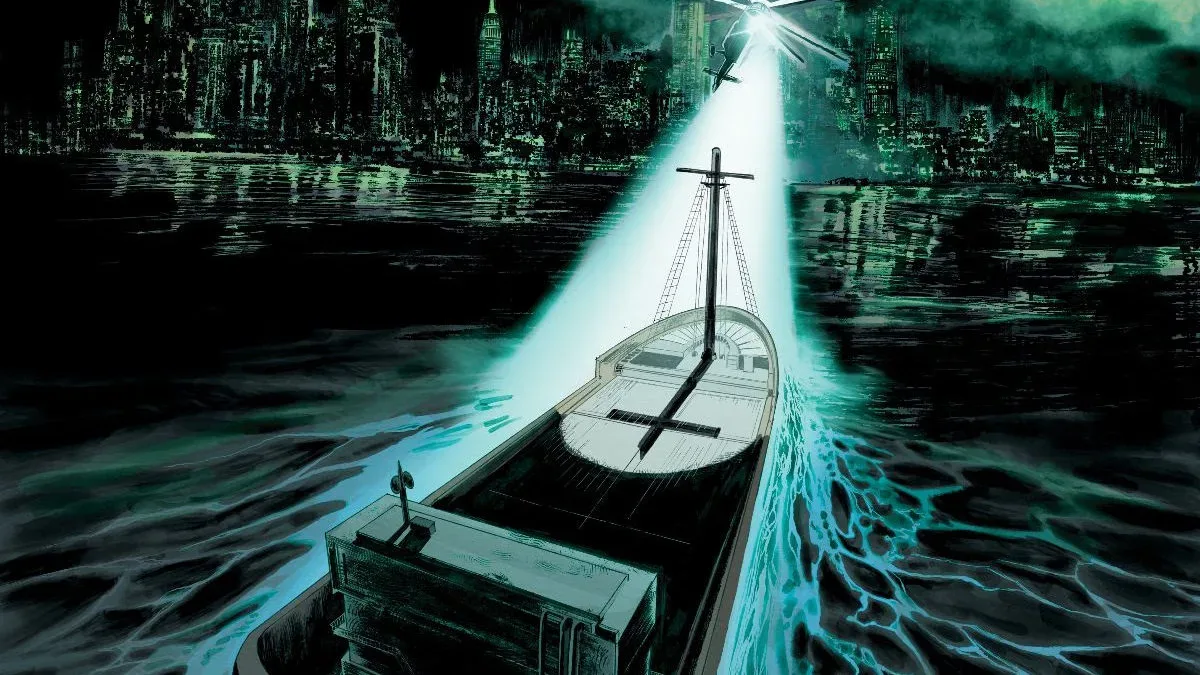
Volume one was illustrated by Nick Postic and Nick Marinkovich. It placed the beginning of the vampire disaster in a snowbound New York City, where a drifting cargo ship carried an incomprehensible threat toward the city. The established stakes were enormous from the beginning: New York faced destruction within days.
Volume two, with art by Matt Timson, widened the crisis considerably. Vampires had spread across America in overwhelming numbers. The U.S. military attempted to halt them by using a nuclear strike on New York City, but that response came too late. In that story, Vlad the Impaler returned as a vampire hunter, joined—unwillingly—by New York detective Victor Dailey.
Those earlier details make the new series’ Pentagon setting more meaningful. It is not merely a familiar ruined landmark selected for atmosphere. The prior story established an America that had already tried an extreme military answer and failed. The survivors’ decision to resurrect Vlad consequently reads as desperation born from the collapse of ordinary institutions and conventional force.
What “modern-day Dracula” means for the premise
The series draws from the legend of Count Dracula and places Vlad the Impaler in a modern, devastated world. In practical story terms, that approach combines two distinct horror engines. Dracula is a cultural shorthand for vampiric menace; Vlad is positioned inside this continuity as a legendary hunter and potential weapon against the undead. Yet he also carries the threat implied by the title and by the new synopsis: the humans who revive him may be trading one horror for another.
That ambiguity is the important part. A last-hope character can drive an action story, but a last-hope character who may become the greater threat can sustain horror. The survivors are not just fighting vampires. They must make a choice about what sort of power they are willing to restore in order to live.
Harms has framed Impaler as a tribute to vampires that are frightening, brutal and relentless. That emphasis indicates that the returning series is not being positioned as a romanticized supernatural tale. Its horror is rooted in predation, mass destruction and pressure on the people still alive to resist it.
“Impaler has always held a special place in my heart, and I’m thrilled to return to it,” Harms said, describing the project as a love letter to terrifying, brutal and unrelenting vampires.
DiBari, meanwhile, highlighted the appeal of the book’s bleak world, its characters and its world-building. “World-building” here means the details that establish how a fictional setting functions: who has survived, what resources remain, what the ruins of government mean to people on the ground, and how a vampire-overrun America has changed daily life. The supplied premise does not disclose those specifics, but it makes clear that the setting itself is intended to be a major part of the storytelling rather than simple background decoration.
The new creative team
Harms returns as writer, providing a direct connection to the first two volumes. He has also worked on White Sky, Mafia III and Infamous, and is a BAFTA nominee. His involvement matters because the forthcoming miniseries continues a mythology he helped establish rather than functioning solely as a title revival with an entirely new authorial direction.
Christian DiBari will draw the series. His credits include Revolvers, Magdalena: Reformation and Destiny Gate. Lee Loughridge is on colors. In comics, a colorist’s role reaches far beyond filling in surfaces: color can define whether scenes feel cold, ruined, feverish or threatening, distinguish important forms in dark panels, and control the reader’s eye across a page. For an apocalyptic vampire book, that visual coordination is especially central to communicating both the scale of the collapse and the immediate menace of the creatures within it.
DiBari said that working with Harms and Top Cow has been a rewarding experience, specifically pointing to the opportunity to explore a dark setting populated by distinctive characters. His comments align with the premise’s biggest promise: this is a story where the conflict is not limited to stopping monsters, but extends to navigating a damaged world and the people trying to reshape it.
What readers can expect from the release
Impaler #1 begins the six-issue series on February 3, 2027. Matt Timson, Jason Shawn Alexander and Dani are credited for covers. Timson’s return on cover duties also creates a visual connection to the second Impaler volume, which he illustrated.
The available information confirms a comic-shop release for the debut issue. It does not establish variant designations, issue-by-issue release dates after the first installment, collected-edition plans, digital availability, pricing or story details beyond the Pentagon survivors and Vlad’s resurrection. Readers should be careful not to mistake the announced six-issue length for confirmation of any additional format or release schedule that has not been specified.
For people new to the property, the essential background is straightforward: the original story began with a vampire horror emerging during a historic New York blizzard; its second volume escalated into a nationwide catastrophe and introduced the returning Vlad as a hunter alongside detective Victor Dailey. The new volume moves forward from an America overwhelmed by vampires and focuses on survivors whose need for salvation may force them to revive an unpredictable figure.
Why the return stands out
Continuations often face a simple challenge: they must be accessible enough for newcomers without making longtime readers feel that prior events do not matter. Impaler appears to have a useful foundation for that balance. The core situation—survivors considering the resurrection of Vlad the Impaler—can be understood on its own. At the same time, the destruction of New York, the failed military response and Vlad’s previous role as a hunter give returning readers a larger chain of consequences behind the decision.
The six-issue format may also suit the premise. A limited series is a comic run with a planned, finite number of installments. Here, that structure gives the creative team a defined space to explore the resurrection, the survivors’ conflicting expectations and the confrontation with the vampire apocalypse, without suggesting that the initial story must stretch indefinitely. It does not, on its own, reveal how the plot will end or whether further volumes will follow.
There is a broader appetite for high-profile genre storytelling across pop culture, reflected in projects such as the expanded Avengers: Endgame Disney+ release. Impaler, however, is built around a notably harsher lane: a destroyed America, vampires as an overwhelming force, and a supposed savior whose return may be as frightening as the enemy he is meant to defeat.
For Harms, the announcement represents a return to a series he has described as personally important. For readers, it sets up a horror story with a sharp question at its center: when the world is already overrun by monsters, is resurrecting a legendary killer an act of survival—or the final mistake?