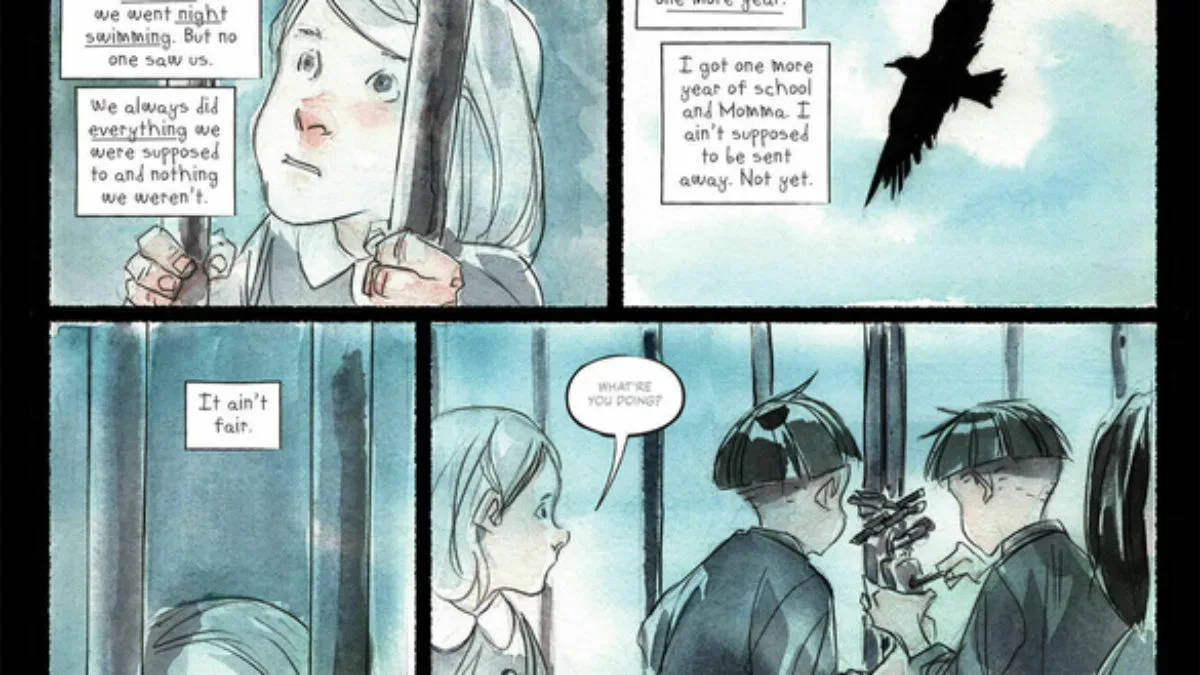
Escape #10 is set to bring Milton Shaw’s story to its sharpest possible point: one remaining door, a devastated landscape, and no version of survival that appears clean. The Image Comics issue arrives in shops on Wednesday, November 11, 2026, priced at $3.99.
The premise for the finale is deliberately narrow and punishing. Milton can take the last open route out, but doing so comes with a brutal cost. The choice is framed around three competing obligations: his old allies, the chance to end the war, and the civilians who sheltered him. Those priorities do not comfortably align, meaning escape is not simply a matter of reaching safety. It is a moral decision about who is left behind, what damage continues, and whether Milton can live with the outcome.
A finale built around an impossible choice
Stories often use a “last door” as a simple symbol of opportunity: the exit appears, the hero takes it, and the plot races onward. Escape #10 turns that image into the source of its pressure. The open door is not presented as a reward or a reprieve. It is an ultimatum.
The issue’s central conflict pits loyalty against strategy and compassion. Choosing old allies can mean honoring relationships forged before the crisis reached this point. Choosing to end the war suggests a wider, potentially more consequential goal. Choosing the civilians who protected Milton recognizes an immediate obligation to people who took a risk for him. Any of those decisions can be argued as the right one in isolation. The difficulty comes from the apparent fact that committing to one requires abandoning, endangering, or betraying another.
That is what makes the stakes more interesting than a basic question of whether Milton survives. The stated dilemma is survival versus leaving the war with his soul intact. In narrative terms, “soul” does not need to imply a literal supernatural object. It works as shorthand for a character’s core moral identity: the line they believe they cannot cross, even under extraordinary pressure. The finale’s tension lies in whether that line holds when the walls are closing in.
The war is not merely a backdrop
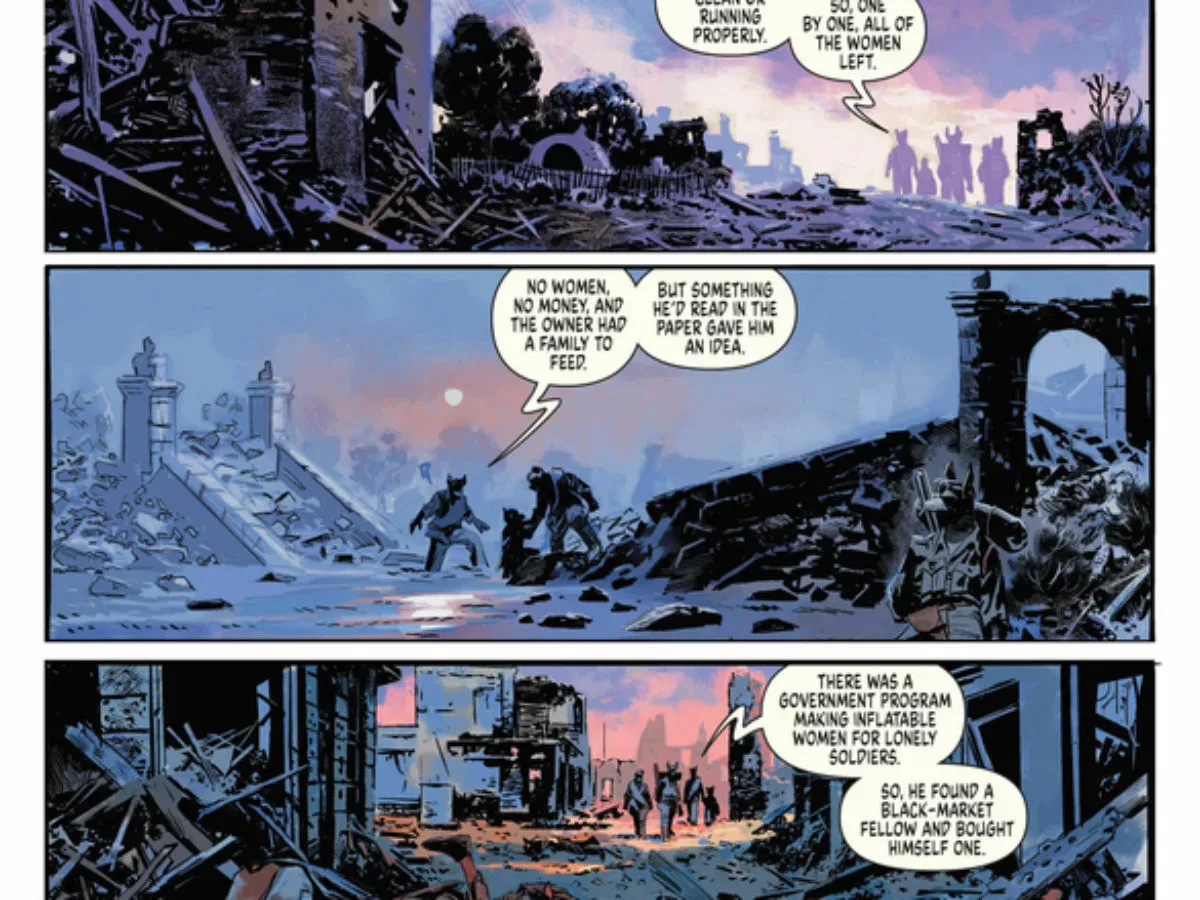
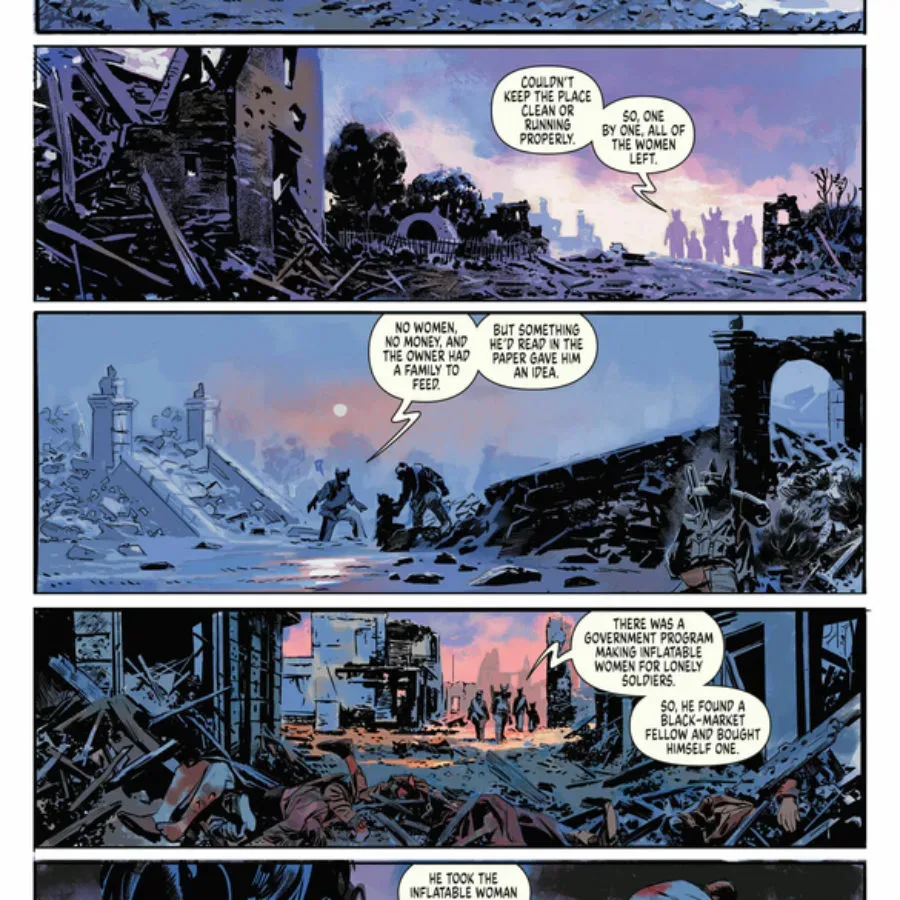
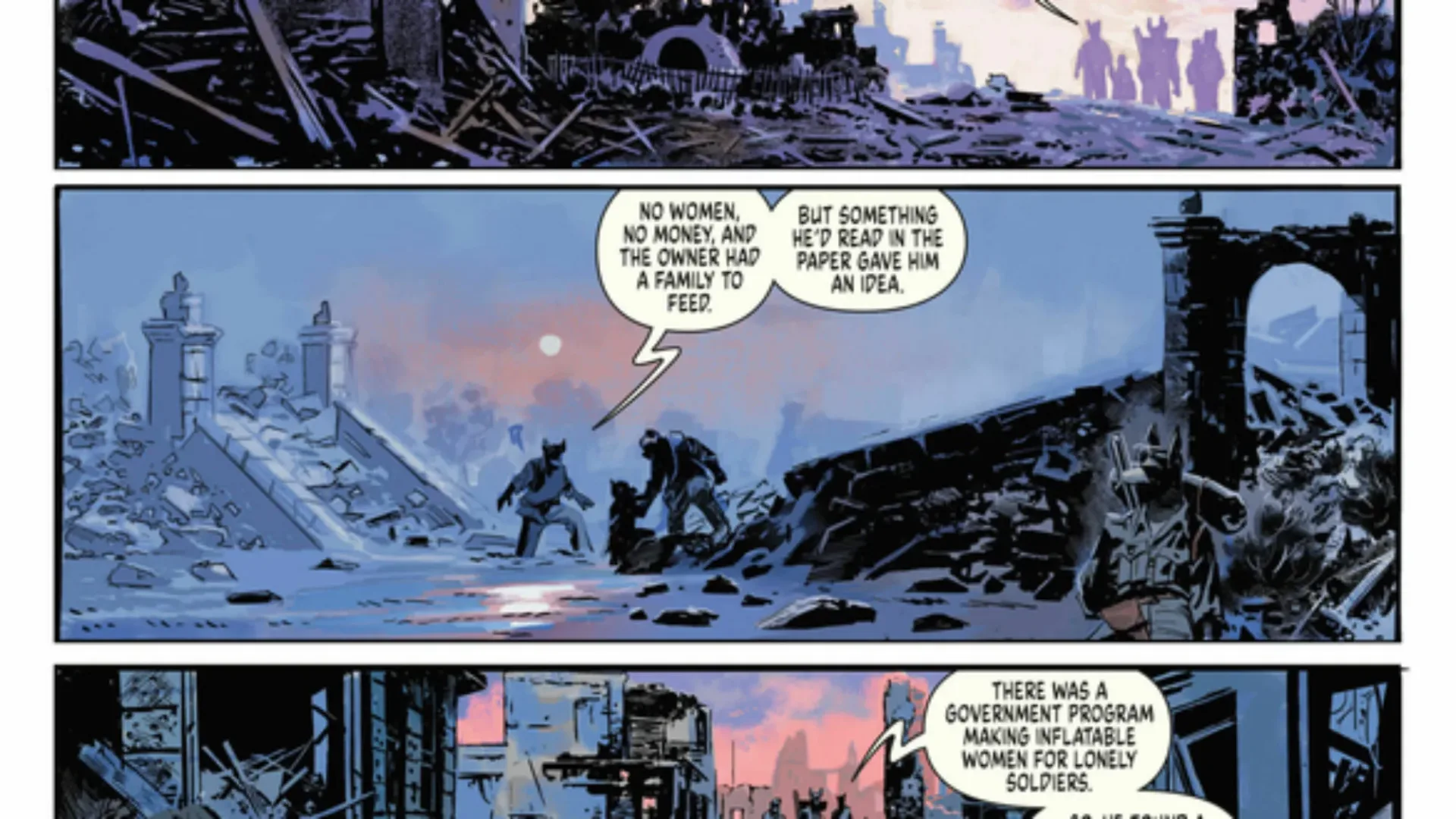
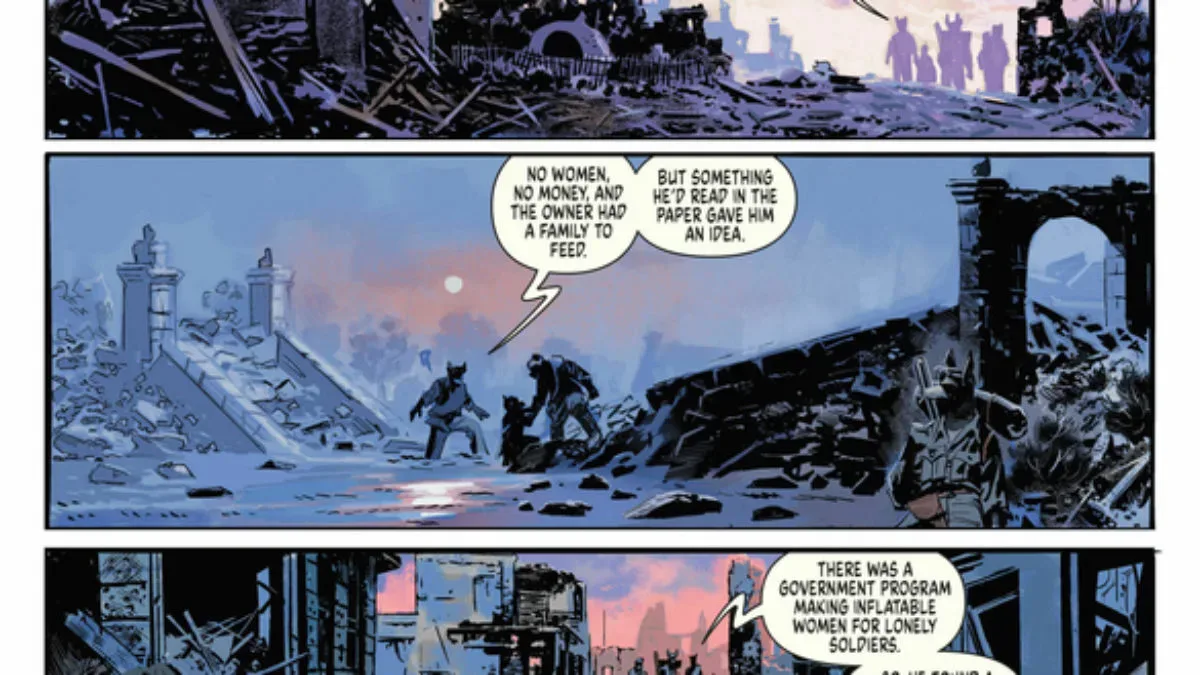
The available setup places Milton in a ravaged war zone, with rubble and destruction surrounding the final decision. That environment matters because it makes every option feel shaped by consequences that are already visible. A war-torn setting can flatten moral choices into abstract military calculations; here, the civilian element resists that simplification. People who gave Milton refuge are not simply collateral stakes on a tactical board. They are part of the debt he must weigh.
Likewise, ending a war is an enormous objective, but the phrase carries its own complications. A war’s end may save future lives, yet an immediate sacrifice can remain devastating to the people asked to bear it. The synopsis does not reveal what mechanism Milton has for ending the conflict, who controls the door, or which choice he ultimately makes. That restraint is appropriate for a final-issue setup. It establishes the emotional terrain without pretending the decision has an obvious answer.
There is also a pointed sense of accumulated obligation. Every promise is coming due, suggesting Milton’s predicament has roots in commitments made before this final moment. A promise in a war story can be personal, political, or practical, but it always creates a claim on the person who made it. When multiple promises become due at once, the character is no longer deciding what they want to do. They are deciding which pledge they are willing to break.
Why the “no good option” structure works
The underlying shape of Milton’s decision resembles what philosophers call a moral dilemma: a situation in which important duties conflict and satisfying one duty means failing another. Popular culture sometimes refers to these setups as trolley problems, but that label can be overly tidy. A trolley problem generally asks a person to choose between measurable harms. Milton’s situation is messier. The choices involve individual relationships, an entire conflict, civilians who offered protection, and his own sense of integrity.
That lack of a clean calculation is the point. If one option were plainly best, then the last door would be a puzzle to solve. The issue instead promises a reckoning. The choice has emotional weight because each path reflects a different idea of responsibility:
- Allies: responsibility to the people who have shared Milton’s struggle.
- Ending the war: responsibility to a larger outcome beyond any one group.
- Civilians: responsibility to noncombatants who acted to protect him.
- His own survival: responsibility to remain alive, set against what survival costs.
These are not interchangeable stakes. Protecting an ally is not the same as pursuing peace, and neither is the same as repaying civilians’ courage. By making each option represent a distinct obligation, the finale gives Milton a choice that can define him even if readers disagree with his conclusion.
What is confirmed for Escape #10
Escape #10 is written by Rick Remender and features art and cover art by Daniel Acuña. An Andrew Robinson cover is also listed. The issue carries the identifier 0726IM0422, while the Andrew Robinson cover is listed as 0726IM0423.
- Publisher: Image Comics
- On sale: November 11, 2026
- Writer: Rick Remender
- Artist and cover artist: Daniel Acuña
- Additional listed cover: Andrew Robinson
- Cover price: $3.99
The supplied description calls this a finale, so readers approaching the issue should expect resolution rather than a routine escalation. That does not necessarily mean every consequence will be comfortable or every question will receive a painless answer. In fact, the promise of brutal costs suggests the opposite: resolution may be inseparable from loss.
Practical reading expectations
For readers following Milton Shaw’s arc, the key expectation is not a new mission or a detour into world-building. The available details point toward payoff. Old allegiances, a potential end to the war, and protection owed to civilians all converge at once. A finale structured this way is likely to hinge on character judgment as much as action. The major question is not merely whether Milton finds the exit, but what he is prepared to become in order to use it.
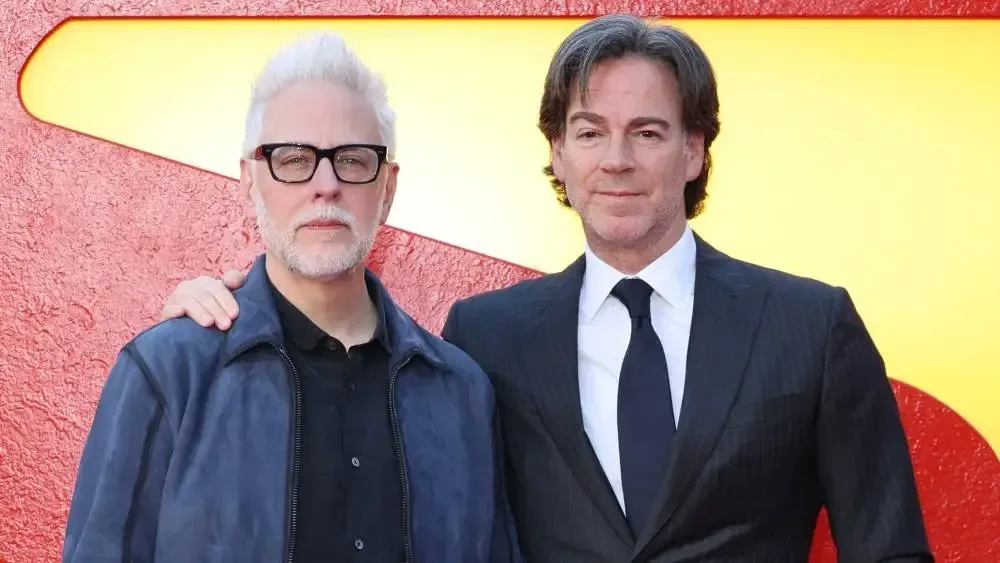
For comic readers who keep up with wider industry conversation, it is also worth noting that major creative changes can reshape how ongoing characters are approached elsewhere; Joking Joystick has covered the leadership transition at DC Studios in its report on James Gunn, Peter Safran and Jeremy Latcham. Escape #10, however, is centered on a much more immediate proposition: a single protagonist under unbearable pressure.
The strongest hook in the issue’s setup is that it refuses to define escape as freedom. Milton may have one last way out, but the door is also a test of loyalty, responsibility, and conscience. When every promise comes due at the same moment, getting through alive may be the least complicated part.