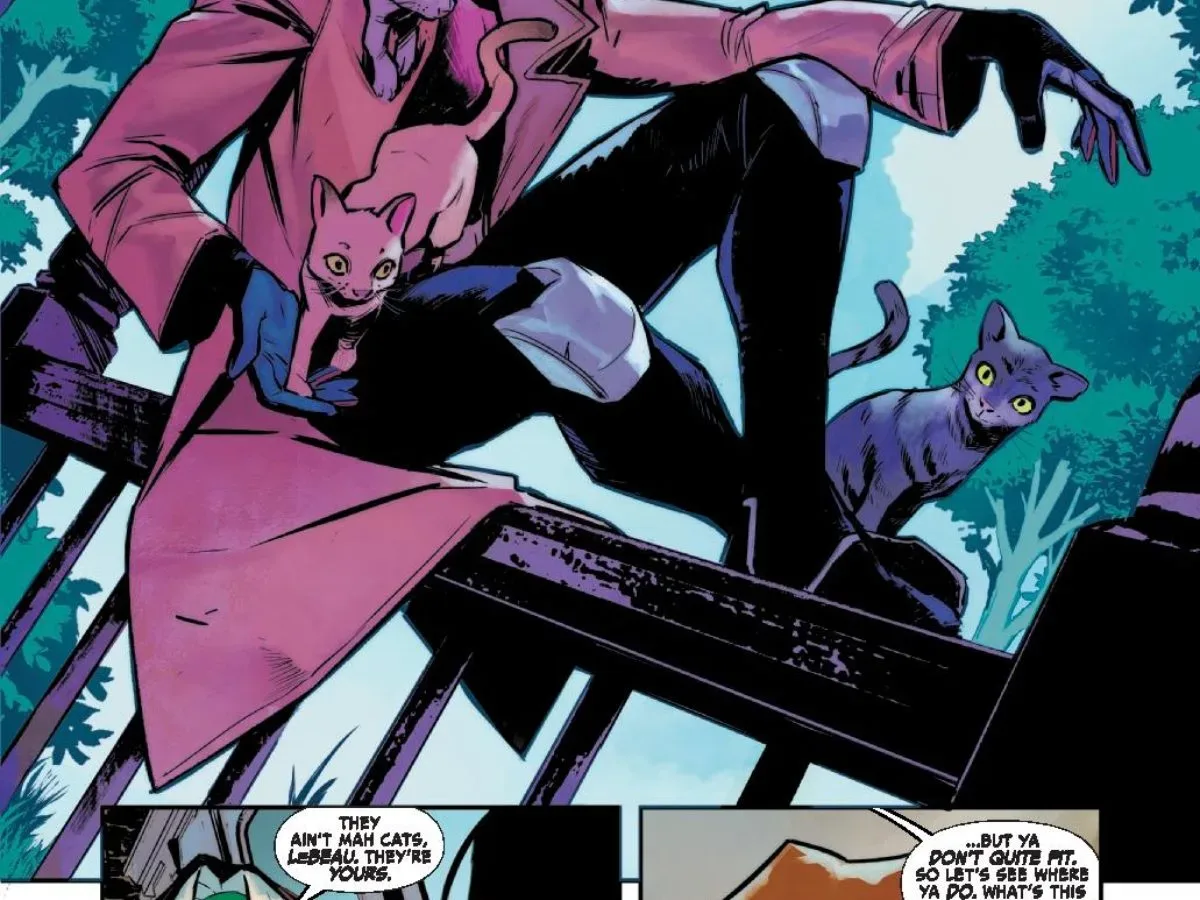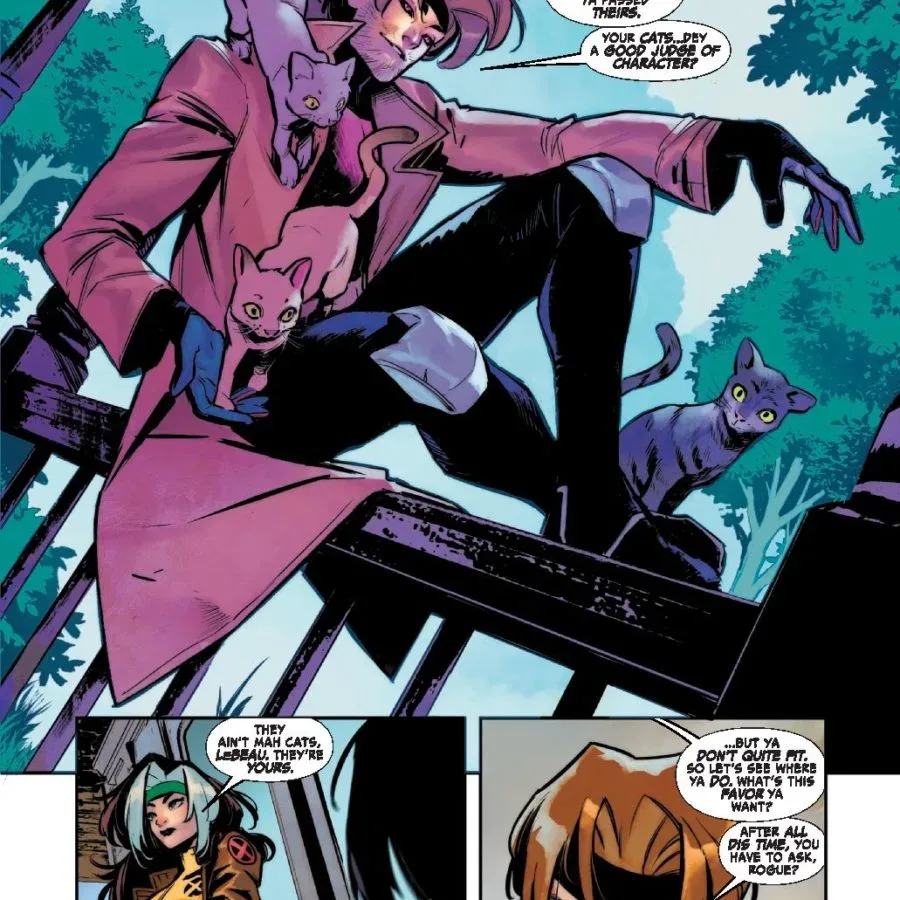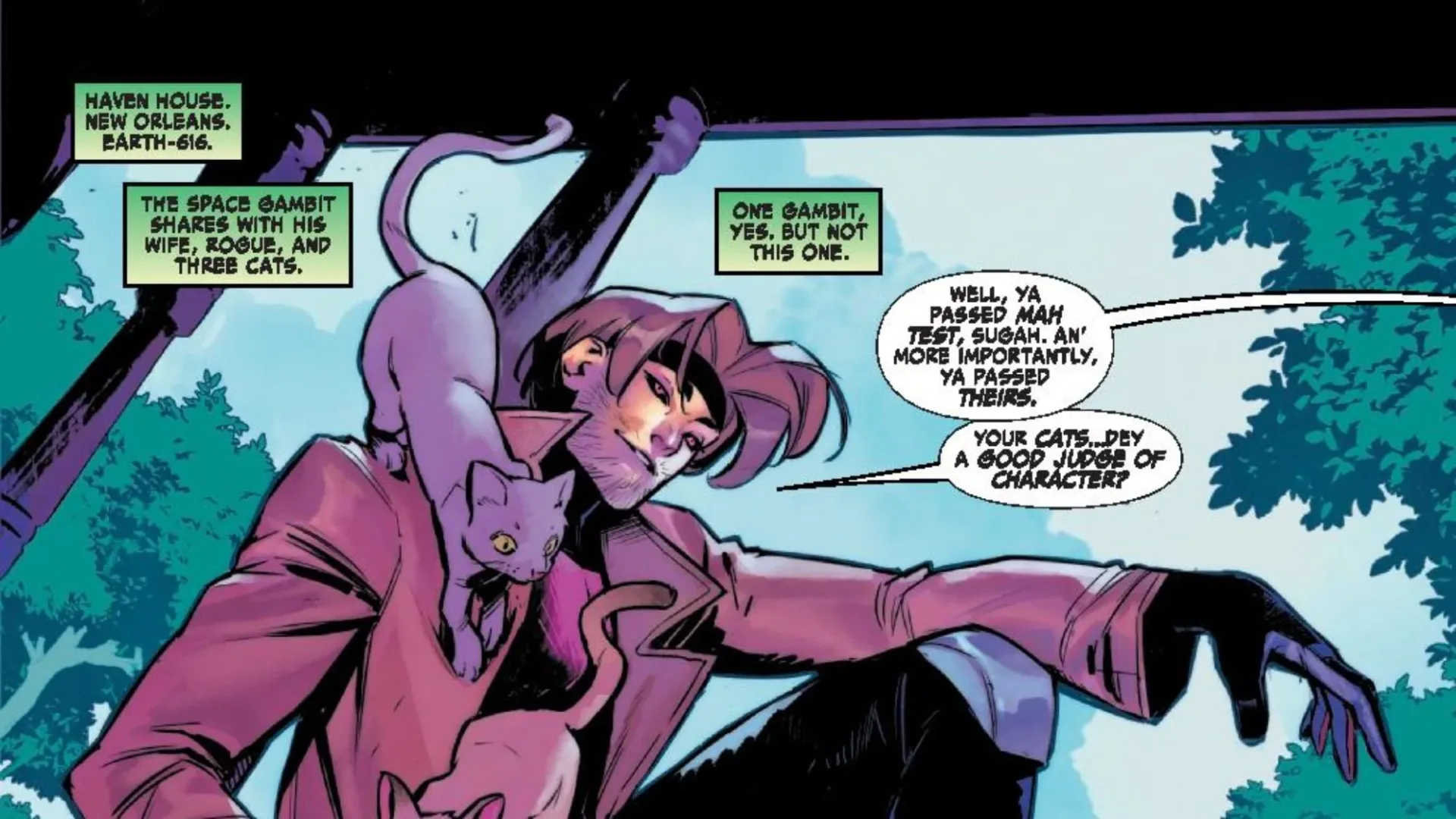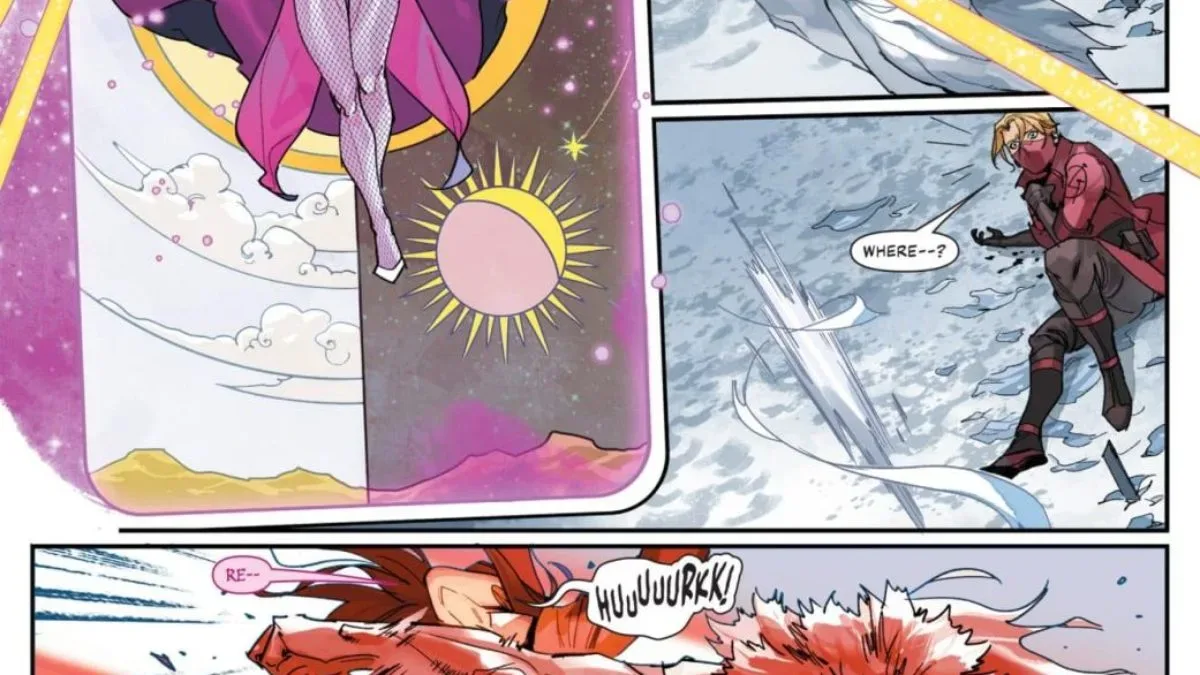
Gambit Gone #3 is set to put two versions of Remy LeBeau on very different jobs when it goes on sale November 25, 2026. One Gambit is fighting to protect the Morlocks in the devastated Age of Apocalypse setting. The other is working with Rogue on what is billed as a Time Diamond heist. Same name, very different priorities—and, apparently, a great deal of opportunity for the kind of disaster that tends to follow a man whose preferred problem-solving tool is an exploding playing card.
The 32-page Marvel issue is credited to Steve Orlando, Gerardo Sandoval and Edoardo Audino, with a cover by Simone Di Meo. It carries a $4.99 US price, a T+ rating, and will also have Peach Momoko Momo-Tone and Leo Chiola variants, each listed at $4.99 US.
Two worlds, two Remys, no easy way home
The central hook is a split between Earth-616, Marvel’s primary continuity, and Earth-295, the reality associated here with the Age of Apocalypse. The solicit frames the issue as two parallel quests: one driven by redemption, the other by personal gain. That division gives the comic a clean dramatic contrast without requiring the two Gambits to want remotely similar things.
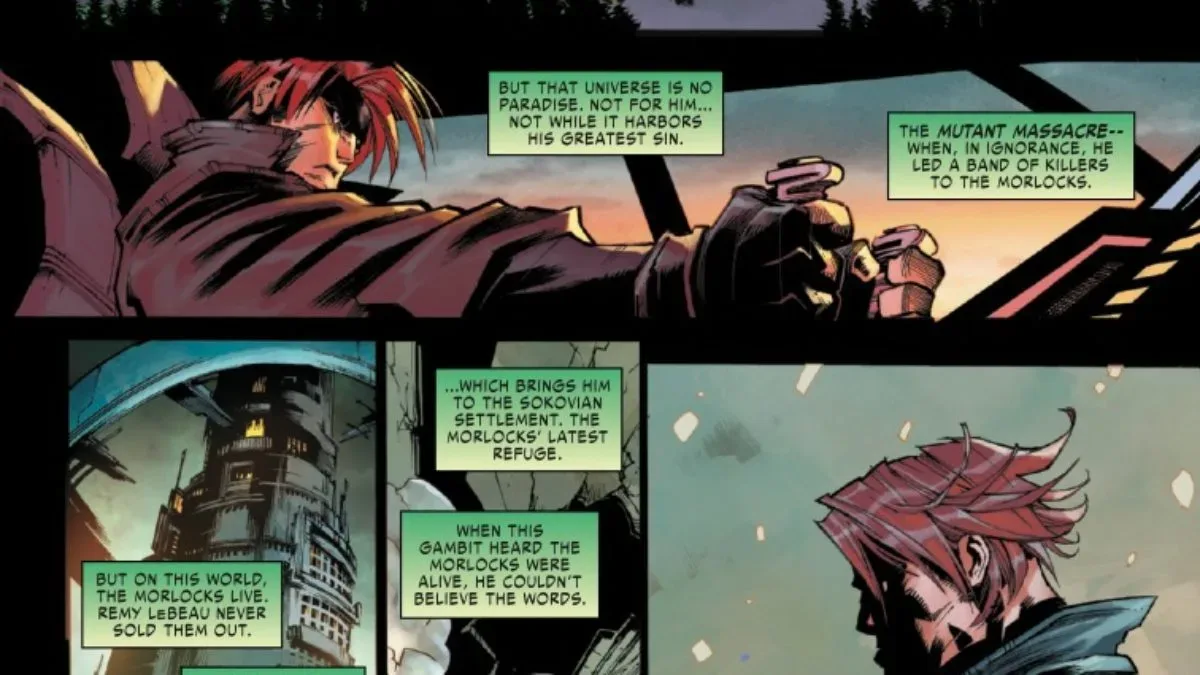
Earth-616’s Gambit is in the Age of Apocalypse, where he is prepared to risk his life defending the Morlocks. The threat is aimed at mutants broadly: a force intends to make them suffer for Apocalypse’s crimes. That matters because it establishes the conflict as collective punishment rather than a personal feud. Gambit’s role is not simply to win a fight; it is to stand between an endangered community and a campaign that treats them as guilty by association.
The Morlocks are therefore the emotional center of that half of the issue’s premise. The available details do not identify the attacking force or explain how Gambit reached this world, but the stakes are explicit. The issue positions him as a defender in a world already defined by ruin, where the cost of helping could be his own life.
What “Age of Apocalypse” means here
Age of Apocalypse is the name used for the world in which this Gambit is operating. In the issue’s setup, it describes a reality ravaged under Apocalypse and marked by the aftermath of his crimes. Readers do not need a catalogue of alternate-universe continuity to understand the essential problem: this is an environment where mutants are being targeted and the consequences of one tyrant’s actions are being imposed on people who did not commit them.
Calling the setting Earth-295 also helps distinguish it from Earth-616. Those labels are continuity shorthand—numerical names for separate realities—rather than a suggestion that there are merely two costumes or two time periods involved. The premise is specifically about two versions of Gambit separated across worlds.
Rogue and the Time Diamond job
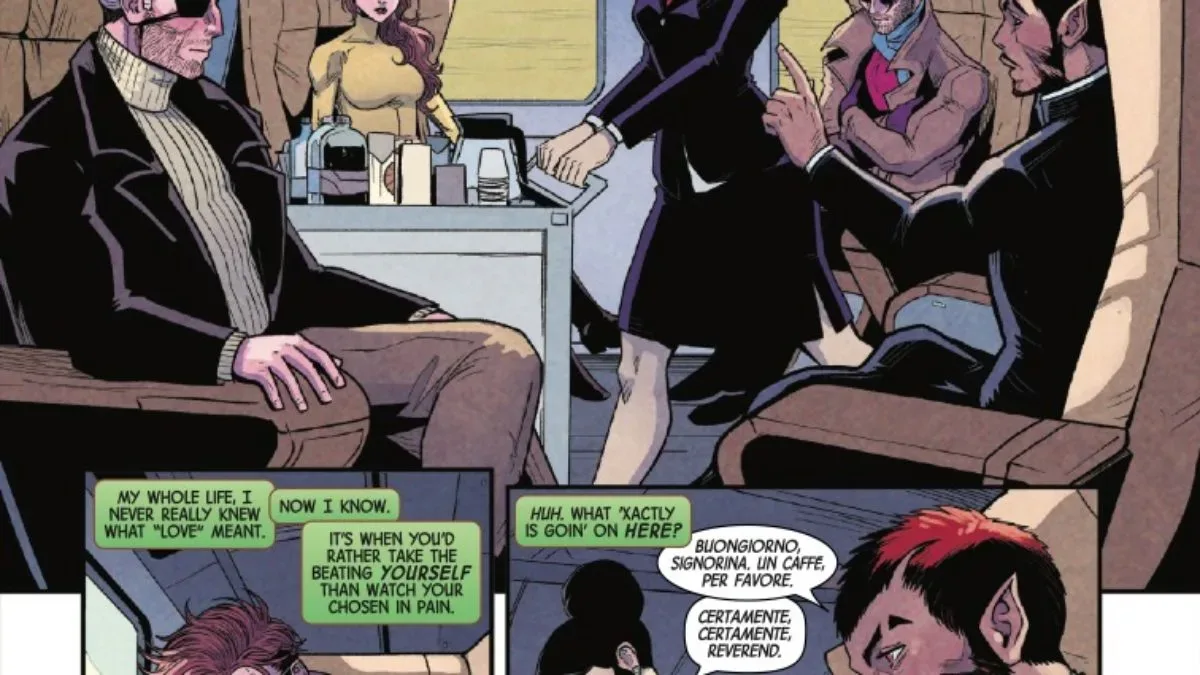
Back on Earth-616, the Earth-295 Gambit has a much less openly heroic objective: he recruits Rogue for a Time Diamond heist. The solicitation deliberately leaves the object’s details unclear, but its name strongly signals that time is part of the risk. A heist already depends on planning, trust and a reliable exit; adding a mysterious diamond with time-related significance is the comic-book equivalent of putting “do not shake” on a box and then hiring Gambit to transport it.
The question hanging over that story is especially pointed: will the operation cost Gambit his life, or Rogue’s? That is not a promise of a specific outcome, but it makes clear that Rogue is not merely there as an accomplice who can punch through a vault door. She is directly exposed to the consequences of the Earth-295 Gambit’s scheme.
There is also a built-in identity complication. This is not Rogue teaming with the Gambit native to her own Earth; it is Rogue dealing with an alternate-world version while Earth-616’s Gambit is elsewhere. The premise can support tension that has nothing to do with a laser grid or stolen gem. An alternate counterpart may look familiar and share a name, but the series is plainly asking readers to consider whether that familiarity deserves trust.
Why the heist matters beyond the loot
A “heist” story normally revolves around acquisition: get in, take the prize, get out. The language surrounding the Time Diamond makes the objective more troubling than a simple score. The Earth-295 Gambit’s quest is characterized as one for personal gain, while the issue explicitly questions whose life may be spent in the process. That contrast makes the moral difference between the two Gambits unusually sharp.
One Remy is taking on danger for the Morlocks, people being punished for someone else’s atrocities. The other is bringing Rogue into danger for a job that apparently benefits him. The issue may complicate that description once readers have the full story, but the advertised setup is intentionally lopsided: self-sacrifice in one reality, self-interest in another.
A character split built around trust
The most useful way to approach Gambit Gone #3 is not as a contest over which Gambit is “the real one.” Both are presented as versions of the character, and each faces a separate crisis. The stronger question is whether actions, rather than names or appearances, determine who can be trusted.
For Earth-616 Gambit, that trust is tested through protection. Defending the Morlocks means making a choice on behalf of people at immediate risk. For Earth-295 Gambit, trust is tested through collaboration. He needs Rogue’s help, but the promised danger means she has reason to scrutinize the plan, his motives and the degree to which he is withholding information.
That makes Rogue’s role particularly important even with limited plot specifics available. She is the person asked to take a leap with a Gambit from another world, while her own Gambit is absent. The situation naturally raises questions about recognition and judgment: how much can someone rely on history with one person when standing beside a different version of him?
The series’ premise also lets the creative team run two kinds of pressure at once. The Morlock plot has the external pressure of an enemy force and lethal stakes. The Time Diamond plot has procedural pressure—the uncertainty of a heist—plus interpersonal pressure between Rogue and a partner whose interests may not align with hers. Neither story needs to repeat the other, even though both center on the same recognizable mutant thief.
Issue details and variant options
- Title: Gambit Gone #3
- On sale: November 25, 2026
- Publisher: Marvel
- Credits: Steve Orlando, Gerardo Sandoval and Edoardo Audino
- Cover artist: Simone Di Meo
- Format: 32 pages
- Rating: T+
- US price: $4.99
- Variants: Peach Momoko Momo-Tone variant and Leo Chiola variant, each listed at $4.99 US
For readers following Marvel’s November 25 comic releases, another supernatural conflict is on the same date: Zatanna #8 sets up a White Coven family reckoning. Gambit Gone #3, however, has a more distinctly multiversal angle: its danger is split across two realities, with a rescue on one side and a theft that could turn catastrophic on the other.
The clearest promise is not simply double Gambit action. It is a test of what changes when two people with the same face, gifts and reputation make opposite choices under pressure. One is trying to keep a persecuted group alive in a broken world. The other is asking Rogue to gamble on a prize that may prove far more costly than either of them expects.