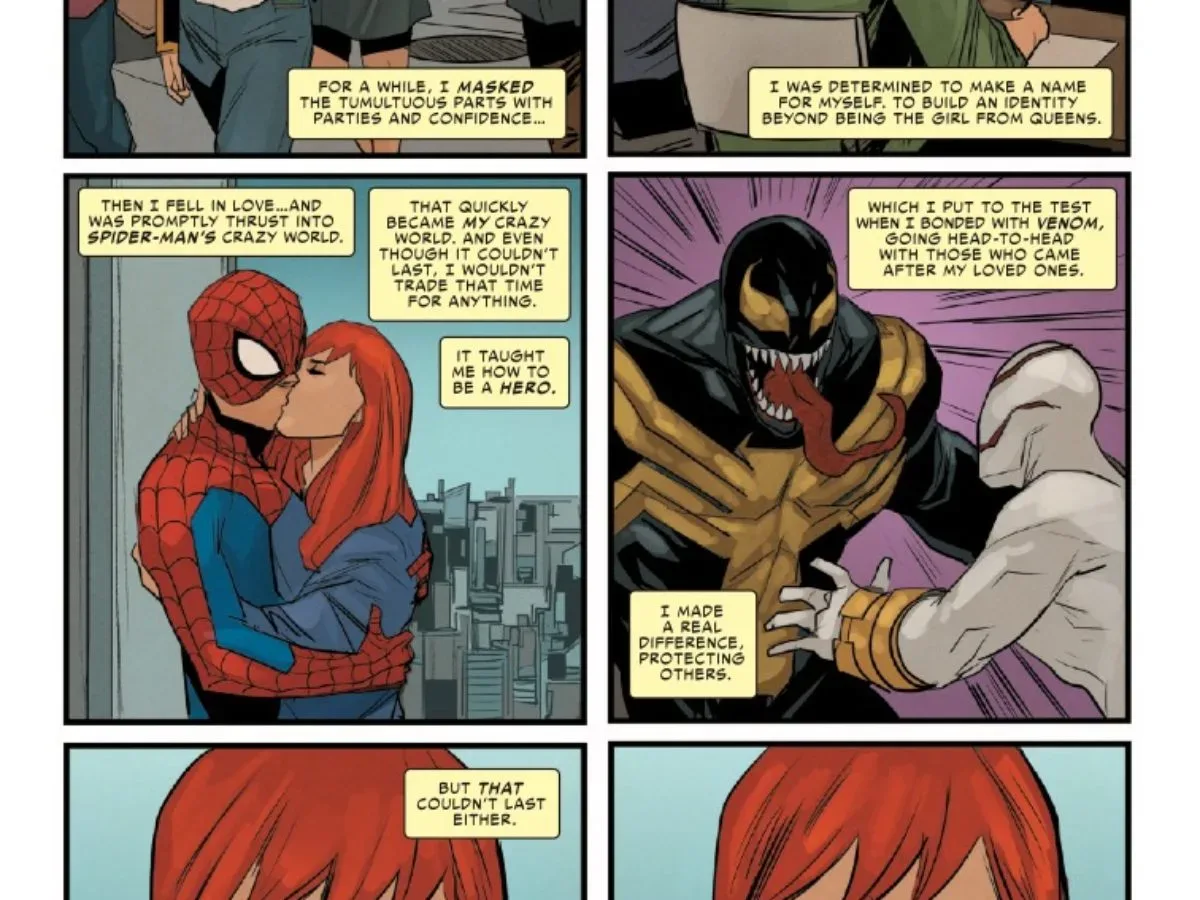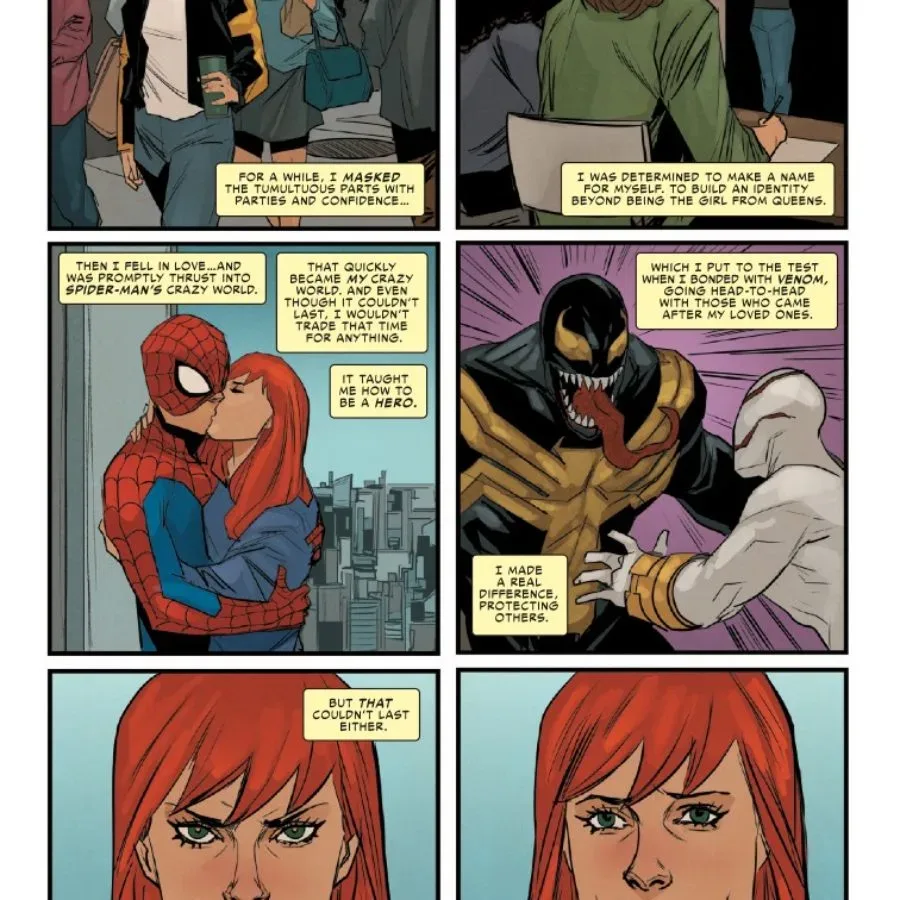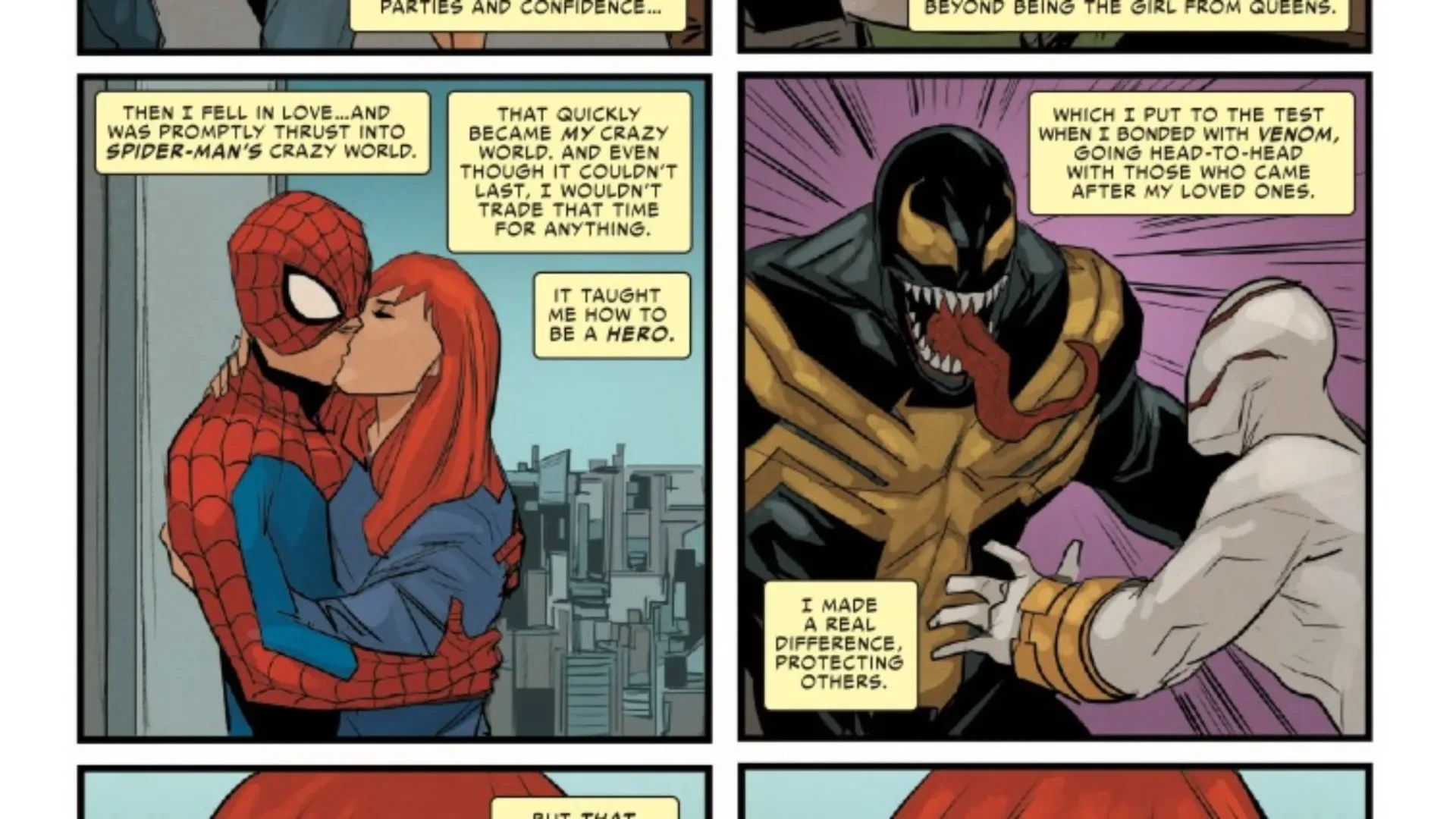
Mary Jane Watson is taking a new professional step in Friendly Neighborhood Mary Jane #1, but the grand opening of Watson Productions will not be allowed to remain a strictly business-focused affair. The new Marvel issue places MJ in the role of producer, with Chameleon targeting her venture for sabotage and a secret gift from Venom forming part of her response.
The 32-page, Rated T debut is scheduled to go on sale November 4, 2026, for $4.99 in the United States and $6.25 in Canada. Ashley Allen writes the series, Phil Noto supplies the interior art, and J. Scott Campbell is credited for the main cover. The premise follows on from the events of Mary Jane: Face It, Tiger and Queen in Black.
Watson Productions is a new direction for Mary Jane
The key change in the first issue is not a new costume or an abrupt relocation: it is Mary Jane assuming a producer’s role. The supplied premise identifies her previous lanes as model, actress and hero, then makes producing the next challenge. That matters because a producer is generally the person organizing a project, guiding its development and making decisions that affect how a production gets made. In other words, the job is about responsibility and creative control as much as it is about the public-facing glamour associated with entertainment.
For a character frequently linked to the world of performance, Watson Productions offers a premise that can move MJ from being the person in the spotlight to someone who has to keep the lights on, make plans work and protect the business she is building. That is a useful engine for a solo title: even before a supervillain appears, an opening night and a new company give the lead character deadlines, professional stakes and relationships outside a conventional superhero patrol.
It also makes Chameleon an especially pointed antagonist for the setup. The synopsis does not specify what shape his sabotage takes, so readers should not assume details beyond the announced conflict. Still, sabotage is naturally suited to a story about a launch event and a new company. It could place MJ’s reputation, her work and the viability of Watson Productions at risk rather than simply creating a threat that can be solved by a larger punch.
Venom’s gift is part of MJ’s toolkit
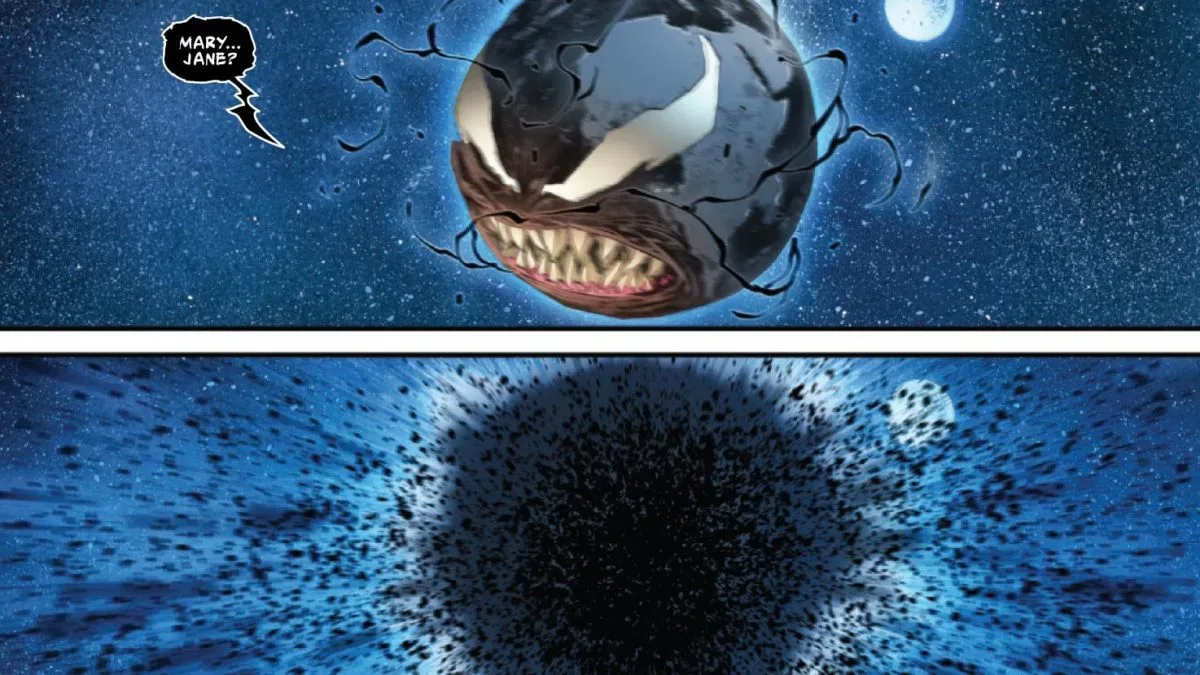
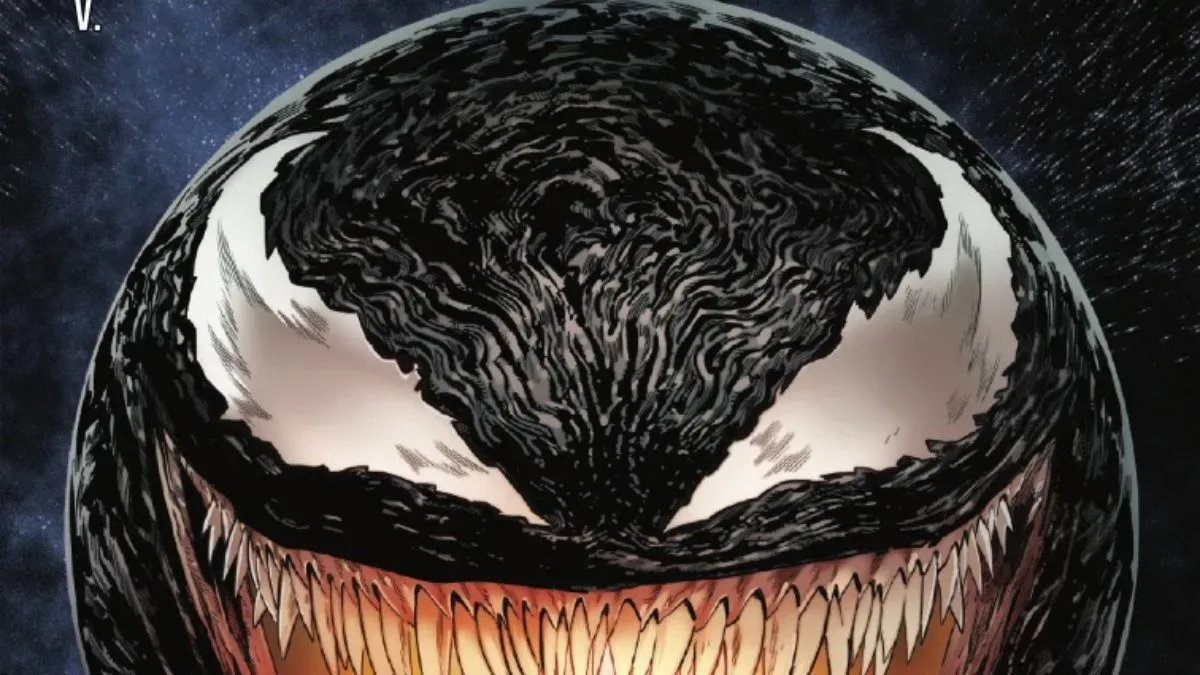
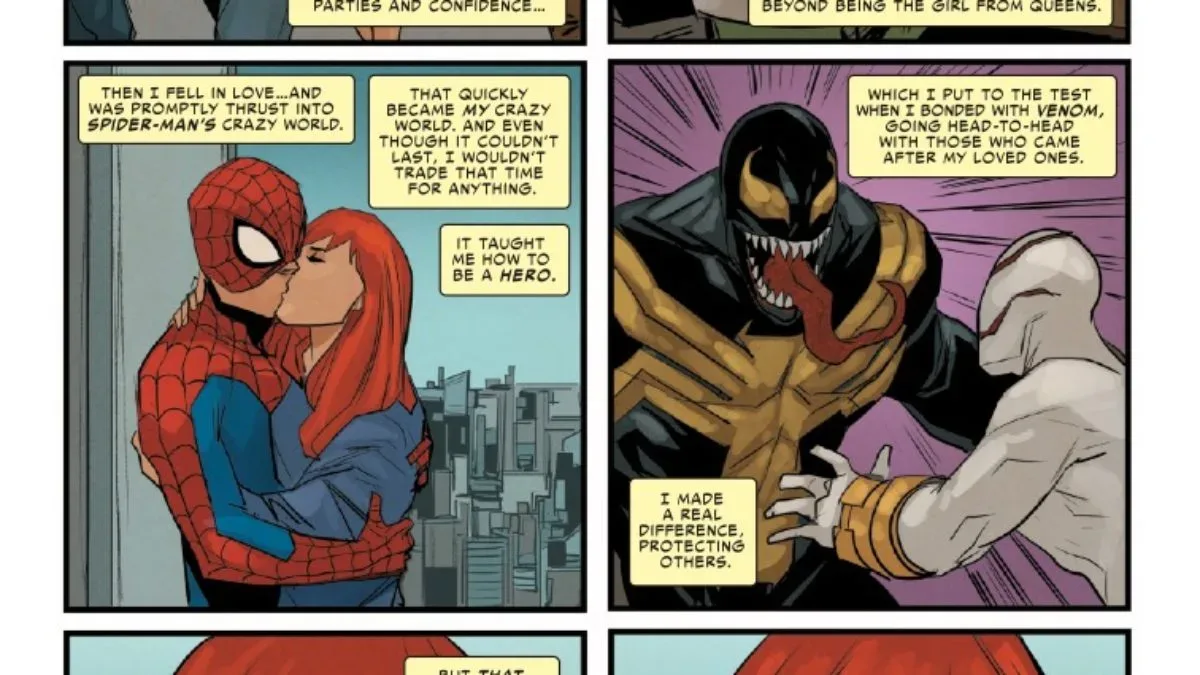
Mary Jane will have access to a top-secret gift from Venom when Chameleon makes his move. The announcement deliberately leaves the item’s full nature unclear. A preview-page reference describes it as, at best, a “Swiss army knife,” an image that suggests a versatile utility tool rather than one narrowly defined power. The exact capabilities, limits and consequences have not been detailed in the supplied material.
That uncertainty is central to the issue’s hook. A concealed tool tied to Venom introduces a connection to the symbiote side of Marvel’s universe while keeping the book’s stated focus on MJ’s own enterprise. Rather than framing her new series solely around a borrowed association, the premise gives Mary Jane a concrete personal project—Watson Productions—and makes the Venom-related element one resource she may use while defending it.
For new readers, a symbiote in Marvel stories is commonly an alien organism that bonds with a host and can grant unusual abilities. The announcement does not establish that MJ herself is bonded to a symbiote in this series, nor does it explain the gift’s mechanics. It does establish only that Venom provided something secret and that it will be relevant to the first clash with Chameleon.
A creative team with a clear visual and character focus
Allen arrives on the book with credits including Magik and Magik & Colossus. Noto is the series artist, making the launch a writer-artist pairing rather than an issue built around an uncredited rotating interior team. With a protagonist entering film and production-world territory, the series has a premise where professional spaces, social occasions and public image can carry as much dramatic significance as an action sequence.
The available description does not reveal the supporting cast, the scope of the series, or whether Spider-Man will appear. It is best read as a Mary Jane-led opening chapter, with her business ambitions and Chameleon’s interference at its center. The “Friendly Neighborhood” title also positions the book close to Spider-Man’s corner of Marvel without promising a particular Peter Parker role in the debut.
What the spinout references mean
Marvel identifies Mary Jane: Face It, Tiger and Queen in Black as the storylines from which the new adventure spins out. A spinout is a comic that takes characters, circumstances or unresolved threads from an earlier story and develops them in a separate title. That can reward readers who followed those books, but the solicitation frames the first issue around a fresh, easy-to-state situation: Mary Jane launches a production company, then has to stop Chameleon from ruining it.
The two references also indicate that the Venom-related thread is not appearing from nowhere. The secret gift has a stated connection to prior material, even if the announcement avoids laying out the full explanation. Readers interested in continuity may want to keep those titles in mind; readers primarily curious about MJ as a producer have a straightforward entry premise in issue #1.
Issue #1 cover choices and ordering details
In addition to Campbell’s main cover, the debut has several listed variants. A variant cover is an alternate piece of cover art for the same comic issue; it does not signal different interior story content. The announced options are:
- Russell Dauterman variant cover
- Simone Di Meo 1:25 variant
- Mr. Garcin variant cover
- Bruce Timm variant cover
- Peach Momoko Momo-Tone variant cover
- J. Scott Campbell 1:100 virgin variant
The ratios on the Simone Di Meo and J. Scott Campbell variants are retailer-incentive designations. A 1:25 cover is tied to an ordering ratio of one qualifying copy for every 25 eligible copies ordered, while a 1:100 cover uses a one-per-100 ratio. Those figures describe retailer ordering conditions, not a guarantee that every shop will carry the cover. A virgin variant generally means cover art without the usual trade dress, such as the logo and other standard text elements.
For readers who simply want the story, the standard cover is the uncomplicated option. Anyone seeking a particular variant should ask a local comic shop about availability and ordering policies ahead of the November 4 on-sale date. Cover preference is personal, and the published listing does not claim that one edition carries exclusive story pages over another.
Why the premise has room beyond the opening-night problem
At its most immediate level, Friendly Neighborhood Mary Jane #1 is about an opening night under attack. Its broader appeal will depend on how the series develops the practical consequences of Watson Productions after that launch. A company gives Mary Jane a durable setting and an ongoing purpose: projects have to be planned, collaborators have to be trusted and crises can arrive in ways that affect more than a single evening.
That makes the debut’s professional angle more than a decorative backdrop. Chameleon’s sabotage creates a first obstacle, while MJ’s producer status provides a reason for the conflict to matter on her own terms. The Venom gift adds a Marvel-universe complication, but the clearest promise is a story of Mary Jane trying to build something public and personal while facing someone determined to undermine it.
Comic stories also remain part of a larger cultural ecosystem, from new single issues to institutions that preserve the medium’s history. For a separate example of that preservation work, Lucca’s planned permanent comics museum illustrates the continuing attention being paid to comics beyond their original release cycle.
Friendly Neighborhood Mary Jane #1 is due November 4, 2026, from Marvel. It is written by Ashley Allen with art by Phil Noto, has a main cover by J. Scott Campbell, runs 32 pages and carries a $4.99 US cover price.