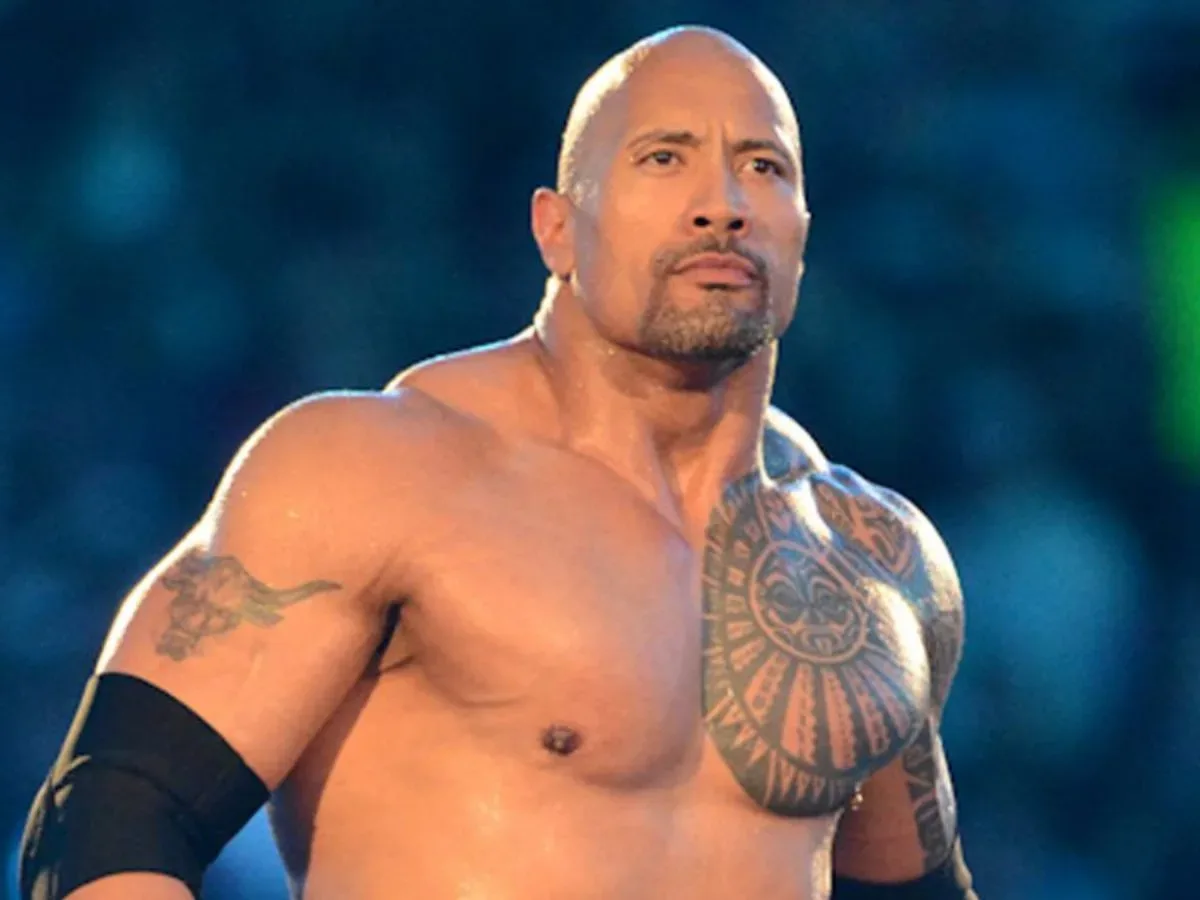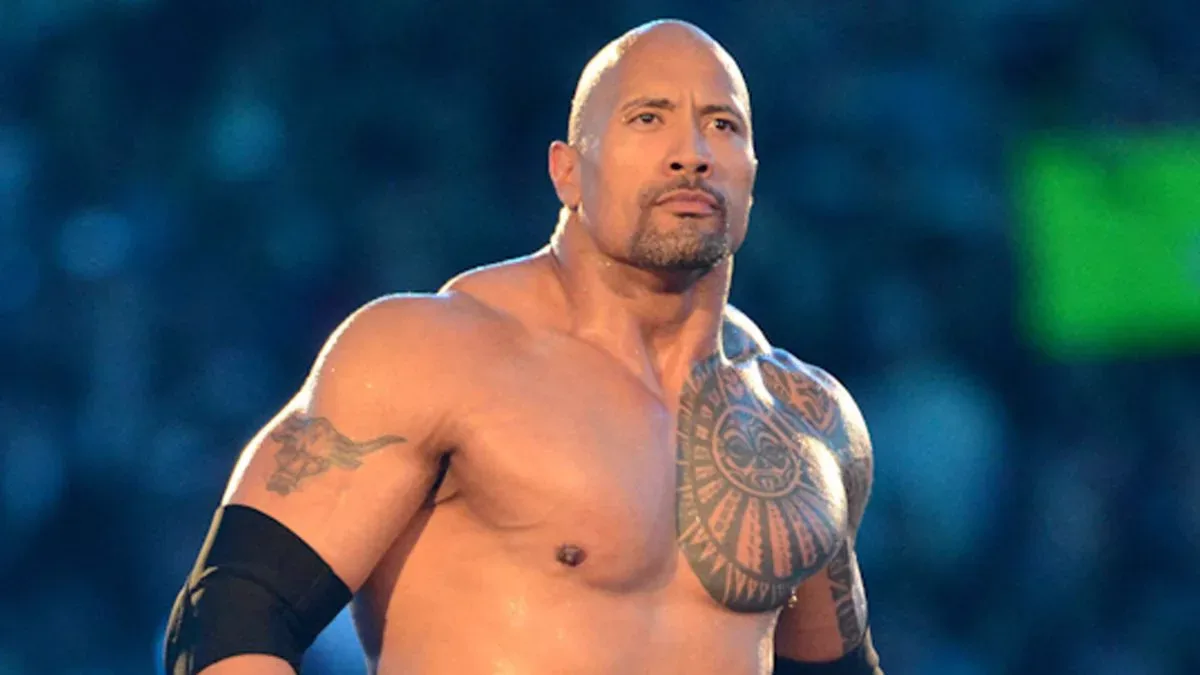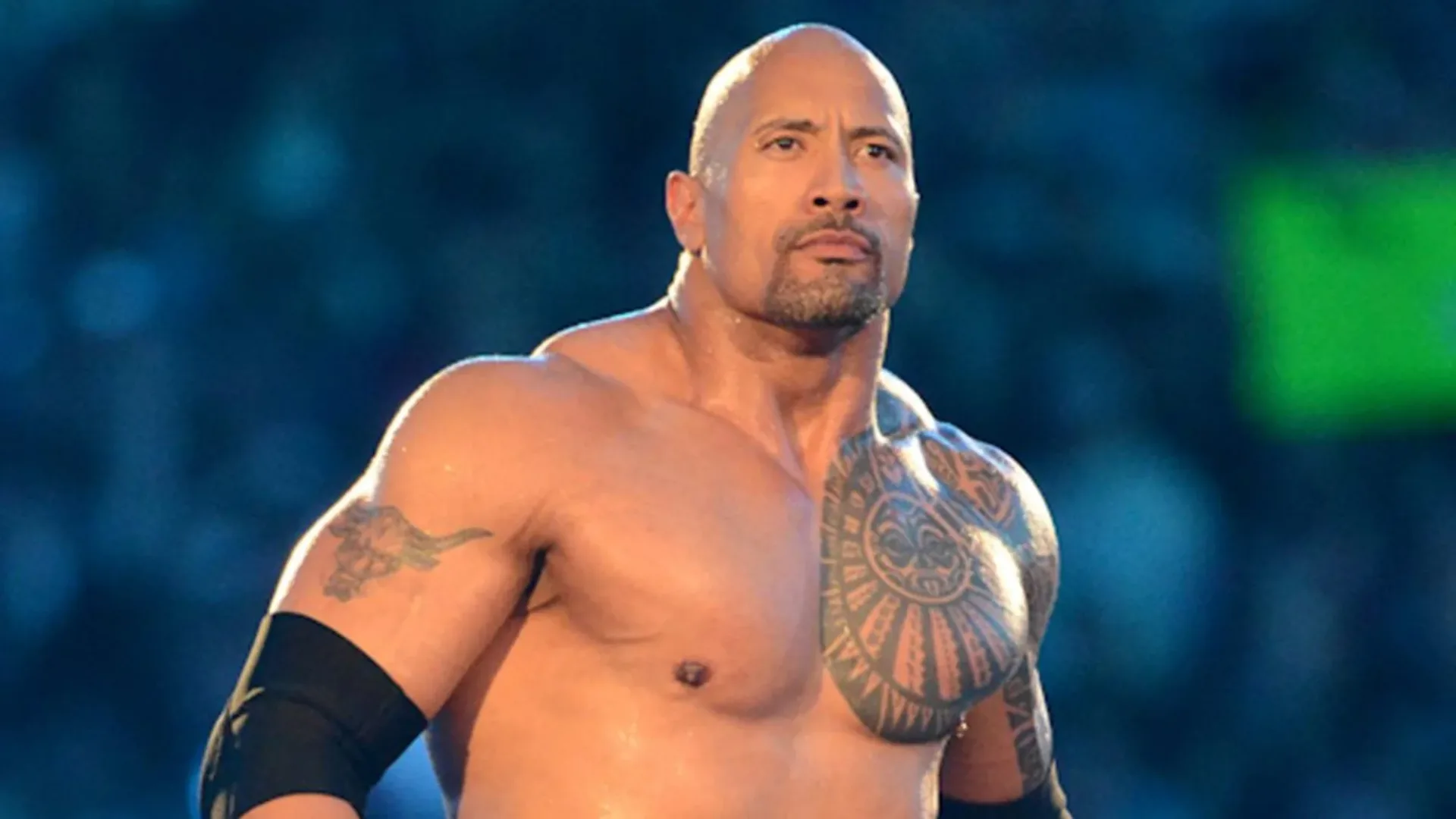
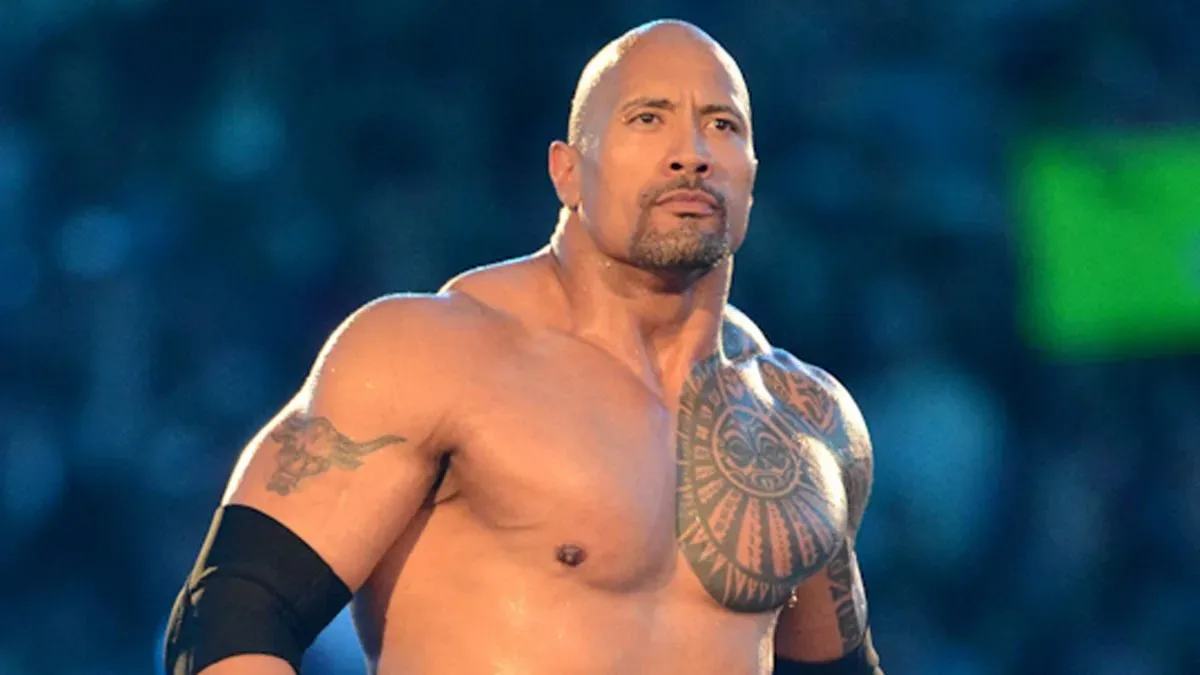
There was apparently a version of the comic-book business in which Dwayne “The Rock” Johnson did more than promote a project or headline an adaptation: he owned the publisher helping create the next one.
Ross Richie, the BOOM! Studios co-founder, has said Johnson was among the interested parties when the company was being positioned for sale in 2021. The prospect was not framed merely as a celebrity purchasing a recognizable name. Richie’s description points to a more ambitious idea: a publisher that could turn the creative interests of major Hollywood figures into new comics, characters and potentially interconnected fictional worlds.
That transaction never happened. Richie said the timing did not line up, citing Johnson’s many commitments, including football ventures, alongside the presence of other buyers ready to move. Penguin Random House ultimately acquired BOOM! Studios in 2024.
It is an entertaining what-if—The Rock, BOOM!, and a company-sized people’s elbow into the comics market—but it also highlights why celebrity-created comics have become such an interesting proposition. A famous participant can deliver attention. A publisher still has to turn that attention into a book, a readership and, ideally, a character with a life beyond the initial burst of publicity.
The BRZRKR model behind the idea
Richie situated the Johnson talks around the launch period of BRZRKR, the series created by Keanu Reeves with Matt Kindt and Ron Garney. In his telling, that book demonstrated what could happen when a Hollywood name with a genuine interest in comics works closely with experienced comic creators.
That distinction matters. “Celebrity-created” does not mean a comic is made by one person in isolation, and it should not be read that way. Comics are collaborative by nature: a concept must be shaped into a script, then translated through pencils, inks, colors, lettering, covers, editing and production. Richie specifically emphasized the panel-by-panel work between Reeves and the established comics talent on BRZRKR.
For an entertainment figure, a comic can offer a different kind of creative runway than a screen production. It can introduce a setting or character without the same visible machinery of casting, sets and a finished production. For a publisher, the star’s involvement can provide a powerful way to put an original property in front of people who may not otherwise visit a comics shop or follow monthly releases.
Richie imagined Johnson in an ownership role that could broaden this approach: invite other prominent talent to make comics, develop original characters and build one or more storytelling universes. A shared universe, in this context, is a group of stories whose characters, places or events can overlap. It can be as light as a recurring location or as extensive as a planned web of crossovers. Richie’s remarks described a possibility, not a slate of announced Johnson projects, so there is no basis to treat any particular series, character or crossover as something that was in development.
Why an acquisition is more than a famous name on a masthead
BOOM! Studios was founded in 2005 by Richie and Andrew Cosby, beginning in a spare bedroom in Richie’s Los Angeles apartment. Richie later stepped back from daily operations and became chairman of the board. By 2021, he was seeking to sell the business.
Buying a publisher is fundamentally different from attaching a celebrity to a single comic. An acquisition places the buyer near the center of decisions about a company’s direction, resources and long-term priorities. The attraction of the idea Richie described is clear: Johnson’s visibility could have amplified a push toward Hollywood-connected original work, while BOOM!’s publishing operation could have supplied the editorial and production structure required to make those books.
But visibility and publishing infrastructure solve different problems. Celebrity involvement may generate curiosity at launch; editorial teams and creators have to make the work compelling enough to sustain readers after that first announcement. A potential owner would also have to balance any new strategy with the publisher’s existing identity and catalog.
That is why Richie’s account is more revealing as a look at a business direction that might have been than as evidence of a near-complete entertainment universe. The specific outcome he confirmed is limited: Johnson was interested, the conversations went beyond a basic acquisition discussion, and the deal did not come together.
Timing decided the outcome
Richie’s explanation for the failed sale talks is notably practical. Johnson had a great deal on his schedule, including football-related ventures. At the same time, BOOM! had other interested buyers approaching quickly. In acquisitions, momentum can matter as much as enthusiasm. A buyer can be genuinely interested yet unable to move at the pace a seller requires.
That is the less glamorous side of the story—and perhaps the most important one. The imaginative pitch of a Hollywood-powered comics hub may have been appealing, but it did not remove the need to reach terms and close at the necessary time. BOOM! could not wait indefinitely while other bidders were active.
Penguin Random House’s 2024 acquisition is therefore the concrete endpoint of the process, rather than Johnson’s unrealized ownership plan. The headline-friendly version is that The Rock was beaten to BOOM! by a penguin. The business version is that another buyer was able to complete the transaction.
What readers should and should not infer
There is no announcement here of a Dwayne Johnson comic, a canceled BOOM! title, or a secret shared universe sitting in a vault. Richie's comments describe an acquisition conversation and an aspiration for what ownership under Johnson might have enabled. It is useful to keep that boundary clear, especially in an industry where early concepts can easily be mistaken for released plans.
There is also no reason to reduce the story to the suggestion that celebrity involvement is automatically either a shortcut to success or a distraction from comics creators. The BRZRKR example as Richie presents it depends on collaboration: a recognizable creative partner working with Kindt and Garney, not replacing them. The potential Johnson-led model similarly rested on opening the door to more talent while a publisher handled the business of making and distributing comics.
For comics readers, the practical takeaway is modest but interesting. Original projects tied to well-known entertainers can bring a larger audience to the medium, provided the creative work receives the same care as the name attached to it. For publishers, the challenge is making a strong first premise into a durable line of stories rather than relying solely on launch-week attention.
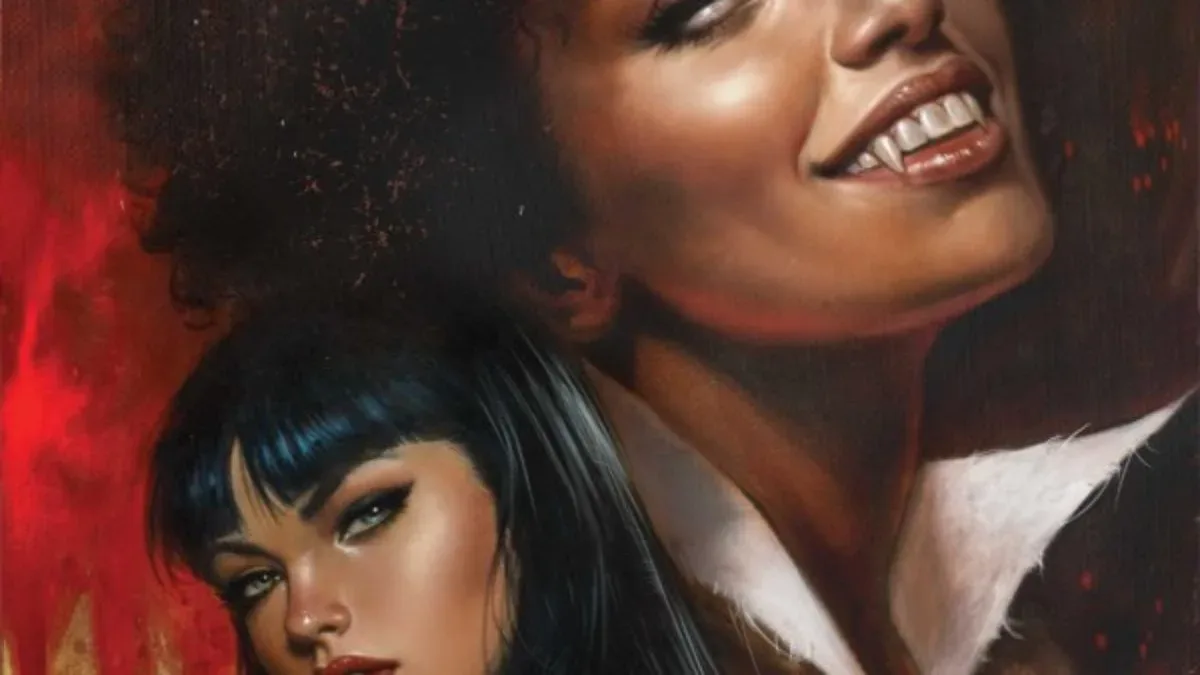
BOOM!’s would-be Rock era remains a hypothetical. Still, it offers a glimpse of how the company’s leadership saw the momentum around BRZRKR: not just as one book’s opportunity, but as a possible template for a publisher built around new, creator-driven properties with Hollywood connections. Readers interested in how established writers continue to approach comics properties can also see Christopher Priest’s comments on Vampirella and its upcoming continuity-free manga special.
Richie’s next project is a Kirby cover collection
Richie is now focused on a separate publishing project: a 200-page hardcover collection of Jack Kirby covers from work outside Marvel and DC. He plans to launch that book through Kickstarter and has invited interested readers to sign up for notification when the campaign goes live.
The project is distinct from the BOOM! sale story, but it underscores the through-line in Richie’s career: comics publishing, comic-book art and the creators behind it. His recollection of the Johnson conversations adds one unusual chapter to that history—not a completed deal, but a plausible alternate route for a publisher that ultimately found a different owner.