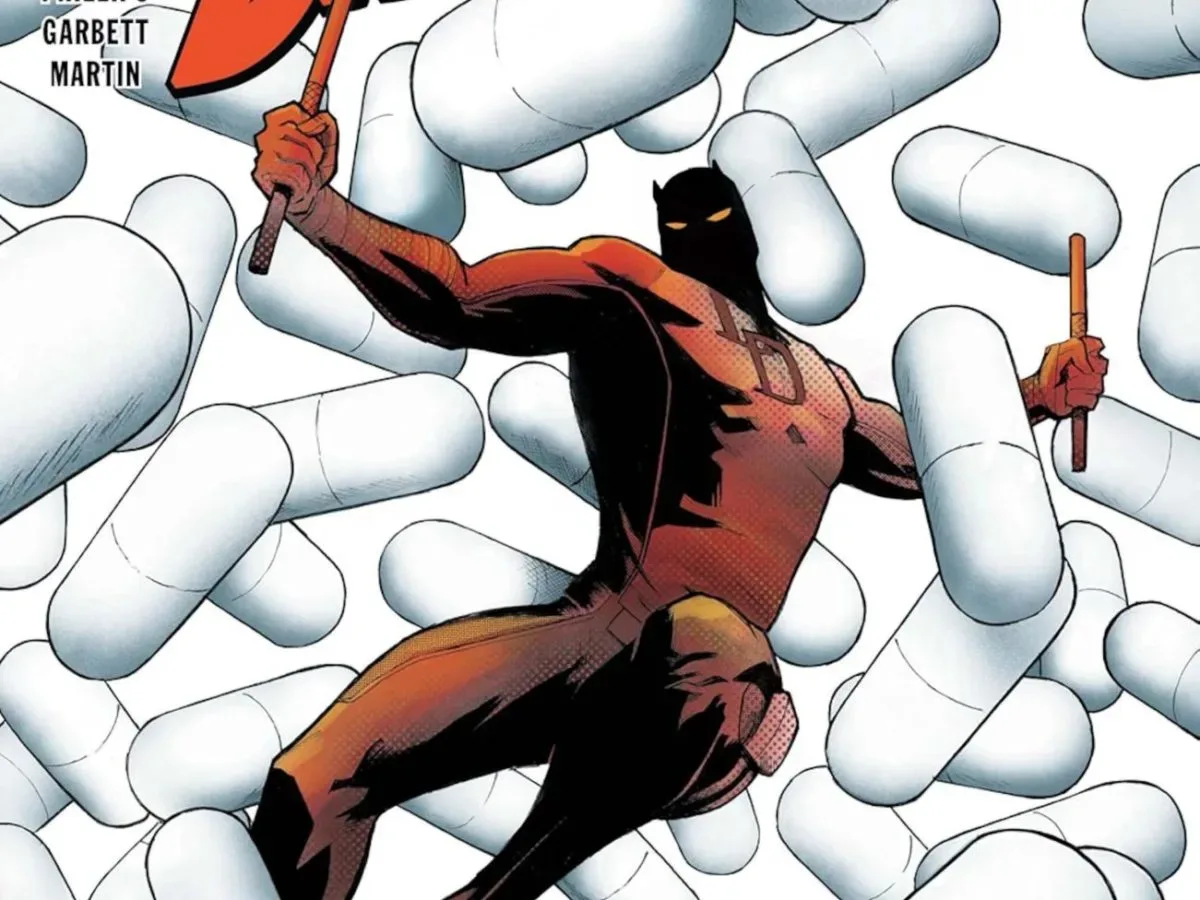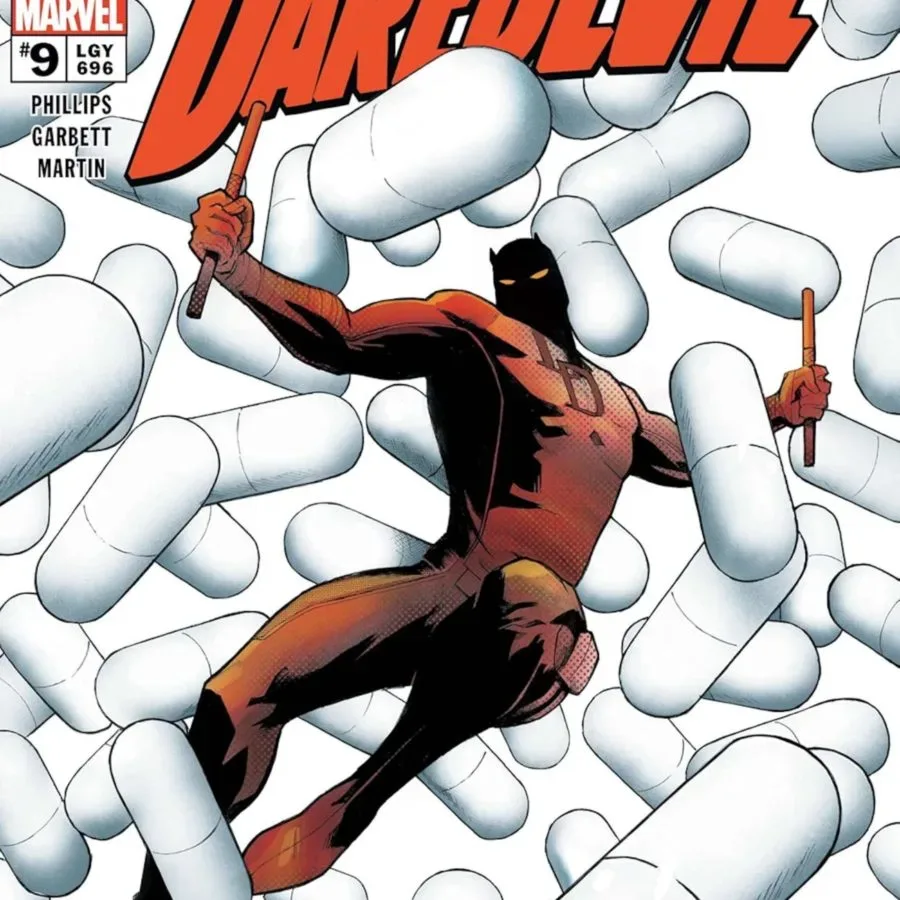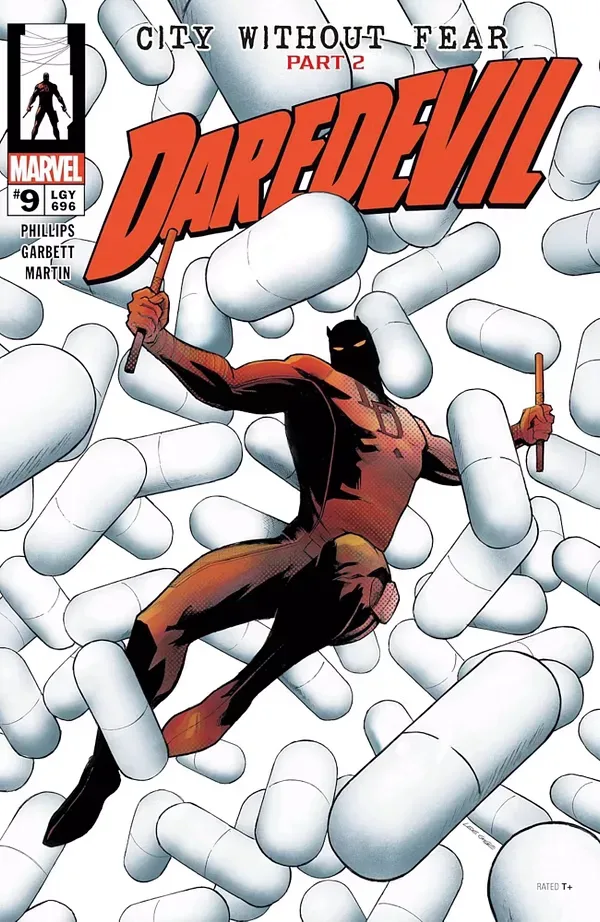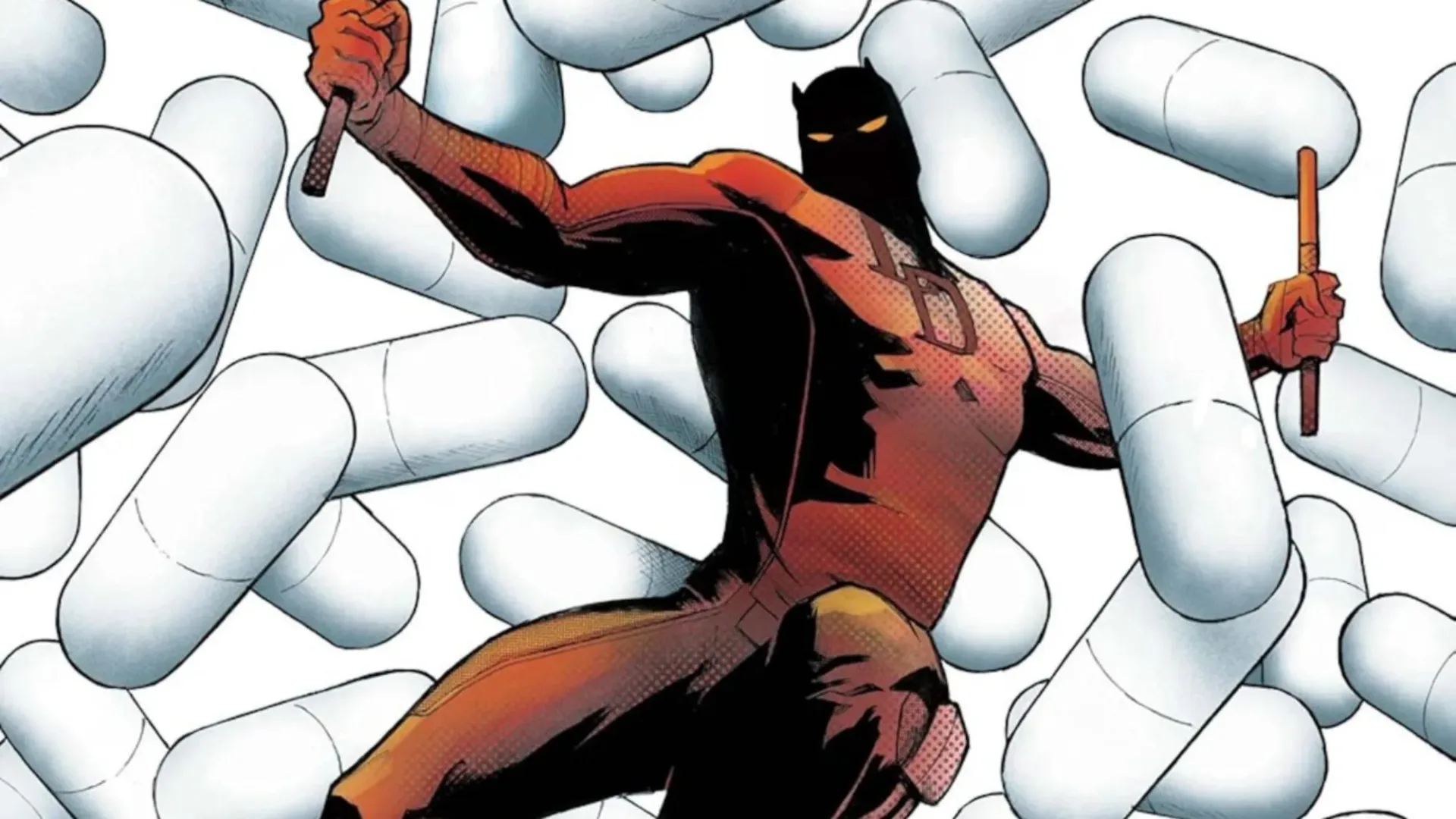
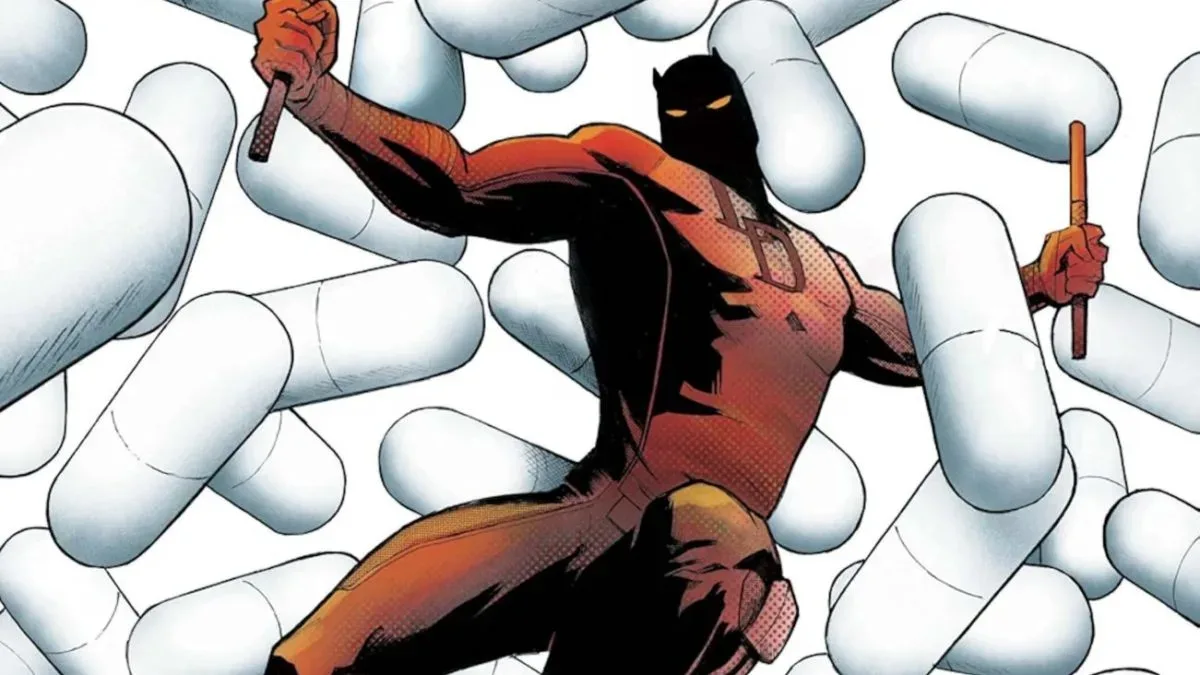
Daredevil #9 is heading into the Wednesday, November 11, 2026, release slate with the strongest measured pre-release interest in a widely used comics pull-list tracker. The issue, from writer Stephanie Phillips and artist Lee Garbett, ranks ahead of The Amazing Spider-Man #1003 and Transformers #38 in the tracker’s anticipated-comics chart.
That placement is a notable sign of attention for the current Daredevil run, especially on a week without an Absolute title or the ongoing Batman series in the mix. It puts a street-level Marvel book ahead of a major Spider-Man milestone-numbered issue and a long-running Transformers series, two titles with their own obvious built-in audiences.
Still, the key word is interest. Pull-list figures can tell readers which comics people have marked, followed, or intend to acquire. They do not prove final sales, retail sell-through, or the quality of an individual issue. That distinction matters when using weekly anticipation charts as a guide to the direct market.
What Daredevil #9’s position actually indicates
A pull list is, at its simplest, a reader’s running list of comics they want to keep track of or receive. For comic-shop customers, it can be tied to a standing subscription: the retailer sets aside each new issue for a customer. Online services also let readers create digital lists without necessarily connecting them to a particular shop.
The data behind this week’s ranking comes from a comics-tracking service with a subscriber base in the hundreds of thousands and usage by more than 100 retailers for managing subscriptions and customer pulls. That gives the chart a meaningful view of active comic readership, but it is not a complete snapshot of all comic buyers.
For Daredevil #9, first place means more users had marked the issue than the other comics in this particular weekly comparison. It is reasonable to read that as encouraging momentum for Phillips and Garbett’s work on the character. It is not evidence that the comic has already outsold every other issue, nor does it establish why readers added it to their lists.
Comic audiences can follow a title for many different reasons: attachment to a character, confidence in a creative team, a storyline already in progress, collecting habits, or simply the convenience of having subscribed to a series months earlier. A ranking captures the resulting intent signal, not the private motivation behind each click or subscription.
Spider-Man and Transformers remain the closest competition
The Amazing Spider-Man #1003 takes the second spot in the week’s anticipated rankings, immediately behind Daredevil #9. Spider-Man is one of Marvel’s most durable ongoing properties, so a high placing for a newly released issue is unsurprising. What is more interesting is that it sits just below Daredevil in this measure of advance attention.
Transformers #38 is third. Its placement shows that the week’s conversation is not solely centered on superhero publishers or Marvel characters. The property has a long history across comics and other media, and an issue in the high thirties has the advantage of representing an established ongoing reading commitment rather than a one-off curiosity.
Together, the top three paint a clearer picture than any single title could. Readers using pull lists are showing strong interest in a mix of superhero continuity and licensed science-fiction comics, with Daredevil currently at the front. That is a useful reading of the chart; trying to turn it into a definitive market verdict would go too far.
Why a pull is not the same thing as a sale
Weekly comics charts are easy to overstate because the language of a “pull” sounds close to the language of a purchase. They are related, but they are not interchangeable.
- A pull can reflect planned buying: A reader may use the service to maintain a list for a local comic shop or to remember an upcoming digital purchase.
- A pull may be only a bookmark: Some users track series they are curious about without committing to buy every issue.
- Not every reader uses the same service: The chart represents the habits of its user base, not the entire comics audience.
- Long-running books carry historical momentum: A series added to a reader’s list long ago may remain there even if their current enthusiasm has cooled.
- Variant covers are counted separately: The reported list does not roll variant-cover interest into a single title total, because each cover has its own pull count.
There is another important limitation: an online pull-list action can be disconnected from any confirmed transaction. The list can include readers planning a shop purchase, a digital purchase, or other forms of access. That is why the figure is best described as an anticipation metric—a measurement of declared attention before release—rather than a sales report.
For retailers, however, those signals can still be useful. Standing pulls are part of the practical rhythm of weekly comics ordering and customer service. A title attracting more list additions may be one worth watching for demand, particularly if the pattern is sustained. But the tracker alone cannot reveal how many copies an individual store ordered, how many sold from the shelf, or whether customers return for later issues.
How readers can use the weekly ranking
The most productive way to use an anticipated-title chart is as a discovery tool. A high ranking can spotlight a book that has generated enough ongoing attention to rise above an unusually crowded release week. In Daredevil #9’s case, it emphasizes that Phillips and Garbett’s run has a visible audience following it into its ninth issue.
Readers who already follow Daredevil may see the No. 1 placement as reassurance that the run has traction. Readers who have not started it can treat the result as a prompt to check the series premise and earlier issues before jumping in. The ranking itself does not tell a newcomer whether issue #9 is a suitable entry point, so it should not replace checking publishing information or asking a local retailer.
The same applies to The Amazing Spider-Man #1003 and Transformers #38. High anticipation identifies attention, not accessibility. An issue number in the hundreds or dozens often implies existing continuity, and readers may want to confirm whether the release is part of an ongoing arc before buying it as a first issue.
For more Marvel reading around this week’s comics conversation, see Wade Wilson: Deadpool #10 Sends the Merc Mobile Into the Everglades.
A vote of confidence, not a final scoreboard
Daredevil #9’s leading position is meaningful precisely because the chart has boundaries. It reflects real reader engagement on a platform used for comics tracking and subscription management, and it places Phillips and Garbett’s issue ahead of two highly recognizable competitors for the November 11 slate.
But it remains a pre-release indicator shaped by the tracker’s audience, persistent series subscriptions, separate variant listings, and the difference between expressing interest and completing a purchase. The proper takeaway is straightforward: Daredevil #9 has the week’s strongest visible pull-list momentum, while The Amazing Spider-Man #1003 and Transformers #38 are close behind. The eventual sales picture is a separate question.