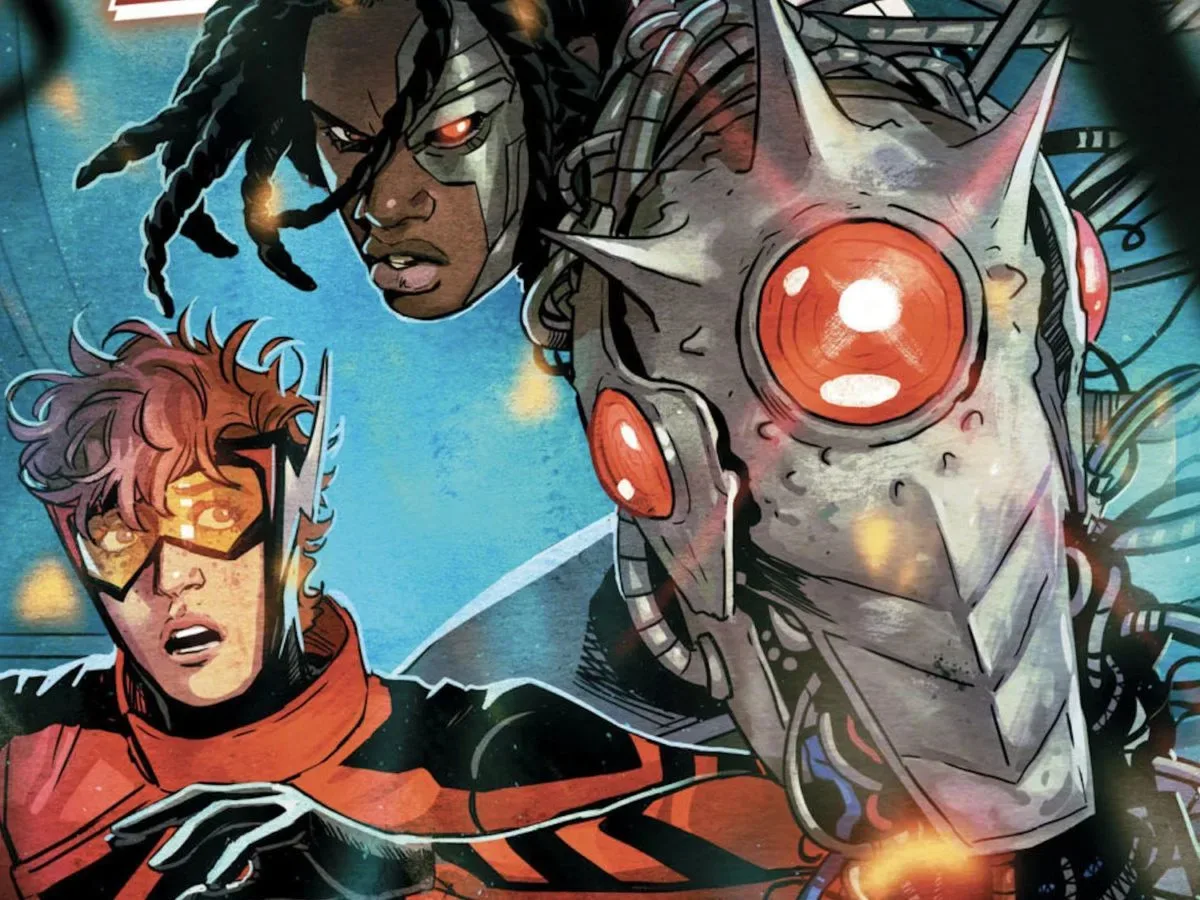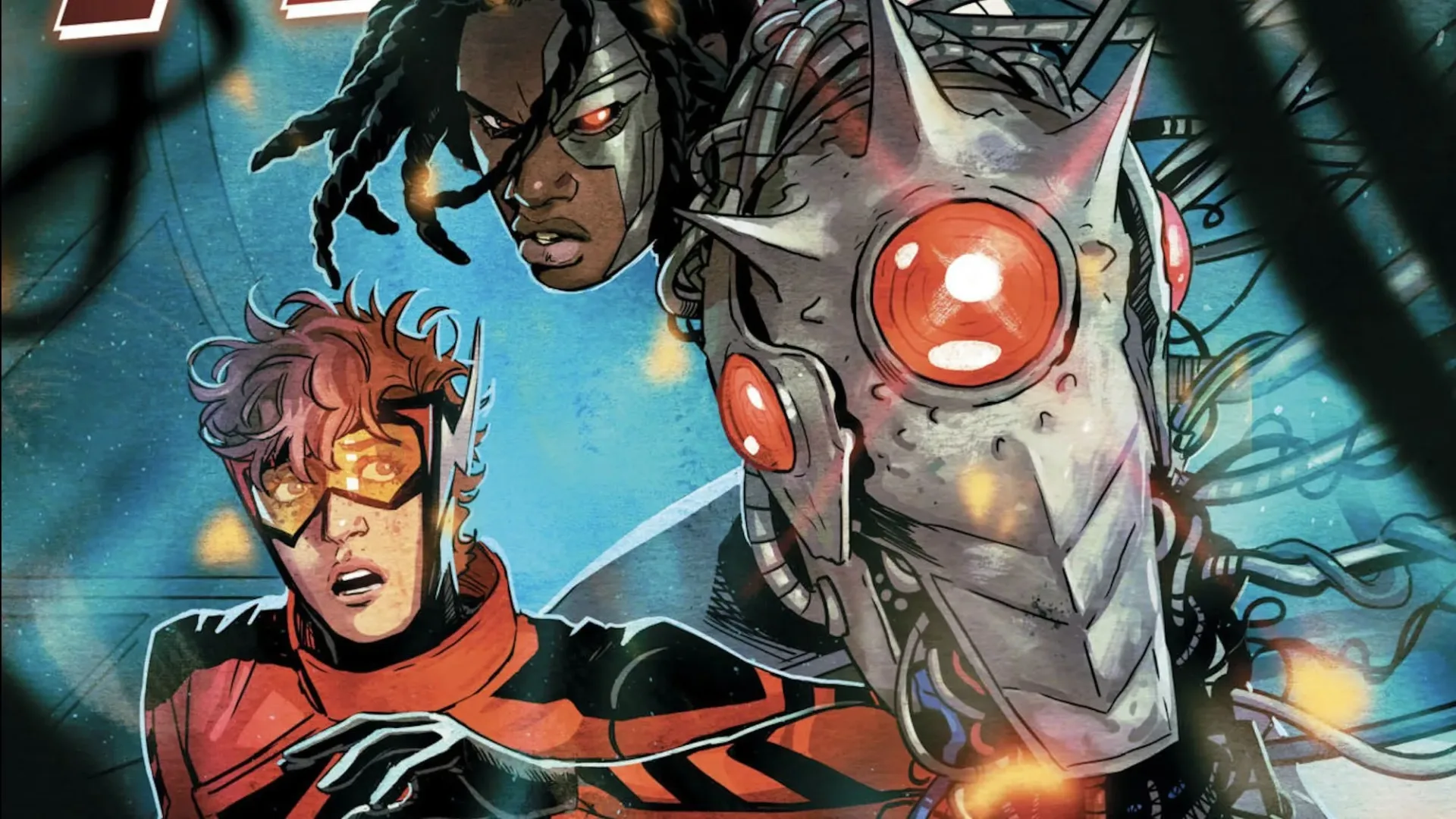
Absolute Flash #21 is the most anticipated comic on a pull-list-based chart for Wednesday, November 18, 2026, returning the Absolute line to the top of the conversation after it was absent from the prior week’s view. Close behind are the second issues of Marvel’s Midnight titles, including Midnight Spider-Man #2, Midnight X-Men #2, and Midnight Fantastic Four #2.
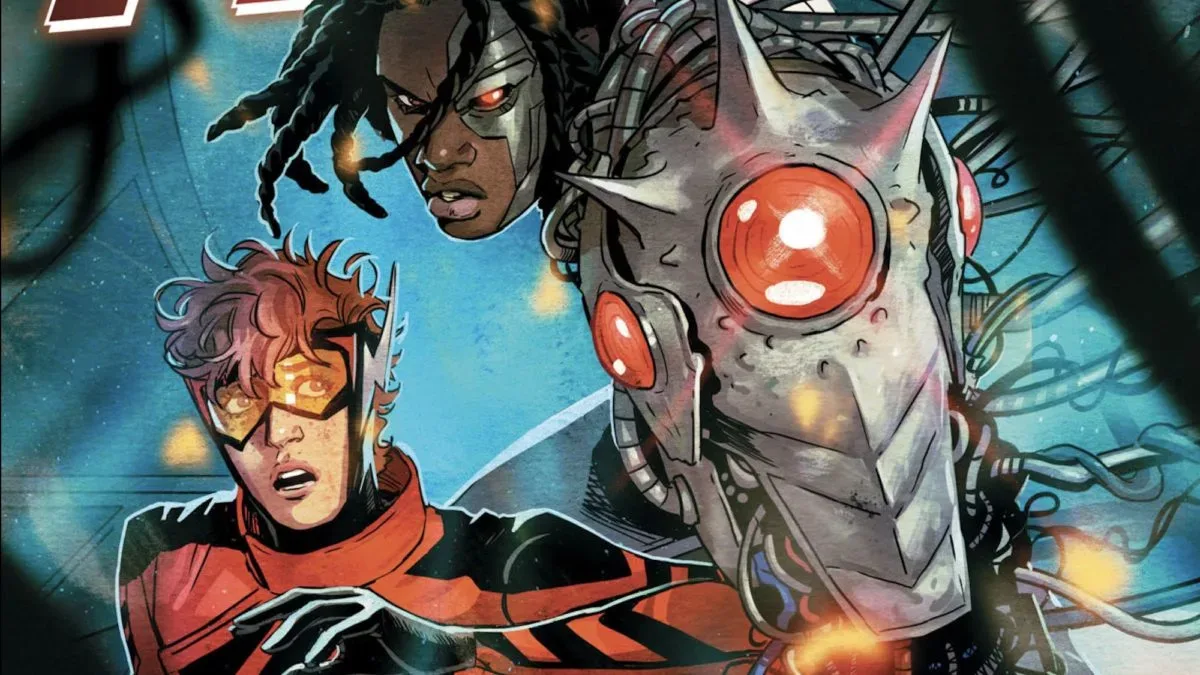
The week’s interest picture is not limited to those launches and follow-ups. DC has a particularly broad presence among the titles drawing attention, with Nightwing, Detective Comics, Wonder Woman, Superman Unlimited, and Batman/Superman: World’s Finest all highlighted. A new-look Absolute Cyborg is also among the releases helping put the Absolute imprint back in focus.
That makes November 18 a useful snapshot of how comic readers organize their weekly reading: an established series can lead the list, fresh second issues can sustain the curiosity created by a debut, and familiar ongoing books can still command substantial attention simply by being dependable dates on readers’ calendars.
What the chart actually measures
The ranking is built from pull-list activity and reader interest tracked by League of Comic Geeks. The service has a subscriber base in the hundreds of thousands and is used by more than 100 retailers to manage customer pull lists or subscriptions.
A pull list is essentially a reader’s standing request for a comic. A customer may ask a local retailer to set aside every issue of a particular series, while other readers can flag a title digitally as one they plan to follow. It is one of the clearest public signals of intention before a comic arrives, but it is not the same thing as a completed transaction.
That distinction matters. A pull can indicate that someone expects to buy an issue at a comic shop, acquire it digitally, or simply keep it on a personal watchlist. It can show awareness and enthusiasm without proving that a physical copy changed hands. The chart should therefore be read as a measure of anticipated readership, rather than a sales leaderboard.
It also tracks titles rather than rolling every cover variation into one total. Variant covers have their own pull numbers, which means a book’s place reflects interest in the issue’s core listing instead of automatically absorbing every alternate cover choice. For collectors and readers, that is a meaningful limitation: a high-profile cover can create attention around a release, but this particular view does not combine all of that cover-specific activity into one single issue total.
Why Absolute Flash #21 stands out
There are two notable parts to Absolute Flash #21 leading the week. First, it is the highest-ranked title in a field where new Midnight #2 issues are generating momentum. Second, the Absolute titles had not been present in the previous week’s comparable discussion, so their return is immediately visible.
Issue numbers often tell different stories about reader behavior. A first issue may attract people sampling a new premise; a second issue is an early test of whether that attention carries forward. By contrast, an issue numbered #21 reflects continued engagement with a series that readers have already had time to add to their routine. None of that proves sales volume or quality on its own, but it helps explain why pull-list rankings are valuable as a gauge of ongoing interest.
Absolute Flash #21’s place at the top suggests that the book is currently a major fixture in that weekly routine. The accompanying attention for a new-look Absolute Cyborg further indicates that readers are watching the wider Absolute corner of the release schedule, not solely one character or one issue.
Midnight’s second-issue moment
The Midnight books are the clearest counterweight to Absolute Flash this week. Midnight Spider-Man #2, Midnight X-Men #2, and Midnight Fantastic Four #2 are all positioned high on the anticipation list. The shared issue number is important context: these are not merely unrelated superhero books releasing at the same time. They are early installments in the same Midnight-labelled push, and readers appear to be carrying interest from the opening issues into the next release.
For anyone choosing what to reserve, second issues can be practical decision points. A reader who was intrigued by a debut may want the next chapter to decide whether a series earns a permanent pull-list slot. Meanwhile, readers who missed the first issue may see the early attention around #2 as a prompt to check whether their shop still has the beginning available or whether a collected digital route is preferable.
That is not a recommendation to buy based on a chart alone. A pull-list placement cannot reveal why individual readers clicked a title, whether they will continue beyond the second issue, or how they felt after reading it. It does show that the Midnight line has multiple books attracting audience attention simultaneously, which is a stronger signal than one isolated title drawing notice.
DC’s breadth is part of the story
While Absolute Flash is the top individual book, the larger DC presence is spread across several corners of its superhero lineup. Nightwing, Detective Comics, Wonder Woman, Superman Unlimited, and Batman/Superman: World’s Finest are each cited among the prominent releases, alongside the Absolute material.
That mix matters because it spans character-specific series and team-oriented branding. A weekly list packed with different DC titles may reflect readers following several ongoing narratives at once rather than placing all their attention on a single event-style release. Long-running series especially benefit from the habits built by regular subscribers, which is both a strength and a caveat of pull-list data.
Readers may add a book once and leave it on their list for a long time. That creates a bias toward enduring series whose audiences have formed a subscription habit. It does not invalidate the rankings; it simply means a title’s position can be influenced by long-term list maintenance as well as excitement generated by a specific new chapter.
How to use anticipation rankings without mistaking them for a verdict
For a reader mapping out Wednesday releases, this type of chart works best as a discovery tool. It can spotlight titles that have gathered a community’s attention, help identify a line that is gaining traction, and remind regular readers which books are moving into notable issue-number milestones. It cannot determine whether a comic will suit an individual reader’s tastes.
- Use it to spot momentum: Multiple Midnight #2 issues appearing near the top point to early interest across that line.
- Separate attention from sales: A pull is a marker of interest, not proof of a purchase or a sellout.
- Account for established habits: Ongoing series may rank well partly because subscribers added them long ago and kept them active.
- Remember cover-counting limits: Variant covers are not consolidated into one title figure in this view.
- Check your own reading priorities: A character, creative direction, or story premise matters more than chart position when building a sustainable weekly list.
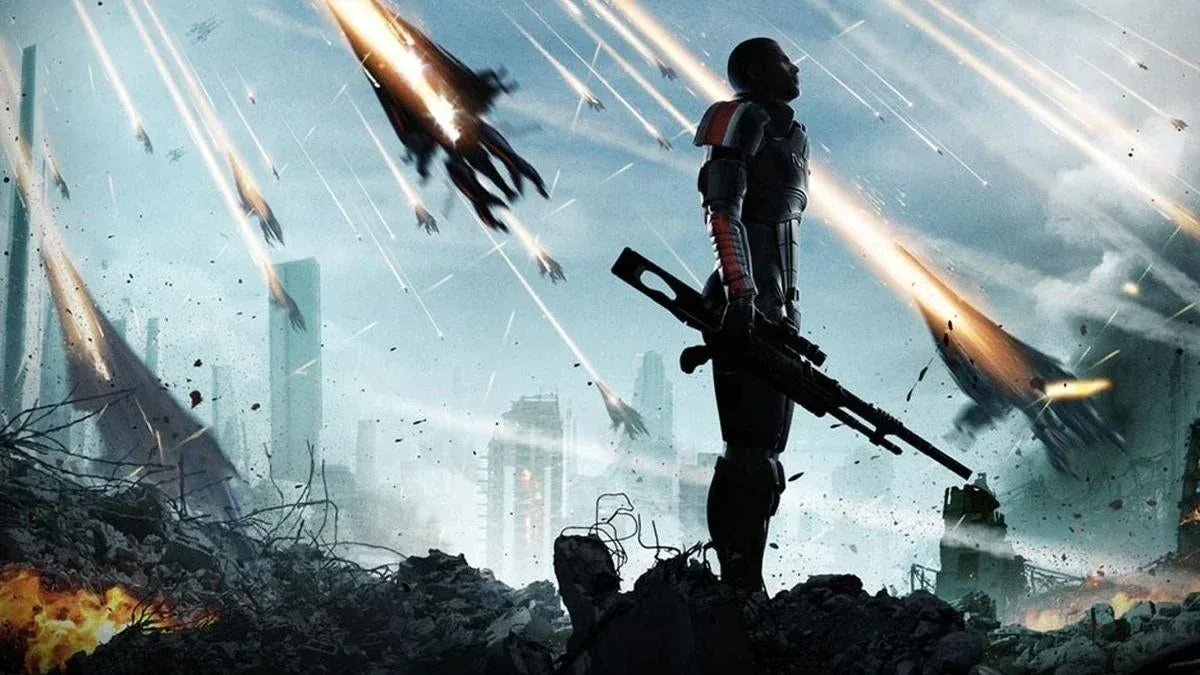
The same broader fandom dynamic can be seen when communities rally around stories long after their original release; for a different example of organized fan engagement, see how the Save Mass Effect campaign revived its N7 cupcake symbol. Pull lists are far less dramatic, but they similarly turn individual interest into a visible collective signal.
The November 18 takeaway
The clearest takeaway for the November 18 schedule is that established strength and early-series curiosity are sharing the spotlight. Absolute Flash #21 leads the chart and restores the Absolute line to prominence after a week away from view. Marvel’s Midnight books show that a group of second issues can maintain meaningful attention beyond their opening installment. DC’s wider lineup, meanwhile, demonstrates the staying power of several familiar monthly series.
None of those positions should be treated as a definitive sales result, an artistic ranking, or a prediction of long-term demand. They are a time-specific record of what readers have placed on, or associated with, their pull lists heading into this particular Wednesday. For comic fans deciding where to look first, that is still useful information: the week’s attention is clustering around Absolute Flash, the Midnight #2 releases, and a deep bench of DC ongoing books.