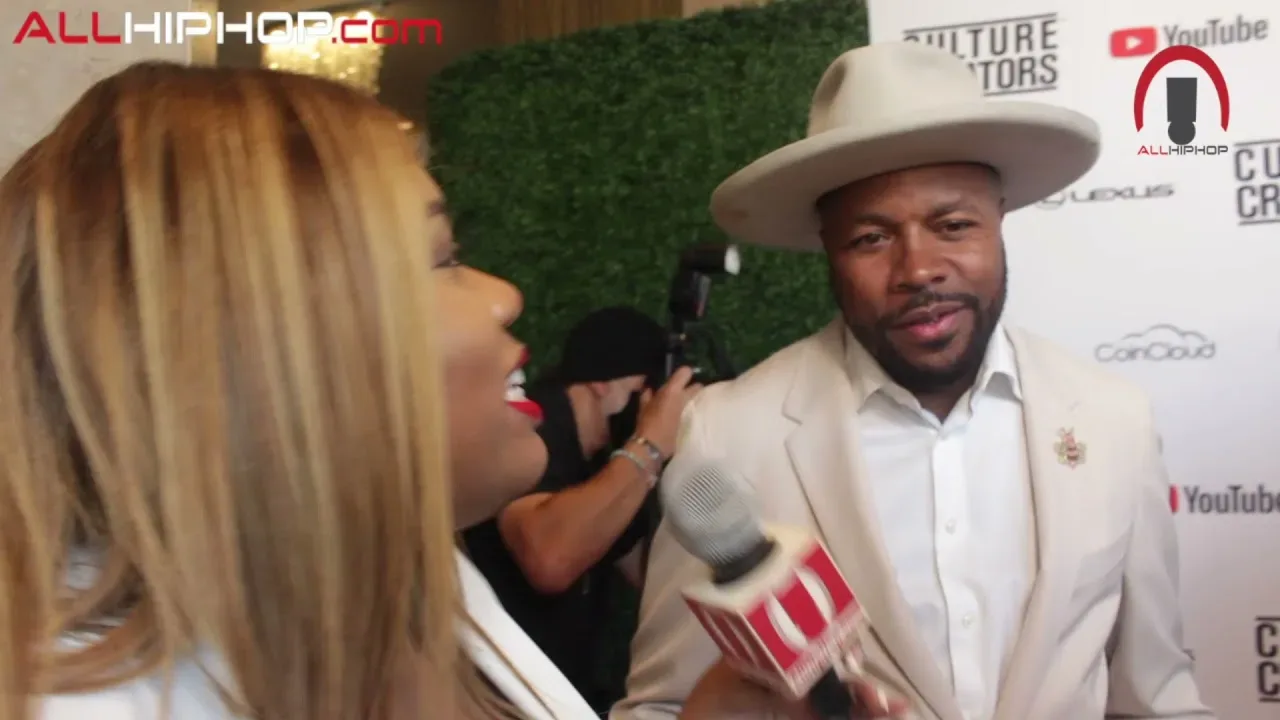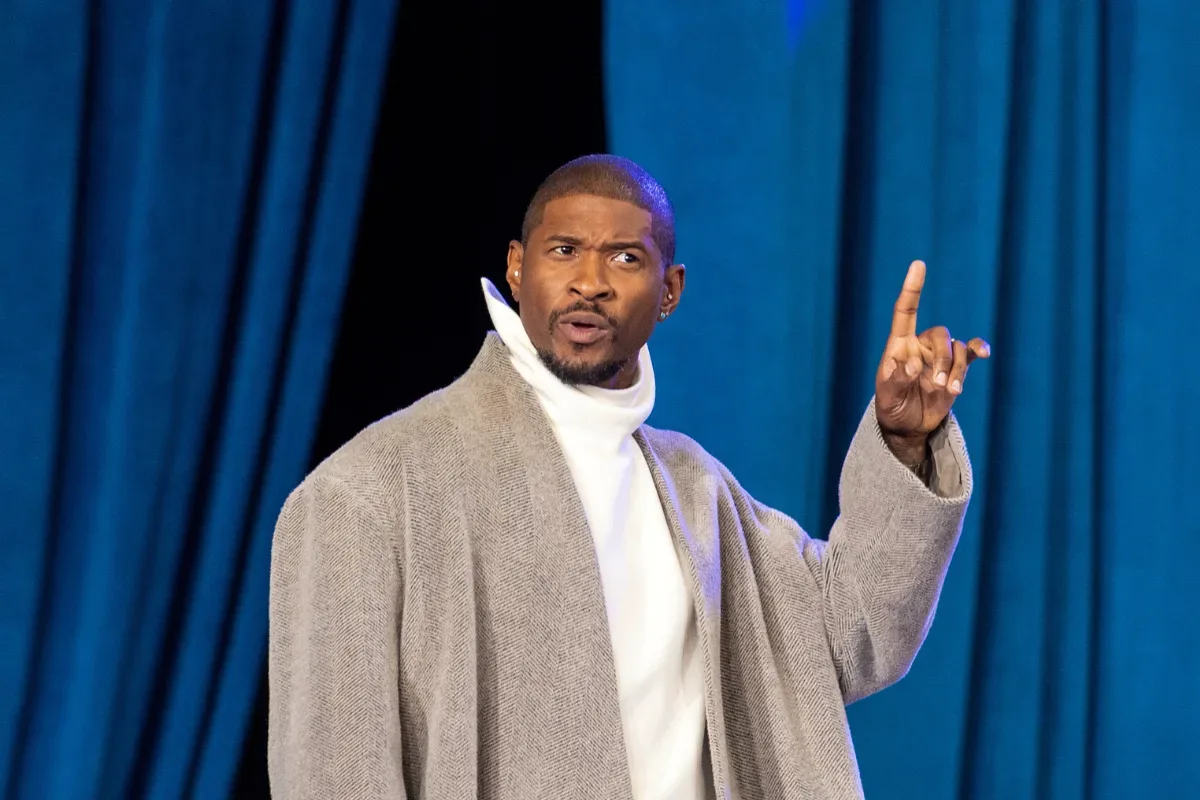

Yung Joc has publicly addressed questions about videos in which he appeared alongside Shawty Dred, saying authorities contacted him as attention grew around a federal case involving allegations of SNAP benefit fraud and stolen identities.
The rapper said he wanted to separate a visible past association from the conduct alleged in the case. He is not named as a defendant in the 63-count federal indictment against Shawty Dred, and there is no allegation in the supplied case details that Joc participated in the alleged scheme.
“Hell no, I didn’t know what he was doing,” Joc said when asked about Shawty Dred’s activities. He described getting on a private jet for a skit with no script and no settled destination, while also saying he never flew with Shawty Dred.
Joc said he had known Shawty Dred for roughly 20 years, but that they later stopped working together because of conflicts involving other people. The distinction matters: a decades-long acquaintance, social-media footage and a shared appearance can draw public scrutiny, but they do not by themselves establish knowledge of, or involvement in, an alleged crime.
What the indictment alleges
The federal indictment is dated October 7, and Shawty Dred was arrested in Las Vegas on October 13. Prosecutors allege that, between January 2020 and July 2026, he controlled more than 350 SNAP accounts established using stolen identities.
SNAP is the Supplemental Nutrition Assistance Program, a benefits program that provides eligible households with assistance to purchase food. In the allegations described here, the key issue is not merely unauthorized spending from one account. Prosecutors allege a broad identity-based operation involving hundreds of accounts, benefit cards and retail-payment activity.
The government alleges that approximately $4.6 million was transferred into the accounts, with about $4 million withdrawn. Those are allegations set out in the charging documents, not findings of fact. A federal indictment formally accuses someone of offenses; it does not establish guilt. Shawty Dred is presumed innocent unless and until guilt is proven in court.
The charges listed in the case include mail fraud, aggravated identity theft, SNAP fraud and illegal access-device transactions. In plain terms, the allegations span the use of identity information belonging to other people, activity involving benefit funds, and transactions involving cards or payment credentials.
The retailer authorization allegation
Prosecutors further allege that a company connected to Shawty Dred received authorization to accept SNAP payments. They say fraudulently obtained benefit cards and a payment device were then used to obtain more than $660,000.
That claimed retailer authorization was revoked in November 2025. Roughly two weeks later, police allegedly recovered 14 cards issued to other people during an arrest related to suspected benefit sales. Prosecutors also allege that replacement cards were later mailed to addresses in the Atlanta area.
These details describe the government’s theory of how the alleged activity functioned after the authorization was revoked. They should not be read as a final legal determination. The eventual proceedings, if they continue, are where the allegations can be challenged and tested.
Why old clips can create new scrutiny
Joc’s situation illustrates the pressure that can follow when old entertainment footage becomes newly relevant to a criminal investigation involving someone else. A skit, video appearance or social connection may be created for entertainment, without an awareness of private financial activity. But once serious allegations become public, audiences often revisit those clips looking for context that the clips cannot necessarily provide.
Joc acknowledged that he had seen money around Shawty Dred, saying, “I never seen him do it, but I saw the money.” That statement draws a line between seeing signs of apparent wealth and witnessing the alleged acts themselves. It is a meaningful distinction in both public discussion and legal terms: suspicion, hindsight and proximity are not the same thing as evidence of participation.
He also criticized Vice President JD Vance’s joking treatment of the matter, arguing that allegations of this nature warranted a more serious response. The underlying allegations involve assistance intended for people using food benefits, as well as identities prosecutors say were stolen. That combination helps explain why the case has received broader attention than a typical influencer controversy.
Association is not an indictment
For readers sorting through viral clips and headlines, the central factual point is straightforward: Joc said investigators contacted him because of the videos, but the indictment does not list him as a defendant. Nothing in the supplied case account says that he has been charged.
That does not prevent public speculation, particularly when a recognizable musician has an old connection with someone facing high-profile federal accusations. It does mean coverage should be precise. Saying someone appears in a video with an accused person is supportable when the footage exists. Implying that appearance makes the person part of the alleged conduct is not supported by the indictment details provided here.
The same restraint is useful for all participants in the discussion. An indictment contains prosecutors’ allegations. Charges are serious, and the alleged financial scale is substantial, but the criminal process has not been replaced by social-media interpretation.
The identity-theft angle has practical stakes
Beyond the celebrity connection, the allegation of accounts opened with stolen identities points to a practical risk for ordinary people. Identity theft can have consequences far beyond a single payment card, especially where a compromised email account is used to reset passwords, receive verification messages or access financial and government-related services.
Basic account protection cannot guarantee prevention, but it can make unauthorized access harder. Strong, unique passwords, multi-factor authentication and careful review of unfamiliar account alerts remain sensible defensive steps. For a focused checklist on protecting the account that often sits at the center of password resets, see this guide to important Gmail security checks.
People should also be cautious about drawing conclusions from apparent wealth online. Joc’s comments underscore how visibility around money can later be interpreted through a very different lens once allegations arise. Social posts, luxury settings and skit footage may be designed to project an image; they are not reliable proof of where funds came from or what a person knew.
What happens next
At the time described in the case account, Shawty Dred was in U.S. Marshals custody pending further proceedings. The next stages will determine how the charges are litigated and whether the government can substantiate its allegations.
For Joc, the immediate purpose of speaking out appears to be clarification: he says he did not know about the conduct alleged, says he did not travel with Shawty Dred, and notes that their professional relationship ended. He also said his morning radio show is approaching its 10th anniversary on December 10.
The broader takeaway is less sensational but more useful. Online association can rapidly become public suspicion when a person later faces criminal allegations. Responsible reporting and discussion need to preserve the difference between a past connection, an accusation, a charge and proof.