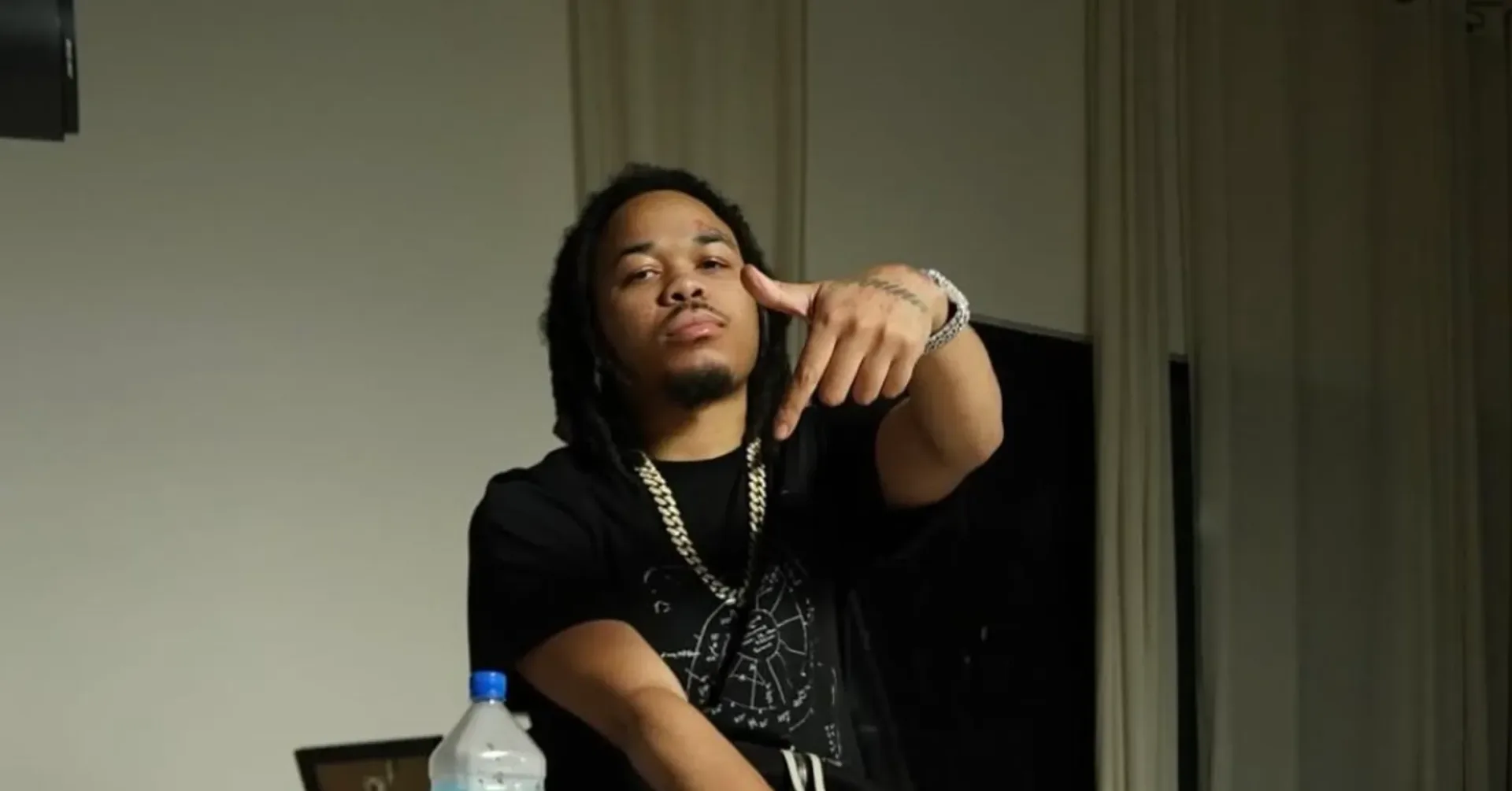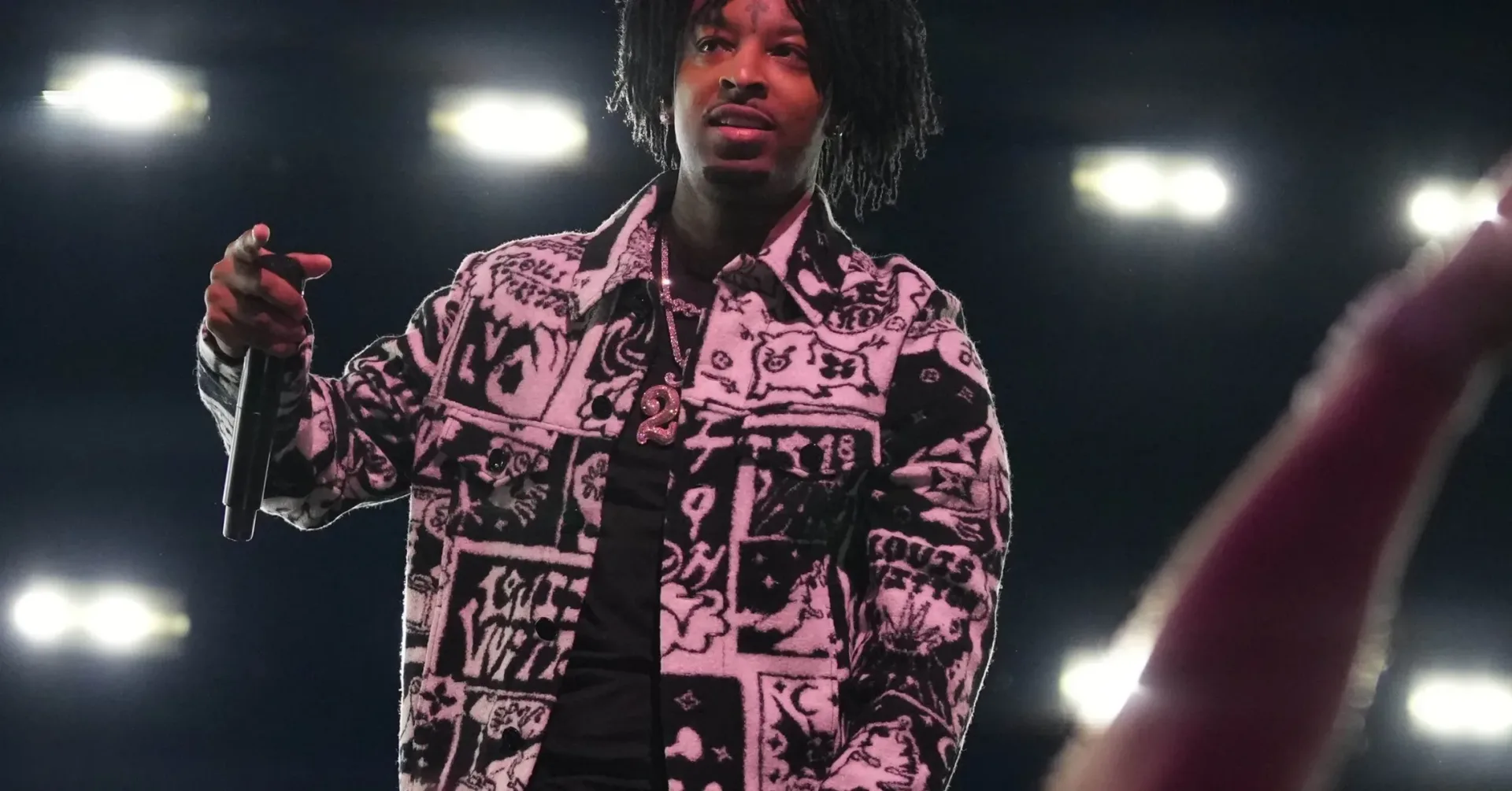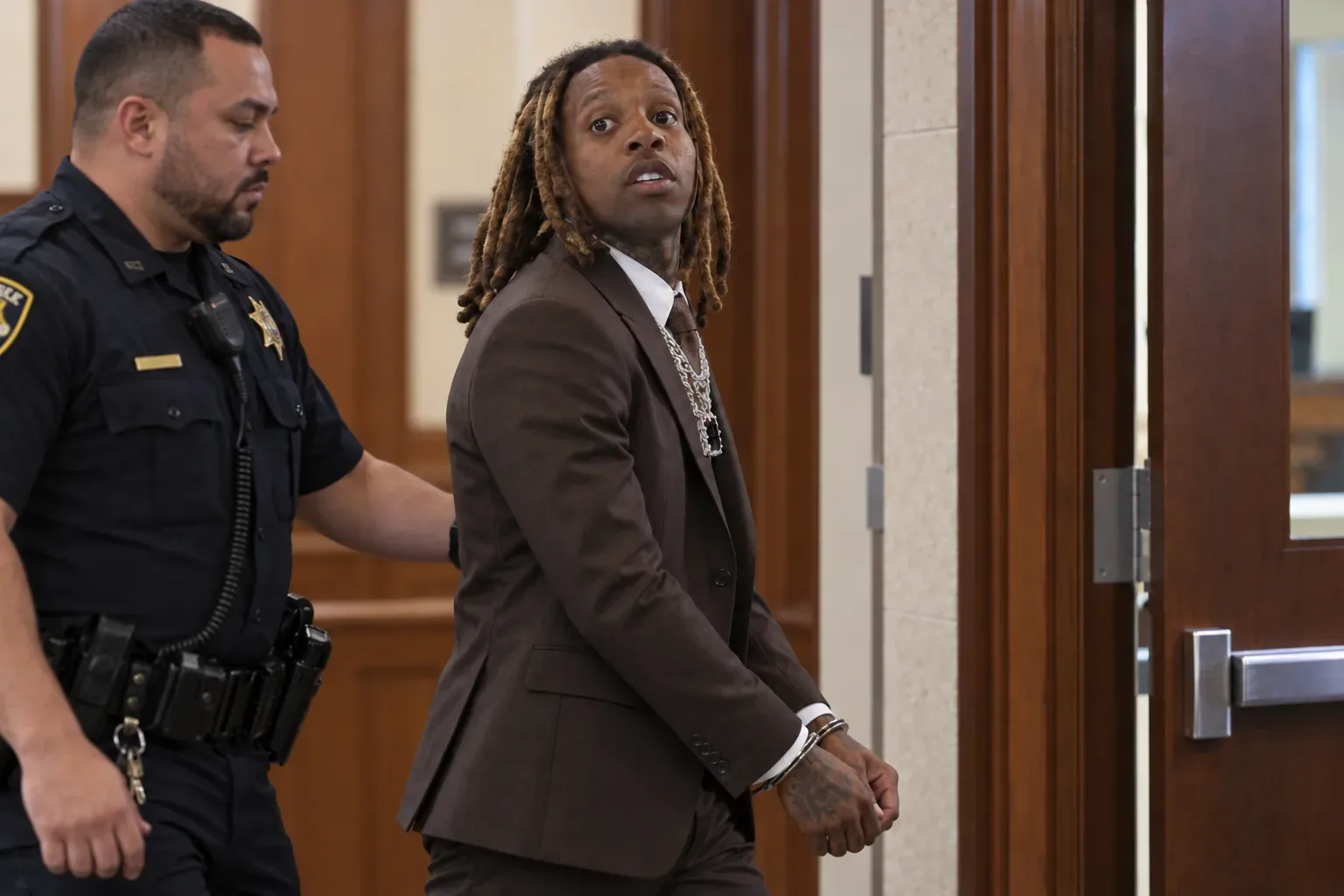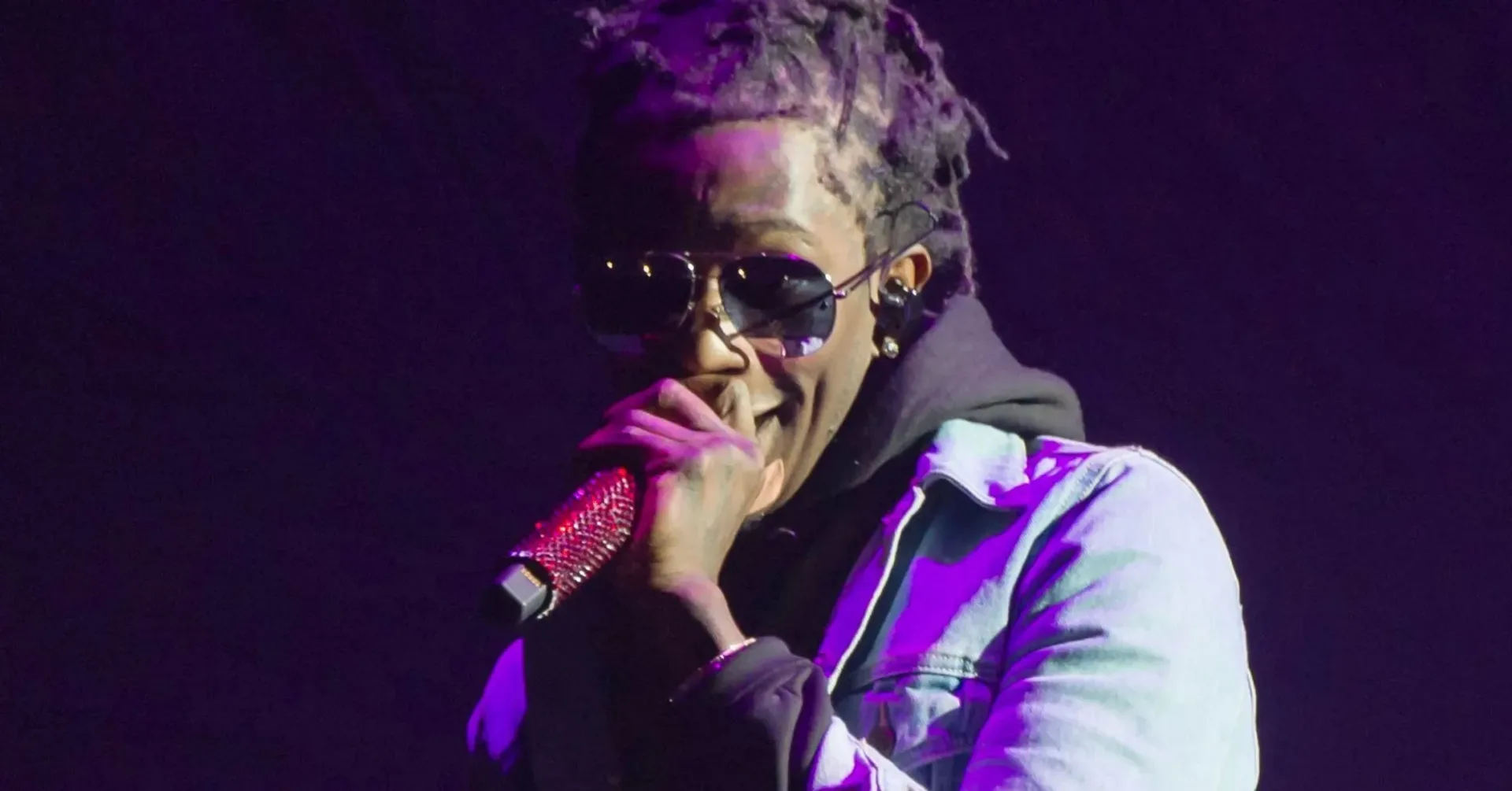
Young Thug used a Boston concert on Friday, September 11, to publicly celebrate Lil Durk’s recent courtroom victory and acknowledge attorney Brian Steel, who worked on Durk’s murder-for-hire case after representing Thug in the YSL RICO proceedings.
The moment took place during Young Thug’s current tour with NAV, ØWAY, and newer members of the YSL orbit. Addressing the crowd, Thug thanked Steel and treated Lil Durk’s not-guilty verdict as a reason for the room to celebrate. It was a brief onstage statement, but it quickly attracted attention because of the close professional and personal connections surrounding the artists and the lawyer.
A Los Angeles jury found Lil Durk not guilty on all counts in the murder-for-hire case. That verdict is a significant legal development for the Chicago rapper, who has been held in custody for nearly two years. It does not, however, mean that all of his criminal cases have ended or that he is immediately being released.
Why Young Thug’s Brian Steel shout-out drew attention
Brian Steel became widely familiar to hip-hop audiences through his work as Young Thug’s defense attorney in the YSL RICO case. Young Thug ultimately left that case free, subject to release conditions. Steel’s subsequent involvement in Lil Durk’s murder-for-hire defense gave Thug’s Boston shout-out a clear through line: one of rap’s most recognizable defense attorneys had become part of another closely watched case involving a major artist.
Onstage, Thug framed the acquittal as good news for Durk and the people supporting him. Online afterward, he went further, posting messages that appeared to claim a role in connecting Steel with Durk’s defense. He also suggested that Durk could confirm his version of events and indicated that he had not personally paid for Steel’s work.
Those social posts are part of the public reaction, not a detailed account of the legal representation or financial arrangements behind it. What is clear from the available information is that Steel worked on the case and that Young Thug wanted to publicly credit him after the verdict.
For fans, the exchange also showed how quickly a court result can travel through modern rap culture. A verdict becomes a stage moment, a short video clip, a social-media debate, and a reminder of the personal networks that exist between artists, labels, attorneys, families, and fan communities. The celebratory atmosphere is understandable, but the legal situation requires a more precise reading than a concert chant can provide.
Lil Durk is not yet heading home
The key clarification is that Lil Durk still faces a separate trial, currently scheduled for October 5 if the calendar remains unchanged. The forthcoming case concerns racketeering and gun-related allegations that were separated from the murder-for-hire trial.
Those severed charges reportedly include allegations connected to a 2022 killing in Chicago and a 2019 shooting in Atlanta. They are allegations, not findings of guilt. The next proceeding will determine how those claims are argued, tested, and resolved in court.
Before that trial, prosecutors and defense lawyers are expected to address the question of bond. That process matters because an acquittal in one case does not automatically settle custody status when other charges remain pending. As a result, descriptions of Durk being “on the way home” reflect celebration around the recent verdict rather than a confirmed release outcome.
This distinction is especially important in a news cycle built around short clips and emphatic posts. A not-guilty verdict in one prosecution is a concrete and consequential result. It is also separate from any unresolved counts in another case. Treating the acquittal as the complete end of Durk’s legal troubles would leave out the October 5 trial and the pending bond arguments.
A public message centered on faith, family, and community
Lil Durk addressed supporters in an Instagram message after the verdict, expressing gratitude for the love he has received. He credited his family, his legal team, and supporters, while also invoking faith and calling for unity in communities. His message repeatedly emphasized freedom and presented the moment as one shaped by collective support rather than an individual victory alone.
That tone fits the larger response around the case. Court proceedings involving prominent musicians are often followed with intense attention, but the artists at the center of them frequently focus their public comments on loved ones, attorneys, supporters, and their neighborhoods. Durk’s message placed his acquittal in that framework, tying his personal circumstances to a stated desire to help young people and encourage community unity.
Young Thug’s comments, by contrast, were more kinetic and celebratory, fitting the setting of a live performance. Together, the two responses created a familiar split-screen of contemporary celebrity: a carefully worded social post from the person facing the charges and an explosive, crowd-facing endorsement from a fellow artist who sees the verdict as a win for his circle.
The YSL connection remains central
Steel’s connection to both artists explains why the Boston moment landed with particular force. Young Thug’s YSL RICO case was one of the most heavily discussed legal sagas in recent rap history, and Steel’s role made him a recognizable figure far beyond ordinary legal reporting. When Thug singled him out in Boston, he was not simply thanking an unfamiliar attorney; he was praising the lawyer associated with his own high-profile defense.
That history also adds weight to Thug’s online insistence that he helped make the connection. Fans may debate the precise role he played, but his public framing positioned Steel’s work as an extension of a relationship forged during the YSL proceedings. In a genre where loyalty is frequently discussed in music, interviews, and public appearances, the attorney shout-out carried the emotional language of loyalty as much as it did legal praise.
It is worth keeping the different cases distinct. Young Thug’s legal outcome, Lil Durk’s murder-for-hire acquittal, and Durk’s remaining racketeering and gun case are separate matters with their own facts, procedures, and stakes. The shared presence of Steel and the overlap in the artists’ circles connect the stories culturally, but do not make them one legal narrative.
What the next court date means
The October 5 trial is now the central date to watch, assuming no schedule changes. It will shift attention away from the just-resolved murder-for-hire case and toward the allegations in the severed matter. Bond proceedings before then could also produce important developments concerning Durk’s custody status.
Until those questions are resolved, public celebration should not be confused with a final legal ending. Durk has secured an acquittal on all counts in one major case, and that is the basis for the enthusiastic reactions from Young Thug, fans, and fellow artists. Yet the additional trial means the legal process continues.
The stakes of these stories reach beyond viral clips. Chicago’s rap community has faced a series of grave real-world developments, including the separate situation covered in reporting on BloodHound Q50’s reported Chicago shooting death. That broader backdrop helps explain why supporters often respond so intensely to court updates, custody decisions, and messages from artists who remain unable to speak freely outside legal constraints.
For now, the confirmed picture is narrow but meaningful: Lil Durk was found not guilty in the Los Angeles murder-for-hire case; Young Thug celebrated the result during his Boston set and praised Brian Steel; and Durk still has a separate trial scheduled for October 5. The next phase will be decided in court, not onstage or on social media.