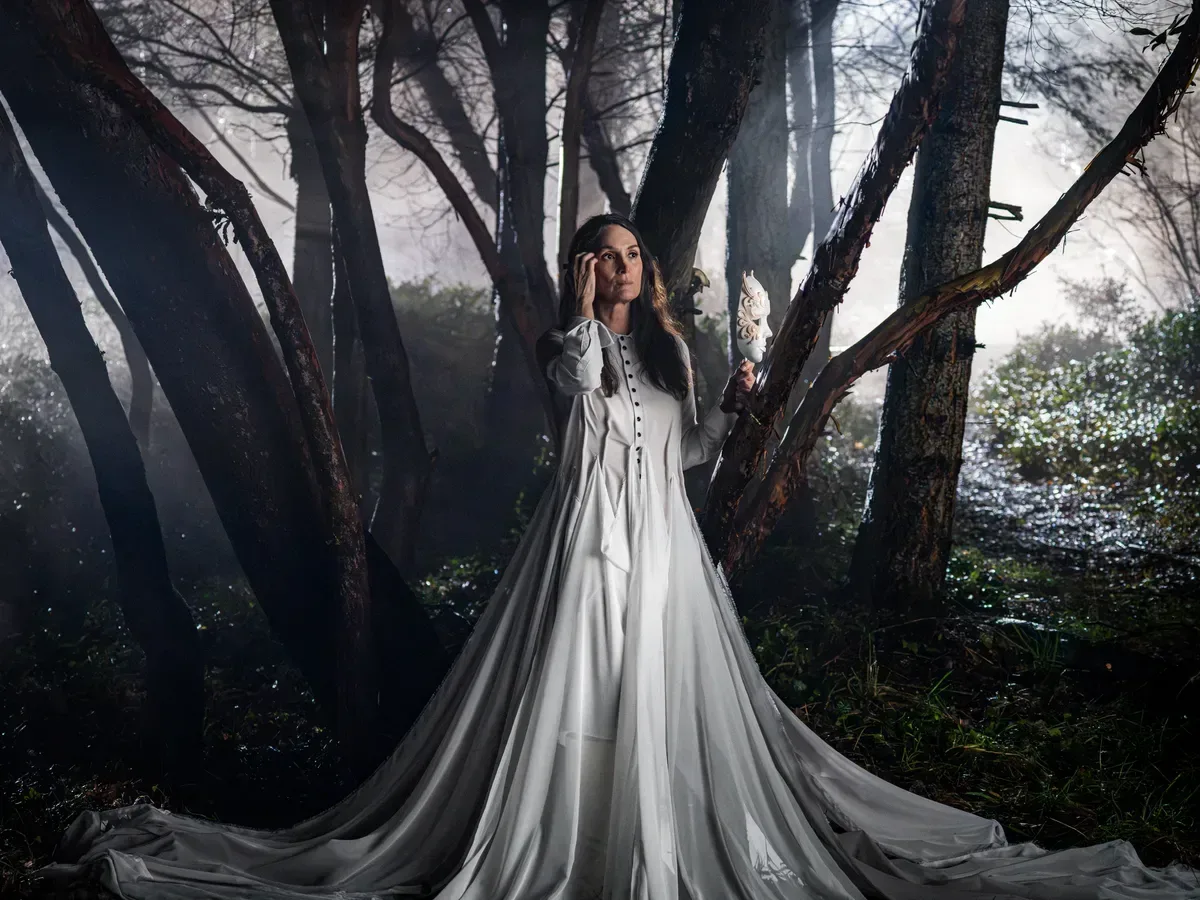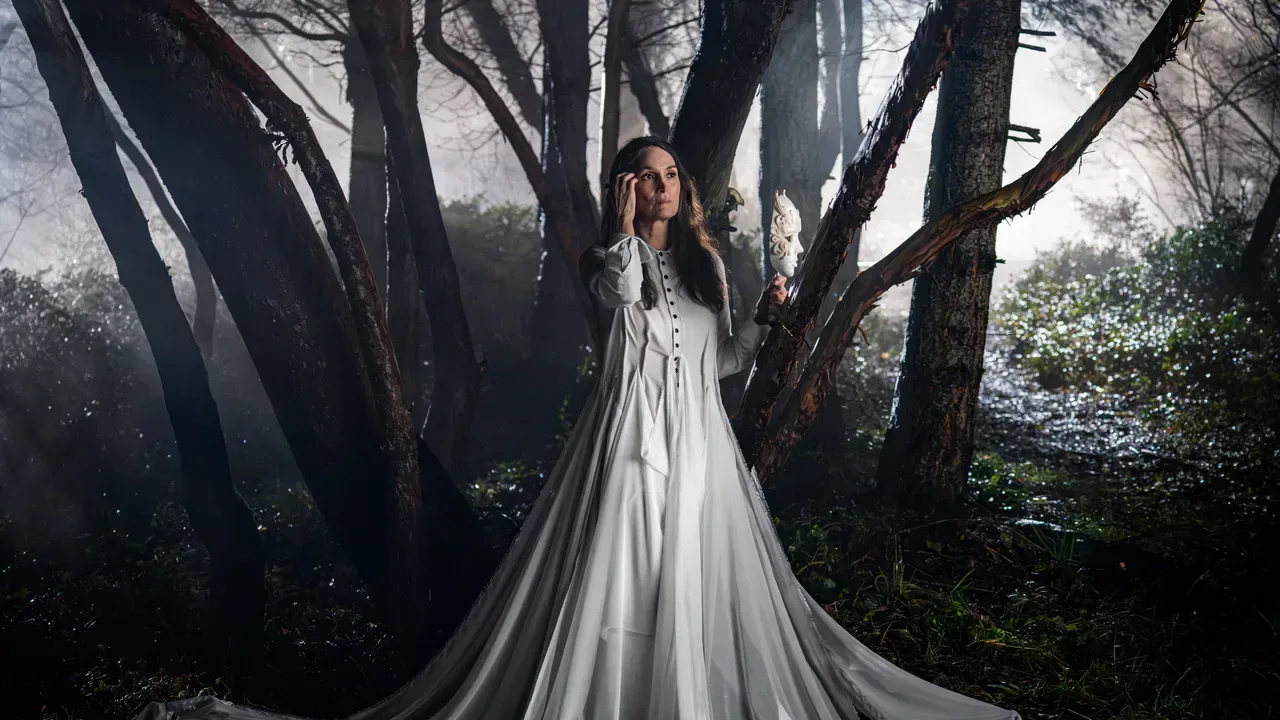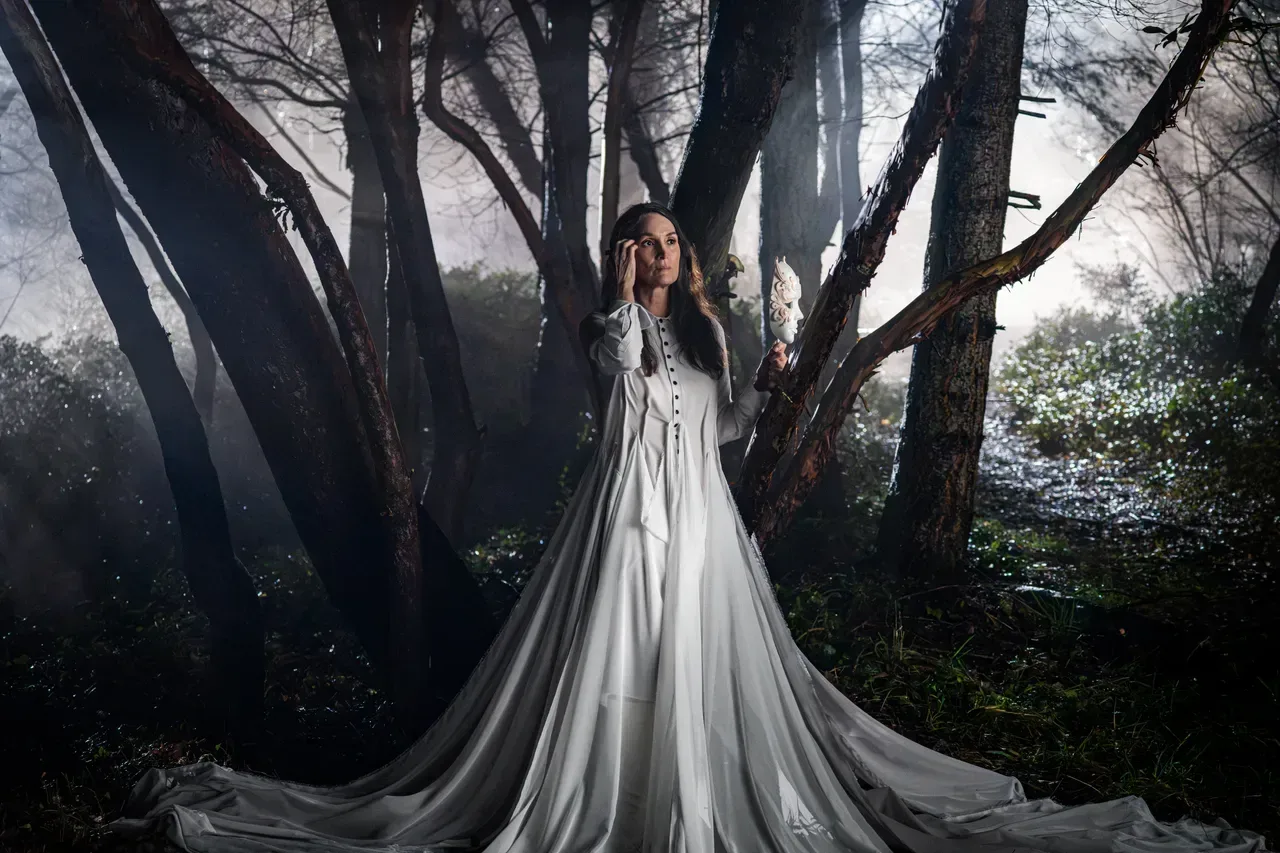
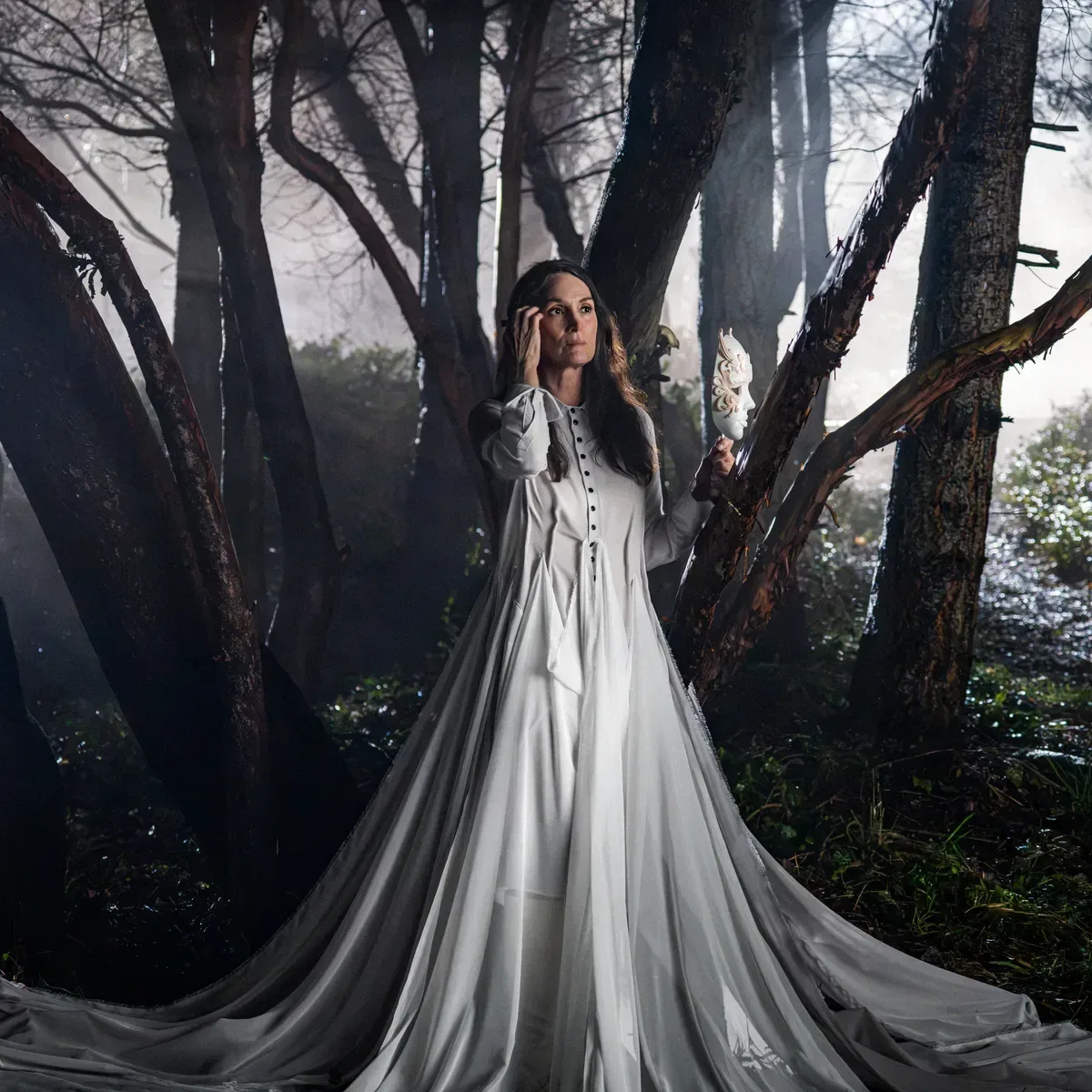
Yaga will return for a second season. Crave has renewed the mystery-thriller ahead of the first season’s two-episode finale on November 27, and Carrie-Anne Moss is confirmed to be coming back for the next chapter.
The early pickup follows a strong launch for the series, which debuted October 23. It reached No. 1 on Crave and was described as AMC+’s biggest exclusive-series launch in the United States, while also taking the top position in several other countries. No Season 2 release window, episode count, further cast information, or story details have been provided.
An early vote of confidence before the finale
A second-season renewal before a show has completed its first run is a meaningful signal, even if it does not answer the practical questions viewers usually have next. It confirms that the platform intends to continue the series, but it does not establish when production will begin, when the new episodes will arrive, or precisely where the first-season mystery will leave its characters.
That timing is particularly fitting for a mystery thriller. The genre depends on controlled information: a viewer is given clues, unsettling images, partial explanations and competing motives, then asked to decide what matters before the story reveals its hand. Renewing Yaga ahead of the finale lets audiences approach the final two episodes knowing that the premise is expected to continue, without revealing whether the season will resolve one central case, end on a new question, or do both.
Bell Media’s Justin Stockman said the response had exceeded expectations and praised creator Kat Sandler along with production partners Blink49 Studios and Front Street Pictures. Blink49 Studios’ Pancho Mansfield likewise emphasized Sandler’s distinct creative perspective and said the company was pleased to continue its partnership for the next chapter.
Those statements are not a substitute for plot information, but they do put the renewal in a clear context: the companies behind the show see its audience response and creative identity as reasons to continue. For a new series built around an unusual folkloric figure, that identity matters. Familiar genre labels can draw an audience in, but a recognizable point of view is what gives a thriller room to sustain itself after its initial premise is established.
What Yaga is drawing from
Yaga is a modern reworking of Baba Yaga folklore. Baba Yaga is a witch from European folktales whose role is not locked to a single moral function. Depending on the telling, she can be an adversary, an obstacle, a source of aid or instruction, and a presence associated with both danger and power.
That ambiguity is useful material for a mystery thriller. A conventional villain is often defined by the harm they cause. A mentor is generally understood as someone whose help is ultimately constructive. Baba Yaga unsettles that easy division. The figure can represent an encounter that is threatening and transformative at once; help may carry a cost, while menace can coexist with knowledge. That does not tell viewers exactly what Yaga will do next, but it explains why the legend offers more flexibility than a simple “good versus evil” setup.
Sandler created a stage play also called Yaga and serves on the television series as writer, showrunner and executive producer. A showrunner is the senior creative leader responsible for guiding a television series’ overall direction. The title often covers major storytelling and production decisions, though the exact responsibilities can vary from production to production. In this case, Sandler’s roles make clear that the series’ adaptation is being led by the creator who previously worked with the material in another medium.
The move from stage work to television also changes what a story can do structurally. Television gives a mystery room to distribute reveals across episodes and to make the audience live with uncertainty between installments. It can develop an ongoing puzzle rather than deliver every turn within a single sitting. At the same time, that format raises the standard for each episode: clues need to feel purposeful, the atmosphere needs to hold, and the show must make viewers want the next piece of the puzzle without simply withholding answers.
The thriller’s early reception
An early assessment of the first two episodes awarded Yaga an 8 out of 10, highlighting its blend of strangeness, sensual thriller atmosphere and detective-like mystery. The assessment argued that the series encourages viewers to examine otherworldly clues alongside its central characters rather than merely watch answers arrive.
That distinction gets at a major pleasure of the genre. A mystery can be passive when the story keeps the decisive information entirely offscreen and expects the audience to accept the eventual explanation. A more engaging mystery gives viewers material to interpret, even if that material initially appears strange, incomplete or misleading. The pleasure is not necessarily solving every detail before the characters do. It is feeling invited into the act of observation.
There is an obvious risk as well. Folklore and supernatural imagery can create an exceptionally strong mood, but mood alone cannot carry a mystery indefinitely. The clues and relationships still need enough internal logic for later revelations to feel earned. With Yaga now set for a second season, the creative challenge will be maintaining that sense of uncanny discovery while giving the audience satisfying movement through the story.
Sandler has cited Dexter and Hannibal as inspirations, and has described Baba Yaga as an original “bad girl” of fairy tales. The comparison should be read as creative context, not as a promise that the series will duplicate either program’s structure or content. What it does underline is an interest in morally complicated darkness—stories in which the viewer’s attention is held by dangerous, magnetic figures and by uncertainty over how far their influence reaches.
What the renewal means for viewers
For current viewers, the confirmed return of Moss is the most concrete Season 2 casting detail available. Everything else—including the wider returning cast, new characters, the production timetable and the next season’s narrative focus—remains unannounced. It is sensible, then, to separate the certainty of the renewal from assumptions about where individual plots may go after the finale.
That separation is useful beyond this show. Entertainment conversation often moves quickly from a small confirmed detail to a large web of speculation, particularly when a mystery series leaves room for theories. Readers weighing claims about any unfolding franchise news can benefit from the same caution discussed in this look at viral claims and thin evidence: distinguish what has been explicitly established from what is merely plausible, popular or dramatic.
Here, the established facts are straightforward. Yaga has been renewed by Crave for Season 2. Carrie-Anne Moss will return. The decision came before Season 1’s November 27 two-episode finale. The series launched October 23, found a substantial early audience across its listed services and territories, and is led by Kat Sandler as creator, writer, showrunner and executive producer.
For the show itself, the renewal gives its contemporary Baba Yaga interpretation the chance to become more than a one-season curiosity. Its first season still has to complete its own story, and the public does not yet know what shape the follow-up will take. But the combination of an early renewal, a confirmed returning star and a folklore foundation built on uncertainty gives Yaga a clear opening to deepen the mystery rather than simply repeat it.