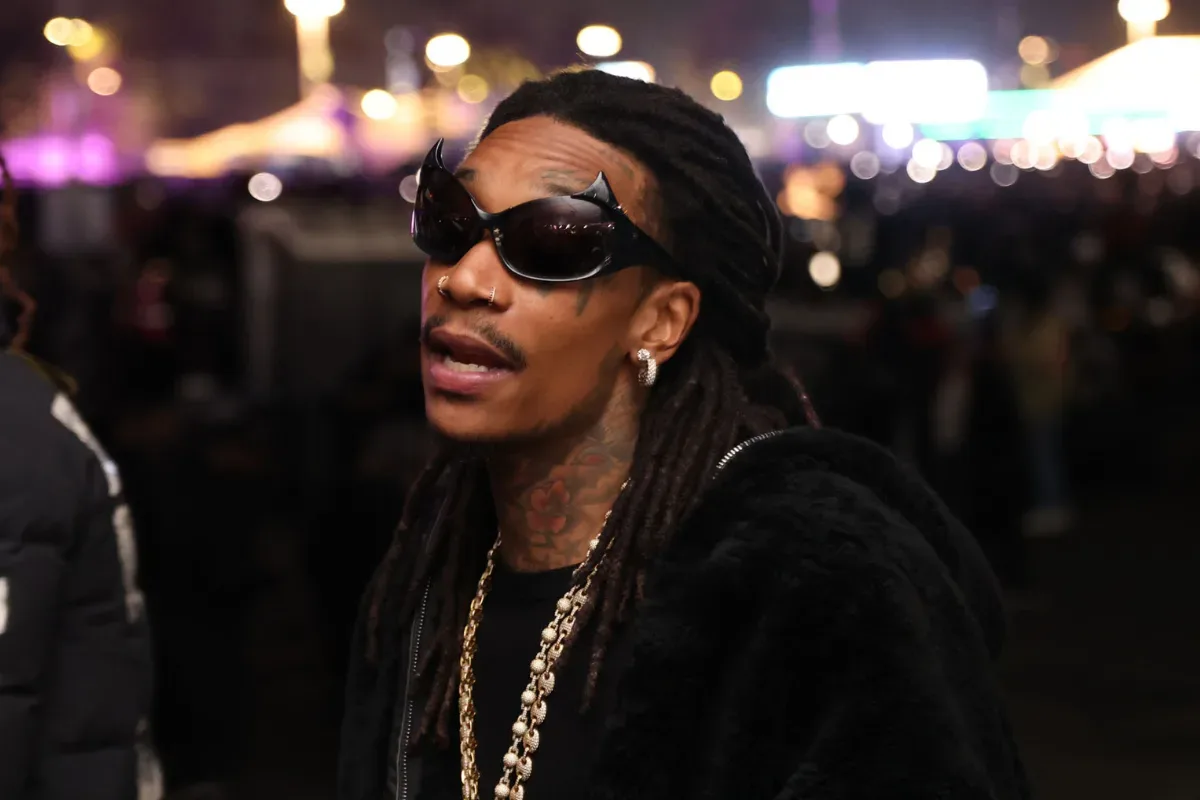
Khalifa Kush, the cannabis brand associated with Wiz Khalifa, is planning a New York launch for October 31, beginning at seven New York City dispensaries and extending to 36 dispensaries statewide in total. The planned rollout would make New York the brand’s 14th U.S. market.
The opening selection is set to include the Khalifa Kush, or KK, and Violet Sky strains in two familiar regulated-cannabis formats: flower and pre-rolls. Flower refers to the dried cannabis buds sold for consumption, while pre-rolls are ready-made rolled products containing cannabis flower. The supplied details do not identify the seven city dispensaries or give a timetable for when each of the remaining locations will receive stock.
Of the 36 planned dispensary placements, 29 are intended for upstate New York and Long Island. That split makes the Halloween date the start of a wider statewide distribution effort rather than a New York City-only launch.
A market the company says fans have requested
DJ Saul, Khalifa Kush’s CEO, said New York had generated more consumer requests for the brand than any other market. He also pointed to Wiz Khalifa’s repeated visits to the state, saying the performer travels to New York at least a couple of times annually.
“New York has been asking for KK for years and years now,” Saul said.
That framing matters because celebrity-backed consumer products can fall anywhere on a spectrum between a licensing arrangement and a brand built around an individual’s preferences. Saul characterized Khalifa Kush as being rooted in cannabis Wiz Khalifa actually uses, rather than simply a product carrying his name. It is a distinction the company is emphasizing as it enters a large new regulated market.
The company traces the brand’s beginnings to a strain developed around Khalifa’s tastes roughly 15 years ago. Saul described its path as one that began in medical cannabis and later expanded into recreational sales. The New York effort is therefore presented as another market expansion for an existing cannabis operation, not the introduction of a newly created celebrity product.
Skyworld’s role in the New York supply chain
Skyworld is slated to grow and distribute Khalifa Kush’s New York products. Its website identifies the company as Indigenous-owned, names SJR Horticulture, LLC as its operator, and lists cultivation, processing and distribution licenses. It also states that its cultivation operation includes indoor growing and provides links to lab results.
Related coverage includes Wiz Khalifa’s Khalifa Kush Plans New York Launch Across 36 Dispensaries.
Those functions describe several separate steps between a strain concept and a dispensary shelf. Cultivation is the growing of the plant. Processing generally covers the preparation of cannabis for sale, which can include handling and packaging products after harvest. Distribution is the movement of finished products through the licensed supply chain to retail locations. In this case, Skyworld is positioned as the New York partner covering both production and distribution rather than merely serving as a retailer.
The mention of lab results is also significant in a regulated setting. A lab-results link can give consumers access to testing information associated with products. The available details do not specify individual results for the forthcoming Khalifa Kush lineup, so it would be premature to infer potency, cannabinoid composition, or any particular product characteristics from Skyworld’s general website information.
From Colorado collaboration to a multistate brand
Khalifa’s involvement in the regulated cannabis business predates the New York plans by a decade. In February 2016, he reached an agreement with Colorado-based RiverRock Cannabis that covered the development and production of curated strains, infused products and concentrates. RiverRock had planned to launch Khalifa Kush flower and concentrates on April 20 of that year.
Concentrates are cannabis products made by extracting and concentrating components from the plant. They are a different product category from flower, and their inclusion in the Colorado arrangement shows that the earlier partnership was designed to encompass more than one form factor. Infused products, meanwhile, are products combined with cannabis-derived ingredients; the supplied information does not specify the types that were planned under that agreement.
At about the same time, Khalifa renewed a separate agreement with RAW Rolling Papers. That partnership concerned accessories used with cannabis, while the RiverRock relationship focused on production. Together, the two arrangements placed the entertainer’s business presence on both sides of the consumer experience: the regulated cannabis products themselves and the adjacent accessories category.
That broader history helps explain why the New York initiative is more substantial than a one-store promotional tie-in. The announced 36-dispensary plan, partnership with an in-state grower and distributor, and limited initial product menu point to a structured market entry. But there are still practical limits on what has been disclosed: the stated plan identifies locations by region and gives an opening date, yet does not provide a full store list, detailed strain information, product pricing, or a precise schedule for the 29 locations outside New York City.
What the initial lineup does—and does not—tell buyers
For eligible adult consumers in New York, the most concrete launch details are simple: KK and Violet Sky are the named strains, and flower and pre-rolls are the named formats. A strain is a market label commonly used to distinguish varieties of cannabis. It should not be treated as a complete description of expected effects, potency or suitability for any individual person, particularly when no product-specific testing details have been provided here.
Similarly, the plan’s use of the term “launch” should be read as an intended retail rollout, not as a promise that every listed future placement will be active on the first day. Seven New York City locations are included in the October 31 debut, while the remaining planned dispensaries are assigned to upstate New York and Long Island. Availability may therefore depend on the individual licensed retailer and its incoming inventory.
The wider cultural connection is unsurprising. Khalifa has long made cannabis part of his public artistic identity, and the business strategy puts that identity into a regulated retail framework. In music culture, celebrities increasingly move between performance, media, merchandise and consumer brands; the conversation around artist-led ventures also appears in coverage of hip-hop figures navigating public-facing media businesses. Khalifa Kush’s model is more specialized, however, because licensed cultivation, processing and distribution partners are essential to getting the product into a legal retail channel.
For now, the key measure of the New York expansion will be execution: whether the seven initial city locations begin carrying the named products on October 31, and how the planned upstate and Long Island presence develops afterward. The company has set out the size and regional shape of its plan, while many consumer-facing specifics remain undisclosed.