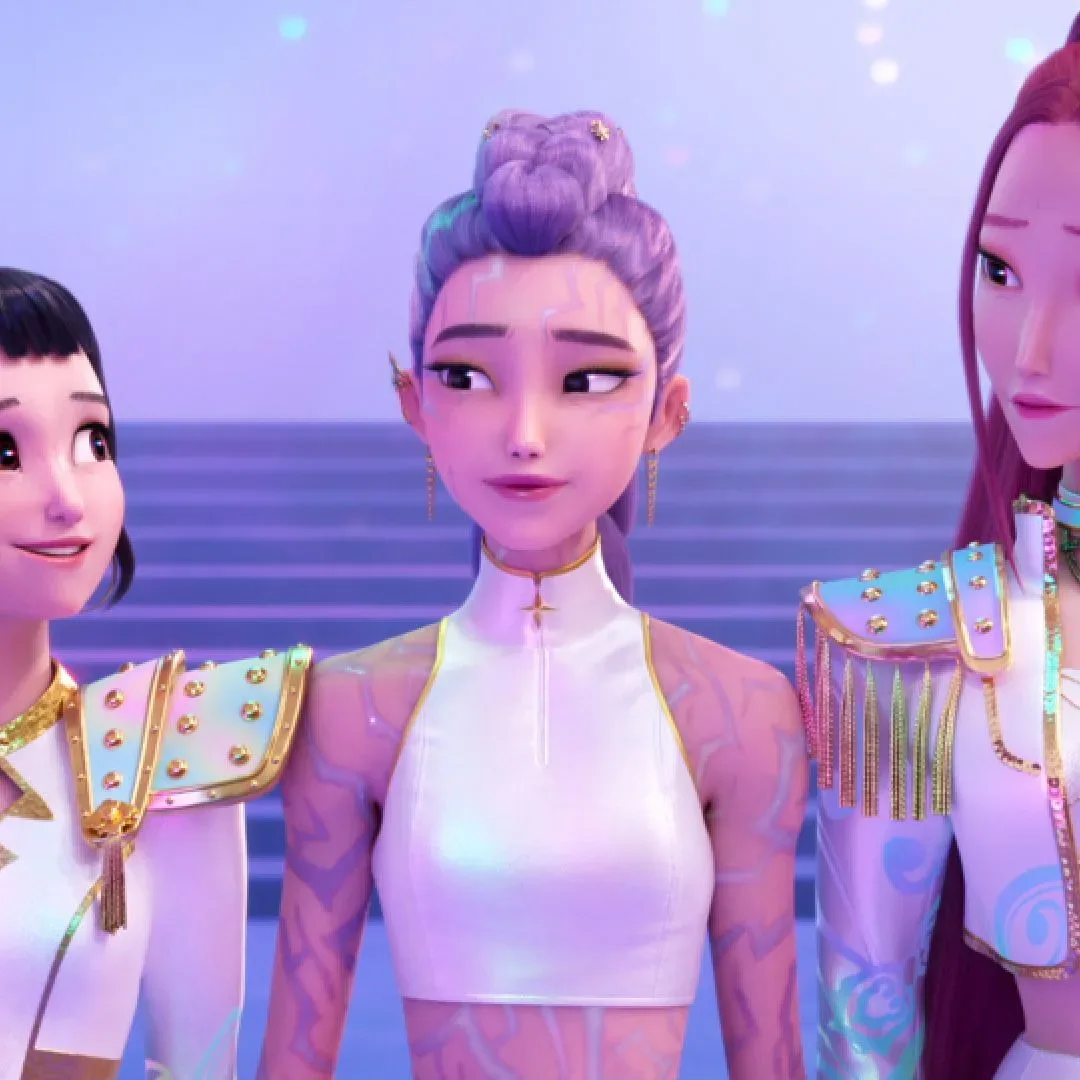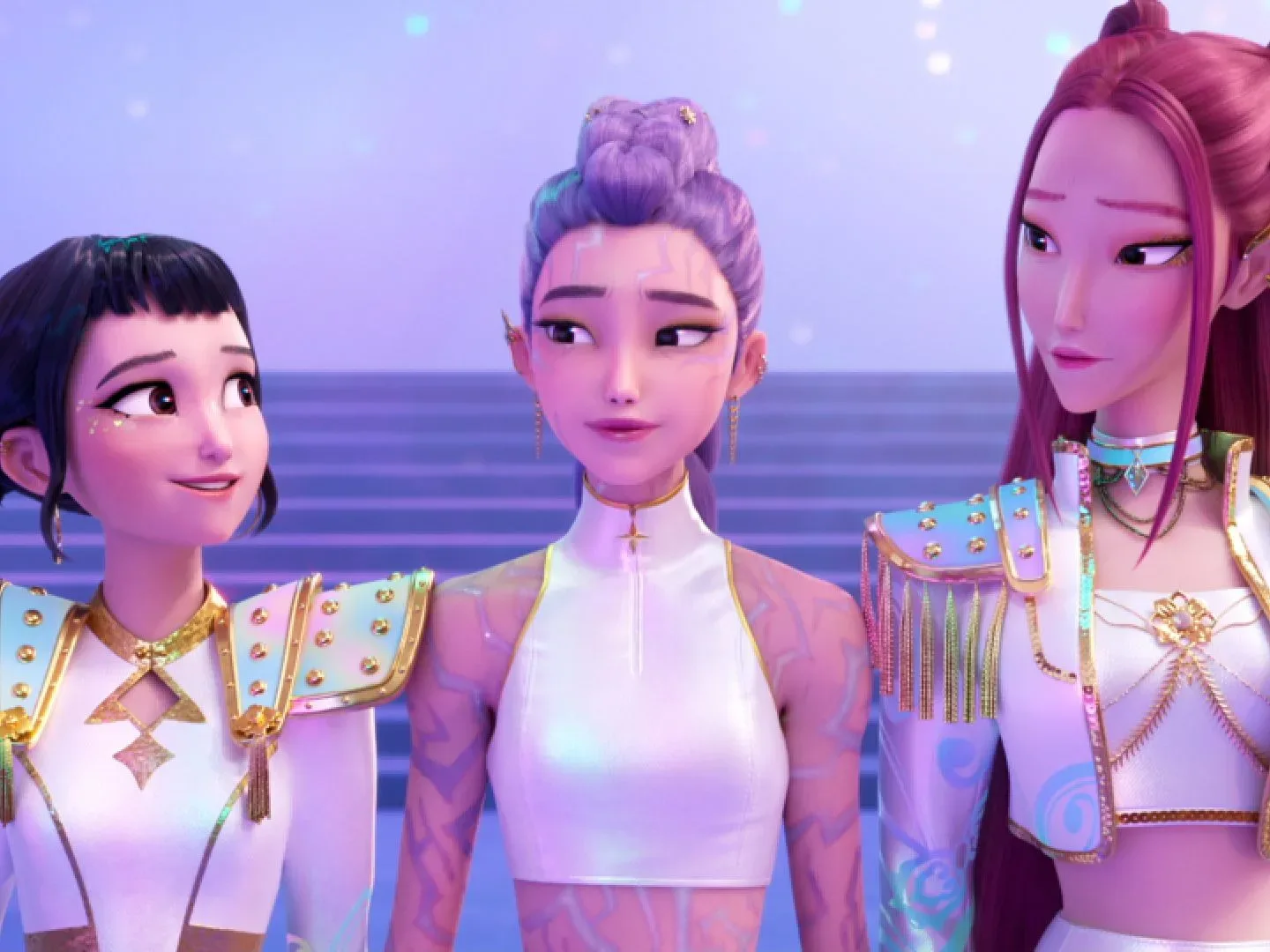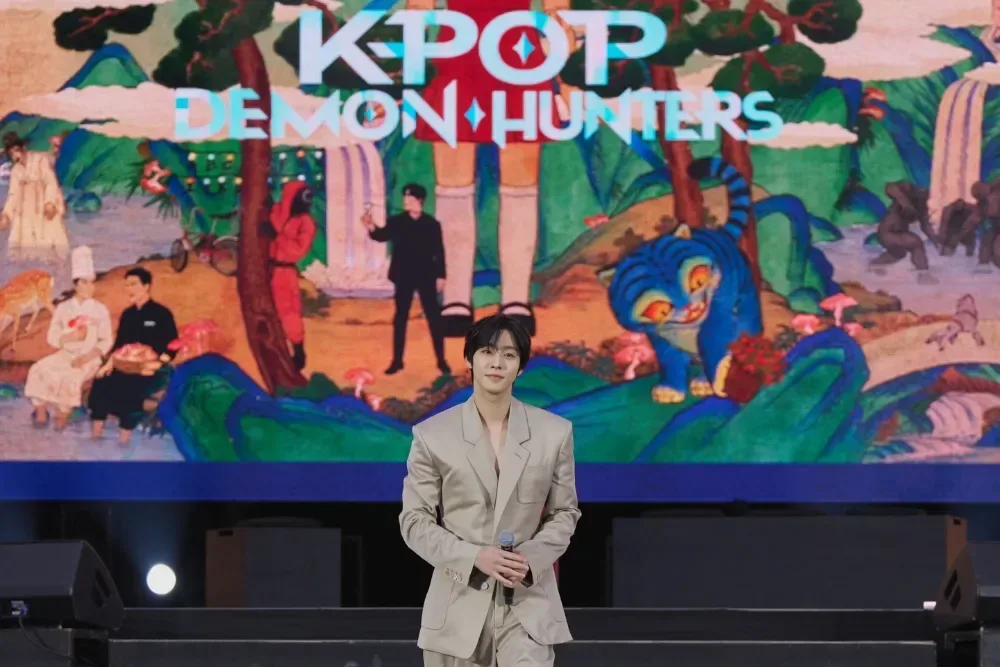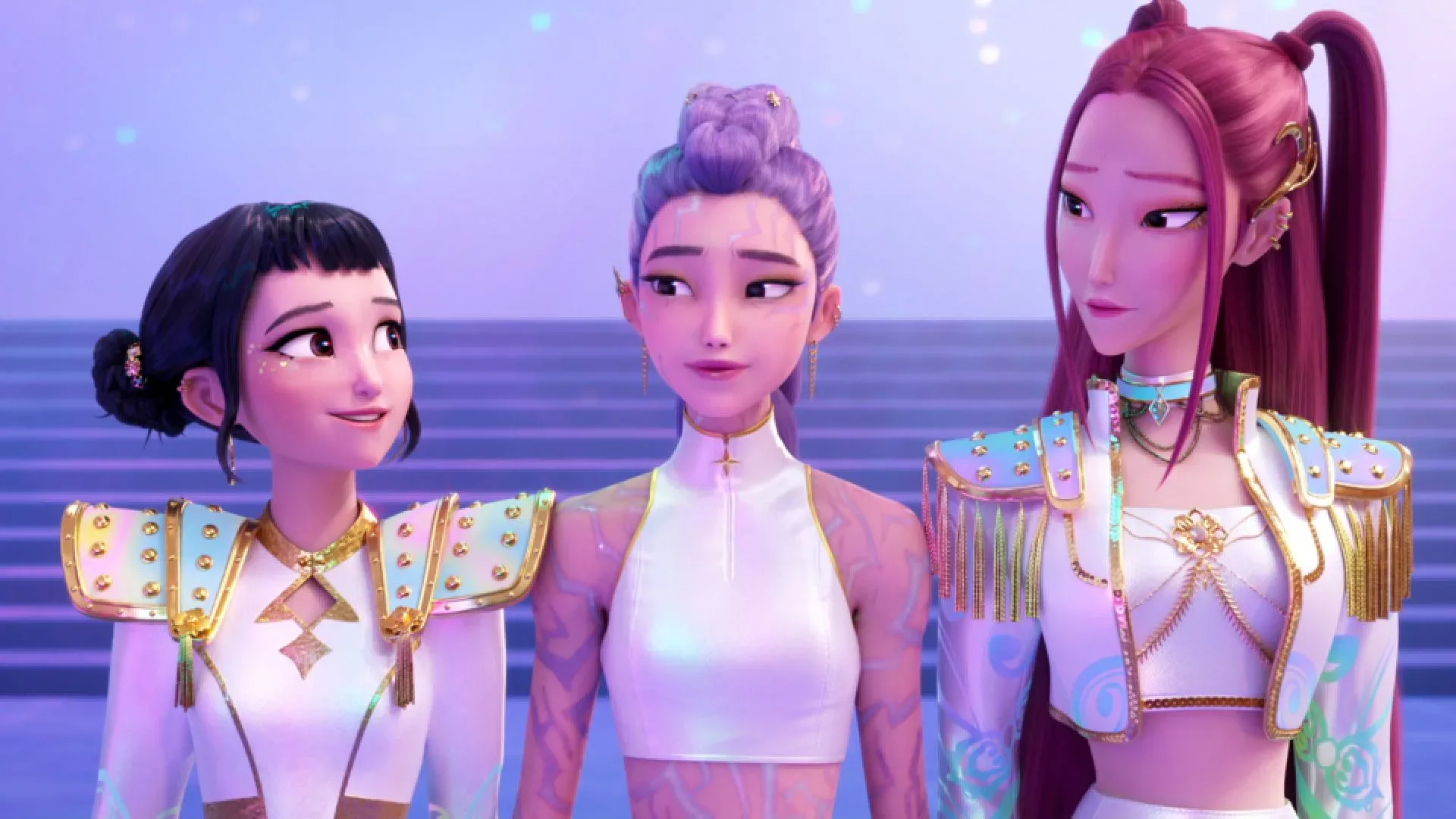
KPop Demon Hunters has become a case study in the unusual ways a modern hit can take shape. The animated phenomenon has passed 325 million streams, making it Netflix’s most-watched film ever and putting it more than 100 million streams ahead of Red Notice, the movie currently behind it. Those are blockbuster-scale numbers by any reasonable measure. Yet the executive perspective surrounding its journey is not that the film missed an obvious theatrical destiny. Instead, Sony Pictures chief Ravi Ahuja believes its streaming route was likely essential to the scale it eventually reached.
That view centers on timing, discovery, and the ability to grow without the immediate judgment imposed by a single opening weekend. Developed beginning in 2021 and released on Netflix in June 2025, KPop Demon Hunters did not arrive as an established franchise with decades of recognition, a pre-sold comic-book universe, or a familiar sequel number in its title. It was original IP. Its audience had to find it, talk about it, share its music and moments, and invite more people into its world.
A record built over time rather than overnight
The early weekly performance explains why Ahuja sees Netflix as such a fitting home. In its first week, KPop Demon Hunters registered 9 million views and placed second on the movie chart. That is a meaningful opening, but it was not the kind of front-loaded debut that instantly ends every conversation about the week’s releases. Then its audience expanded. The following week, viewership climbed to 24 million.
More importantly, the film did not quickly disappear after its initial burst. It remained in Netflix’s top 10 for 63 consecutive weeks, with viewership hovering around that stronger level for months. The final 325-million-plus figure is therefore not merely the product of a launch-day campaign or curiosity-driven first-weekend sampling. It reflects continued attention over a remarkably long span.
That distinction matters because theatrical performance and streaming performance reward different kinds of momentum. Theatrical releases are often publicly judged within days. A major studio opening is measured against projections, competing releases, marketing expense, screens, premium-format availability, and the sharp weekly drops that can follow. A movie may still have a healthy total run, but its first few days frequently become the headline.
Streaming removes some of that pressure. It does not eliminate the need to reach viewers, but it gives an original movie many more opportunities to be discovered. A recommendation from a friend can arrive weeks later. A clip, song, costume, or conversation can inspire a household to press play after the initial advertising push has faded. In a subscription environment, there is no separate ticket purchase between the viewer and the movie; the decision is primarily one of time and interest.
The original-IP challenge
Ahuja’s argument is not that KPop Demon Hunters could never have attracted an audience in cinemas. He framed the theatrical question as a hypothetical and stressed the uncertainty around whether it would have opened especially big. The film’s later success is undeniable, but success after months of word of mouth is not proof that the same audience would have arrived on one predetermined Friday.
That is particularly relevant for original animation. A film can be visually striking, musically immediate, and packed with a concept audiences ultimately embrace, while still needing time for people to understand what it is. “K-pop” and “demon hunters” create a memorable hook, but they also signal a hybrid idea rather than a conventional brand extension. For some potential viewers, that freshness is the attraction. For others, it may take trusted recommendations before an unfamiliar premise becomes a must-watch event.
Netflix’s format appears to have supported that gradual conversion. The service can surface a title repeatedly through rankings, personalized rows, search results, and the ongoing discussion generated by people who have already watched. A viewer who skips a new release in June can encounter it again later, without having to wait for a separate home release window or decide whether the film is worth an individual ticket price.
In this sense, the platform functioned less like a one-weekend test and more like a persistent storefront. The film was available for its audience to keep finding, and the audience kept expanding. Its 63-week top-10 presence indicates that this was not a fleeting viral spike. It became a durable title with enough interest to continue competing against a constantly changing slate of movies.
Theatrical success still has a place in the story
None of this means KPop Demon Hunters was unable to connect in a cinema. The special singalong version had a strong theatrical outing and became the highest-grossing release in Netflix’s box-office history. That result is an important companion to Ahuja’s point, not a contradiction of it.
The singalong event offered something distinct from simply watching the original film in a theater. It gave fans a communal reason to return, transforming the screening into participation rather than straightforward first-time viewing. By the time it reached cinemas in that form, the core movie had already accumulated a huge audience and recognizable cultural presence. Viewers were no longer being asked to take a chance on a new, unfamiliar animated feature. They were being invited to celebrate something they had already made popular.
That sequence suggests a flexible release lesson. A streaming debut can build a fan base, while a later theatrical event can offer that base a premium, social experience. It is a model that does not treat streaming and theaters as mutually exclusive enemies. Instead, each format can serve a different stage in a title’s life: discovery and repeat access at home, followed by an event-like chance for fans to gather.
It also shows why raw box-office comparisons can miss the context of a release. A regular theatrical launch asks whether enough people will commit at the same moment to establish a major opening. An event screening asks a different question: whether an existing, enthusiastic audience wants to show up for a limited communal experience. KPop Demon Hunters demonstrated that the answer to the second question can be emphatically yes.
What the numbers say about longevity
The gap between the film and its closest Netflix chart rival is striking. More than 325 million streams, and a lead of over 100 million above Red Notice, put KPop Demon Hunters in rare territory. But the route to that total may be more meaningful than the total alone. A 9-million-view first week followed by a 24-million-view second week is the profile of a title accelerating after release rather than exhausting its audience at launch.
For studios assessing original projects, that may be the clearest takeaway. A movie’s ceiling is not always visible in its first few days. Some properties need room to become part of a wider conversation. Streaming can provide that room, provided the title is compelling enough to retain attention and generate recommendations once it has been discovered.
This does not make every streaming release a long-tail hit, of course. Plenty of films arrive, briefly trend, and vanish from public discussion. The remarkable part of KPop Demon Hunters is that it sustained attention for 63 straight weeks in the top 10. That endurance indicates repeated discoveries and ongoing audience interest on a scale that a normal theatrical window would be less equipped to mirror.
The success also lands in a broader pop-culture moment where animation, music fandom, cosplay, and highly shareable visual identities can travel rapidly across platforms and communities. Fans looking at the wider overlap between games, anime, film, and costume culture can see that energy in events such as Japan Expo Paris cosplay showcases, where distinct characters and worlds become a social language as much as a piece of entertainment.
A sequel has time to meet enormous expectations
A sequel to KPop Demon Hunters is in development, though it is not expected before 2029. That leaves a long runway between the first film’s record-setting run and the next chapter. It also gives the creative team and its partners an unusually high bar to consider. The original has grown into Netflix’s biggest movie ever by streams; any follow-up will enter with awareness and anticipation that its predecessor did not have at the beginning.
The long wait may also preserve the central lesson of the first movie’s rise: popularity was built, not simply declared. The sequel’s eventual strategy has not been detailed, and no release format should be assumed from the current information. What is clear is that the first film’s path has complicated a familiar assumption about enormous hits. A property does not need to begin with a thunderous theatrical opening to become a defining success. Sometimes it needs a platform that lets the audience arrive, then gives that audience enough time to bring everyone else with it.