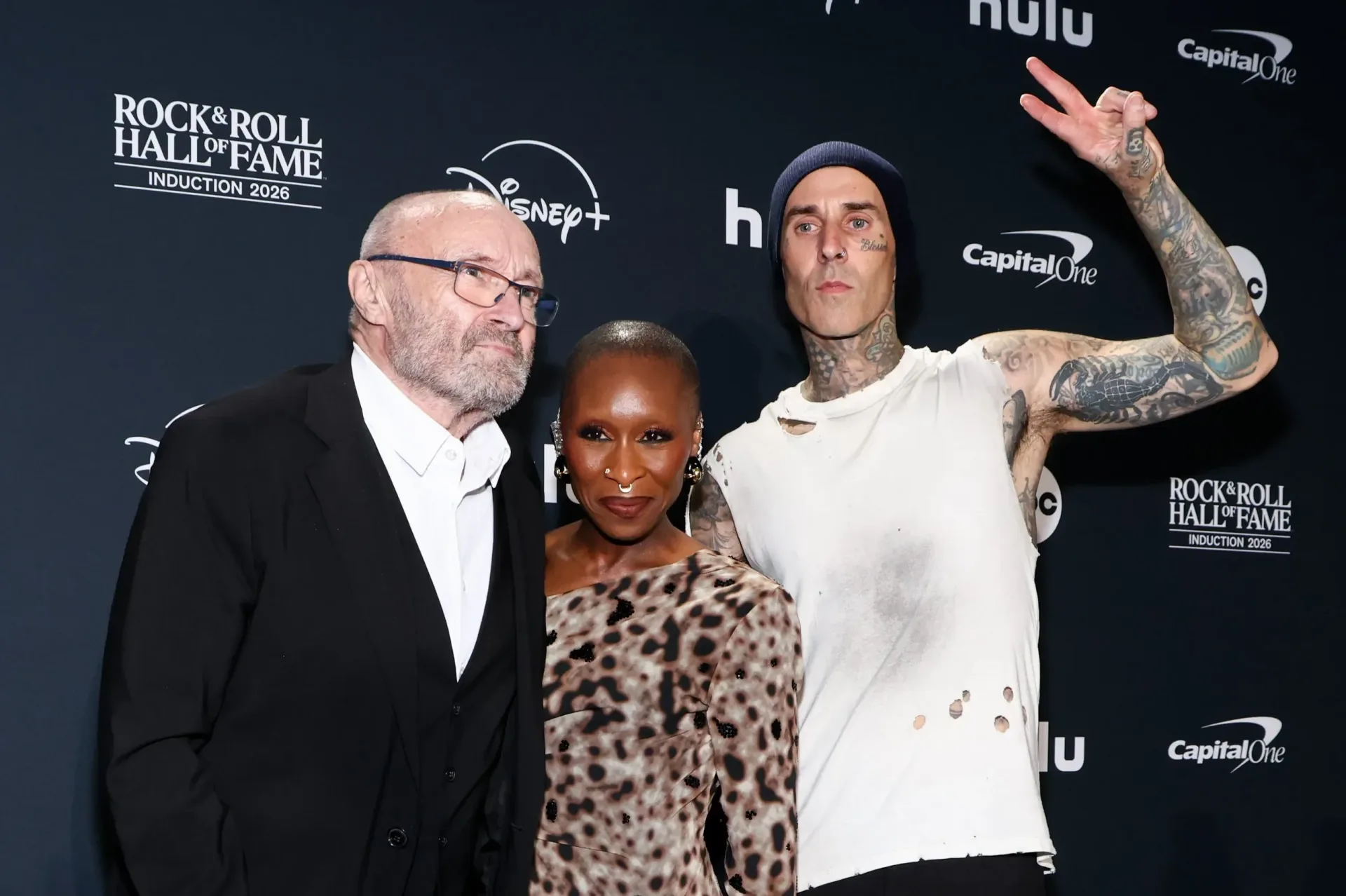
The 2026 Rock & Roll Hall of Fame induction ceremony turned Los Angeles’ Peacock Theatre into a four-and-a-half-hour argument for the value of unlikely musical pairings. It was an evening of inductions, tributes, reunions and conspicuous absences, framed by U2 at the opening and Aerosmith with Run-DMC at the end.
The central idea was simple: when an honoree could not perform, could not attend, or was not expected to take the stage, a newer or differently aligned artist could interpret the music. The results included Usher celebrating Luther Vandross, Cynthia Erivo and Travis Barker handling Phil Collins’ “In the Air Tonight,” Sienna Spiro taking on Sade’s “Smooth Operator,” and Stephen Wilson Jr. performing Oasis’ “Wonderwall.”
That approach matters because a Hall ceremony is not merely a playlist of familiar songs. It is a televised staging of influence. An induction tribute is a performance by artists other than the honoree, designed to show how a catalog travels across generations, genres and audiences. This ceremony leaned hard into that premise—and occasionally into a joke so visual it needed no explanation.
U2 open with the new, then pivot to the familiar
U2 opened the show despite having no direct connection to the 2026 class. The restored four-piece, with Larry Mullen Jr. back in the lineup, performed “Silencio” from its new album Carnaval de Luz, followed by “Pride (In the Name of Love).”
The first number used performers dressed as police officers carrying riot shields, initially stationed around the band before running laps around them. The staging receded as U2 moved into “Pride,” a transition from present-tense promotion to a catalog centerpiece the room would immediately recognize.
It set the tone for a program that did not treat the ceremony as a museum display. A legacy act could introduce fresh work; younger artists could recast older material; and the night could move between rock, R&B, hip-hop, pop, metal, electronic music and country-rooted interpretation without pretending those boundaries have ever been airtight.
Hip-hop’s inductees made the ceremony’s broadest case for community
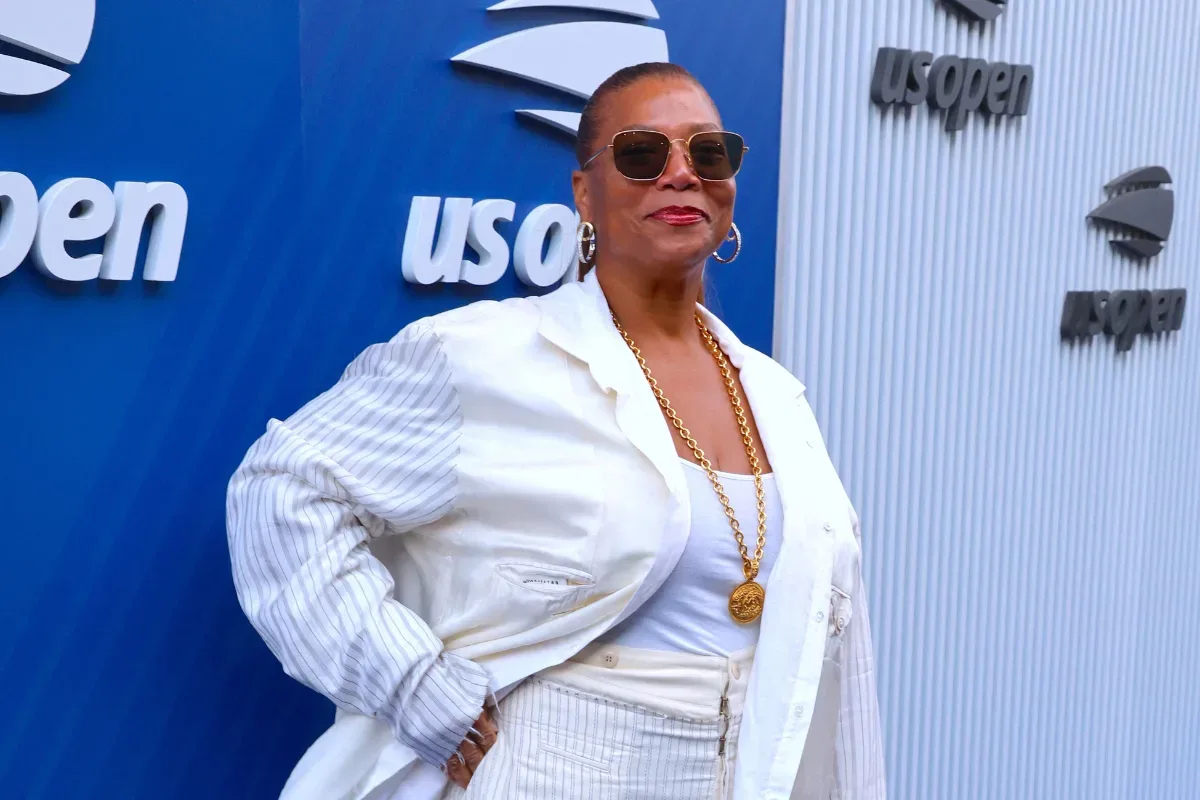
MC Lyte entered through the Early Influence category, introduced by Remy Ma. Her remarks described a path from Brooklyn B-girl to an artist seeking to inspire a generation. Later, she joined Queen Latifah, Megan Thee Stallion and Remy Ma for “Ladies First,” following Latifah’s performances of “U.N.I.T.Y.” and “Latifah’s Had It Up 2 Here.”
Queen Latifah used her speech to identify the many musical forms she wanted inside her hip-hop: reggae, salsa, house, jazz and rock. Her acknowledgment of MC Lyte was especially meaningful in the context of the night. Rather than presenting women in rap as an isolated exception, the segment visibly linked artists across generations.
Related coverage includes U2, Usher and Hip-Hop Icons Power 2026 Rock Hall Ceremony.
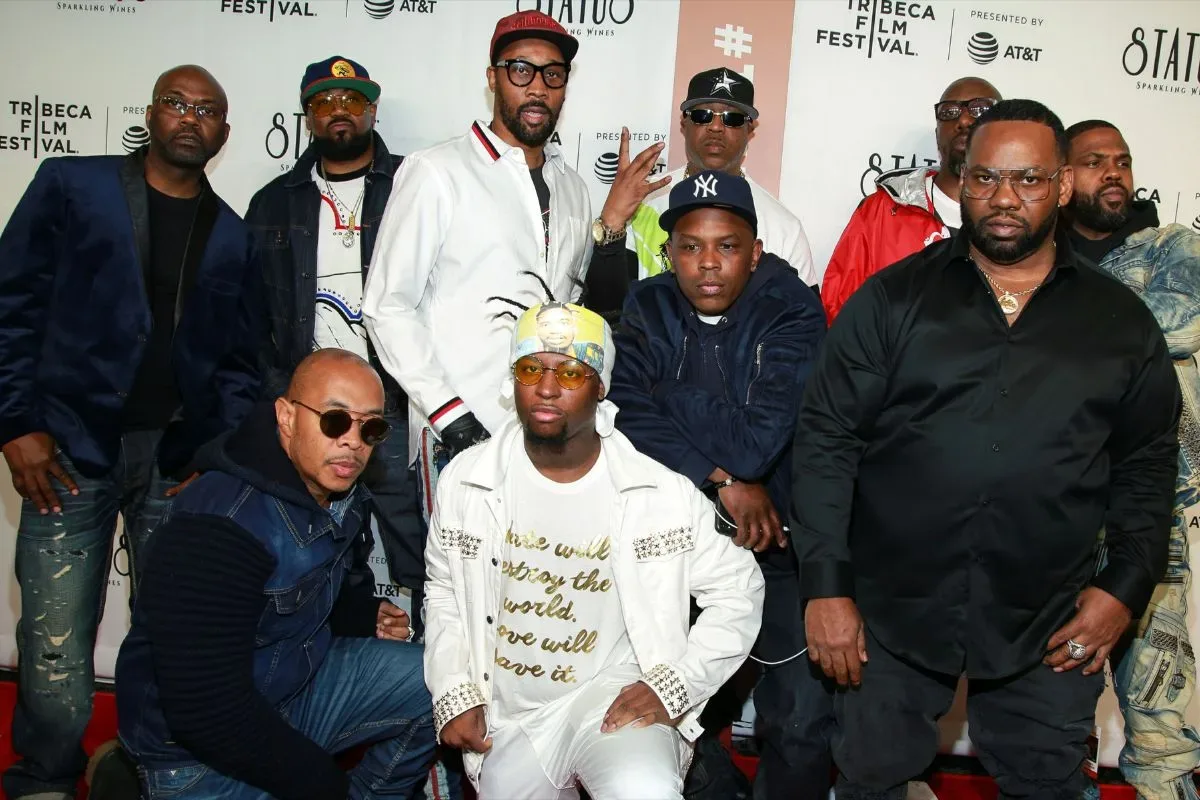
Wu-Tang Clan brought the largest sense of collective scale. Chris Rock introduced the group, and its members delivered a seven-song medley that began with “Triumph” and ended with “Protect Ya Neck.” Inspectah Deck also emphasized the support network behind the group, naming people and organizations from that wider community. The ceremony’s eventual broadcast edit may not preserve every name, but the onstage gesture established a useful counterpoint to the individual-star narrative that often dominates award shows.
The closing performance reinforced that rap-rock connection from a different era. Aerosmith began “Walk This Way” before Steven Tyler stopped the number to summon Run-DMC. Their joint version recalled the collaboration that joined two distinct musical identities into one of pop culture’s clearest symbols of rock and rap meeting on equal terms. Chad Smith played drums for the finale after appearing earlier with Red Hot Chili Peppers.
Usher, Erivo and Barker deliver the night’s tribute performances
Usher performed a Luther Vandross medley comprising “Here and Now,” “So Amazing” and “Never Too Much,” after Oprah Winfrey introduced the late singer. The song choices covered the romantic, controlled vocal style for which Vandross is remembered without requiring a simple imitation. For a tribute act, that distinction is important: honoring an artist’s phrasing and emotional precision is not necessarily the same as reproducing every vocal detail.
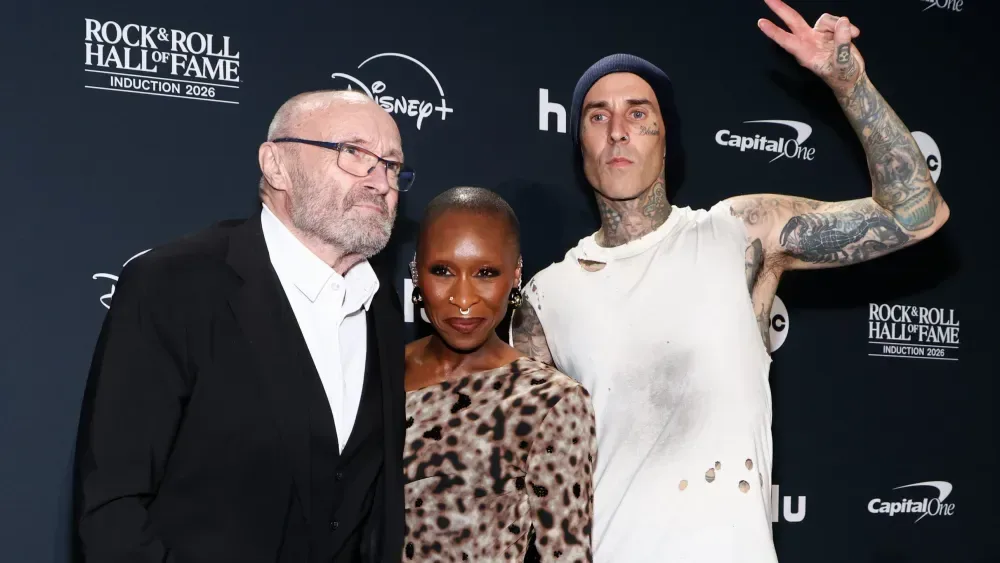
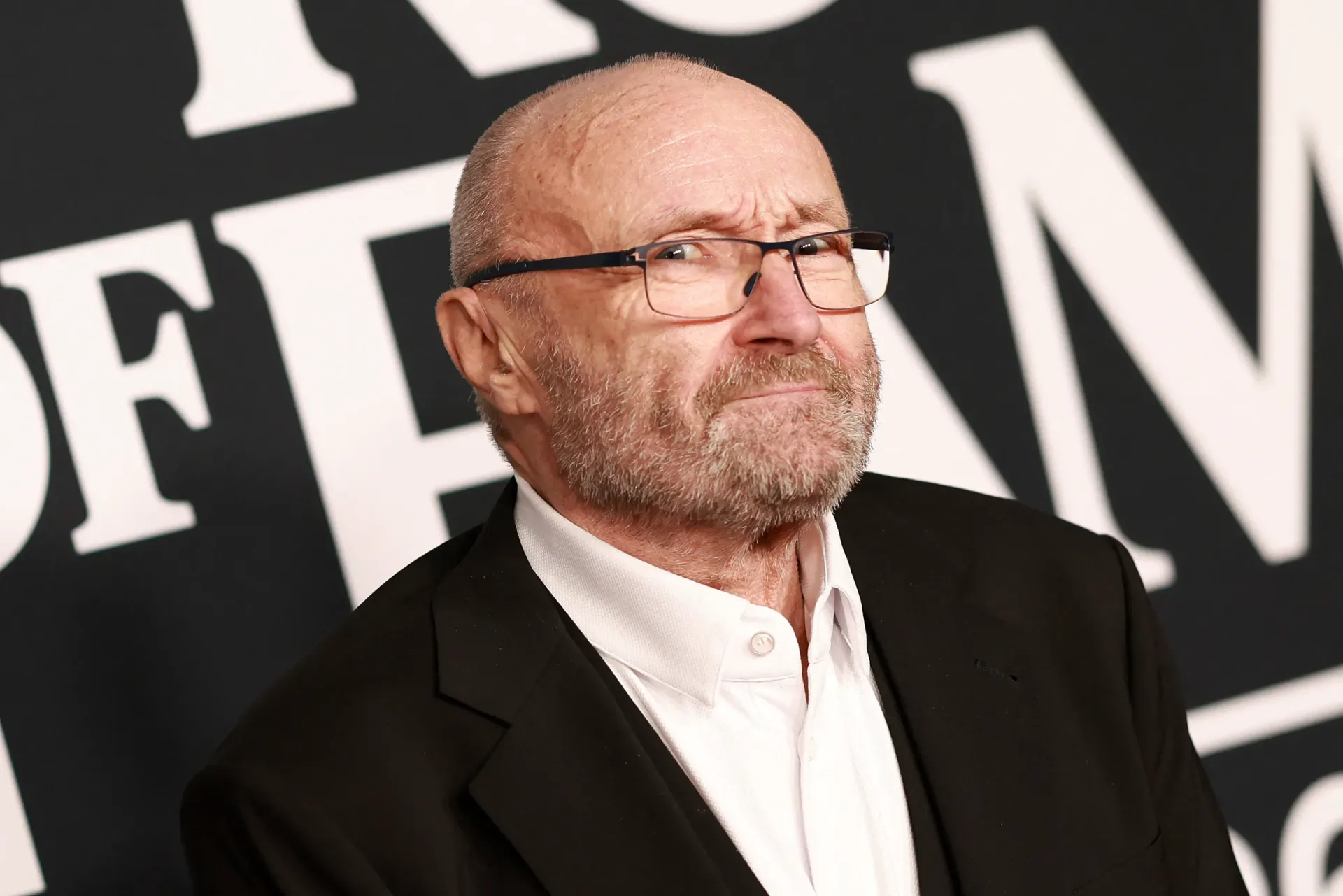
Phil Collins attended with a cane and told the audience that they had not heard the last of him. Cynthia Erivo then joined Travis Barker for “In the Air Tonight.” The arrangement gave the famous drum break its expected spotlight while maintaining the song’s melodic and vocal dimension. A drum fill is a short rhythmic passage that marks or propels a transition; Collins’ fill in this song has become so culturally recognizable that it is often treated as the whole track. The Erivo-Barker pairing instead underlined that there is a full composition surrounding that moment.
Collins later discussed serious health setbacks, saying his live drumming days are probably over after repeated knee procedures and subsequent kidney and liver problems. Still, he described the possibility of making music with longtime collaborators and perhaps doing some shows as a work in progress. Readers looking for the fuller implications of those remarks can find them in this overview of Collins leaving the door open to new music and live performances.
The practical takeaway is restraint. Collins expressed openness, not a firm commitment to a new project or tour. The ceremony offered a welcome public appearance and a notable tribute, but it did not establish dates, venues or a definitive return to performing.
Absent honorees still had a strong stage presence
Sade’s members did not attend, but Sienna Spiro performed “Smooth Operator.” Iron Maiden were also absent, honored by St. Vincent alongside an all-star metal group that included Metallica members. Oasis were not present either, with Stephen Wilson Jr. delivering a solo, rootsier reading of “Wonderwall.”
Absence can make a tribute more difficult, because it removes the possibility of a shared onstage handoff between the honored artist and the performer. It can also give the interpreter more room. Wilson’s stripped-down approach, for example, did not need to recreate Oasis’ full-band sound to make the song legible. Spiro’s performance likewise carried Sade’s contribution forward without relying on the band’s attendance.
Joy Division and New Order received perhaps the most complicated homage of the night. Peter Hook was the sole representative on hand. Deftones members and Chvrches singer Lauren Mayberry joined him for “Love Will Tear Us Apart” and “Bizarre Love Triangle,” representing Joy Division and New Order respectively.
Trent Reznor’s introduction mapped the artistic progression between the two groups: Joy Division’s intense, dark post-punk expression and New Order’s later embrace of electronic beats, sequenced lines and synthesizers. A sequencer is a tool that organizes and plays programmed musical patterns, especially useful for repeating electronic rhythms or melodic figures. Hook himself spoke about encountering American club culture and experimenting with electronic sounds as New Order formed after Joy Division.
The two-song construction made that evolution audible in miniature. “Love Will Tear Us Apart” and “Bizarre Love Triangle” do not erase the tragedy and rupture that separates the bands, but placing them together dramatized a move from starkness toward dance-floor propulsion.
Rick Rubin’s beard becomes an all-star guest
Rick Rubin’s induction produced the ceremony’s broadest visual gag. Neil Young gave a lengthy speech about Rubin’s work with artists across decades and the importance of creative space in recording. Rubin then offered an extremely brief response: “You can’t kill rock ‘n’ roll.”
Red Hot Chili Peppers followed with “Give It Away,” restarting after an early technical issue. Every member wore a long gray false beard in tribute to Rubin’s unmistakable look. It was silly, affectionate and surprisingly committed—especially once the performance involved vigorous headbanging.
The bit also captured Rubin’s unusual position in the program. A producer can fill many roles, from supervising recordings and arrangements to guiding an artist’s decisions in the studio. Unlike a singer or band, Rubin was not being honored for a single signature performance. The Chili Peppers’ beards gave the audience an instant visual reminder of the producer while the band supplied the live force.
Billy Idol closes the inductee performances with a generational handoff
Billy Idol received the last acceptance speech and performance slot among the inducted artists. Gwen Stefani and Tony Kanal introduced him, with Stefani recalling the impact of “Eyes Without a Face” on her as a teenager. Steve Stevens also spoke before Idol looked back to his Generation X period and addressed younger musicians.
Idol’s message was encouraging rather than nostalgic: people who can barely tune a guitar or operate a sampler should still try to make something impossible. That is a fitting thought for an evening where new voices repeatedly took on the songs of established artists. The tools change, and a sampler belongs to a different production vocabulary than a guitar, but the invitation was the same—find an identity and make the work.
In the closing moments, the event did not need a conventional all-star jam. “Walk This Way” already carried that function, with Aerosmith and Run-DMC embodying the kind of cross-genre exchange the rest of the ceremony kept pursuing. From U2’s opening to the final rap-rock reunion, the 2026 ceremony built its strongest moments around connection: between artists, between styles, and between songs that can survive changing hands.