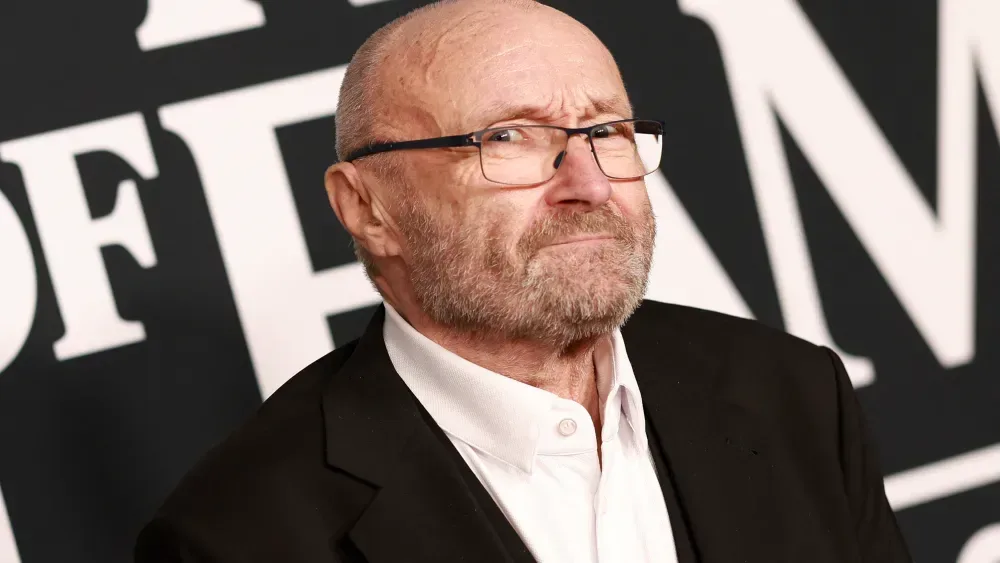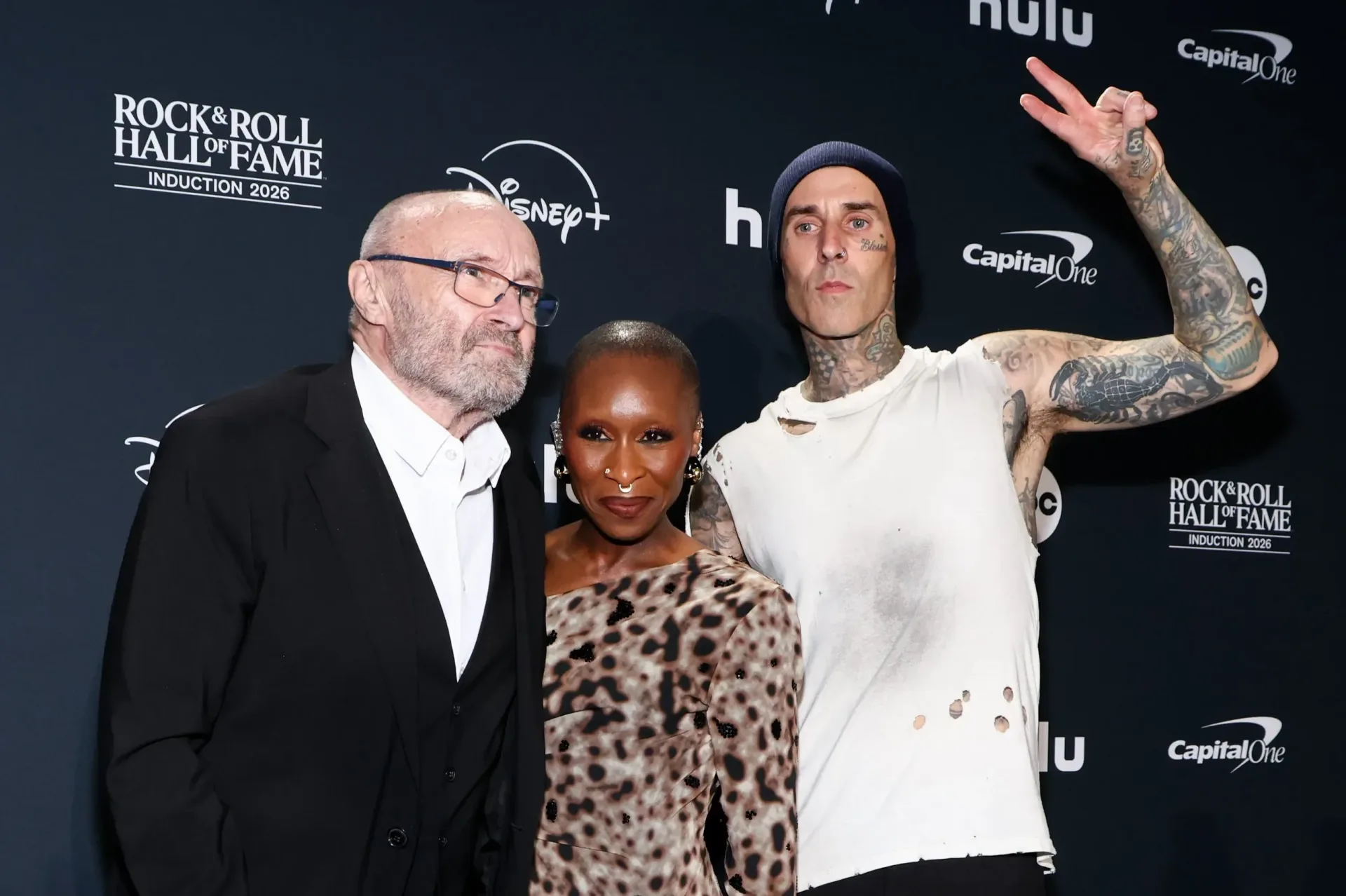
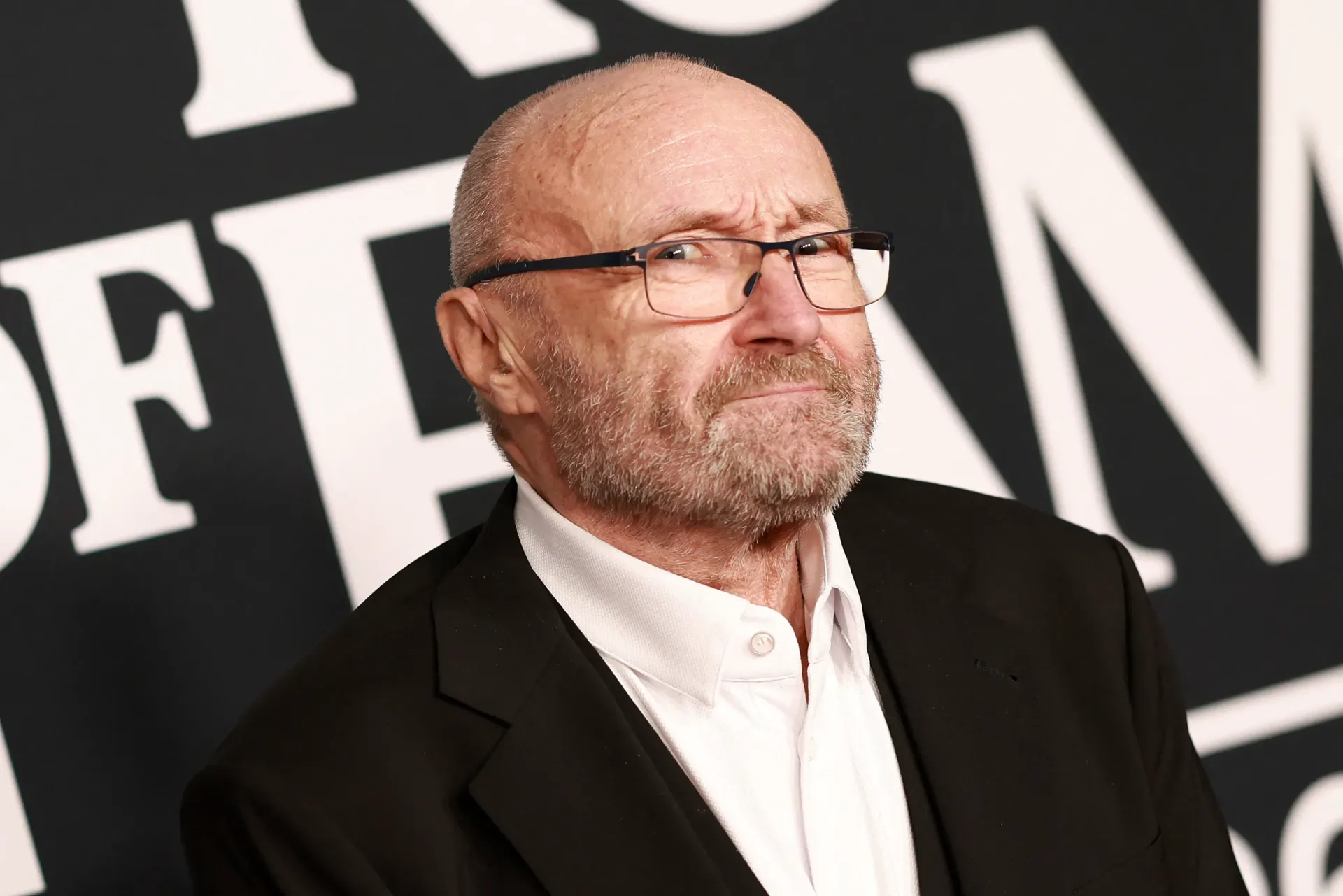
Phil Collins used a rare public appearance in Los Angeles to offer a cautiously hopeful update on his health and creative future. Accepting an induction into the Rock & Roll Hall of Fame, Collins told the audience that he was doing better and pushed back on the idea that his musical career is necessarily over.
“I’m really not as bad as it looks. I’m much better,” Collins said at the start of his speech. He also addressed persistent speculation around singing again, making an album or mounting a tour: “You haven’t heard the last of me.”
That is encouraging language, but it is important to separate what Collins has said from what has not been announced. There are no confirmed concert dates, no announced tour itinerary, and no identified new release. What Collins has described is a desire to return to his studio, write with trusted musicians and see whether that work becomes something listeners can hear. For now, it is explicitly a work in progress.
A measured update, not a tour announcement
In comments after the ceremony, Collins said an in-house recording studio and a group of musician friends, including people who have played in his band, make creating music both possible and enjoyable. He said he would like to spend time in the studio having fun and writing material he hopes people will enjoy.
For more context, explore Fn Lock Explained: What the Keyboard Icon Does and How to Toggle It.
That distinction matters. Recording and touring are related, but they ask very different things of a performer. Studio work can be shaped around a person’s schedule, energy and comfort, with breaks and revisions available whenever necessary. A live tour means travel, repeated performances, logistical demands and a sustained physical commitment. Collins did not portray either as guaranteed; instead, he identified them as possibilities he wants to explore.
He said a recent conversation with his children left everyone excited by the idea that doing some shows was not beyond reach. The phrasing is deliberately conditional. It signals interest and optimism, rather than a promise that fans should treat as a booked return to the road.
“At one point I didn’t think I’d live, let alone go on the road again,” Collins said, while adding that performing some shows is not beyond the realm of possibility.
For audiences accustomed to seeing celebrity health discussions transformed quickly into headline-sized predictions, the practical reading is straightforward: Collins is talking about renewed creative momentum. Any album or live appearance would need to follow his own process and circumstances, not the rumor cycle around him.
Health remains central to the conversation
Collins has previously spoken publicly about significant health challenges. In August, he said that health complications related to alcohol abuse had nearly killed him in 2024. Earlier in 2026, he said he had undergone five knee surgeries.
Those disclosures provide necessary context for why even a tentative statement about writing, recording or performing carries weight. They also underline why Collins’ comments should not be reduced to a simple “comeback” narrative. He described a period when things “started to go wrong,” then spoke about being better now. Both parts are important: an improving outlook does not erase the seriousness of what he has experienced.
Collins’ public remarks place the emphasis on agency. He is not framing himself as someone waiting passively for a return; he is talking about getting into the studio, working with musicians he knows, and trying to make songs worthy of an audience. That is a concrete creative ambition even without a release plan attached to it.
Why the studio is the clearest next step
An in-home studio can mean a recording space located where an artist lives or spends most of their time, rather than a commercial facility booked by the day. In Collins’ case, the value is less about equipment specifications—which he did not discuss—than flexibility. He can work with friends, focus on songwriting and make music in an environment designed around access and familiarity.
His mention of former bandmates is similarly meaningful without confirming a lineup or project. Familiar collaborators can bring shared musical shorthand: people who already understand an artist’s habits and can work together without the pressure of assembling an entirely new team. Collins did not name particular participants or say that a formal band reunion is underway, so it would be premature to read more into the remark.
Still, the idea has a practical appeal. Writing sessions can begin as informal creative time and remain informal. If the material develops, it may lead somewhere larger. If it does not, Collins has still returned to an activity he says he enjoys. His stated aim was not to rush out an album-shaped product; it was to make music that is good enough for people to hear and enjoy.
That approach also explains the restrained language around potential shows. A productive studio period could inform later decisions, but Collins did not set out a sequence of steps or timetable. Fans have reason to be encouraged, not reason to start planning around unconfirmed dates.
Rumors versus confirmed information
Collins acknowledged that one statement can lead to years of follow-up questions. His answer suggests he understands why people continue to ask, while also making clear that he does not see “doing nothing” as a satisfying long-term option.
The reliable takeaways from his remarks are these:
- Collins said he is “much better” and called himself well.
- He wants to write and make music in his home studio.
- He has musician friends, including former band colleagues, with whom he would like to work.
- He hopes any new music will be something people can enjoy.
- He regards some future live shows as possible, rather than confirmed.
What remains unknown is equally clear: whether a full project is recorded, when music might be shared, what form any performances could take, and whether those performances would amount to isolated shows or something more extensive. Collins has provided no dates, venues, title, release format or personnel list.
That uncertainty does not make the update empty. In fact, it makes it more credible. Collins’ message was not a marketing rollout with a countdown clock; it was a personal status report from an artist who has dealt with serious setbacks and is beginning to envision creative work and perhaps live performance again. A separate account of the appearance likewise characterizes the prospect as an open door rather than a firm commitment.
What listeners should watch for next
The most meaningful indicator will be a specific statement from Collins or his representatives: confirmation that sessions have started, news of a finished recording, or details of an individual performance. Until then, the headline is not that a tour or album is on the calendar. It is that Collins himself sounds interested in creating again and does not rule out sharing a stage in the future.
His comments offer a hopeful but appropriately grounded answer to the question of whether there is more to come. Collins says he is feeling better. He has a space to work, musicians he trusts and a desire to make something. The eventual scale of that effort remains unknown, but the creative impulse is plainly still there.