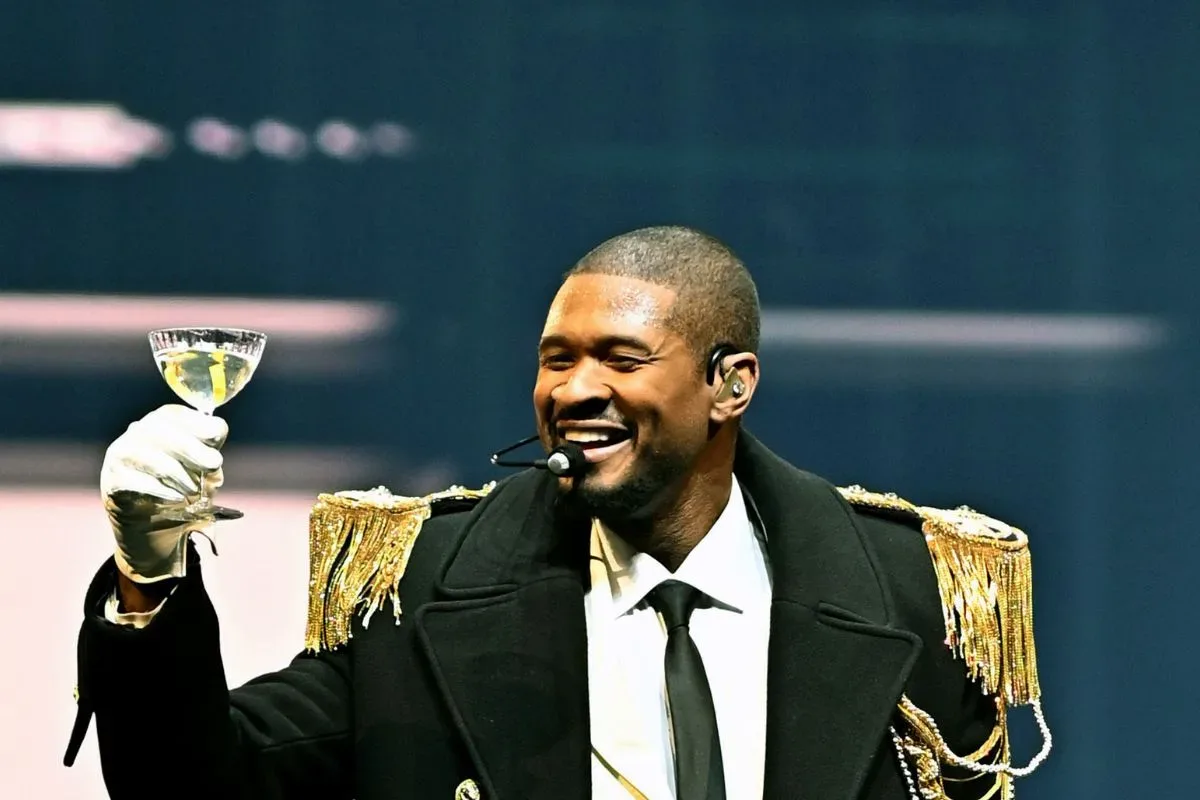

Usher and Chris Brown’s R&B Tour has put up the kind of numbers usually reserved for a scoreboard with a suspiciously generous difficulty setting. The stadium run grossed $77.4 million in September from 10 shows, selling 423,000 tickets in the process. That made the two performers the first co-headlining pair to lead the monthly Top Tours ranking.
The September total works out to approximately $7.7 million in gross ticket revenue and 42,300 tickets per show. It narrowly placed the tour ahead of Karol G and Celine Dion for the month, underscoring the scale of the demand behind a bill built around two major R&B stars.
It was Usher’s first time atop that monthly chart. Brown had previously led the ranking for three consecutive months in 2025. Together, the tour’s reported totals show not merely a strong opening, but sustained high-volume business across the summer and into fall.
A $284.7 million reported run through October 3
September followed reported monthly grosses of $98.4 million in July and $91.8 million in August. Through the October 3 stop in El Paso, the first 36 reported dates had generated $284.7 million.
Those figures need one important bit of tour-accounting context: a reported date is a show for which ticket-sales results have been made available and included in the running tally. It is not necessarily the same thing as every concert that has taken place, every date originally scheduled, or a final total for the entire tour. The $284.7 million figure is therefore a substantial checkpoint rather than a definitive end-of-run number.
The tour opened in Denver on June 26 and expanded to 59 shows as demand grew. Expansion matters because it indicates the itinerary did not remain fixed at its initial footprint; more opportunities to sell stadium tickets were added as the run developed. It also makes the final financial picture more complicated, since later cancellations or changes can affect which shows are ultimately completed and reported.
At the same time, it is worth separating gross revenue from what any individual performer actually earns. Gross refers to total ticket revenue before the various costs associated with mounting a stadium production, including the broad operational machinery required to move artists, crews, equipment and staging between cities. The available numbers establish the commercial size of the tour, but do not provide a breakdown of profits, artist payouts, production expenses, refunds or promoter arrangements.
Atlanta delay sparks online speculation, not confirmed evidence
The blockbuster receipts have been accompanied by a smaller but louder side plot: speculation that Usher and Brown may be at odds backstage.
Related coverage includes Usher and Chris Brown’s R&B Tour Reaches $284.7M Through 36 Reported Dates.
On November 6, the opening night of a five-show Atlanta engagement at Mercedes-Benz Stadium reportedly began at roughly 10 p.m., around two and a half hours later than expected. Fans also complained online about shorter sets and the lack of a shared performance during that show. That combination supplied the raw material for feud talk, but it did not establish that a dispute had occurred.
No confirmed evidence of backstage tension has surfaced. Brown addressed the chatter in an Instagram Story, writing, “Internet cap. don’t fall for it.” He did not specify which individual claim or rumor the message addressed, so it cannot be treated as a detailed explanation for the late start, the set concerns or the broader speculation.
The following night, the performers did share the stage for “Back to Sleep” and the “It Depends” remix. That appearance directly complicates the claim that the two could not or would not perform together. It does not, by itself, prove that every operational concern was resolved, but it is a meaningful onstage data point against the most sweeping versions of the rumor.
For concertgoers, the practical distinction is straightforward: a delayed start, an altered set or the absence of a collaboration at one performance can be disappointing without automatically revealing the cause. Stadium shows are large, tightly sequenced productions. Publicly available information here does not establish why the Atlanta show started late or why the first night did not include a joint song.
Cancellations add a real logistical concern
While the alleged feud remains unverified, there have been concrete schedule changes. Dates in Cincinnati, Indianapolis and Columbia, South Carolina, were canceled in October. Organizers cited the health and well-being of the performers and crew. A December date in Miami has also been canceled.
That distinction is important. The cited explanation concerns the people required to deliver the tour, not a confirmed conflict between the headliners. A run of this size depends on more than the performers who appear under the lights: it also relies on a crew and a production operation that have to keep working across a long series of stadium dates. When organizers point to health and well-being, the available evidence supports treating it as an operational and personnel issue rather than filling in an unconfirmed narrative.
The tour’s broader schedule helps explain why fans are watching those changes closely. A 59-show stadium itinerary is a long campaign, and the reported gross through only 36 dates already sits at $284.7 million. Each canceled date matters to ticket holders, employees and the cumulative box-office story, even if the reported numbers to date remain enormous.
Fans with tickets for future dates should rely on direct communications from official ticketing and venue channels for event-specific information. Social-media clips and rumor accounts can spotlight a change quickly, but they cannot reliably explain its cause or substitute for an official update about a particular show.
What the numbers say—and what they do not
The measurable story is clear: this is a highly successful stadium tour. July, August and September each produced reported grosses above $77 million, with September’s 423,000 tickets across 10 performances delivering an average crowd above 42,000 per night. The tour also earned a historic monthly chart achievement for a co-headlining pairing.
What those numbers do not answer is whether every show has unfolded exactly as audiences expected, or whether the artists’ working relationship is free of every possible strain. Ticket demand and artist chemistry are not the same metric. The former has extensive reported sales data here; the latter is being inferred by observers from a delay, set complaints and a missing collaboration at one Atlanta show.
The next-night joint performance offers a useful reality check. It does not require anyone to declare the rumors permanently defeated, but it does mean the strongest claims of an active public-facing rift are not supported by the available record. Brown’s brief denial also pushes back on the online narrative, while leaving many specifics unaddressed.
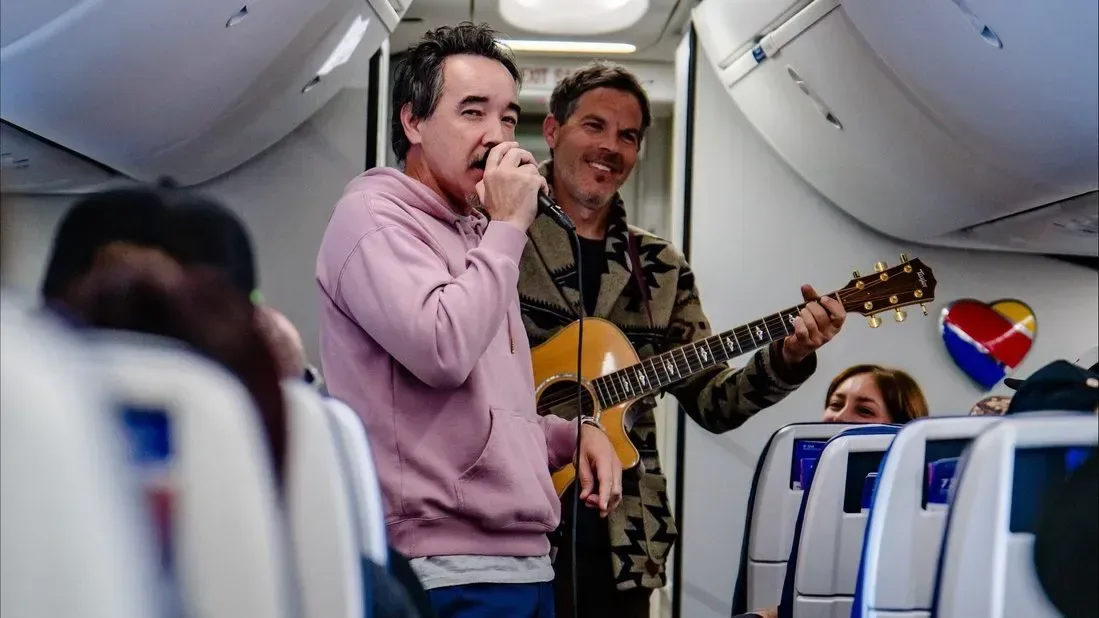
For a reminder that music events can become unpredictable long before anyone starts reading backstage tea leaves, see this report on a mid-flight set performed during a national ground stop. The less glamorous reality of live entertainment is that timing, logistics and contingency plans can become part of the show’s story just as quickly as the music.
Usher and Brown’s run was presented as a meeting of R&B peers, and the business performance demonstrates that audiences bought into that premise at stadium scale. The remaining question is not whether the tour has been commercially significant—it plainly has been—but how its remaining dates proceed amid cancellations, intense attention to individual shows and a rumor cycle that has so far outpaced confirmed details.