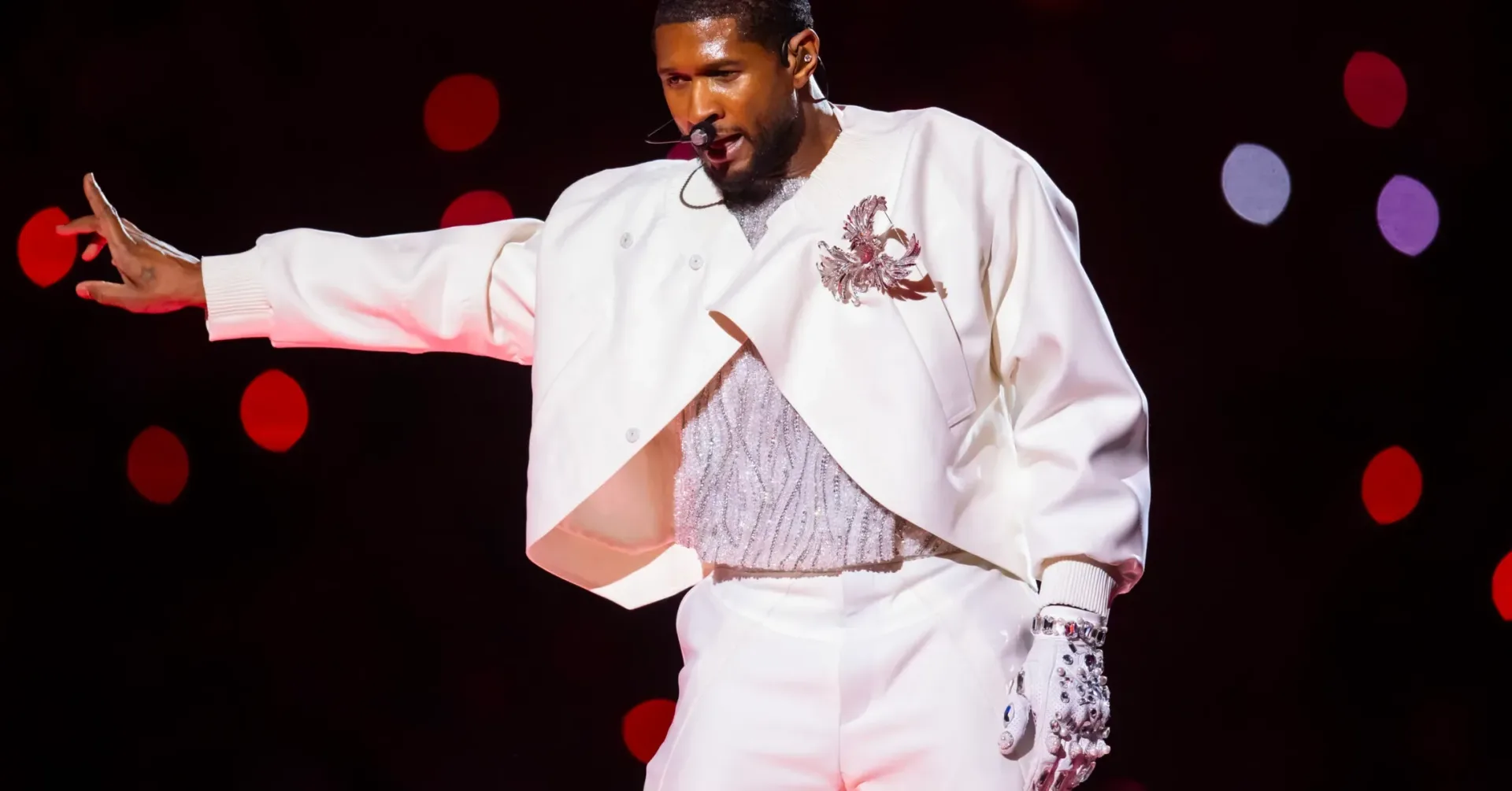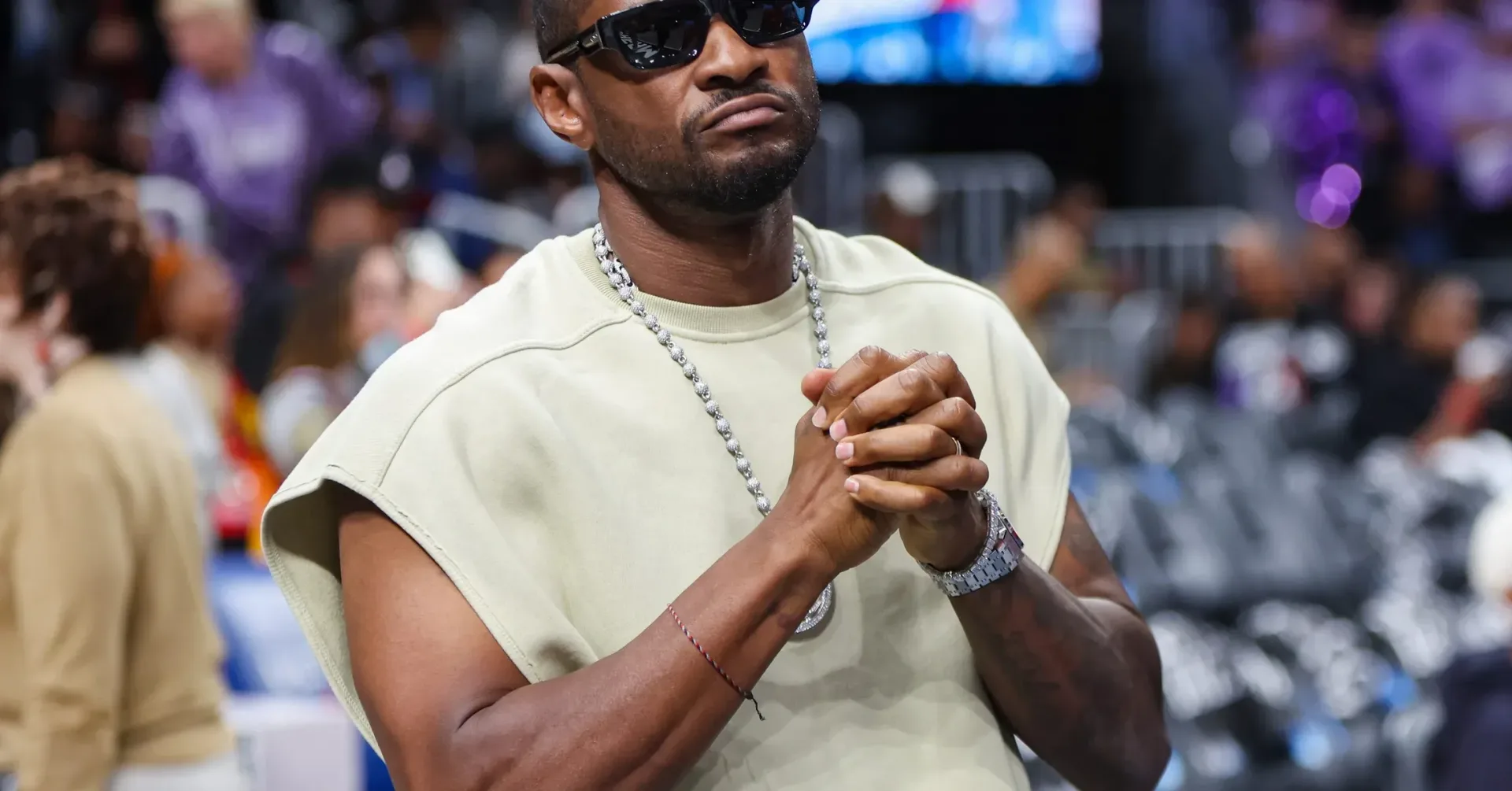
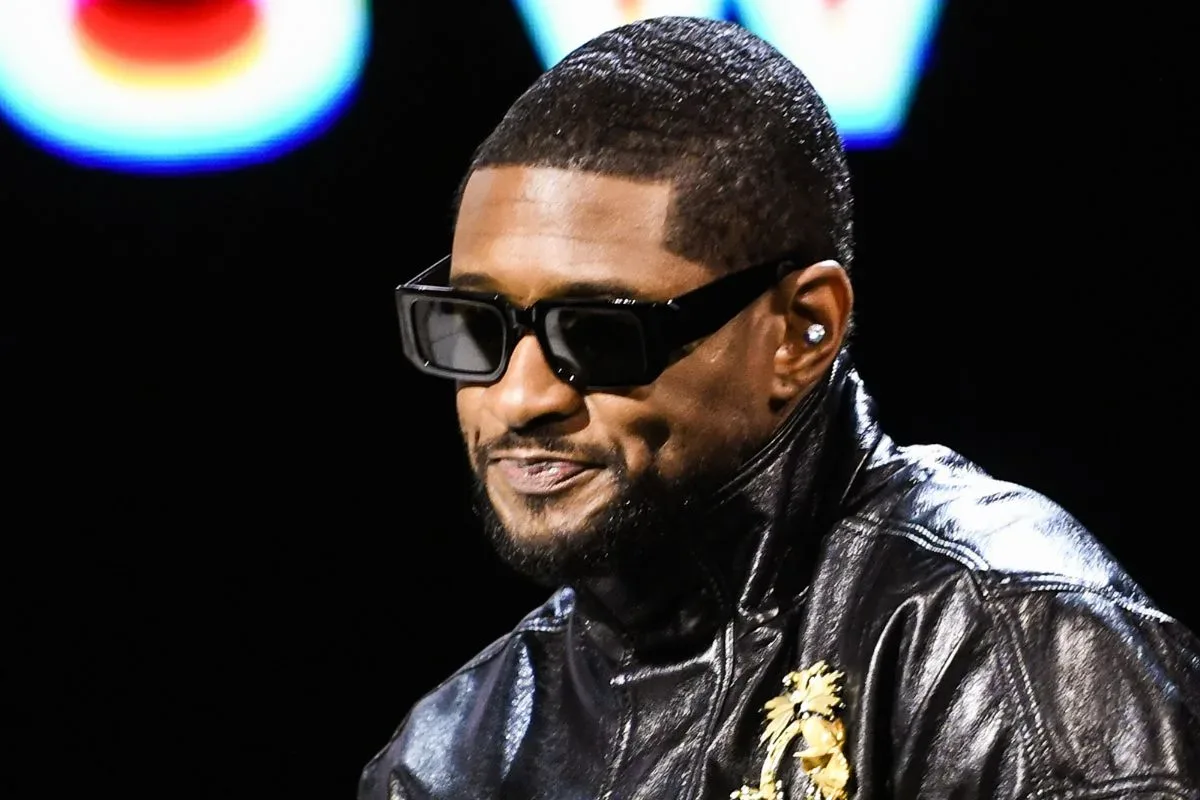
Concertgoers who attended Usher and Chris Brown’s November 5 show at Mercedes-Benz Stadium in Atlanta are pressing for refunds or a replacement performance after saying the opening night did not deliver the joint experience they expected.
A Change.org petition started by attendee Rhonda McKenzie had passed 1,200 signatures by Sunday. It asks for the November 5 concert to be redone or for ticket purchasers to be reimbursed. The request centers on two linked complaints: attendees say the performance began around 10 p.m., despite an advertised 7:30 p.m. start, and that the artists performed separate sets rather than the anticipated shared material.
For people who bought tickets for hundreds of dollars—and, in some cases, spent thousands—the disagreement is not simply about whether either artist appeared. Fans say the value proposition was a particular kind of stadium show: two major performers appearing together and delivering the duets that had been part of the tour. Their complaint is that this element was missing on November 5.
What attendees say happened at the November 5 concert
McKenzie has described the concert as her first experience in which she felt robbed of what she paid to see. Other attendees similarly characterized the night as a set of separate performances without the shared songs they believed would be included.
Accounts also describe uncertainty at the end of Chris Brown’s portion of the show. He reportedly finished his set while suspended above the stage, leaving some people unsure whether Usher would still perform afterward or whether the night had effectively ended. That confusion matters because the complaint is as much about the audience’s expectations and communication as it is about a setlist.
A joint set does not necessarily mean two artists alternate songs for an entire concert. In this context, it means both performers share the stage for collaborations and planned duet moments. Fans contend those moments were a meaningful part of the show they had purchased. A separate headline set by each artist can still be substantial, but it is not automatically the same product in the eyes of ticket holders who expected the collaboration-heavy presentation.
The petition therefore frames its request around the November 5 audience specifically. Later shows may affect how observers interpret the issue, but they do not change what those attendees say they received that night.
A petition is pressure, not an automatic refund mechanism
The petition’s growing signature count makes the dissatisfaction visible, but it does not itself compel refunds, a make-good performance, or any particular response. It is a public request for action rather than a ticketing decision. Whether any remedy is offered remains unresolved.
Related coverage includes Usher and Chris Brown Face Atlanta Refund Petition After Missing Duets.
As of Sunday night, no public explanation for the delay had come from either artist, their representatives, Live Nation, or Ticketmaster. That absence leaves key questions unanswered: why the show began later than advertised, whether the missing duets were a planned change or an unexpected alteration, and whether the parties involved intend to address November 5 ticket holders directly.
That distinction is important. There is a difference between an audience being unhappy with creative choices and an audience believing that a prominently expected component of a show was absent. The available accounts establish that fans felt shortchanged; they do not establish a reason for the altered presentation or a decision on compensation.
The missing collaborations fueled feud speculation
The absence of the shared performances quickly led to online speculation that Usher and Chris Brown were feuding, including claims of a backstage dispute after their separate sets. Those claims have not been publicly substantiated in the information available.
Chris Brown addressed the chatter in an Instagram Story, writing, “Internet cap. don’t fall for it.” He did not specify exactly which allegation or rumor he was rejecting. As a result, the post should not be read as a detailed explanation for the late start, the missing duets, or the November 5 show’s structure.
What is clearer is what happened afterward. Usher and Chris Brown resumed joint performances on Friday, including “Back to Sleep” and the “It Depends” remix, and they shared the stage again on Sunday. Those appearances undercut the simplest version of a continuing public split, but they still do not explain why the opening Atlanta show unfolded differently.
For petition supporters, that sequence may sharpen rather than settle the complaint. If collaborative moments returned at later dates, November 5 attendees can reasonably see their show as the exception—precisely the performance for which they are seeking a remedy.
Context: cancellations earlier in the stadium run
The Atlanta dispute arrives after October cancellations in Cincinnati, Indianapolis, and Columbia. Organizers attributed those canceled dates to protecting the health and well-being of the performers and crew during a lengthy stadium run.
Those cancellations are relevant background, but they should not be treated as a confirmed explanation for Atlanta’s late start or the absence of duets. No public statement has connected the earlier canceled shows to the November 5 presentation. The shared context is simply that the tour has already faced scheduling disruption before the Atlanta complaints.
Large stadium productions involve performers, crews, staging, transportation, venue operations, and tightly coordinated timing. That helps explain why fans want a clear account when a show differs from what they expected; it does not establish what caused this particular change. Until the artists, promoter, or ticketing company comments, the reason remains unknown.
What remains scheduled in Atlanta
The remaining Atlanta performances are scheduled for November 10 and November 11 at Mercedes-Benz Stadium. The Friday and Sunday joint appearances show that the two artists have performed together since the disputed opening night, but attendees at those future dates will ultimately judge their own experiences independently.
For November 5 ticket holders, the issue is more specific: they say they paid for a concert advertised and understood as a joint Usher and Chris Brown event, arrived for a 7:30 p.m. start, and instead experienced a substantially later show without the collaborations they expected. The Change.org petition seeks either a redo or refunds as the proposed answer.
There has been no announced refund policy or replacement date for that opening Atlanta audience. Until that changes, the petition is the clearest formal expression of the fans’ request, while the explanation for the delay and altered performance remains unconfirmed.
The episode also illustrates why specific billing and repeated show elements carry so much weight at high-cost live events. A concert’s appeal is rarely limited to a list of names on a poster. When fans buy into a paired performance, the onstage interaction can be central to the purchase decision. That is the expectation at the heart of Atlanta’s refund push—not a claim that either singer failed to appear, but a claim that the show they saw was not the collaborative show they believed they had bought.
For more entertainment coverage involving a high-profile one-off joint performance, read Drake’s comments on his “Take Care” appearance with Rihanna.