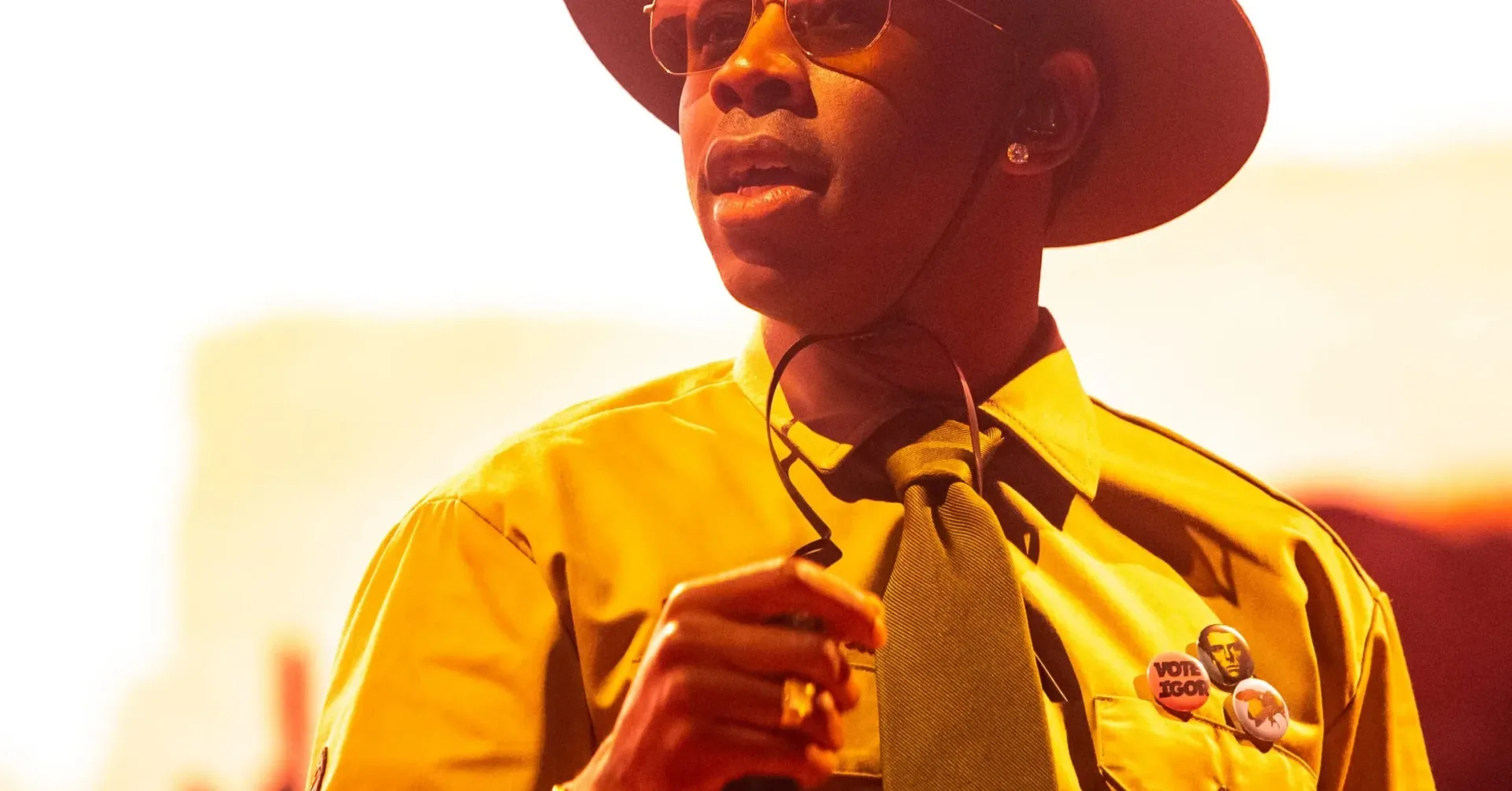
Tyler, The Creator has attached an audacious claim to his upcoming appearance on Quavo’s QRÖMELIFE. Promoting the track “Baby Breath,” Tyler called his contribution the best verse of his career and suggested it could rank among rap’s 25 greatest verses ever.
“My best verse of all time is on this (prolly top 25 in rap history),” Tyler wrote. He further characterized the performance as a forceful use of language, adding: “What I did to the English language is insane and shall be studied. 10/10. Real grown man bars.”
It is an intentionally enormous bar to clear. Plenty of musicians promote a new feature as a standout, but a claim of all-time standing changes the terms of anticipation. Listeners will not merely be looking for a catchy guest spot; they will be assessing writing, phrasing, personality, technical control and the way Tyler fits alongside the rest of the record.
What is known about “Baby Breath”
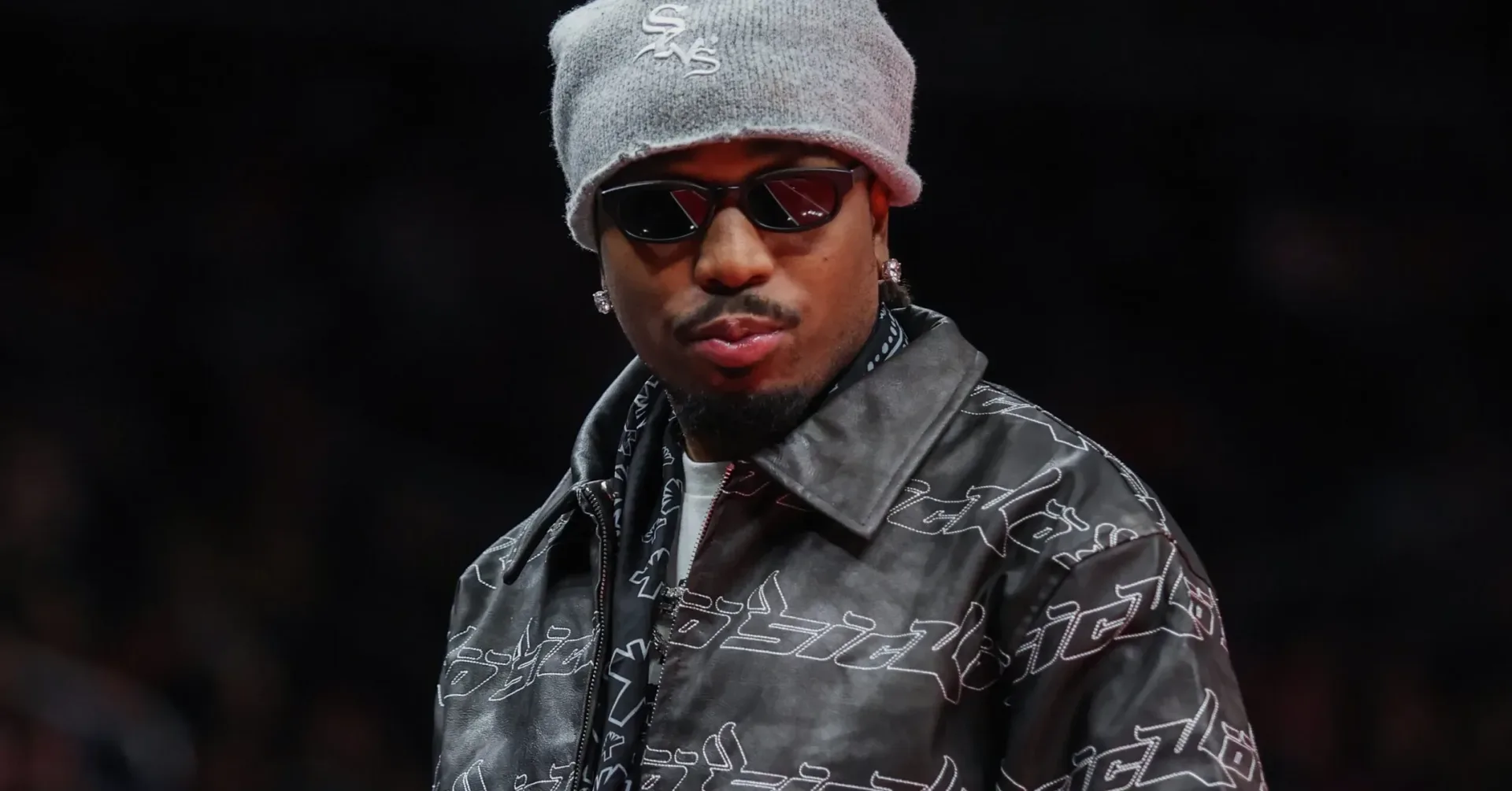
“Baby Breath” is listed as the fifth track on Quavo’s 14-song QRÖMELIFE, arriving October 2. Pharrell Williams and A$AP Rocky also appear on the song, creating an unusual four-artist lineup around Quavo.
Pharrell also executive produced QRÖMELIFE. An executive producer role can encompass high-level creative direction and coordination across a project, though the supplied details do not specify precisely how Pharrell’s responsibilities were divided track by track. His presence both as executive producer and as a “Baby Breath” guest nevertheless makes the song a conspicuous point on the album’s tracklist.
Quavo has described the album as work made while he was processing the death of Takeoff and attempting to move through that grief. That framing gives the project emotional context, but it would be a mistake to presume every individual song has the same lyrical focus before its release. What is confirmed is that the album brings together a broad group of collaborators: Offset appears on “Away,” while Future, Lil Baby, Yung Miami and Justin Timberlake contribute elsewhere.
Why Tyler’s boast changes the listening experience
Rap has a long tradition of competitive self-assessment. A rapper declaring themselves the best—or declaring a verse untouchable—is not a new idea. In this case, the specificity is what makes Tyler’s statement especially combustible. “My best verse” is a claim against his own body of work. “Top 25 in rap history” expands that comparison to a vast, subjective canon spanning different regions, eras, sounds and standards.
There is no objective scoreboard for an all-time verse. One listener might value dense internal rhyme, another emotional precision, vivid storytelling, comic timing, flow changes or a line that becomes culturally inseparable from a song. A verse can be technically dazzling without becoming widely quoted; conversely, a concise performance can endure because of its clarity or impact.
Tyler’s wording directs attention most clearly toward the mechanics of writing. His remark about doing something to “the English language” suggests listeners may want to pay particular attention to diction, wordplay, syntax and rhyme construction. Those are useful terms, but they should not be treated as interchangeable. Diction means the selection of words; syntax concerns how those words are arranged; and rhyme construction is the pattern through which similar sounds are placed across lines. Strong rap writing can use any or all of those devices, but the finished result still depends on delivery and musical placement.
Flow, meanwhile, is the rhythmic organization of a vocal performance: how a rapper places syllables in relation to the beat, pauses, stresses and changes pace. A verse may read impressively on a page and still land differently once cadence, tone and the surrounding production enter the equation. With Pharrell involved both on the song and as the album’s executive producer, the production context could be especially important to how Tyler’s performance is received, although no detailed musical description has been provided.
A collaboration built to invite comparisons
The personnel alone make “Baby Breath” a high-interest album cut. Quavo, Tyler, Pharrell and A$AP Rocky each bring distinct public identities and artistic histories to the same track. That does not automatically make a song great, but it guarantees that listeners will likely parse the contributions closely—who opens the record, who handles a hook if there is one, how the verses contrast and whether the voices create a unified mood.
Tyler’s claim also creates a useful, if unforgiving, listening lens. It calls for a distinction between a feature that is simply memorable and one that earns the rarer “all-time” language. A great guest verse needs to work in the song first. It should not merely announce its own cleverness; it has to interact with the beat, the theme and the performances around it. Only after that do larger conversations about legacy have much meaning.
That is why the phrase “real grown man bars” matters as more than a punchline. Tyler appears to be setting an expectation of deliberate, substantial writing rather than a casual cameo. The exact subject matter, structure and length of the verse remain undisclosed, so the comment should be read as a promise of ambition—not evidence that the promised result has already been achieved.
The claim is part promotion, part challenge
Hyperbole is useful promotional fuel because it gives an audience a clean question to carry into a release: did the track live up to the claim? Tyler has made the question unavoidable. Even listeners who do not share his definition of elite rap writing can assess whether “Baby Breath” feels like an artistic escalation within his own catalog.
There is also room for humor in the statement’s scale. Tyler’s public creative persona has often embraced directness and theatrical confidence, and the phrasing is grand enough to be read as a mixture of sincere pride and deliberate exaggeration. Until the track is heard, there is no need to force a choice between those readings. The practical outcome is the same: attention has shifted toward a specific moment on Quavo’s album.
For Quavo, that attention adds another dimension to a project already carrying a sizable guest roster and a personal context of grief and recovery. For Tyler, it places a clear artistic wager in public. If the verse resonates, the quote becomes a memorable bit of advance confidence. If listeners disagree, the claim will still have made “Baby Breath” one of the album’s most discussed tracks.
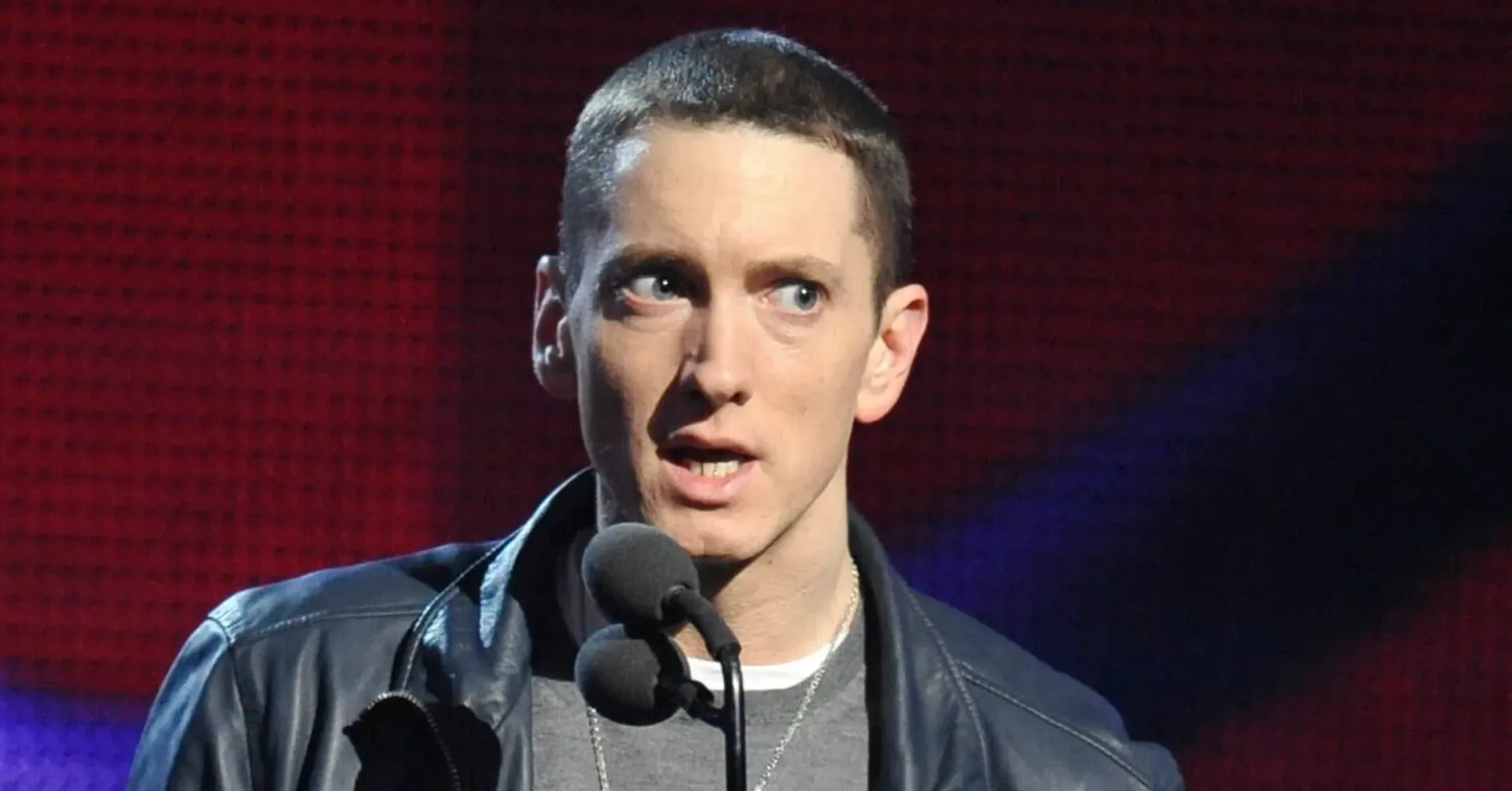
Hip-hop listeners are no strangers to large claims and long memory. Recent debate around artist relationships and reputations has shown how quickly a single reported collaboration can generate wider discussion, as with the conversation around Eminem’s reported Kid Rock feature. “Baby Breath” has a narrower and more musical challenge: whether one performance can sustain the kind of close reading Tyler has openly invited.
QRÖMELIFE is set to arrive October 2, with “Baby Breath” positioned fifth on its 14-track sequence. The all-time ranking is, by nature, unsettled. Tyler has made his own position clear well before listeners can make theirs.