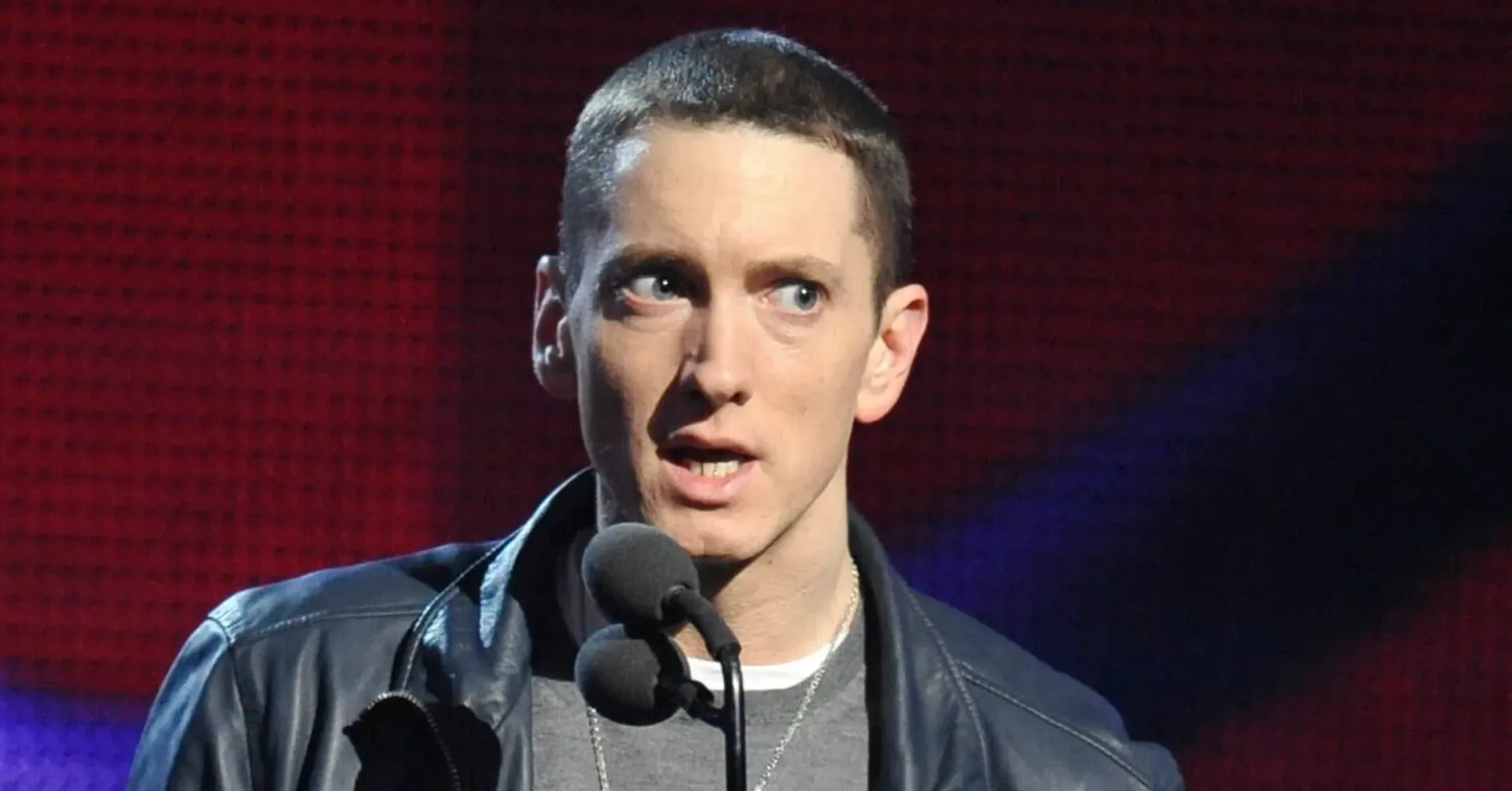
A reported new Eminem and Kid Rock collaboration is drawing attention less because the pair know each other and more because of everything audiences associate with each artist now. Kid Rock has said Eminem will appear on “7 Sins,” a song from his forthcoming Christian album Halfway 2 Jesus. The 17-track project is scheduled for October 17.
It would be their first recorded collaboration in years, but it is not an out-of-nowhere meeting of two famous Detroit musicians. Their shared history reaches back to Kid Rock’s 1998 Devil Without a Cause, when Eminem appeared on “F*ck Off,” before The Slim Shady LP made Eminem a superstar. Kid Rock also appeared in Eminem’s 2013 “Berzerk” video.
What has changed is the public context surrounding them. Eminem has spent years voicing opposition to Donald Trump, while Kid Rock has become one of Trump’s most visible celebrity supporters. That contrast has prompted pushback and speculation around “7 Sins” before listeners have even heard the track.
What is known about “7 Sins”
The basic details are still limited. “7 Sins” is described as a track on Halfway 2 Jesus, Kid Rock’s upcoming Christian album, and Eminem is expected to be featured. The album is reported to have 17 songs and an October 17 release date.
There is no supplied detail on the song’s sound, its production, the size or nature of Eminem’s contribution, or whether its title connects directly to the traditional religious concept of the seven deadly sins. Those are important distinctions: a feature generally means a credited guest appearance, but that label alone does not establish whether an artist delivers a verse, sings, appears in a spoken passage, or contributes in another way.
Likewise, calling Halfway 2 Jesus a Christian album identifies the project’s stated framing, not the specific lyrical or musical approach of every song. Until the record arrives, it would be premature to turn the title or the guest credit into a firm claim about either performer’s beliefs, the song’s message, or its intended audience.
Why the announcement has a political charge
Eminem’s political criticism of Trump has been unusually direct. During his 2017 BET Hip Hop Awards cypher, he addressed fans who supported Trump and said he was drawing a line in the sand, ending the message with an explicit rejection. A year later, on Kamikaze, he said he would phrase that earlier message differently and expressed empathy for people he felt had been misled by Trump.
That adjustment mattered because it added nuance to an otherwise categorical public statement. It did not signal a disappearance of Eminem’s political position. In 2024, he appeared at a Detroit rally for Kamala Harris and spoke about people being able to express their political views without fear of retaliation.
Kid Rock’s alignment has moved in the other direction and has been equally visible. He has performed at MAGA events, appeared with Trump at the White House during a 2025 executive order focused on ticket scalping, and described his stance in 2024 as “unequivocally MAGA.” In other words, the friction audiences see is not based on a vague assumption that two artists might disagree. Both men have made their positions public in their own ways.
That is why a guest slot is being treated as more than ordinary music-industry news. Celebrity collaborations often invite audiences to infer endorsement, reconciliation, or a shared worldview. But a recording credit cannot reliably carry all of those meanings. It confirms participation in a song; it does not, by itself, settle the boundaries of a personal relationship or erase years of public disagreement.
A friendship that has already made room for disagreement
Kid Rock addressed the split openly in 2024. In a pro-Trump video, he said he loved Eminem and that they had been friends for many years. He also said that he disagreed with Eminem’s politics while giving him credit for speaking openly about what he believes, mentioning Taylor Swift in the same thought.
“I don’t agree with his politics,” Kid Rock said in 2024, while praising Eminem and others for being willing to speak up for their beliefs.
Eminem’s response did not engage the political dispute. Instead, he highlighted one uncontroversial overlap: support for the Detroit Lions. “Here’s one thing @KidRock and I do agree on… GO @Lions!!!! Appreciate you, Bob,” he wrote.
That exchange provides useful context for the planned “7 Sins” appearance. Their relationship has not depended on public ideological agreement, and neither artist has presented the other as sharing his politics. The Lions message was narrow by design: common ground on their hometown football team, not a broader statement of common cause.
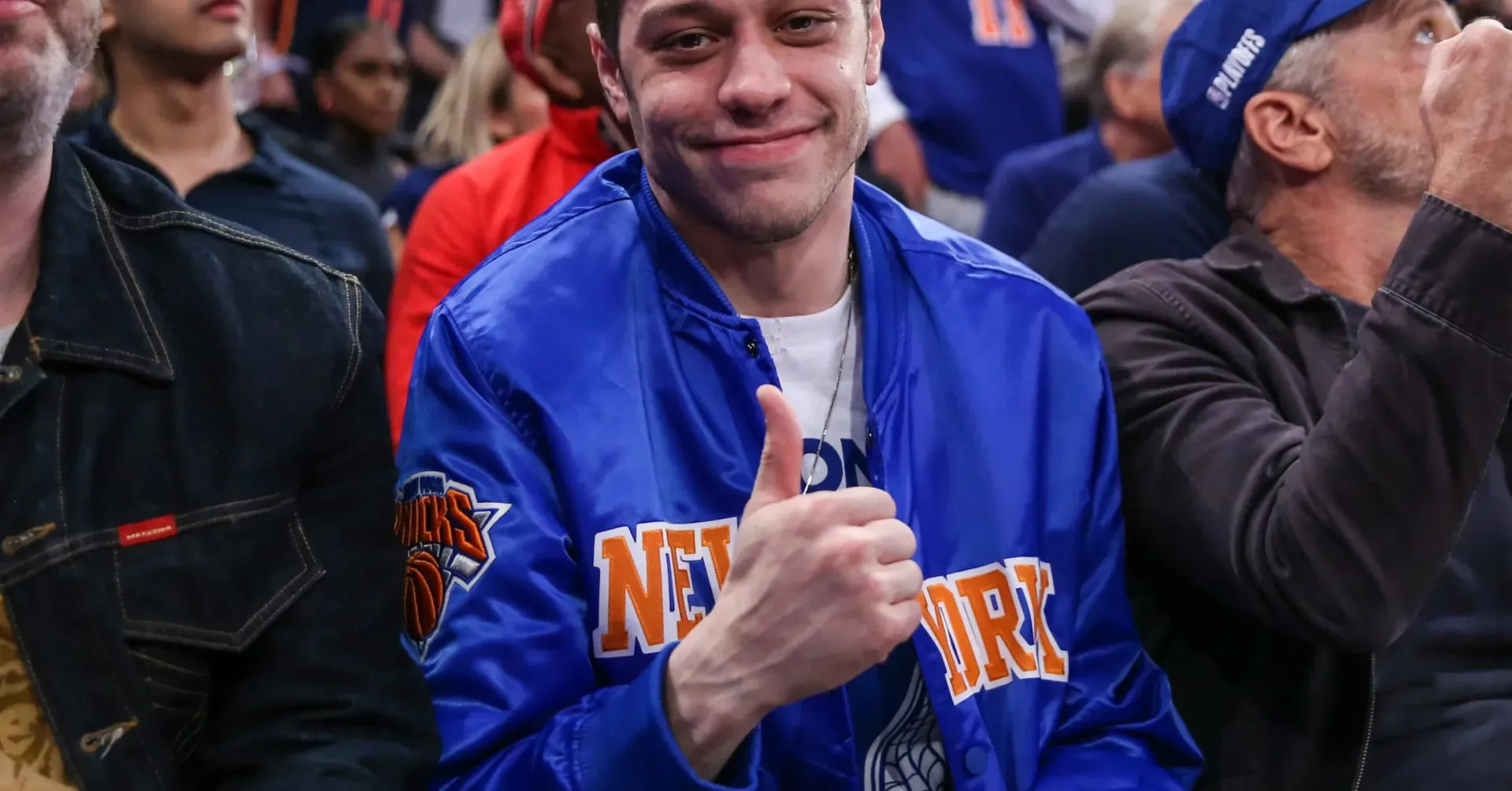
For a broader look at how public figures can discuss conflict with empathy without pretending harmful disagreements never happened, see this examination of Pete Davidson’s reflections on his feud with Ye.
Detroit history is central to the reaction
The Detroit connection is not merely marketing shorthand. Eminem’s appearance on “F*ck Off” placed him on Kid Rock’s breakout-era 1998 album before Eminem’s own commercial breakthrough. Later, Kid Rock’s appearance in the “Berzerk” video showed that the relationship persisted across a long span of both artists’ careers.
That continuity explains why a collaboration can be both surprising and unsurprising. It is surprising because their modern political identities are so far apart, and because any Eminem appearance on a Kid Rock album will naturally be read through the public debate around those identities. It is unsurprising because their working relationship predates much of that contemporary political framing.
The fact that they are fellow Detroit natives also gives their Lions exchange more weight than a generic social-media nicety. It is a public reminder of a shared local identity that has endured alongside artistic changes and political conflict. Still, shared roots are not the same thing as ideological alignment, and the artists’ own comments make clear that the distinction remains real.
What listeners should avoid assuming
There are several easy but unsupported conclusions to resist before “7 Sins” is released.
- A feature is not proof of political agreement. The available information establishes that Eminem is expected on the song, not that he has adopted Kid Rock’s political views or that Kid Rock has adopted Eminem’s.
- A friendship is not proof that disagreement has been resolved. Kid Rock explicitly acknowledged the disagreement in 2024, while Eminem’s reply avoided debating it.
- An album label is not a track-by-track explanation. The Christian framing of Halfway 2 Jesus does not reveal the specific content of “7 Sins” or Eminem’s contribution.
- Online reaction comes before the music. Social discussion can show why an announcement has struck a nerve, but it cannot establish what the unreleased track sounds like or means.
This does not make the reaction meaningless. It reveals the expectations attached to both performers. Eminem’s 2017 statement still shapes how many listeners interpret his professional choices, while Kid Rock’s MAGA identification does the same for his. When two artists with that history collaborate, the audience response is inevitably about public identity as much as it is about a song credit.
The practical stakes for the release
For listeners, the immediate practical answer is simple: the reported track is one item on a 17-song record due October 17, and the available information does not yet support detailed musical judgments. Fans interested in the collaboration will need to wait for the release to assess the performance, lyrical content, and how the guest appearance fits the album.
For the artists, the announcement demonstrates a familiar reality of public-facing creative work. A collaboration can connect old friends, celebrate a hometown link, or serve a musical idea while simultaneously becoming a symbol that audiences argue over. Those interpretations may be understandable, but they should be separated from confirmed facts.
At present, the confirmed picture is narrower and more interesting than the loudest assumptions: two Detroit artists with a recording history stretching back to 1998 are set to reunite on “7 Sins”; they openly disagree on politics; their friendship has continued despite that disagreement; and the response has begun well ahead of the album’s arrival.
Whether the song changes anyone’s view of either artist is a question for after it can be heard. Until then, the notable story is not that political disagreement has vanished. It is that a long-running personal and professional connection appears to have survived it.