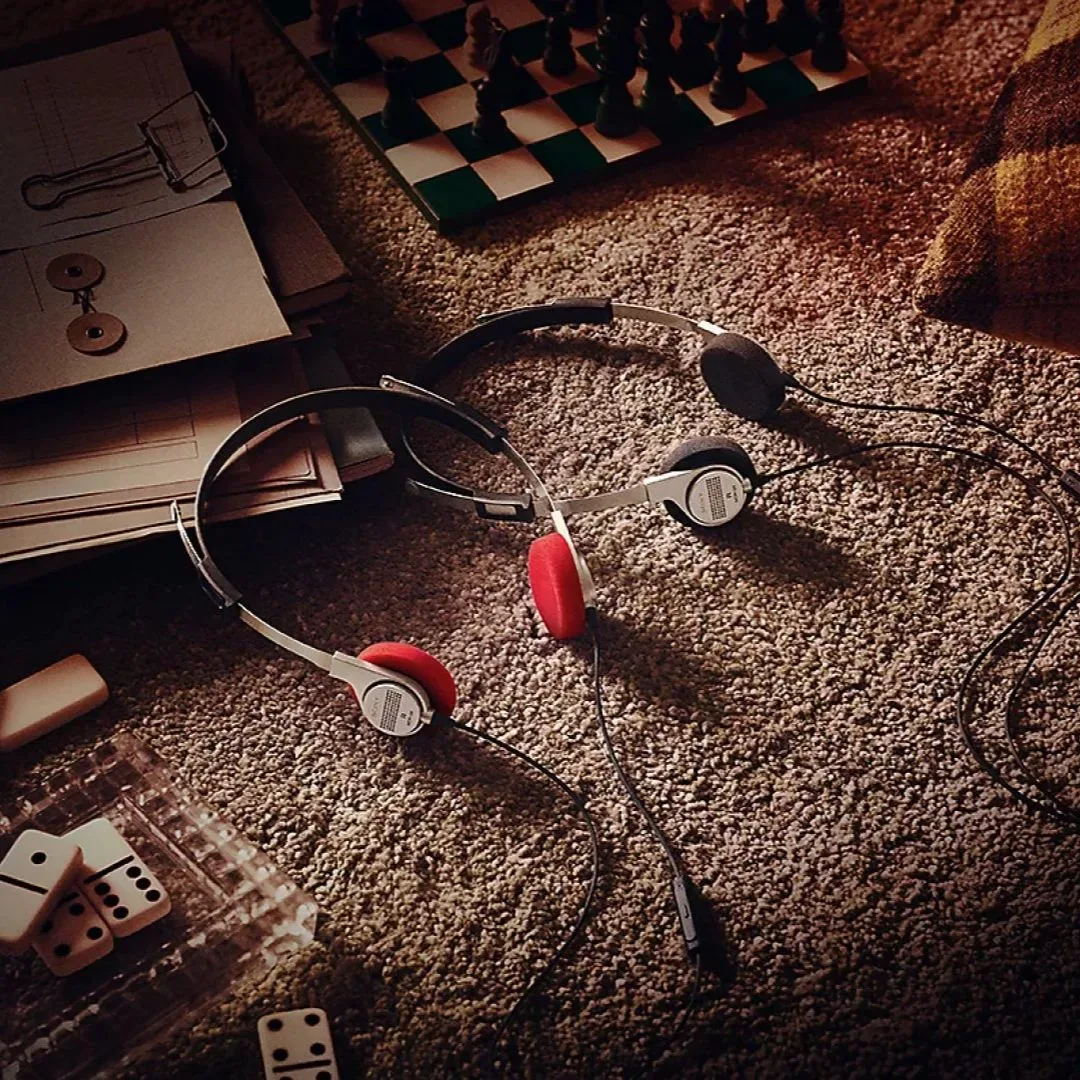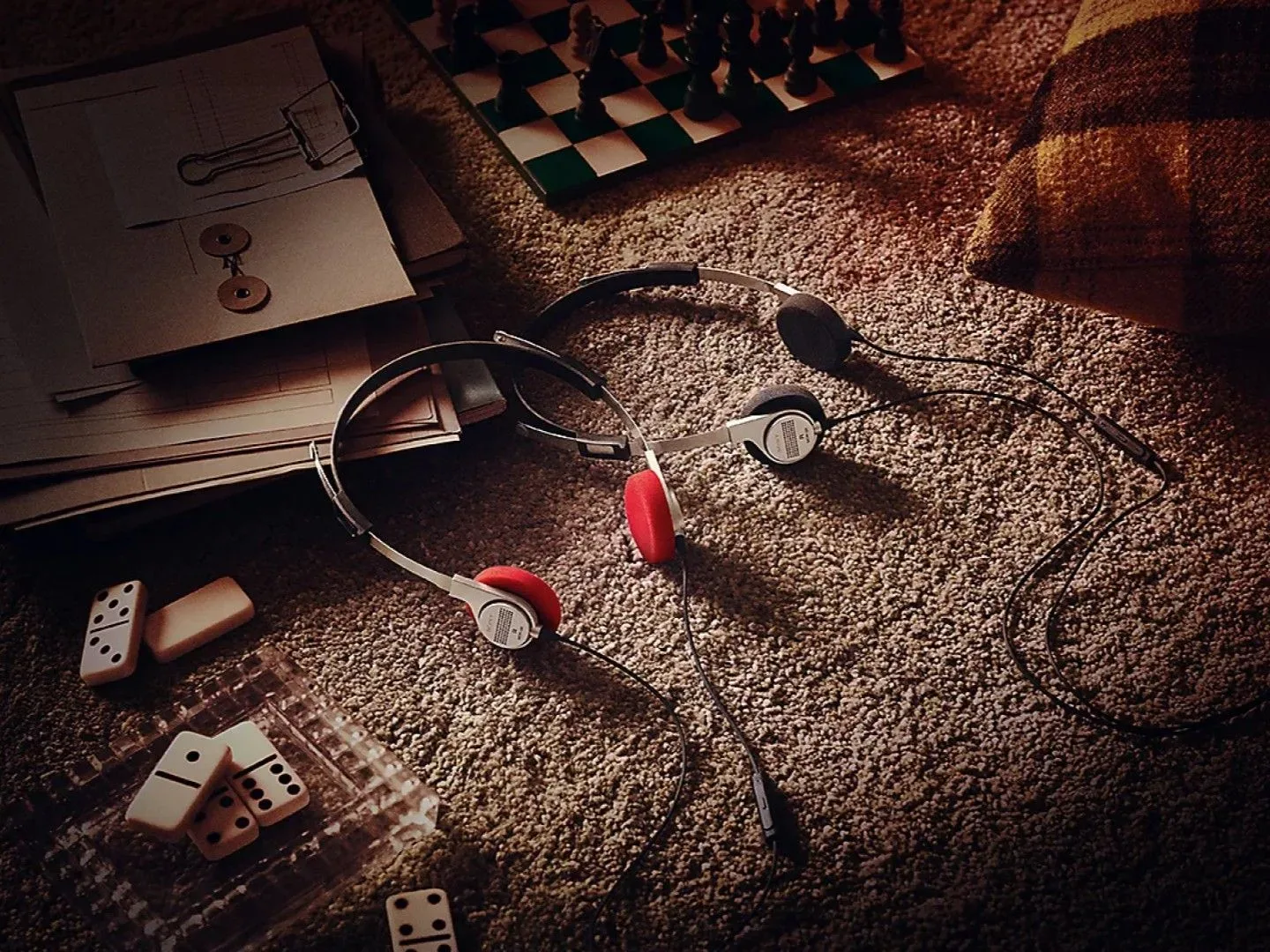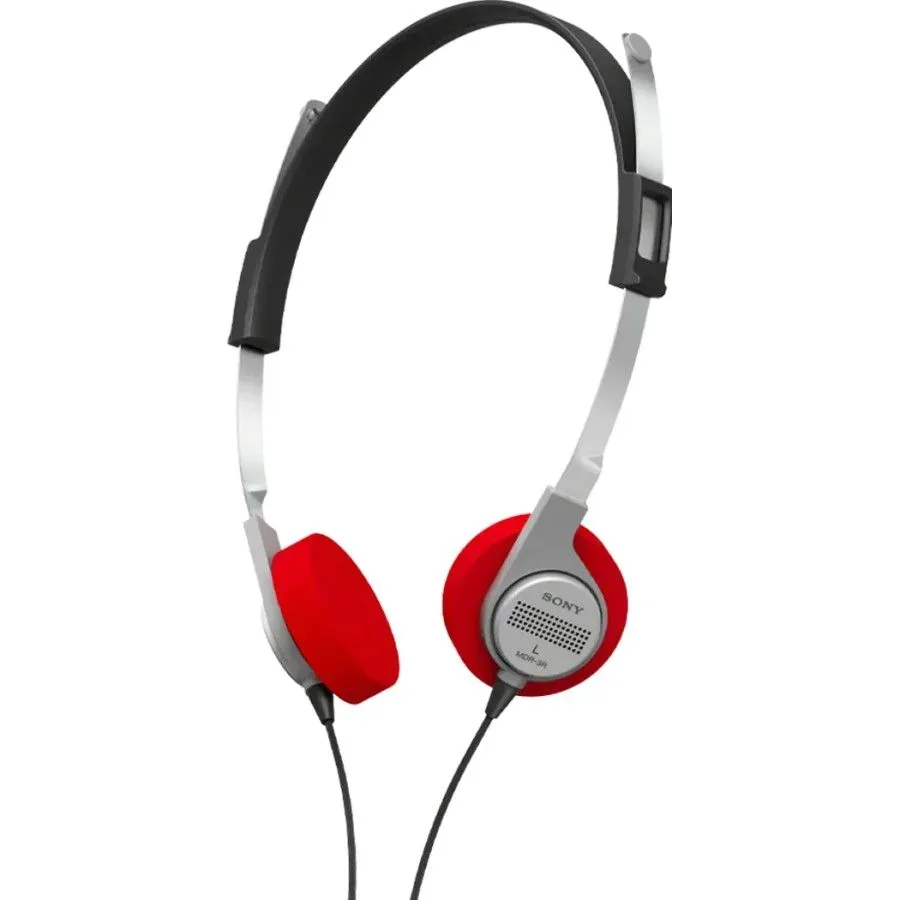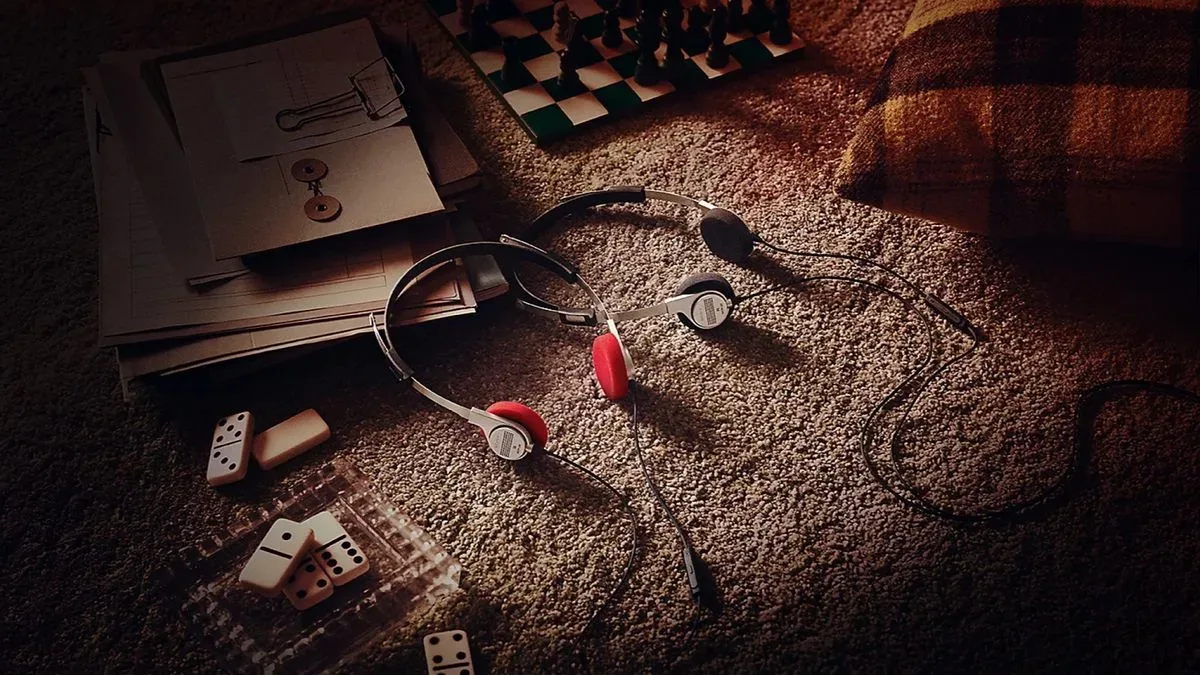
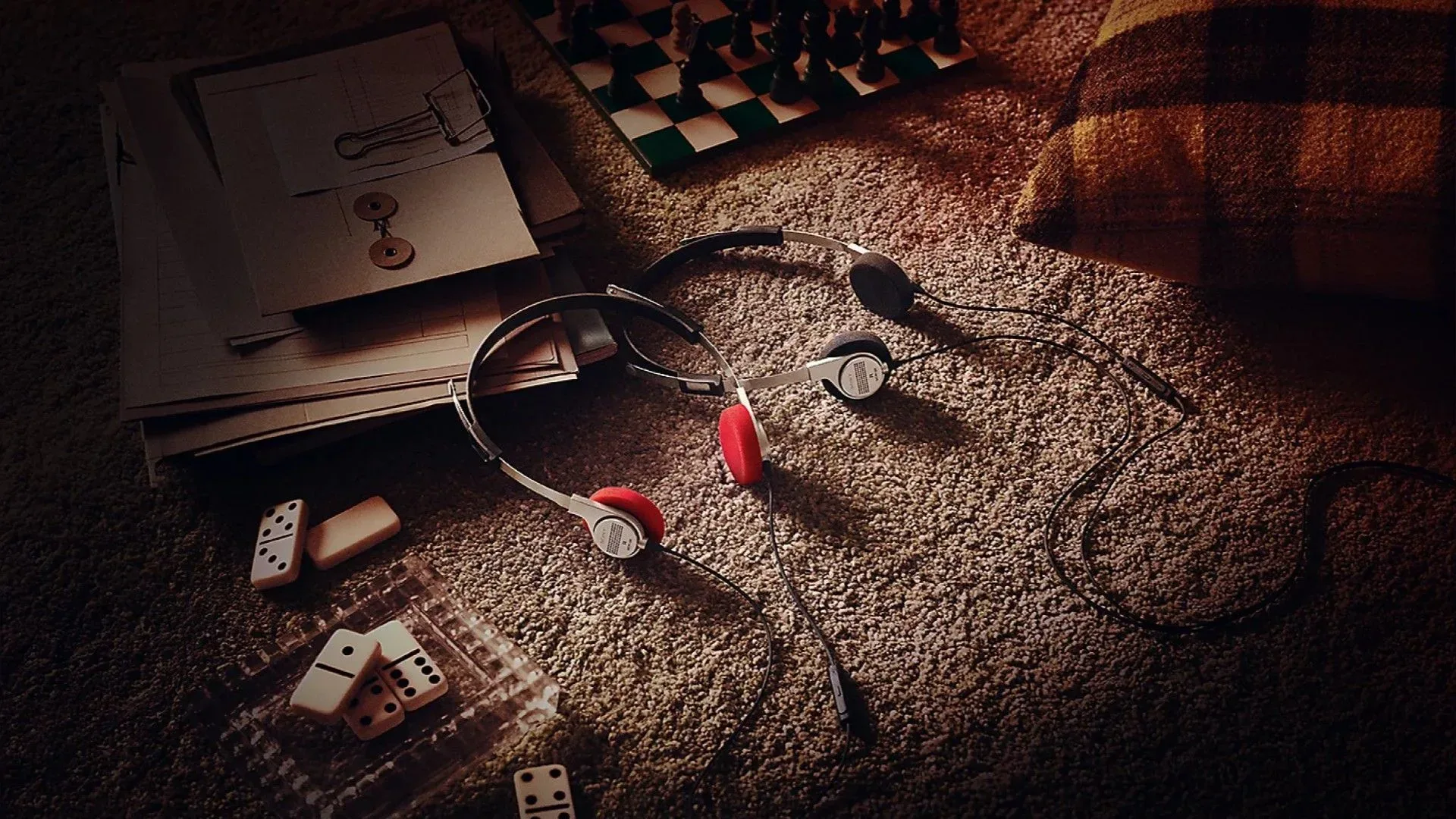
Sony is sending a familiar-looking set of headphones through the portal with the limited Stranger Things edition MDR-3R. The collaboration takes the newly introduced MDR-3R wired model and gives it a deep red cushion set, a black alternative set in the box, and a Stranger Things logo on the top of the headband. It is a restrained tie-in rather than a headset covered in monster silhouettes—which, frankly, is the more convincing way to look as though the wearer might have a Walkman worth defending from supernatural interference.
The themed MDR-3R is listed at $79 / £59. Sony’s standard MDR-3R begins at $59 / £49, making the collaboration a $20 premium in the US and a £10 premium in the UK. At the time described, the headphones had not yet gone live on Sony’s own store page, although notification registration was available. Sony characterizes the Stranger Things version as a limited edition, an important distinction for fans deciding whether they want a functional pair of headphones, a show-branded display piece, or both.
A very specific flavor of retro
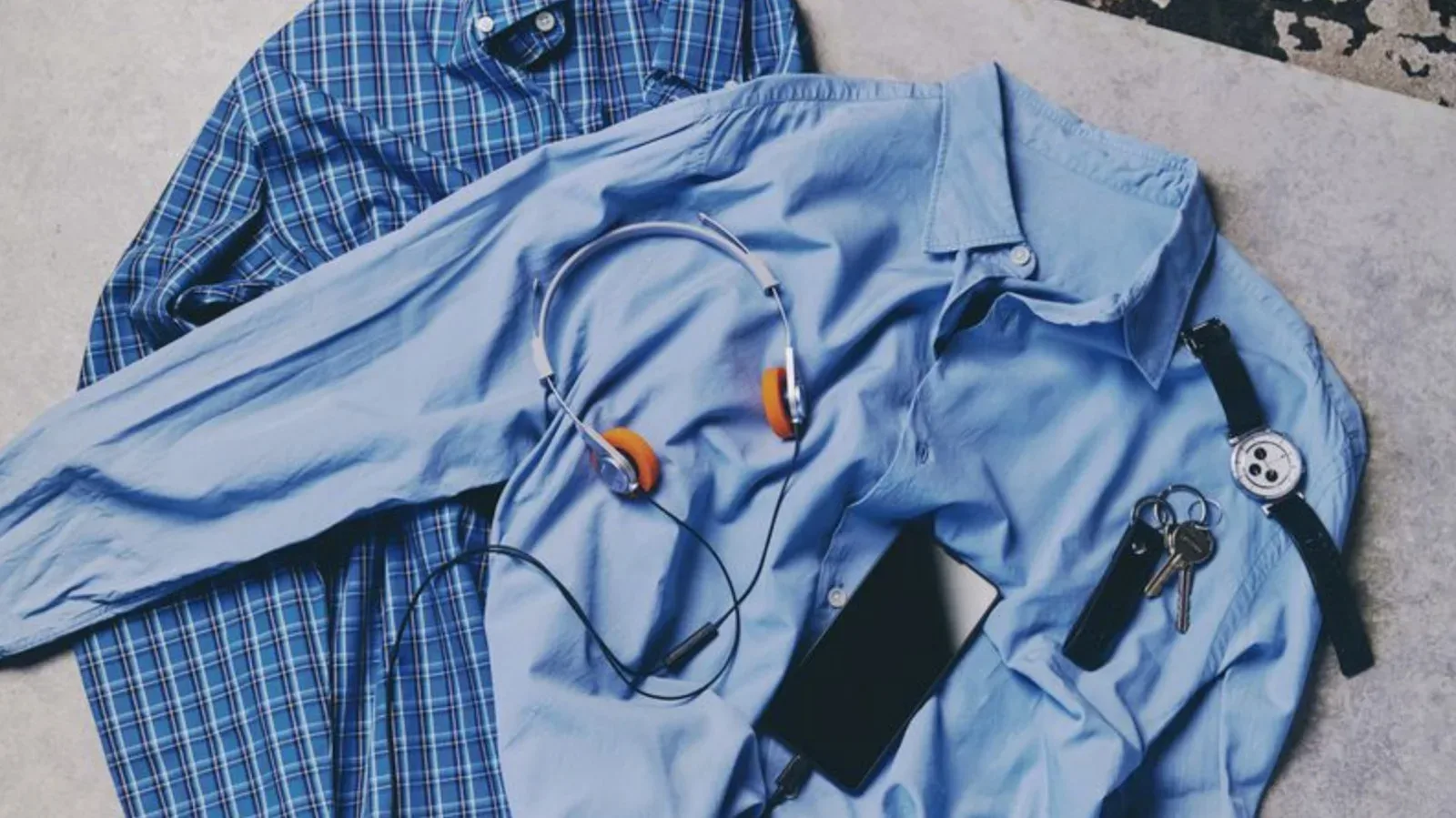
The MDR-3R design is deliberately built around a throwback silhouette. Sony has reconstructed the appearance of the original MDR-3, including its slim headband, simple overall layout, and prominent silver driver plates. The company calls the approach “Newtro”: contemporary functionality packaged in an older visual language.
In practical terms, the design is not simply an attempt to make current hardware disappear into 1980s cosplay. The MDR-3R uses USB-C while retaining a wired identity, and the construction combines lightweight aluminum and stainless steel. It also has an inline remote with an integrated microphone, providing controls for media and calls. Those are purposeful modern touches for a product whose central appeal is that it does not look like the usual current-era headphone.
The Stranger Things treatment is similarly controlled. The standard model’s blue and orange cushion choices are swapped for a red-and-black pairing. The red is positioned as an Upside Down-inspired color, while the branded headband supplies the explicit connection to the series. That leaves the shape of the MDR-3R itself to do much of the nostalgia work.
It is arguably the right choice for this particular property. A loud, heavily illustrated special edition can date quickly; a close-to-period object with a few carefully chosen color and logo changes feels more consistent with a story where portable music and personal headphones carry genuine dramatic weight. The look is enough to communicate the reference without turning every commute into an unsolicited lore briefing.
What the premium actually changes
Buyers should be clear on what has and has not been identified as different. The supplied details point to the special-edition price being tied to its limited status and visual package: red cushions, included black cushions, and the Stranger Things logo. No separate performance specification or exclusive audio feature for this version has been identified.
That makes the buying decision unusually straightforward. Someone mainly interested in the reconstructed MDR-3 styling can consider the standard version, particularly the orange option, at its lower starting price. Someone seeking the red-and-black visual match, or the explicitly branded limited model, is paying extra for that particular presentation. Neither route is automatically wrong; they are simply purchases motivated by different priorities.
Related coverage includes Sony's Stranger Things MDR-3R Headphones Bring Retro Walkman Style Back to Hawkins.
For physical pop-culture collectors, “limited edition” is useful information but not a guarantee of future value. The confirmed facts are the special colorway, branded headband, and Sony’s limited-edition designation. Things such as production quantity, sell-through speed, later resale prices, or whether unopened examples become more desirable have not been established. The sensible case for the themed model is liking the item as it exists now, not treating it as a sure bet against the Demogorgon of market speculation.
Open-back sound, explained without the laboratory coat
One of the MDR-3R’s key design traits is its open-back construction. In headphone terminology, this means the outer portion of each earcup is not sealed in the same way as a closed-back design. Sony says the retained open-back approach gives music more breathing room. The company also says it has extended the low and high ends of the range for a more dynamic presentation while trying to keep the MDR-3R sound profile close to that of the original.
That wording matters. A sound profile describes the overall balance or character of audio rather than a single raw specification. Sony’s stated aim is preservation plus adjustment: maintain the recognizable original character, then broaden the lower and upper reaches with modern audio handling. It is a design claim, not a promise that every listener will hear the headphones in precisely the same way. Personal preference, music, volume, and fit can all shape how a pair of headphones feels in use.
Likewise, dynamic here refers to the intended sense of range and contrast in the sound, not a claim that the MDR-3R becomes a different category of product. The central story remains the blend of old-school form and updated utility. USB-C eliminates a need to charge the headphones themselves, according to Sony’s description, while the cable-mounted remote and microphone acknowledge that music listening now often shares a device with calls and media controls.
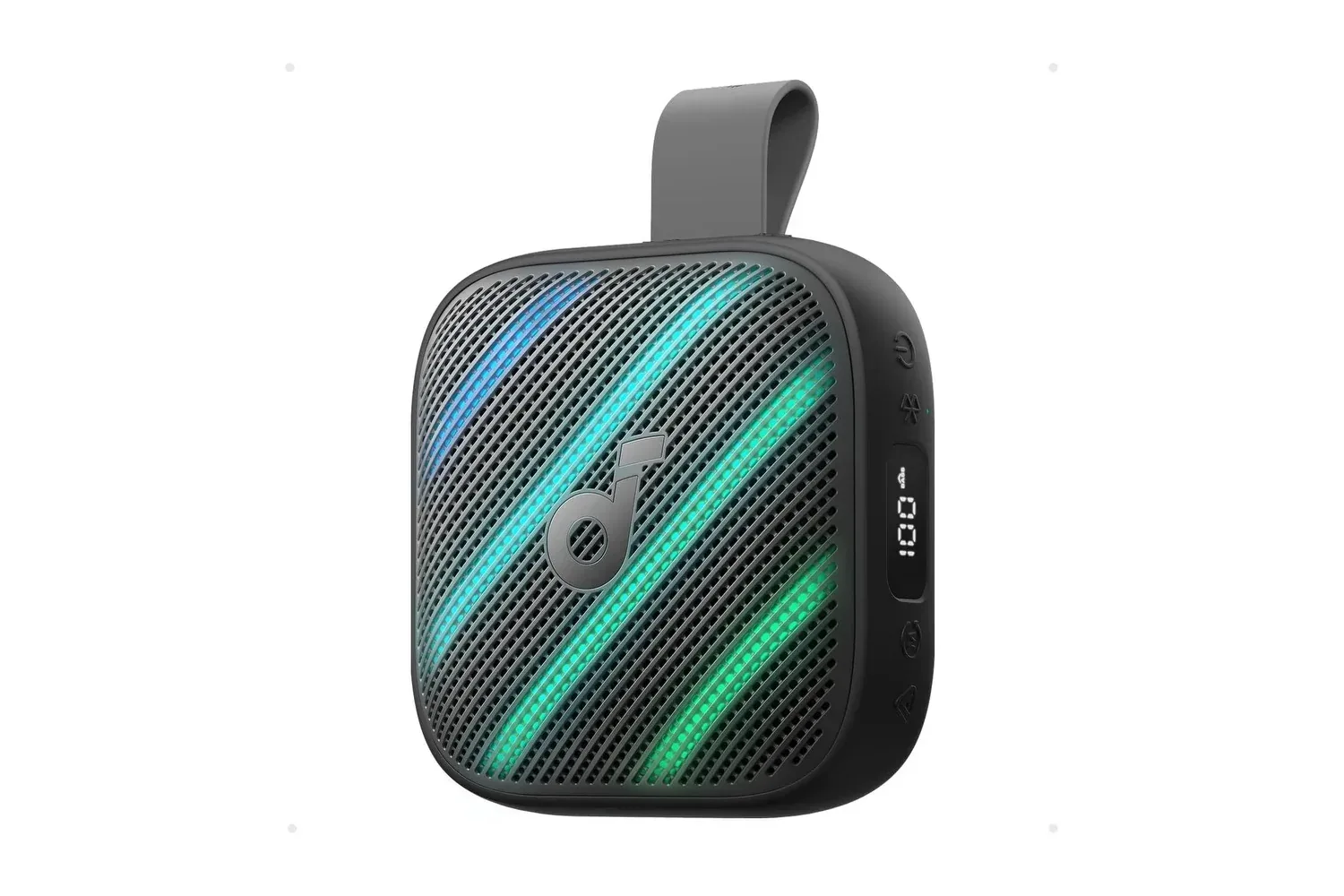
For readers comparing audio gadgets more broadly, our look at the Soundcore Boom Go 3i’s portable-audio feature set illustrates how different the priorities can be. The MDR-3R is not being positioned around a power bank or emergency alarm. Its proposition is much narrower and more aesthetic: wired headphones that intentionally revive an older Sony shape, then offer a licensed variant tailored to Hawkins nostalgia.
Why the Stranger Things connection fits
The collaboration lands on Stranger Things Day, and the show’s association with a world-saving Walkman makes a headphone tie-in feel less arbitrary than many logo-first accessories. Music is not merely wallpaper in the series’ imagery; the format, the headphones, and the tactile act of putting on a pair all fit its 1980s setting. Sony is leaning into that association through an object that could plausibly sit alongside the era’s portable-audio iconography.
There is also an appealing tension in the product itself. The MDR-3R’s skinny band and silver driver plates are expressly old-looking, while USB-C and an inline microphone are conspicuously modern conveniences. That is the “Newtro” pitch in its clearest form: not a reproduction that demands old compromises, and not a feature-dense contemporary device pretending that its retro styling is incidental.
The official black cushions included with the Stranger Things set add a small measure of flexibility. Red is the showpiece option and the visual reason this edition exists; black offers a more subdued alternative while retaining the branded hardware. For display-minded owners, having both means the item can be presented in its bolder configuration without making everyday styling a permanent commitment. For users, it means the special edition is not locked into a single color expression.
What prospective buyers can verify before deciding
- Edition: The Stranger Things model is identified as a limited edition, with red cushions and black cushions included.
- Branding: A Stranger Things logo appears at the top of the headband.
- Price: It is listed at $79 / £59, versus standard MDR-3R pricing that starts at $59 / £49.
- Core design: The headphones use the retro MDR-3-inspired styling, lightweight aluminum and stainless-steel construction, USB-C, an inline remote, and an integrated microphone.
- Audio approach: Sony says the open-back model preserves the original profile while extending its low and high ranges.
- Store status: Sony’s product page had not gone live at the time described, though notifications were available.
Ultimately, this is a special edition whose appeal is intentionally more about identity than radical reinvention. The red-and-black MDR-3R does not need to invent a new monster, add a novelty app, or claim that a logo improves acoustics. It takes a newly rebuilt retro headphone concept and gives it a focused Stranger Things wardrobe. For anyone who wants their wired audio gear to look as though it survived a trip through the Upside Down with only minor cosmetic damage, that may be the whole point.
Shop the products
Check current price, model and availability at the retailer.