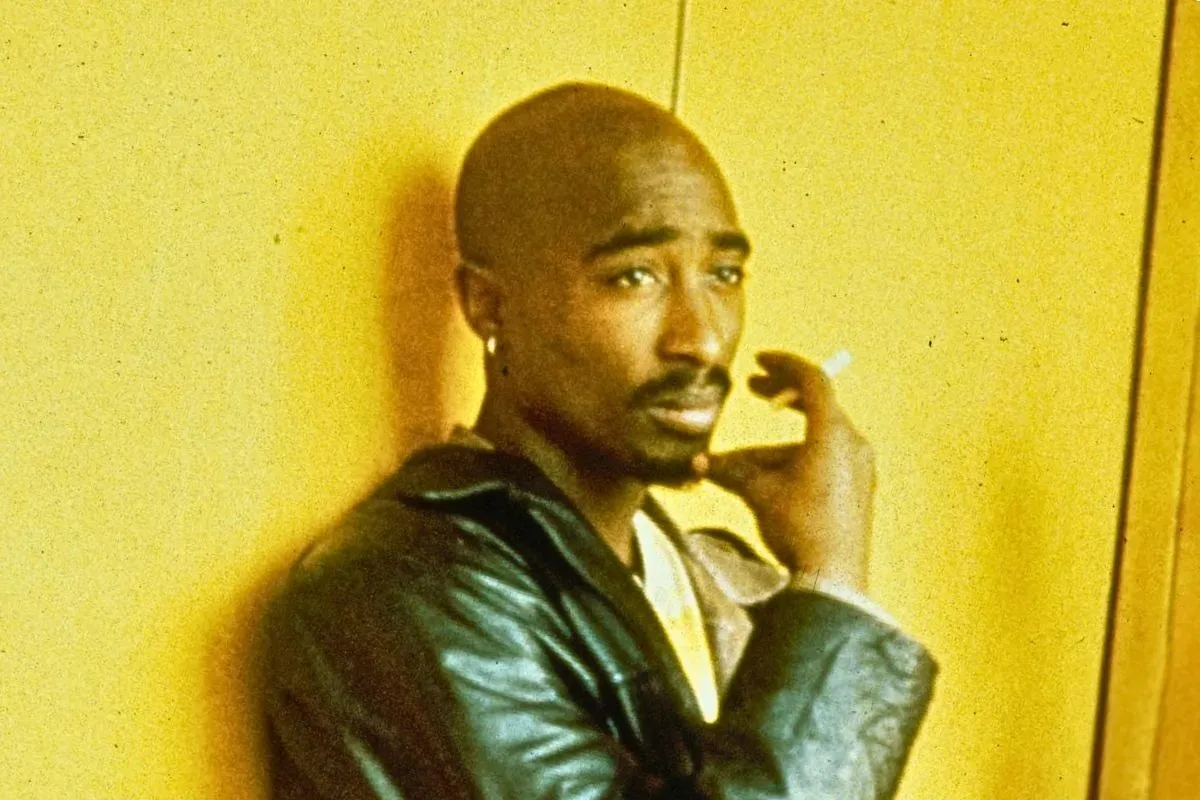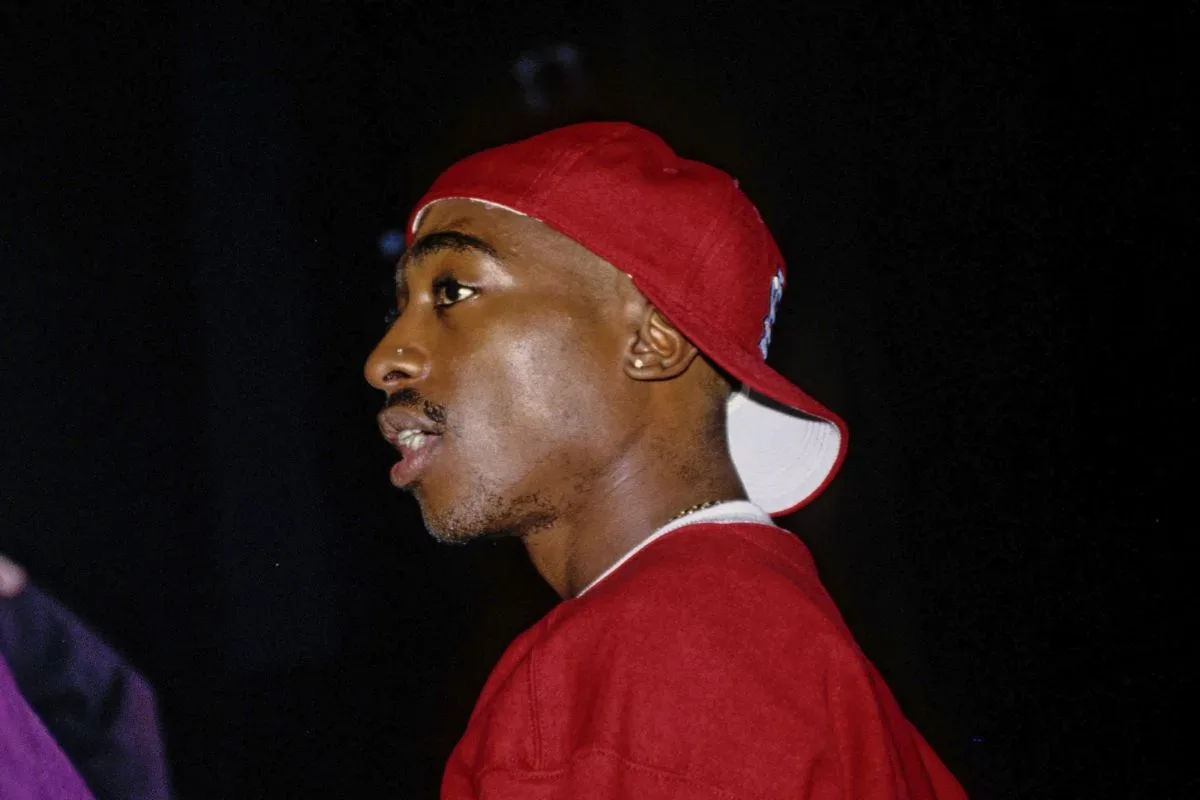
An untitled feature documentary about Tupac Shakur’s family and the Las Vegas murder case against Duane “Keefe D” Davis is planned for 2027. Directed by Marian Mohamed, the film is set to air on Sky Documentaries and stream on NOW, with Passion Pictures, Propagate Content and West Buttermilk producing.
The project arrives after a Las Vegas jury convicted Davis of first-degree murder on August 31 in connection with the 1996 drive-by shooting that killed Shakur. Davis has said he intends to appeal. His sentencing hearing is scheduled for October 13, and the documentary is expected to cover that proceeding as part of its account of the case.
What separates this production from a conventional court-case documentary is its stated access to Shakur’s family. The filmmakers worked alongside relatives as the case developed, including Shakur’s brother Mopreme Shakur and people from his inner circle. The feature will also incorporate previously unseen family footage and photographs.
A film focused on family, not only the verdict
A criminal trial creates a naturally dramatic structure: evidence is introduced, competing arguments are made, a jury reaches a verdict, and the court moves to sentencing. But Mohamed has indicated that this film intends to look beyond that framework. Its central perspective is the family that has lived with Shakur’s death for decades, rather than treating the legal case as a self-contained true-crime puzzle.
Mohamed said she wanted the project to give space to a family that is “not just grieving.” That distinction matters. The announced footage and photographs may help the film address Shakur as a brother, relative and person whose life existed outside the details of the shooting and the subsequent case.
That approach does not mean the trial will be absent. The film is explicitly set to follow the evidence, verdict and sentencing. Rather, the announced premise suggests those proceedings will sit alongside the family’s recollections and personal archive. Courtroom material can establish what the legal system considered and decided; family material can provide a different kind of record, one based on the people who knew Shakur and the impact of losing him.
What the case has established so far
The jury convicted Davis on a first-degree murder charge for his role in the shooting. Prosecutors argued that he organized the attack after Shakur and others beat Davis’ nephew, Orlando Anderson, at the MGM Grand. Davis challenged earlier accounts he had made concerning the killing, but the jury returned a guilty verdict after hearing the evidence at trial.
First-degree murder is the charge on which the jury reached its decision; sentencing is the later stage at which a judge imposes punishment under the applicable law. A planned appeal, meanwhile, is not a retrial by default. It is a legal challenge to the conviction or aspects of the proceedings. The supplied information does not detail the arguments Davis may raise, and the documentary announcement does not say how an appeal could affect its final form.
That unresolved legal dimension makes the October sentencing especially important to the documentary’s structure. It is not merely a postscript to the jury’s verdict. It is the next scheduled court event in a case that Davis has said he will continue fighting through an appeal.
Why access changes the kind of documentary this can be
“Access” can be a broad promotional term, so the details that have been disclosed are more useful than the label alone. Here, the filmmakers say they filmed with Shakur’s relatives while the Las Vegas case unfolded and secured participation from Mopreme Shakur and members of the late artist’s circle. They also have family footage and photographs that have not previously been seen publicly.
Those materials could give the finished feature a stronger personal chronology than a project made only from trial footage, archival reporting and interviews recorded after the fact. Still, audiences should keep a clear distinction between what has been announced and what remains unknown. No title has been revealed. There is no stated U.S. distributor, no precise release date, and no detailed account of which trial evidence or family materials will make the final cut.
The production is also separate from an earlier documentary effort connected to filmmaker RJ Bond and lawyers who had been working with Davis’ defense before the trial. That prior project was designed to document the case regardless of outcome. Mohamed’s newly announced feature is a different production, with a different emphasis: Shakur’s relatives and those close to him.
The practical viewing questions still unanswered
For now, the confirmed viewing plan is limited to Sky Documentaries and NOW in 2027. Propagate is handling worldwide sales, which means distribution beyond those announced services may be arranged later, but no U.S. home for the film has been named.
- Confirmed: Marian Mohamed is directing an untitled feature about the case and Shakur’s family.
- Confirmed: The film is planned for Sky Documentaries and NOW in 2027.
- Confirmed: It will address the evidence, verdict and October 13 sentencing hearing, with family footage and photographs among its materials.
- Not announced: A final title, exact premiere date, U.S. distributor or full list of interview participants.
- Still developing legally: Davis has said he plans to appeal his conviction.
The absence of a firm release day is sensible given the timing. A project following a sentencing hearing and a case in which an appeal has been signaled may need to account for events that occur after filming plans are announced. Whether the film will be revised to include later developments has not been specified.
A careful balance between legal record and human record
There is a persistent risk in documentaries built around famous deaths: the event can eclipse the person. The announced creative direction points toward resisting that reduction. By putting relatives at the center, the feature has the opportunity to make room for memory, family history and Shakur’s life without minimizing the seriousness of the court case.
It also comes at a moment when the legal narrative is moving from trial to sentencing. The verdict gave the case a major legal milestone, but it does not erase the decades that preceded it or settle every possible question for the people closest to Shakur. A family-centered film can acknowledge that a courtroom’s answer and a family’s experience are not the same thing.
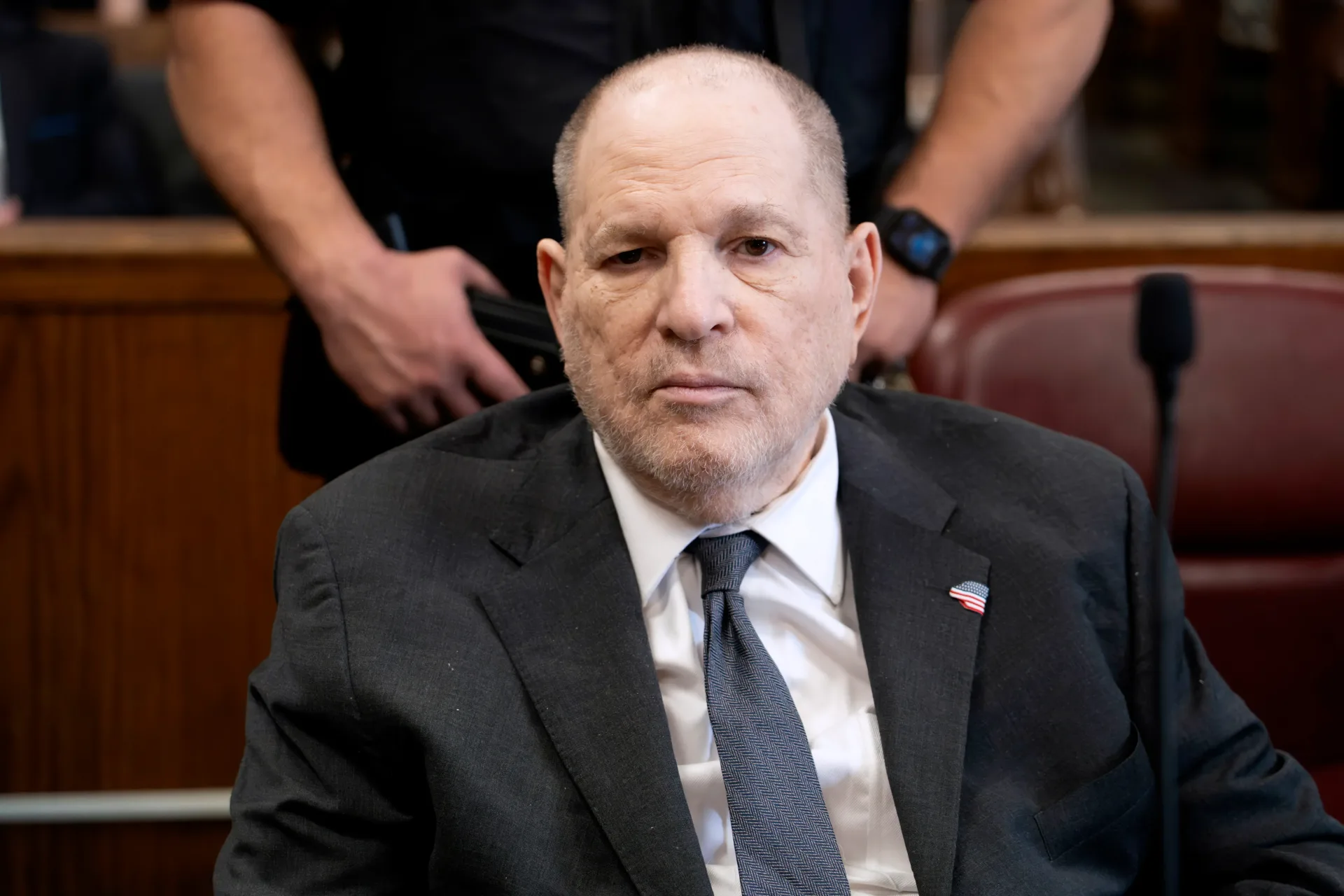
For readers tracking entertainment stories that intersect with ongoing legal proceedings, our coverage of a separate New York sentencing case involving Harvey Weinstein similarly distinguishes the court outcome from the surrounding public narrative.
The Shakur documentary’s eventual value will depend on how responsibly it handles both sides of its material: the legal record that led to Davis’ conviction and the intimate perspective offered by the family. The announcement establishes the unusual access and broad 2027 destination, while leaving the title, release date and international availability for later.