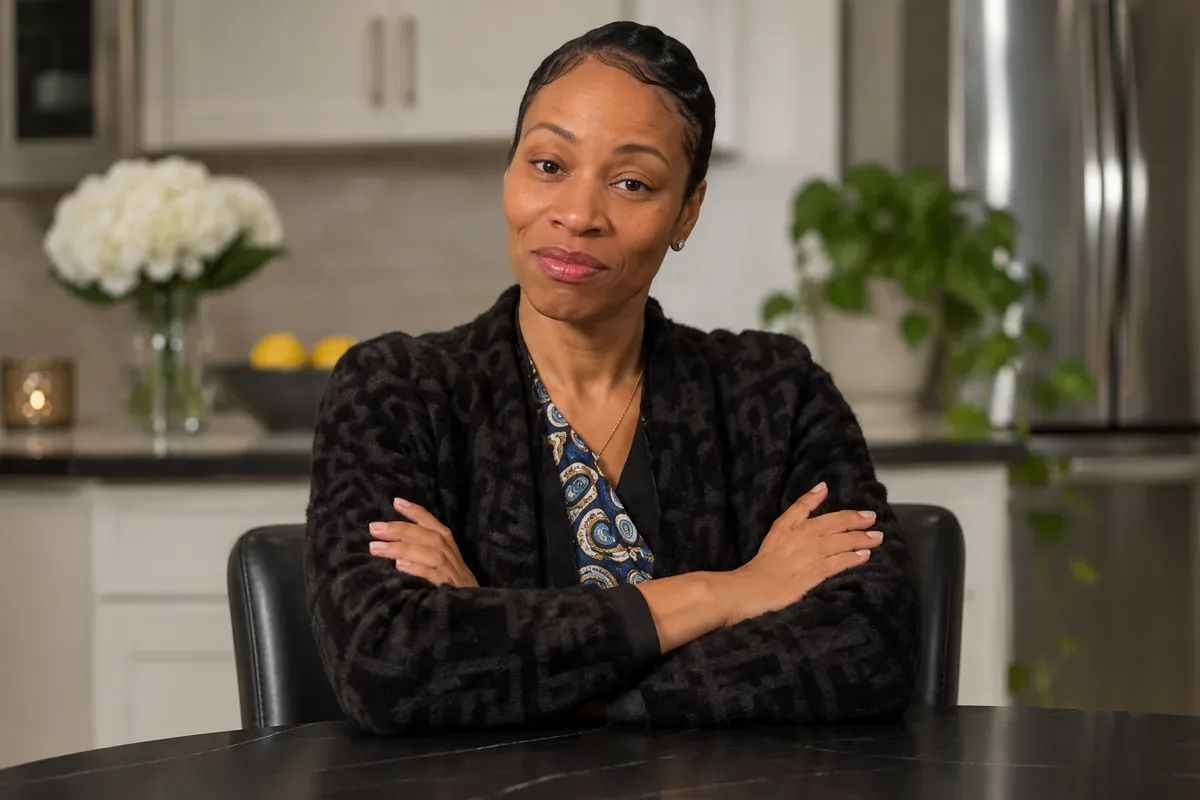
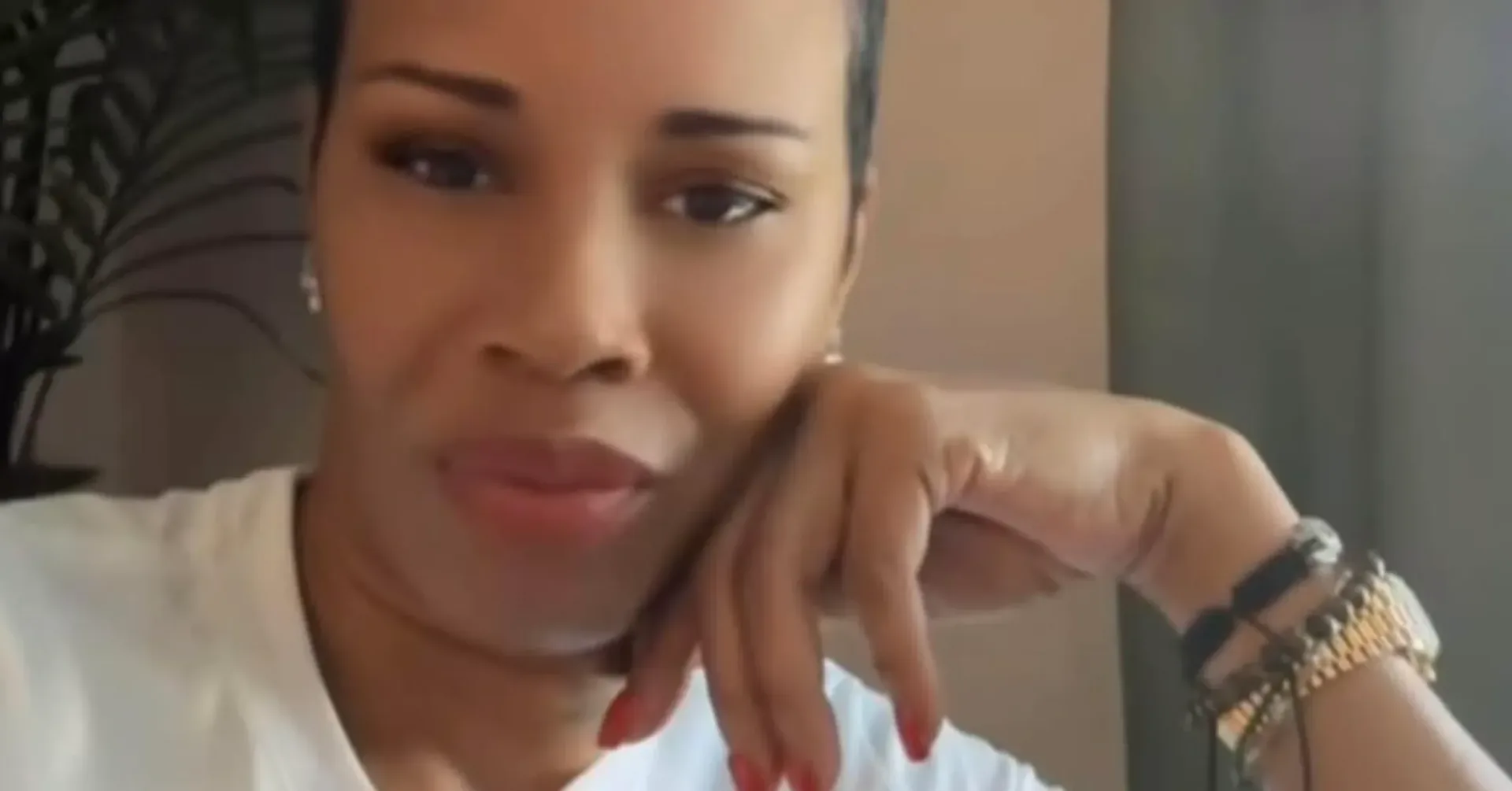
Tia Kemp has publicly challenged entertainer Looze Cannon over merchandise she alleges uses her likeness without a settled financial arrangement. During a social-media livestream reposted on November 4, Kemp said Cannon should remove her image from his website and shirts, and she warned that she could involve lawyers if the matter is not addressed.
The dispute appears to stem from a relationship that began with conversations about possible business opportunities. Kemp’s core point was not that she had interacted with Cannon online, but that such interaction did not amount to permission for a business to use her face commercially. Her comments draw a bright line between appearing in a creator’s orbit and consenting to be featured on products offered to customers.
“Get me off your motherf*ckin’ website... off your shirts!” Kemp said during the livestream.
At this stage, the public record described here is limited to Kemp’s allegation and her threat of possible legal action. Cannon, whose real name is Glen Cannon, operates merchandise under the Streetnoise Merch name. Available store listings do not establish whether merchandise bearing Kemp’s image was offered for sale, and the allegation of unauthorized use or unpaid compensation has not been independently substantiated.
A business dispute, not just online banter
The friction matters because Kemp frames the issue as a commercial one. A public joke, livestream appearance, shared audience or informal back-and-forth can be valuable for online personalities, but it is different from an agreement to place somebody’s likeness on apparel or other merchandise.
Likeness is a broad everyday term for a recognizable representation of a person, including their face or image. In this situation, Kemp’s complaint is that her recognizable image was allegedly being used to help sell or promote products. Compensation, meanwhile, can mean payment, a share of proceeds, or another agreed benefit. Kemp has not publicly laid out the exact arrangement she believes was reached, and the supplied information does not establish a written deal, product listings featuring her, or the scope of any proposed partnership.
Those distinctions are important. Online collaboration often moves quickly: creators joke in livestreams, appear in each other’s content, gain visibility from a shared moment, and may later explore formal opportunities. But a conversation about possible business is not necessarily a completed agreement. Conversely, a completed agreement is not the only issue a dispute can raise. The details of what was authorized, what was actually sold, how a person was depicted, and what communications exist would all be central if the conflict advances beyond public posts.
What Kemp is actually demanding
Kemp’s immediate demand is removal. She specifically referred to a website and shirts, signaling that her concern is tied to commercial presentation and merchandise rather than merely archived video or commentary. Her mention of attorneys adds pressure but does not mean a lawsuit has been filed. Based on the available account, it is a stated possibility, not a confirmed court action.
That difference should not get lost amid the headline-friendly clash. There is no supplied evidence of a filed complaint, court date, judicial ruling, settlement, or response from Cannon. There is also no independently confirmed evidence that the alleged products were available for purchase. The dispute is therefore best understood as an unresolved accusation and demand, rather than an established finding about either party.
Who is Looze Cannon?
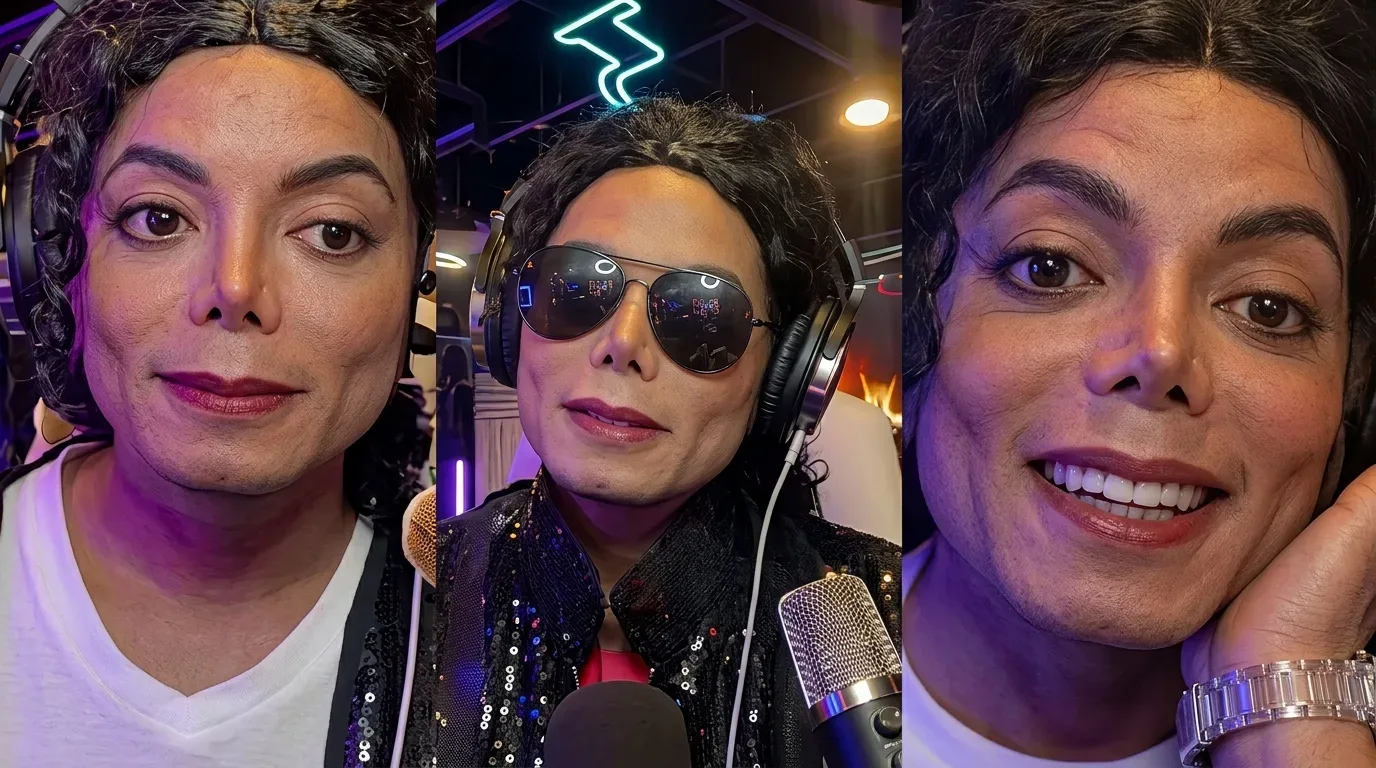
Glen Cannon has built an audience on TikTok through Big Michael, a Michael Jackson-inspired character. His livestream format combines impersonation with comic freestyles, turning a recognizable pop-culture reference point into a recurring performance persona. The character’s rise has brought attention from artists and social-media figures, including Timbaland and Cordae.
One of Cannon’s viral “Big Michael Michael” freestyles later became an official single. That trajectory shows how a short-form or livestream moment can develop into a more conventional entertainment product. It also explains why merchandise is relevant here: as a creator’s following grows, apparel and branded goods can become an additional business lane alongside videos, livestreams and music releases.
Merchandise can be especially sensitive because it converts attention into a direct transaction. A guest appearance or a viral exchange may benefit multiple personalities in loose, hard-to-measure ways. A shirt, however, is a specific item sold under a specific brand. When a recognizable person claims to be featured without approval or payment, the question becomes much less about who won an online argument and much more about what business understanding existed.
Kemp had been among recognizable people interacting with Cannon as his profile expanded. But familiarity is not the same as a commercial license. Her livestream comments emphasize that she does not view her willingness to joke with Cannon as blanket approval for her image to be used in his merchandise operation.
Why the missing details matter
Public disputes frequently arrive before the key documentation does. In this case, the information available does not answer several practical questions:
- Whether a product featuring Kemp’s likeness was listed, sold, or merely discussed.
- What image or design Kemp believes used her likeness.
- Whether the parties made an explicit verbal or written arrangement about merchandise.
- Whether compensation was agreed, paid, offered, or disputed.
- Whether Cannon or the Streetnoise Merch operation has responded to Kemp’s removal demand.
None of those unanswered questions proves or disproves Kemp’s claim. They do explain why certainty would be premature. A clipped livestream can plainly communicate that a person is unhappy, but it cannot on its own establish the full business history behind the disagreement.
For audiences, the practical takeaway is to distinguish a claim from a verified outcome. Kemp has made a direct allegation and has threatened legal escalation. That is newsworthy because it concerns an active business attached to an increasingly visible entertainer. It is not, however, the same as confirmation that a product used her image, that any usage was unauthorized, or that money is owed.
The larger creator-economy pressure point
The dispute also highlights a recurring issue in personality-driven entertainment: a viral connection can look collaborative from the outside even when the commercial terms remain unclear. The people involved may gain followers and attention simply from being associated with one another. Once that attention moves to songs, apparel, websites, or brand campaigns, expectations can change quickly.
Clear permission and clear credit are not interchangeable concepts. A creator may give someone a shout-out and still not agree to a product collaboration. Likewise, appearing on a livestream does not necessarily clarify whether a person can be printed on apparel. Informal online culture rewards spontaneous moments, while commercial projects normally benefit from more specific conversations about what will be made and who receives what.
This is particularly relevant for performers built around recognizable personas. Cannon’s Big Michael work relies on a character, live performance and audience participation, all of which are suited to the rapid pace of TikTok and livestream culture. But expansion into merchandise adds another layer of responsibility: a design that includes another public figure can create questions beyond the creator’s own brand identity.
Music provides a useful adjacent example of how creative projects can hinge on formal permissions. In a separate entertainment story, a discussion of Don Toliver’s “Body” sample clearance illustrated the importance of approval when existing creative material is incorporated into a new release. The details are different from a likeness dispute, but the shared practical lesson is straightforward: informal enthusiasm and public visibility do not automatically settle the rights or business terms surrounding a commercial use.
Kemp’s separate conflict with 50 Cent
The Cannon dispute arrives while Kemp is also involved in a separate legal conflict with 50 Cent. The rapper has filed a $6 million lawsuit accusing Kemp of defamation and harassment involving his son, Sire Jackson. That matter should be kept separate from her allegations involving Cannon: the people, claims and procedural posture are different.
The juxtaposition is nonetheless notable. In the 50 Cent case, Kemp is the person facing accusations in a filed suit. In her dispute with Cannon, she is the person publicly raising an allegation and signaling possible legal action. Neither conflict determines the facts of the other, and neither should be used as a shortcut to judge the merits of the other.
What to watch next
The next meaningful development would be a direct response from Cannon or Streetnoise Merch, confirmation about the products at issue, or a more formal step by Kemp. A removal, clarification, public agreement, legal filing, or supporting documentation would add important context. Until then, the available facts support a narrower account: Kemp says her likeness was used without proper compensation, wants it removed from a website and shirts, and says she may turn to lawyers.
For Cannon, whose audience has helped turn Big Michael from a viral performance into music and merchandise opportunities, the dispute is a reminder that growth brings sharper scrutiny around the business attached to a persona. For Kemp, the livestream made her position unmistakable: online familiarity and commercial approval are not the same thing.