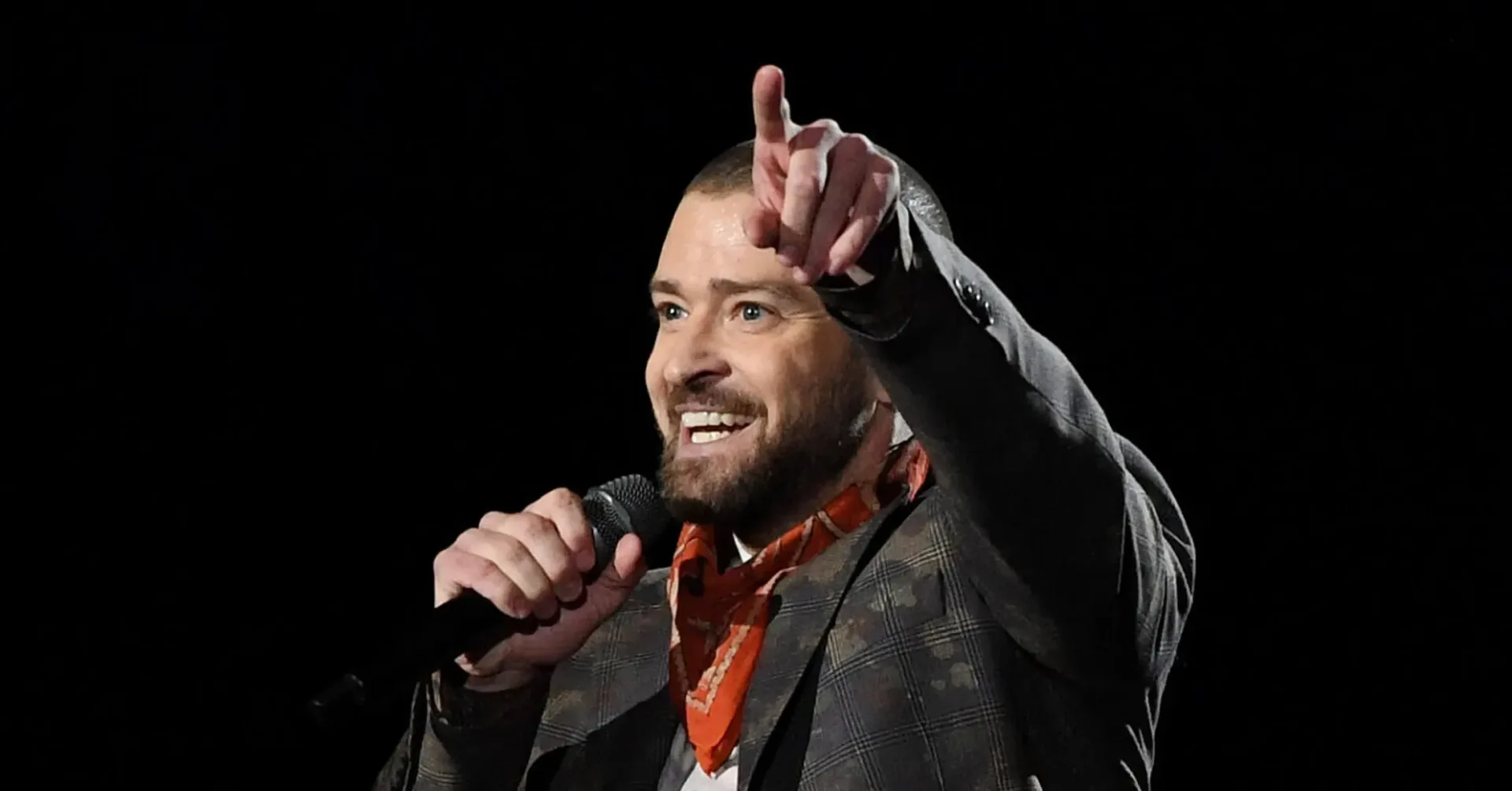
Justin Timberlake has shared a family-sized detail behind Don Toliver’s use of “Rock Your Body” in the rapper’s track “Body”: Timberlake’s son Silas was firmly in favor of it.
Discussing his past records in a video interview, Timberlake said he immediately approved when he heard Toliver’s take on the 2002 single. But the decision had an especially direct seal of approval at home. Timberlake said Silas, now 11, is a Don Toliver fan, and encouraged his father to agree to the sample.
“As soon as I heard it, I was like, yeah, of course,” Timberlake said, recalling the request. When he asked Silas what he thought, the answer was: “You gotta do it.”
For Timberlake, the clearance was not presented as a lengthy internal debate or a reluctant handoff of a recognizable pop hook. He described it as an easy decision and also spoke positively about Toliver’s album OCTANE.
What clearing a sample means
A sample is an incorporated portion of an existing recording in a new song. It can be a melody, vocal element, rhythm, instrumental passage, or another identifiable piece of a prior work. In this case, “Body” draws from Timberlake’s “Rock Your Body,” a song from the 2002 album Justified.
When an artist wants to use such material, permission matters. The practical point is that the original work’s rights holders have a say in whether the new release can use it. Timberlake’s recollection describes his willingness to permit the connection, rather than treating “Rock Your Body” as a track that had to remain locked in its original era.
That makes the story more interesting than a simple bit of music-business paperwork. The permission joined two artists whose connection to the song runs in opposite directions across generations. Timberlake’s son is a fan of Toliver. Toliver, meanwhile, has said that Timberlake’s music was already part of his own upbringing.
Don Toliver’s connection to Justified
Earlier this year, Toliver explained that his mother often played Timberlake’s music while he was growing up. He identified Justified as one of his favorite albums and said he did not instantly grasp the full personal weight of sampling a record that he had known from childhood.
Related coverage includes Justin Timberlake Says Son Silas Helped Clear Don Toliver’s ‘Body’ Sample.
That perspective helps explain why “Body” was more than a convenient choice of familiar material. Sampling can work purely as musical shorthand: a recognizable fragment can quickly give a contemporary song a sense of reference, nostalgia, or contrast. But Toliver’s comments point to a more personal chain of influence. A record played in his childhood became a creative ingredient in his own work, and its original artist ultimately endorsed the use.
There is no need to overstate that link as a completed collaboration or a formal artistic partnership. What is confirmed is narrower and more meaningful: Toliver sought access to a song he admired, Timberlake approved it, and both artists subsequently turned that shared point of reference into a live moment.
From clearance to the Miami stage
On Aug. 22, Timberlake appeared during Toliver’s concert at Miami’s Kaseya Center. The pair performed both “Rock Your Body” and “Body,” giving the audience the original song and the newer sample-driven track in the same setting.
Timberlake said he had initially gone to the concert to see whether it would be suitable for Silas. The guest appearance was not his original plan. Toliver’s management approached him about joining the performance, however, and Timberlake accepted.
That detail puts the show in a useful perspective. It was not described as a pre-announced tour pairing or a promotional event built around a new joint single. It emerged from Timberlake attending a Toliver show, a request made at the venue, and an opportunity that the two performers chose to take.
The result also gave “Body” a particularly clear live context. An audience that knew Toliver’s version could see its relationship to “Rock Your Body” enacted by the artists onstage, with Timberlake participating rather than merely existing as a credit in the song’s background.
New music was discussed, but nothing has been announced
The most forward-looking part of Timberlake’s account came after the concert. He said he asked Toliver about making music together before they left the arena. The conversation turned into several hours of work in a studio set up at the venue.
Timberlake characterized the session as productive, saying they created material that was worth exploring. He had also been working on music while in Miami. Still, fans should separate that confirmation from a release announcement: no finished song was identified, no title was shared, and no schedule or platform for future music was provided.
That distinction matters because a late-night studio session can signal mutual interest without guaranteeing a public record. Artists regularly develop ideas that change substantially or remain unreleased. At present, the confirmed takeaway is simply that Timberlake and Toliver spent time creating together after their Miami performance.
Even so, the sequence is notable. A sample clearance led to a surprise stage appearance, and the appearance led to a studio session. That is a more substantial arc than a one-off rights approval, while still leaving the outcome of their new material unresolved.
A cross-generational exchange rather than a nostalgia exercise
It would be easy to frame the story solely around nostalgia for a 2002 hit. The more revealing angle is exchange. Timberlake received a direct recommendation from a young listener who follows Toliver. Toliver has described Timberlake as an artist whose music was familiar in his own childhood. Their connection brings together different audiences without suggesting that either artist must abandon his own musical identity.
That kind of crossover is one reason samples can carry cultural weight beyond recognition alone. A new track can direct listeners back toward an older song, while the older song can gain a fresh setting through a newer artist’s audience. Here, the link was made unusually visible by the Miami performance and by Timberlake’s account of how his son reacted to the request.
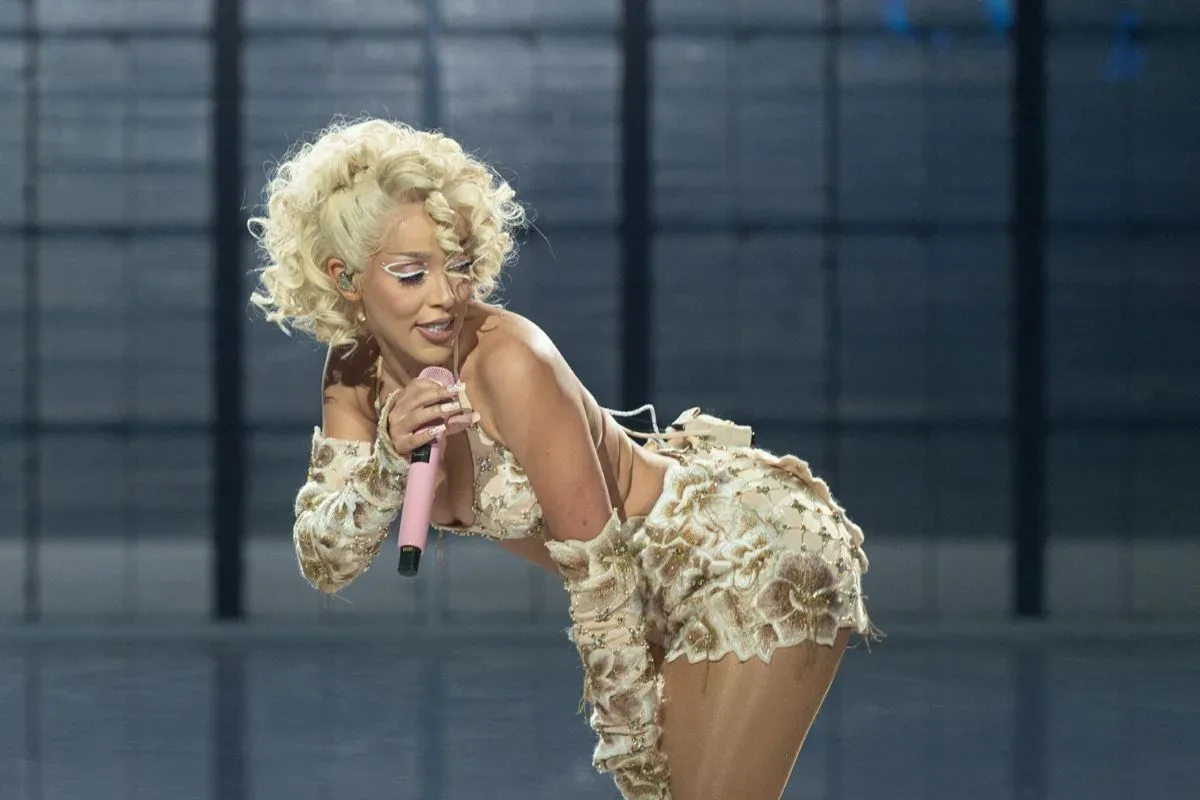
For readers following current music conversations across the site, the personal tensions and interpretations that can surround pop releases are also visible in Doja Cat’s discussion of the relationship themes in Vie. Timberlake and Toliver’s story is a different sort of creative connection: one rooted in permission, family listening habits, and an unplanned chance to build on a shared musical reference.
For now, “Body” remains the tangible result of that relationship. The reported Miami session creates the possibility of more, but it should be treated as possibility, not a confirmed forthcoming release. What is already clear is that Silas’ advice aligned with Timberlake’s own instinct—and helped make an intergenerational sample connection feel personal rather than procedural.