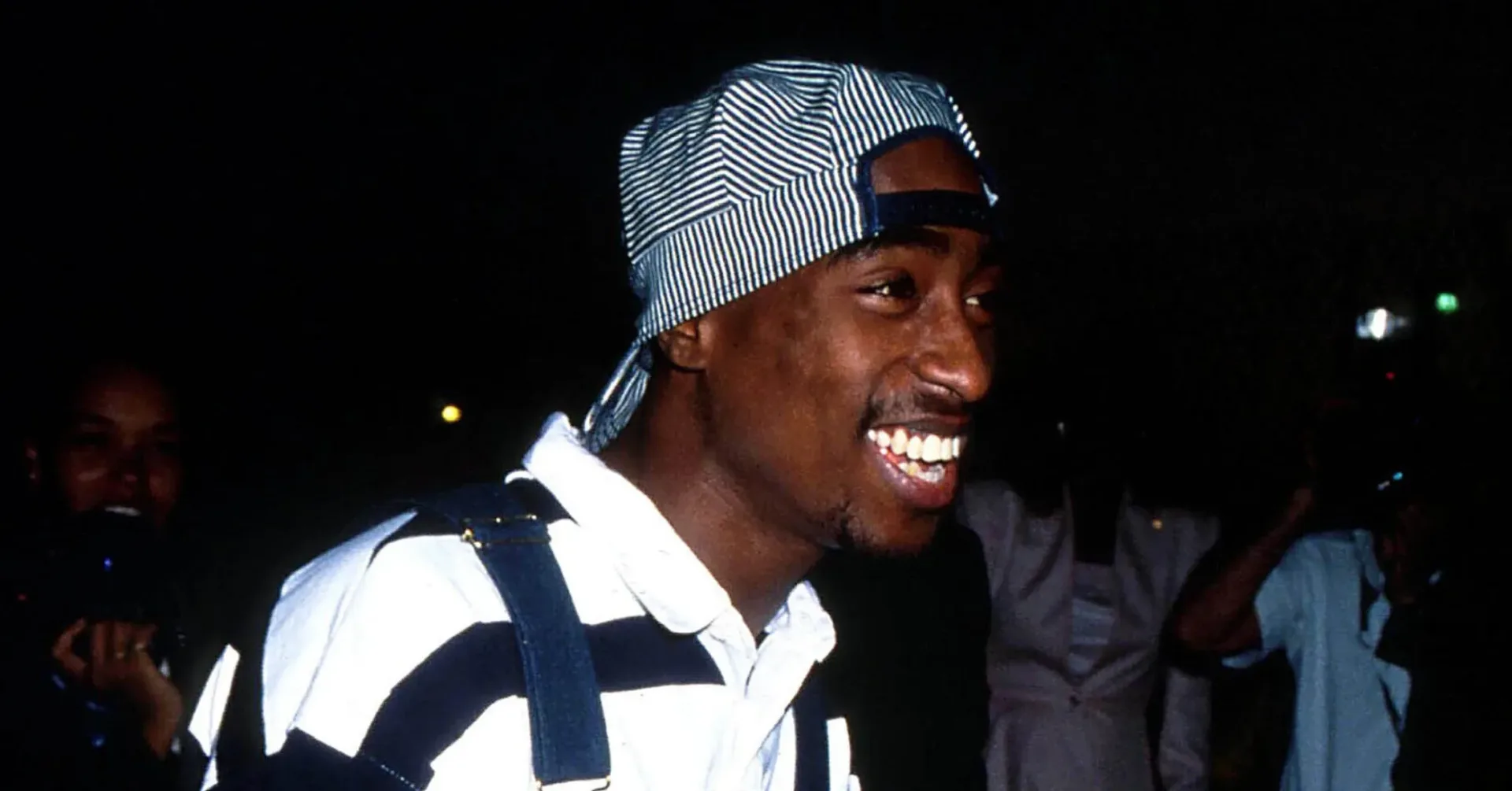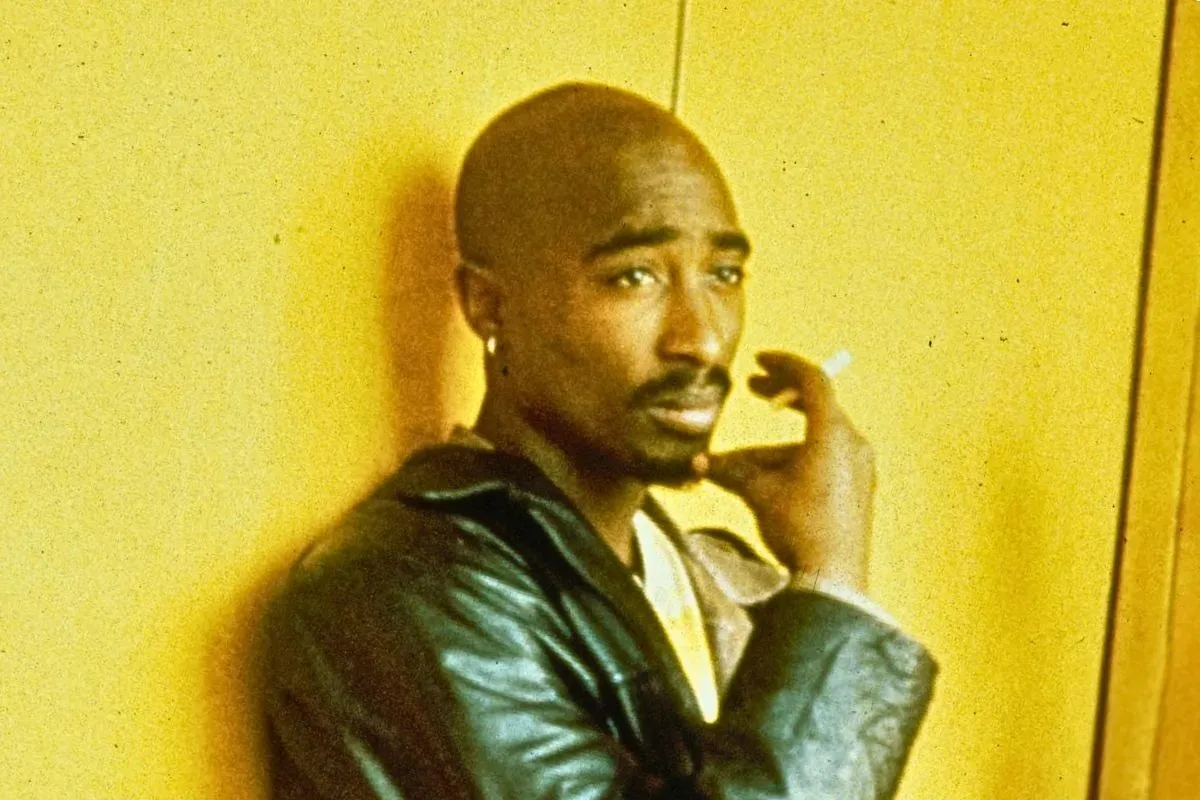
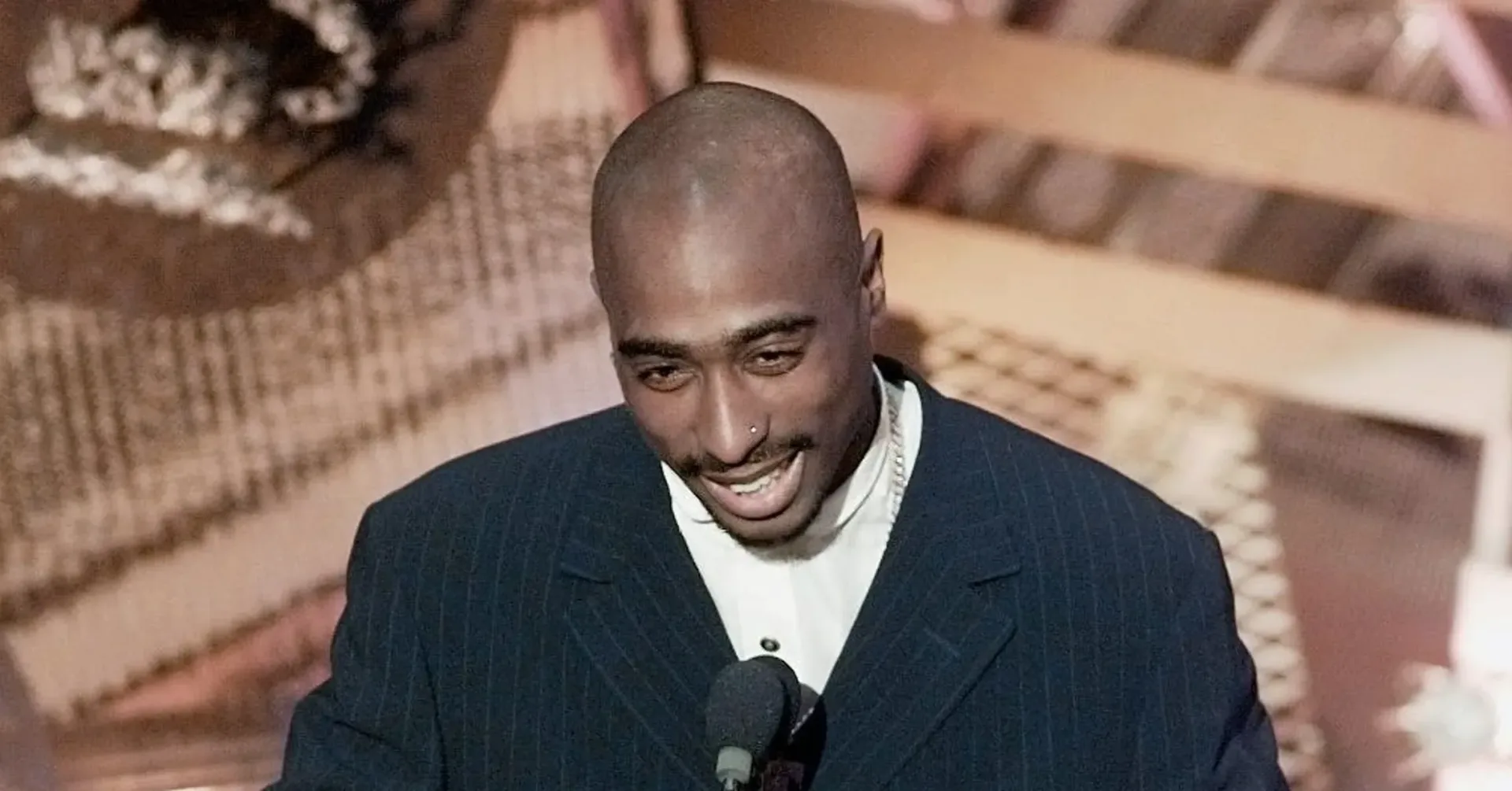
The Tupac Tapes with Angie Martinez is bringing a three-decade-old interview into a very different media environment. The Netflix special includes footage from a 1996 conversation with Tupac, recorded amid the volatile East Coast–West Coast rivalry, and clips from the exchange have begun circulating widely.
Among the most-discussed portions are Tupac’s remarks about his conflict with The Notorious B.I.G., commonly known as Biggie, as well as Diddy and Mobb Deep. He also made highly personal claims involving Faith Evans, Suge Knight and Misa Hylton. Those statements should be understood precisely for what they are: Tupac’s allegations during an interview, not independently established facts in the material available here.
That distinction matters. A newly released archival interview can provide a direct record of what its subject said at a particular moment, but it does not by itself verify every accusation made during that conversation. The intensity of the period, and Tupac’s openly adversarial relationship with several people named in the footage, are essential context for viewers assessing the excerpts.
A shelved interview from 1996
Angie Martinez conducted the interview in 1996, at a point when the East Coast–West Coast feud had become one of the defining conflicts in mainstream hip-hop. Tupac’s diss track “Hit ’Em Up” had already been released, and his disputes with Biggie and Mobb Deep were active subjects of public attention.
Martinez held the interview back for roughly 30 years because she feared its release could contribute to violence. That decision is part of the story now: the material was not simply forgotten archival tape, but an interview deliberately withheld amid concerns about the real-world stakes surrounding the feud.
With the release of The Tupac Tapes with Angie Martinez, audiences are hearing Tupac speak in a setting that predates the modern cycle of clipped videos, reposts and instant reaction. That makes the full context of any segment particularly important. A short excerpt can establish that a statement was made; it cannot necessarily convey every question, qualification, tonal cue or surrounding subject that shaped the exchange.
What Tupac alleges in the newly circulating clips
In the interview, Tupac says he had no respect for Faith Evans and alleges that he slept with her shortly after leaving jail in the fall of 1995. The allegation had long been intertwined with the animosity between Tupac and Biggie, making its appearance in the previously unreleased interview unsurprising in historical terms, even if hearing Tupac address it directly has caught many viewers off guard.
Tupac also alleges that Suge Knight had a relationship with Misa Hylton, framing the claim through the rival leadership around him and Diddy. Rumors involving Knight and Hylton have circulated for decades, but the resurfaced interview does not independently settle them.
It is tempting to treat old footage as a final answer simply because it feels immediate. Archival video has a particular force: the speaker is on camera, the words are no longer secondhand, and viewers can judge the delivery themselves. Yet first-person footage and corroboration are different things. The former documents a claim. The latter would require supporting evidence beyond the claim itself, and none is provided in the available material.
Why the context is not optional
The interview’s timing changes how it should be read. Tupac was speaking during a public feud rather than offering a detached retrospective years later. The subjects were people with whom he had serious personal and professional conflict. That does not prove or disprove any individual assertion, but it does explain why a careful account should avoid turning disputed comments into settled biography.
There is also a difference between reporting the content of a documentary and repeating allegations as gossip. The relevant news is that a long-withheld interview is now being presented to the public, and that it captures Tupac speaking candidly about conflicts that were already central to the era’s hip-hop narrative. The responsible framing is not to adjudicate private claims without evidence, nor to use the documentary’s release as an excuse to inflate them.
For audiences interested in the special itself rather than viral fragments, the most useful approach is to watch the material in its intended form. Joking Joystick has a separate guide on how to watch The Tupac Tapes with Angie Martinez on Netflix.
The format and who appears
The Netflix program is structured as a four-part special. Episodes run approximately 45 minutes to an hour, giving the project more room than a single archival clip to organize the interview and accompanying discussion.
Its panelists include Joe Budden, DJ Hed, Bootleg Kev and Big Boy, among others. Their involvement signals that the series is not presented only as raw tape; it also places the interview in conversation with people discussing Tupac, the period and the culture around the feud.
That format may help distinguish between the historical record and later interpretation. The archival conversation is a document from 1996. Panel discussion is retrospective analysis created after the fact. Both can be informative, but they do different jobs: one preserves Tupac’s words from that moment, while the other attempts to explain why those words and conflicts still command attention decades later.
What viewers can take from the release
The most substantial value of the special may be the opportunity to encounter a significant interview in fuller form after its long delay. Tupac’s conflicts with Biggie, Diddy and Mobb Deep have frequently been summarized through songs, headlines and short quotations. A longer conversation potentially offers more of his own framing, including the anger and perspective that animated his public statements at the time.
At the same time, viewers should separate three things that are often blurred together online: a historical event, a person’s recollection or accusation about that event, and proof that the accusation occurred exactly as described. The Tupac Tapes clearly has value as a record of Tupac’s voice during a consequential period. It does not eliminate the need for care around claims that remain unverified.
The renewed attention also illustrates how archival releases can reshape conversations without necessarily changing the underlying evidentiary picture. A claim may feel new because a fresh audience is seeing it on video for the first time. But renewed visibility is not the same as new confirmation. For a story rooted in an era of intense rivalry and lasting tragedy, that is a boundary worth keeping clear.