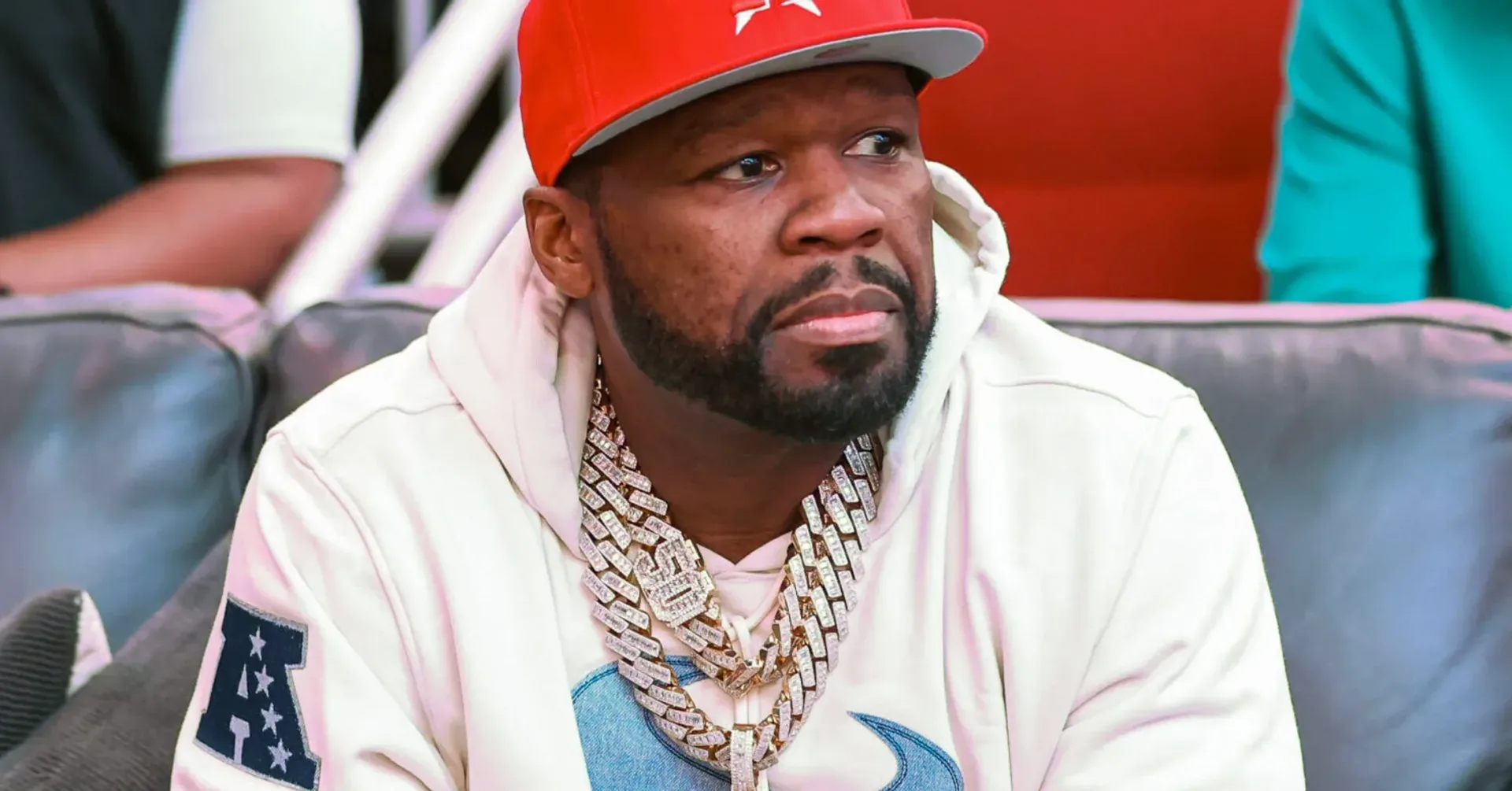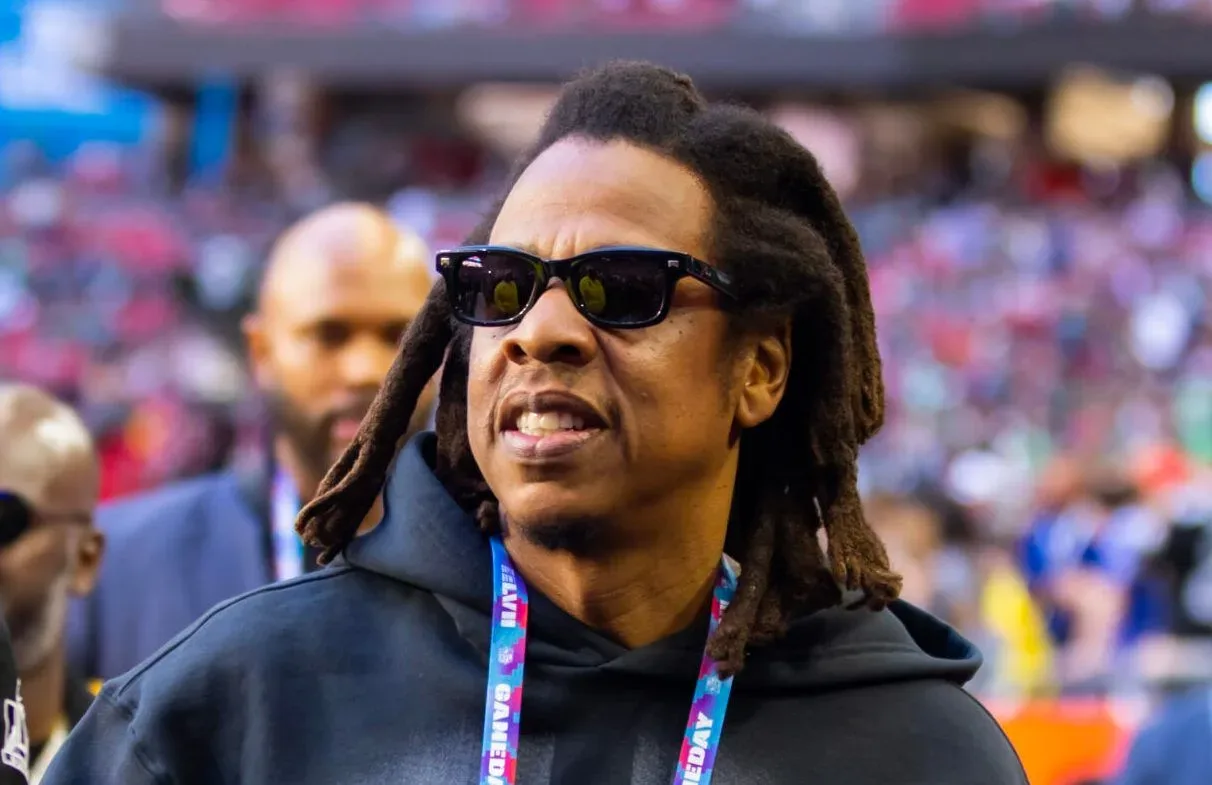
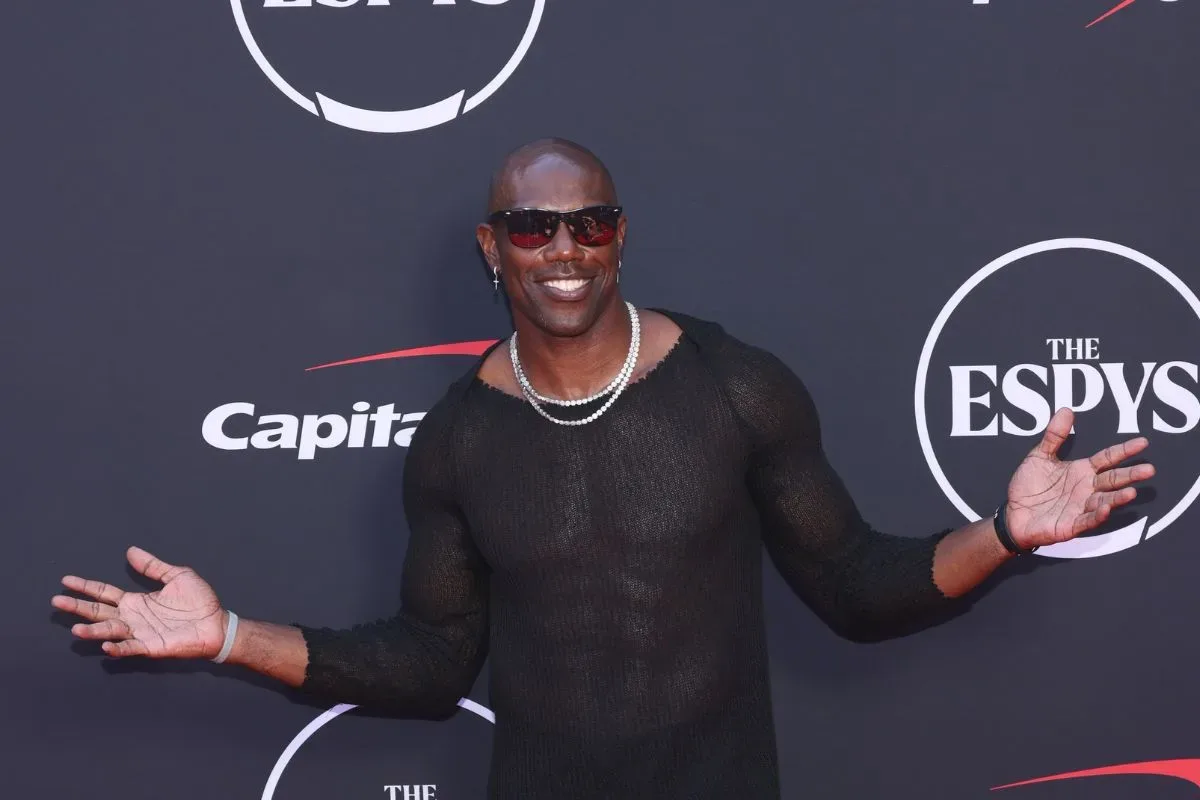
Terrell Owens has raised a pointed question about Jay-Z’s upcoming Super Bowl LXI halftime performance: can an artist fairly receive the assignment when his company has helped the NFL shape halftime entertainment for years?
The Pro Football Hall of Famer addressed the booking on his Get TO The Point podcast after the NFL, Apple Music and Roc Nation named Jay-Z as the February 14, 2027 halftime headliner at SoFi Stadium in Inglewood, California. Owens’ position is straightforward. “I think it’s a conflict of interest,” he said.
The show will mark the first time the Brooklyn rapper has led a Super Bowl halftime performance. But the announcement also arrives with a particular business backdrop: Roc Nation has served as the NFL’s strategic entertainment adviser since 2019, has helped shape the halftime show during that period, and will executive produce Jay-Z’s performance.
That overlap is the heart of Owens’ objection. In his view, an artist connected to the advisory and production side of the process should not also become the chosen headliner without inviting questions about how that choice was made. His concern is not a claim that a particular rule was broken; it is a criticism of the appearance and structure of the decision.
What Owens means by a conflict of interest
A conflict of interest does not necessarily mean misconduct. In its broadest sense, it describes a situation where someone’s professional responsibilities and personal interests can overlap in a way that makes impartial decision-making harder to demonstrate. Public confidence can become the issue even when no one suggests that a decision was improper.
Here, Owens is looking at two roles that sit unusually close together. Roc Nation helps advise the league on entertainment strategy and has been involved in the halftime-show ecosystem since 2019. Jay-Z is the company’s founder and is now the artist at the center of the event it will executive produce. To Owens, that arrangement creates a fairness problem because the person associated with helping open the door is also walking through it.
That distinction matters. Owens is not simply arguing that Jay-Z lacks the catalogue, stature or audience for the platform. Nor is he arguing that Roc Nation has no place in the NFL’s entertainment operations. Instead, he is challenging the optics of a process in which the adviser’s most visible figure is selected for the highest-profile performance.
The question becomes especially sharp because the Super Bowl halftime show is not an ordinary concert booking. It is a single, enormously visible stage. There is one headline slot, one primary artist and a limited amount of room for guests. When the choice is made, every other artist who might plausibly have been considered is, by definition, left out.
The NFL’s account presents a different sequence
The NFL has offered an important piece of context that complicates the idea that Jay-Z or Roc Nation simply elevated Jay-Z through their own influence. Commissioner Roger Goodell said he asked Jay-Z to perform from the beginning of the partnership between the league and Roc Nation.
Goodell described one request he had made of Jay-Z: that he take the stage himself one day, whenever the moment felt right. If that account reflects the full path to this booking, then the league had been pursuing a Jay-Z halftime performance over a long period rather than responding to a recent self-selection by its entertainment adviser.
That does not automatically settle the perception issue Owens raised. A longstanding invitation can explain why the NFL wanted Jay-Z, while critics can still believe the overlapping business relationship deserves more scrutiny. Both ideas can exist at once: the league may have wanted Jay-Z from the outset, and observers may still consider it uncomfortable that Roc Nation remains attached to the production and entertainment-advisory side.
It is also worth separating selection from production. The available information says Roc Nation will executive produce the upcoming performance, and that it has advised the NFL on entertainment. It does not lay out every step, participant or standard involved in choosing the headliner. That means the public discussion is largely about the visible structure of the relationship, not a detailed account of internal deliberations.
Lil Wayne is the artist Owens wants included
Owens’ argument is also about access. He singled out Lil Wayne as an artist he believes deserves the opportunity, citing the New Orleans rapper’s worldwide audience. His point is not limited to a hypothetical list of alternatives; it is attached to a specific performer whom he believes has been overlooked for the stage.
Owens did not frame the matter as an all-or-nothing rejection of Jay-Z’s show. He left open the possibility that the performance could change his view, particularly if Jay-Z uses the event to bring out artists who, in Owens’ view, have been passed over. Lil Wayne was the clearest example.
Guest appearances would not erase the distinction between being a featured guest and leading the halftime show. The headliner carries the main billing and shapes the performance’s identity. Still, Owens sees a guest spot as a meaningful gesture: an opportunity for Jay-Z to share a stage that has become part of a broader debate over recognition and opportunity.
That proposed remedy gives Owens’ comments a more nuanced dimension than a simple dismissal of the booking. He is watching for evidence that the show can make room for performers he believes deserve consideration, rather than treating Jay-Z’s selection as an isolated victory. In that sense, the eventual guest list could become part of the public response to the controversy.
Jay-Z’s role in the modern halftime-show era
Since the NFL and Roc Nation began their partnership in 2019, the company has helped produce halftime shows featuring Shakira and Jennifer Lopez, The Weeknd, Rihanna, Usher, Kendrick Lamar and Bad Bunny. That history is why the Jay-Z announcement reads differently from a routine music booking. Roc Nation has been a recurring part of the behind-the-scenes framework for a series of major halftime productions, and its founder is now moving to center stage.
For supporters, that record can be read as context for why Jay-Z is a logical choice: he is an artist whose company has been involved in the recent evolution of the halftime show and whose career has reached a point where the Super Bowl can be positioned as a milestone. Jay-Z has characterized the booking as the next step in a 30-year journey from Reasonable Doubt to the Super Bowl.
For critics, the same history can make the concern more pronounced. The closer a company is to the machinery behind a coveted entertainment platform, the more important it becomes to explain how its principals can also be selected to occupy that platform. Owens is pressing precisely that public-facing question.
The debate reaches beyond one performer because it touches on how audiences understand cultural gatekeeping. A “gatekeeper” is not necessarily one person making every decision. It can mean the set of people, companies and institutions that shape which artists receive access to a major venue. Owens’ critique asks whether the process looks sufficiently open when a leading figure within that system becomes the featured act.
It is a conversation that fits a wider pop-culture landscape in which the business relationships around celebrity decisions can draw as much attention as the celebrities themselves. Recent music-world disputes and public controversies often turn on power, visibility and who gets to control the narrative, a dynamic also visible in a separate story involving 50 Cent and a dispute playing out publicly.
What is known—and what the February show may answer
Several facts are clear. Jay-Z is scheduled to headline Super Bowl LXI on February 14, 2027, at SoFi Stadium. The NFL, Apple Music and Roc Nation announced the booking on October 26. Roc Nation has worked as the NFL’s strategic entertainment adviser since 2019 and will executive produce the performance. Goodell says the league had asked Jay-Z to take the stage from the beginning of that relationship.
What remains unknown from the available information is the makeup of the performance itself, including whether Jay-Z will invite Lil Wayne or any other artists whose names have surfaced in criticism of the selection process. Owens has made clear that such a choice could affect how he views the show.
For now, this is less a dispute over whether Jay-Z is capable of commanding the halftime stage than a debate over the systems that decide who commands it. The NFL is standing behind a decision it says was years in the making. Owens is asking whether the arrangement meets the public’s expectations of fairness. The answer, at least in part, may depend on what happens when the halftime lights come up in Inglewood.