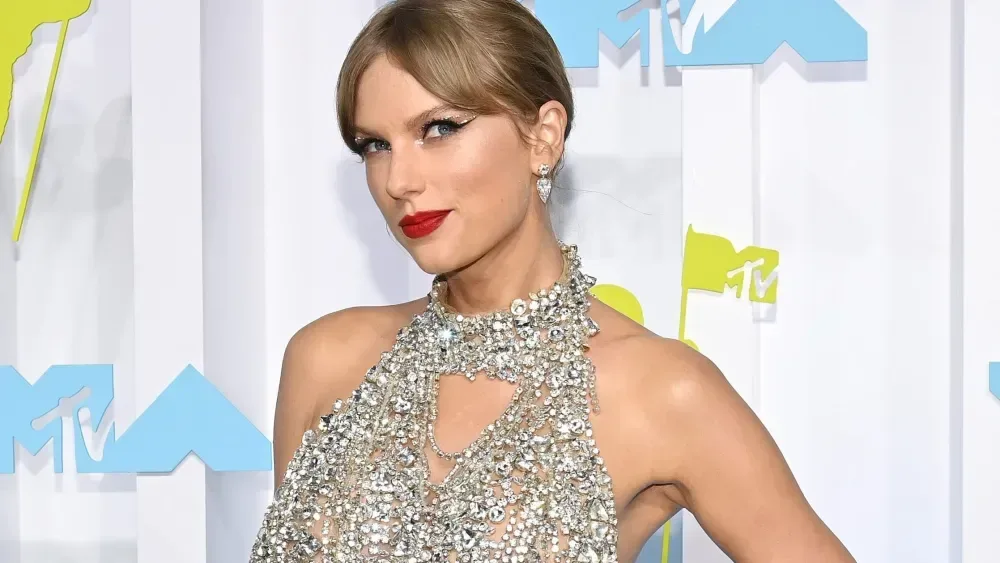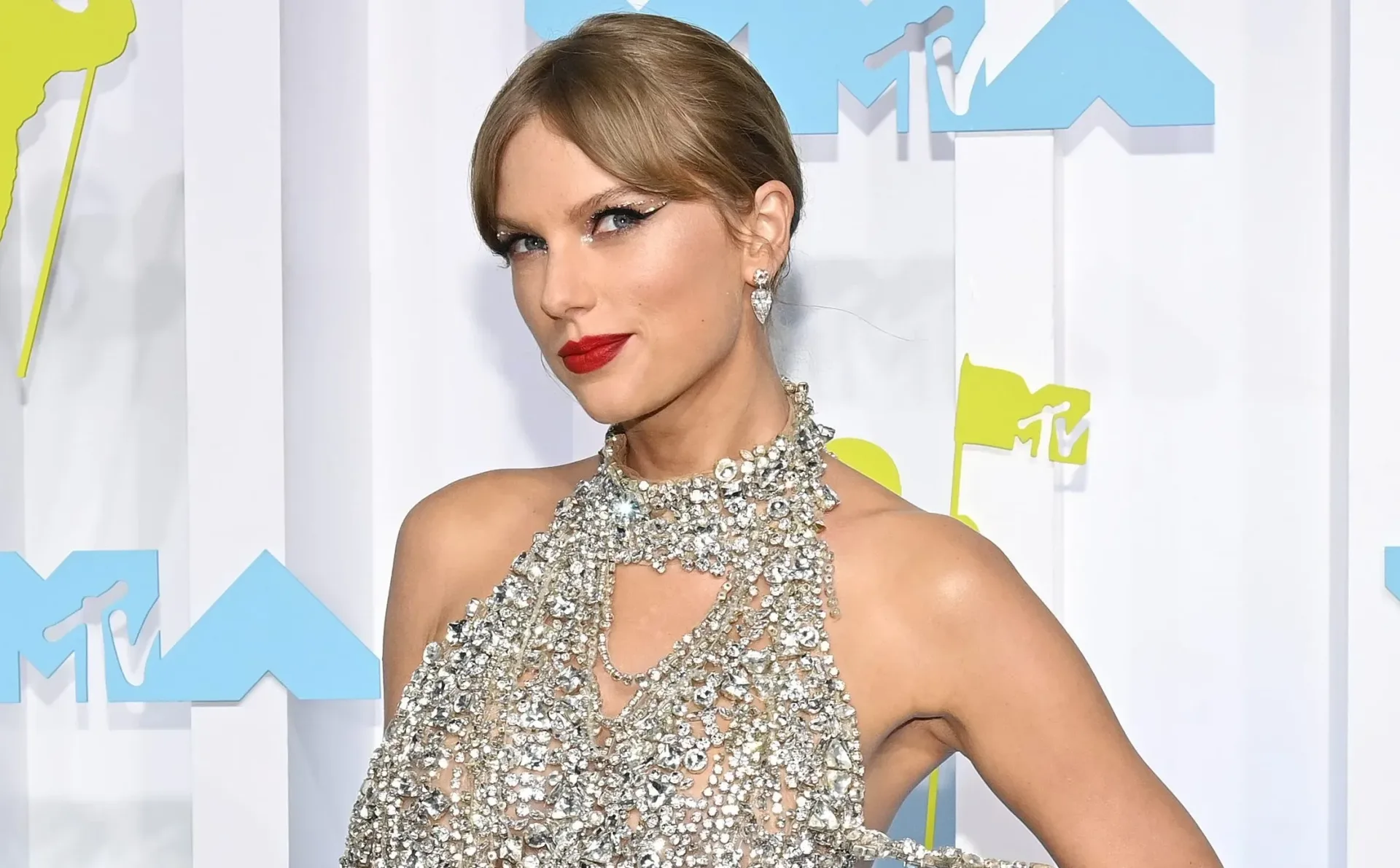
Taylor Swift is set to receive the inaugural MTV VMA Artist Director Honors at Sunday’s MTV Video Music Awards, an honor created to recognize recording artists who take a directing role in their own music videos. The new award places the focus not only on the performer in front of the camera, but on the visual decision-making that shapes how songs are presented, interpreted and remembered.
The stated purpose is to celebrate artists whose work behind the camera has broadened music video storytelling and established a recognizable directorial perspective over time. In Swift’s case, the distinction follows a recent run in which she has directed all of her music videos, alongside a record of seven Best Director nominations and four wins in that competitive VMA category.
What the new honor recognizes
Artist Director Honors is not simply another song or video prize. It is framed as a career-spanning recognition of an artist’s body of work as a director. That matters because music-video credits can encompass many roles: a performer may originate a concept, appear on screen, approve a treatment, or collaborate closely with a filmmaker without personally directing the finished project. Directing, in this context, means taking responsibility for the visual storytelling and the creative choices that turn a song into a screen narrative or concept.
The distinction gives the VMAs a way to acknowledge an artist’s authorship behind the lens. Swift’s wins in Best Director already demonstrate recognition in a competitive category; this newly established honor instead emphasizes sustained output and a developed directorial voice. It recognizes the accumulation of that work rather than identifying one specific video as the year’s winner.
That framing is especially fitting for music videos that go beyond a straightforward performance setup. A video can use narrative, costume, settings, editing and recurring imagery to create a distinct interpretation of a track. Those choices can also connect videos across different releases, helping establish a larger visual language around an artist’s catalog.
Swift’s directing credits span multiple eras
The cited body of directing work includes “The Man,” “Cardigan,” “Willow,” “All Too Well: The Short Film,” “Anti-Hero,” “Bejeweled,” “Lavender Haze,” “Karma (feat. Ice Spice),” “I Can See You (Taylor’s Version) (From The Vault),” “Fortnight (feat. Post Malone),” “The Fate of Ophelia” and “Opalite.” Taken together, the list covers conventional music-video releases, collaborations and a short-film format.
“All Too Well: The Short Film” is particularly useful for understanding the broader territory the award is designed to cover. A short film is a work with a more extended narrative form than the usual music-video runtime, even when it remains tied to a song. Including it among Swift’s directing projects underscores that the honor is interested in visual storytelling as an artistic practice, not merely in promotional clips.
The “Taylor’s Version” credit also points to a different creative circumstance: revisiting material from an earlier period while presenting it within a later project. The award announcement does not make a case for any individual video over another. Its value lies in treating these releases as a continuing directing portfolio.
For audiences, that can be a useful lens through which to view music-video accolades. A Best Director award asks who made the most acclaimed directing contribution in a given awards cycle. Artist Director Honors, by contrast, asks whether an artist’s work across time has meaningfully contributed to the form. Swift’s prior seven nominations and four Best Director victories provide clear context for why she is the first recipient.
Why artist-directed videos have a different stake
An artist directing their own video does not automatically make a video better, nor does it diminish the importance of specialist directors. Music video is inherently collaborative, relying on performers and creative crews as well as direction. But an artist-director credit changes the nature of the authorship being honored: the person associated with the song is also being recognized for leading its visual construction.
That can make videos feel like part of a unified creative project rather than separate marketing artifacts. In practical terms, it gives a musician a route to carry themes, characters, visual motifs and tone from lyrics into imagery under a consistent point of view. The new VMA honor is designed to recognize artists who have done that repeatedly and influentially.
The award also arrives at a moment when music remains connected to visual storytelling across many formats. A video can be a self-contained narrative, a stylized performance piece, a collaboration or an extension of a broader album cycle. An honor built around directing acknowledges that the role requires more than appearing in the frame.
Sunday’s ceremony details
The VMAs will be hosted by Snoop Dogg and air live from Los Angeles’ Peacock Theatre on CBS and MTV. The two-hour broadcast is scheduled for 7:30-9:30 p.m. ET and 4:30-6:30 p.m. PT. In the United States, it will also stream on Paramount+ Premium. Global availability is set for the following day on Paramount+ and MTV.
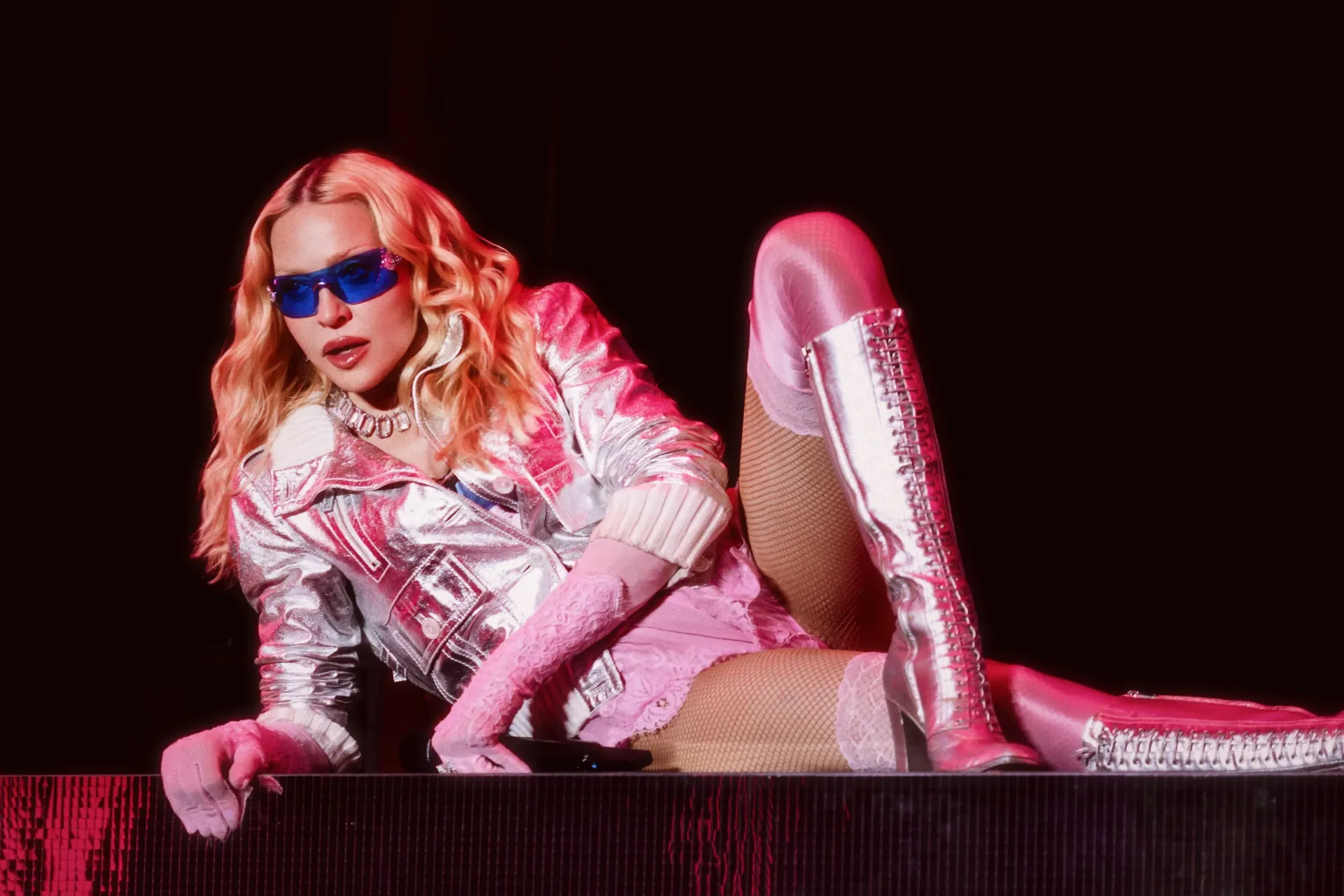
Madonna is scheduled to open the show with her first VMA performance in 23 years, giving the broadcast two major music-video touchstones even before considering the rest of the program. Those two elements are separate: Swift’s new directing honor recognizes a long-running body of work, while Madonna’s role is a performance booking.
Swift’s in-person attendance has not been confirmed. Receiving an award does not itself establish that its recipient will appear at the ceremony, so viewers should treat any expectation of an appearance as just that—an expectation, rather than a confirmed part of the broadcast.
Release speculation remains just speculation
The awards show has prompted renewed discussion among fans about whether Swift could use the occasion to share music news. There is a reason the idea has traction: during her acceptance speech at the 2022 VMAs, she announced the album Midnights. A past announcement, however, is not evidence that another is planned.
Current speculation centers on a possible deluxe edition of Swift’s 2006 self-titled debut album in its 20th anniversary year. None of that has been confirmed. The relevant background is that, after acquiring her Big Machine-era master recordings in May 2025, Swift said she had not re-recorded Reputation and did not feel a need to do so. She also said she had made a new version of Taylor Swift and expected it to be released eventually.
Those comments support the possibility of a future release at some point; they do not establish a date, format, event reveal or fall launch. The careful distinction is important, particularly around a live awards broadcast where viewers may reasonably hope for news but should not mistake fan theories for confirmed programming.
Swift’s award nevertheless offers a solid reason to pay attention without requiring any extra announcement. It marks the creation of a new VMA category of recognition and makes her its first recipient, honoring a directing portfolio that has earned repeated Best Director acknowledgment. For more on the wider intersection of music and culture, see Jackson Wang joining Roc Nation Management.