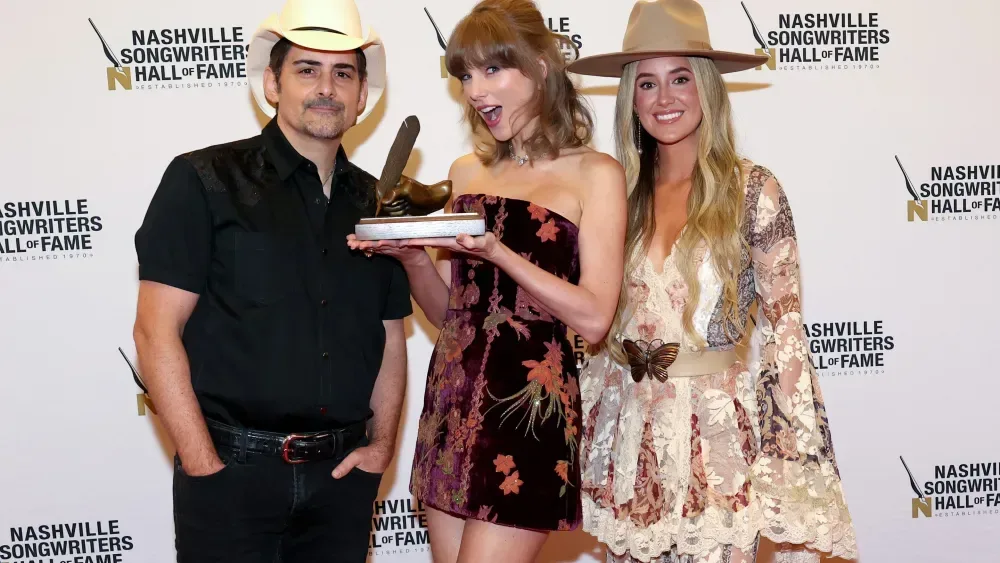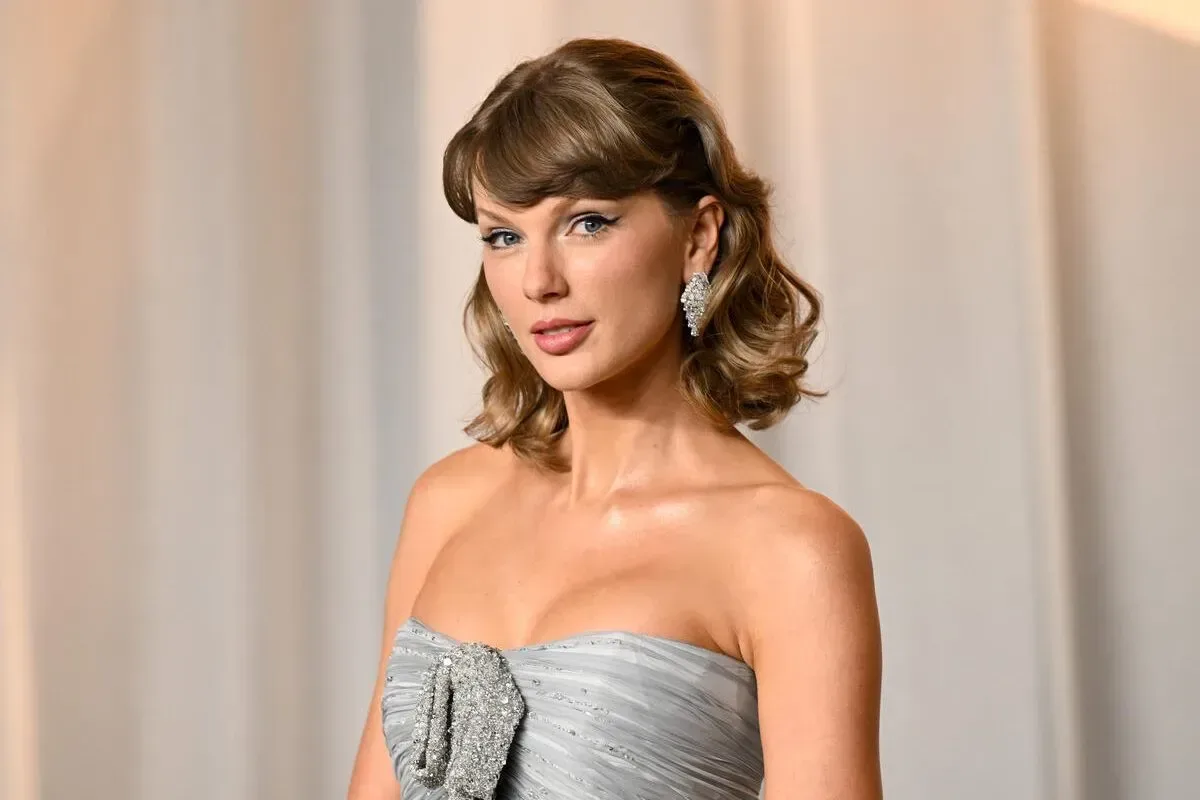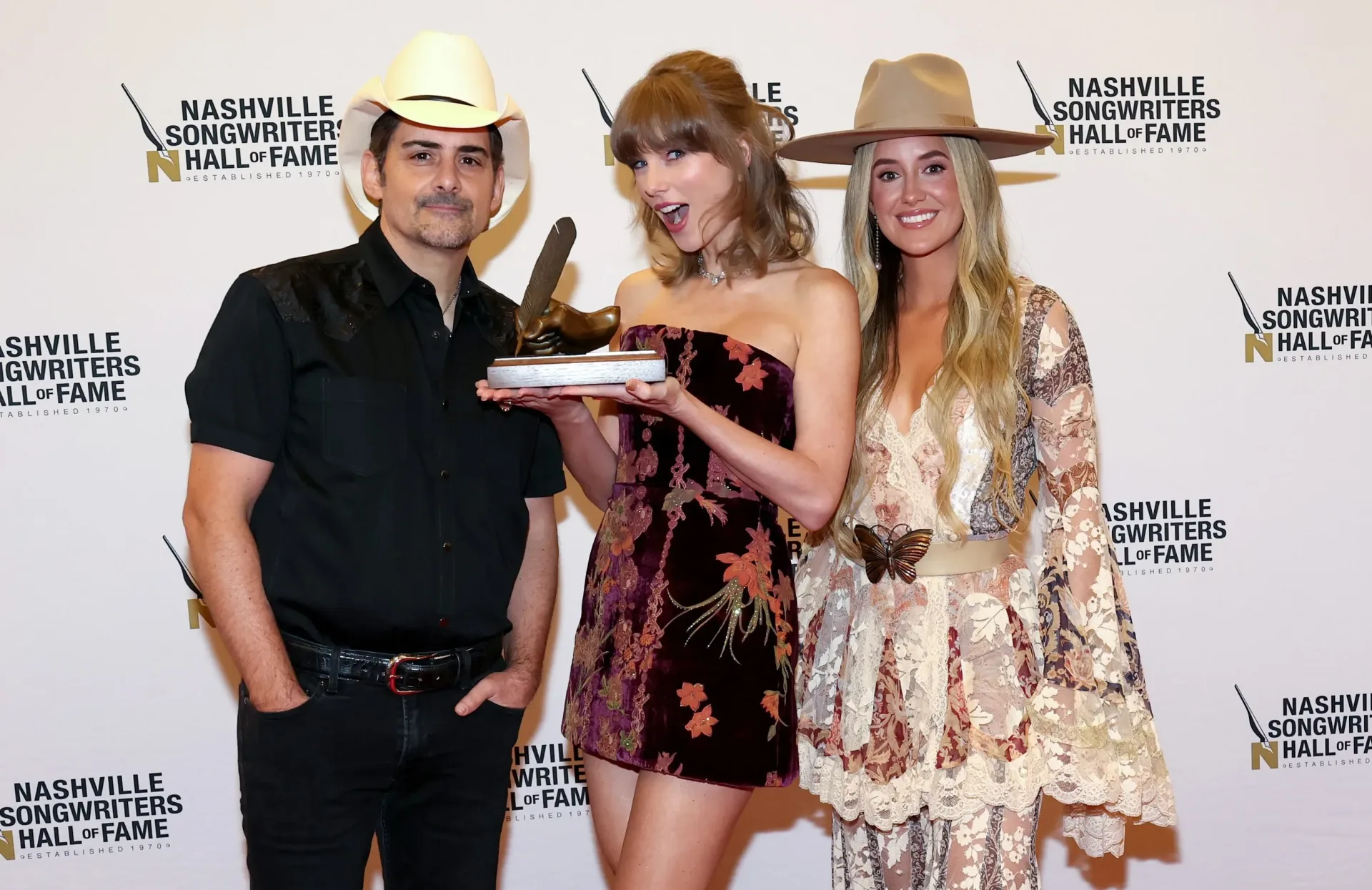
Taylor Swift has been inducted into the Nashville Songwriters Hall of Fame, becoming the organization’s youngest member at age 36. The honor arrived during the 56th annual gala at Music City Center in Nashville on October 26, 2026, where Brad Paisley introduced Swift and Lainey Wilson performed a pared-down version of Swift’s “Love Story.”
The ceremony put the focus firmly on the work behind the celebrity: the writing rooms, publishing offices, demos and collaborators that shaped Swift’s early years in Nashville. In a substantial acceptance speech, she organized her memories around the three words in the honor’s name: Nashville, songwriters and fame. Her central point was clear: public recognition may be the visible result, but songwriting and the creative community around it remain the foundation.
Swift was inducted alongside Lyle Lovett, Bruce Channel, Shawn Camp and Lee Thomas Miller, as well as the late J.I. Allison of Buddy Holly and the Crickets. George Strait received the Career Maker Award, a distinction recognizing his achievements in helping artists who perform songs written by others.
A songwriting honor centered on the writers’ room
The Nashville Songwriters Hall of Fame gala follows a notable format. Inductees do not take the stage to perform their own material; instead, another performer interprets one of their songs. For Swift, that role went to Lainey Wilson, whose stripped-back “Love Story” placed an early Swift hit in a setting that emphasized the composition itself: the lyric, melody and storytelling rather than the scale of its original recording.
That choice is meaningful for an institution devoted to songwriters. A song can exist independently of the artist who first made it famous, and another singer’s arrangement can draw attention to the underlying writing. Wilson’s performance also linked two artists with strong roots in the wider Nashville ecosystem, while Swift used her speech to praise Wilson and mention her single “Kinda Love It.”
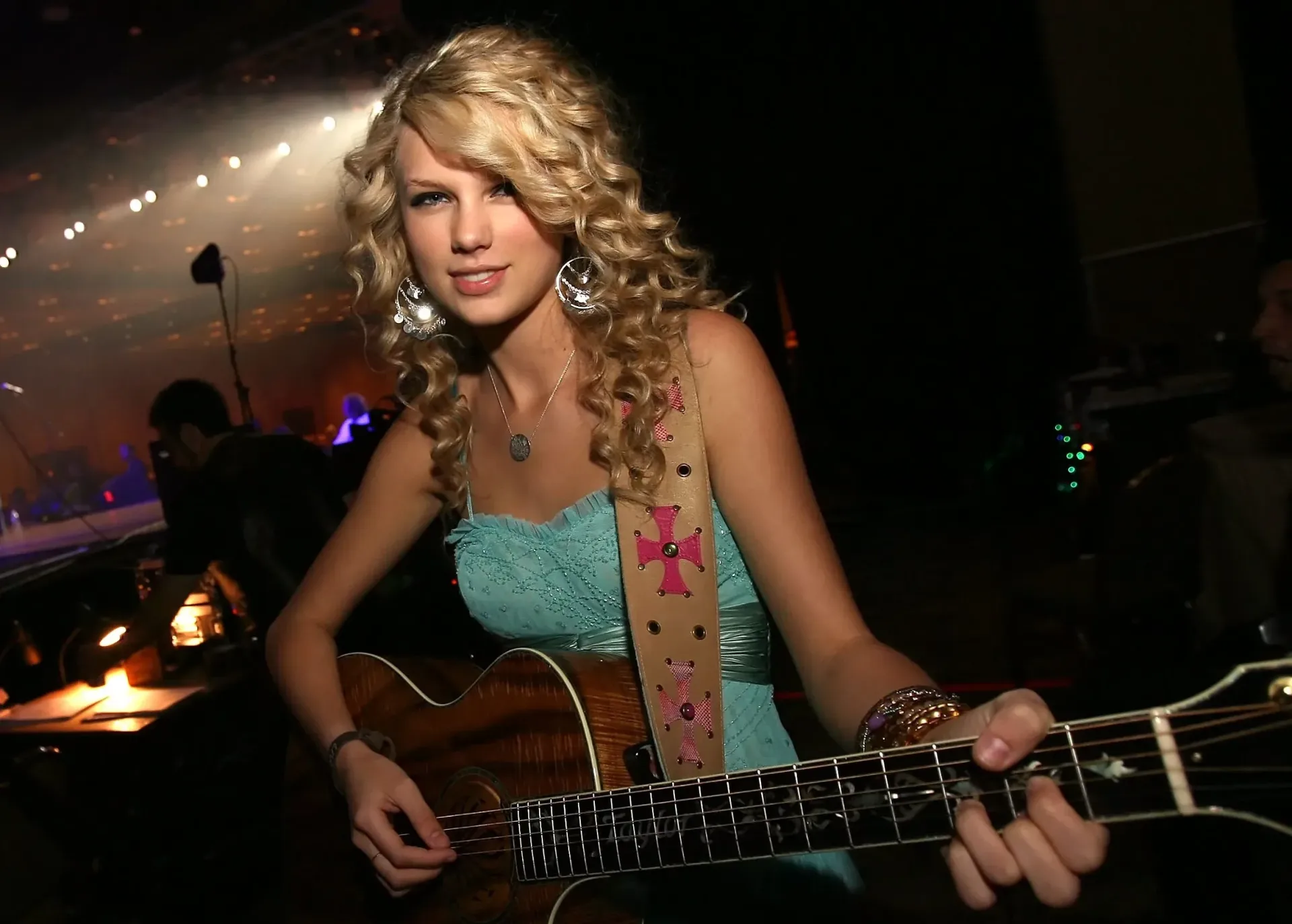
Swift’s remarks did not frame Nashville as a mere career launchpad. She described the city as the place she imagined visiting while still in middle school, then as the environment that gave her the experience and perspective she had been seeking. She received a Sony Publishing deal at 14 and said she threw herself into the work immediately.
What is a publishing deal? In songwriting, music publishing concerns the composition: generally the lyrics and music as written, distinct from any individual recorded performance of that composition. A publishing company can work with writers and songs in a range of ways, including helping facilitate writing sessions and managing the commercial life of songs. Swift’s recollection of getting such a deal at 14 helps explain why Nashville’s professional songwriting community became so central to her formative years.
The people and routines behind early Taylor Swift songs
Much of Swift’s speech was about everyday creative infrastructure rather than mythology. She remembered Catherine at the front desk of Jody Williams Music, and recalled that she came to know Catherine’s boyfriend and eventual husband, Eric Church. She described running upstairs to write with frequent collaborator Liz Rose, arriving with the kind of immediate, adolescent prompt that can begin a song: something that had happened at school that day.
Related coverage includes Taylor Swift Becomes Youngest Nashville Songwriters Hall of Fame Inductee.
She also singled out Nathan Chapman, who worked in a garden shed behind the building that served as his one-person studio. Chapman played every instrument on Swift’s demos, she said, and understood her musical ideas intuitively enough that she pushed for him to produce her debut album. Swift characterized it as a first album for both of them, and noted that the record had turned 20 years old just days before the gala.
Those details offer a useful reminder of how songs are often built. The public may encounter a finished album as a polished, cohesive statement, but its beginnings can be much smaller: a conversation with a collaborator, a lyric sparked by a day at school, a demo translated into sound by a producer-musician. A demo is an early recorded version designed to capture and develop a song before or during its path toward a final release. It can be simple or elaborate, but its essential purpose is to make the musical idea audible.
Swift said her early writing sessions taught her which creative ideas deserved persistence and which were better released. She also described learning to meet collaborators where they were, whether that meant accommodating a hangover or waiting while a co-writer worked through personal troubles before the day’s writing could begin. The humorous specifics served a serious observation: even writers capable of extraordinary empathy and emotional insight are still people with difficult, distracting and complicated lives.
In that sense, her speech presented songwriting as a social craft. A song may bear one person’s name or tell one person’s story, but a professional writing community can provide feedback, technique, emotional support and a durable sense of perspective. Swift said that these writers in many ways raised and guided her through her formative years.
Brad Paisley, “Speak Now” and a cricket-filled tour bus
Paisley’s introduction tied Swift’s early rise to her development as a writer. He recalled the impression made by her first two albums, then highlighted Speak Now, which he identified as entirely self-written. He described watching a teenage artist move from understanding that a song is the beginning of the process to using that songwriting to make a far broader cultural impact.
Swift and Paisley also made room for a considerably less formal memory from their history on the road. Swift had opened for Paisley on a summer amphitheater tour between her first and second albums, a touring environment where pranks among performers and crews were apparently routine. During the induction, she jokingly suggested they had been “estranged” since 2007 because Paisley filled her tour bus with live crickets—thousands of them, in her telling.
She described the persistent nighttime chirping as miserable enough to make her consider getting a pet lizard, before declaring that Paisley’s introduction had finally earned him forgiveness. It was a sharp bit of comic relief at an event otherwise built around lifetime achievement, but it also reinforced the speech’s broader portrait of Nashville: a professional community made up of long-running personal relationships, shared early-career memories and mutual support.
Fame as a byproduct, not the point
Swift’s discussion of fame supplied the speech’s most reflective turn. She called it a byproduct of loving music: a reason many people know her songs, but also the source of recurring chaos in her daily life. She said she uses memories as a way to return to “true north” when life becomes strange, and identified her earliest Nashville experiences as the memories she revisits most often to reconnect with normalcy and purpose.
This was not a rejection of success or an attempt to minimize the scale of her career. Rather, it was an explanation of what makes that scale manageable. The core of the work, as she described it, is still the practice of writing: learning how to shape an idea, hearing a collaborator out, recording a demo and becoming more capable through repeated attempts.
That distinction is particularly apt for a songwriting hall of fame. Popularity and visibility can accompany a song, but they are not substitutes for craft. Swift’s comments placed value on the systems that develop writers before the awards arrive: publishing relationships, co-writing rooms, producers willing to realize an early vision and peers who make a demanding industry feel like a community.
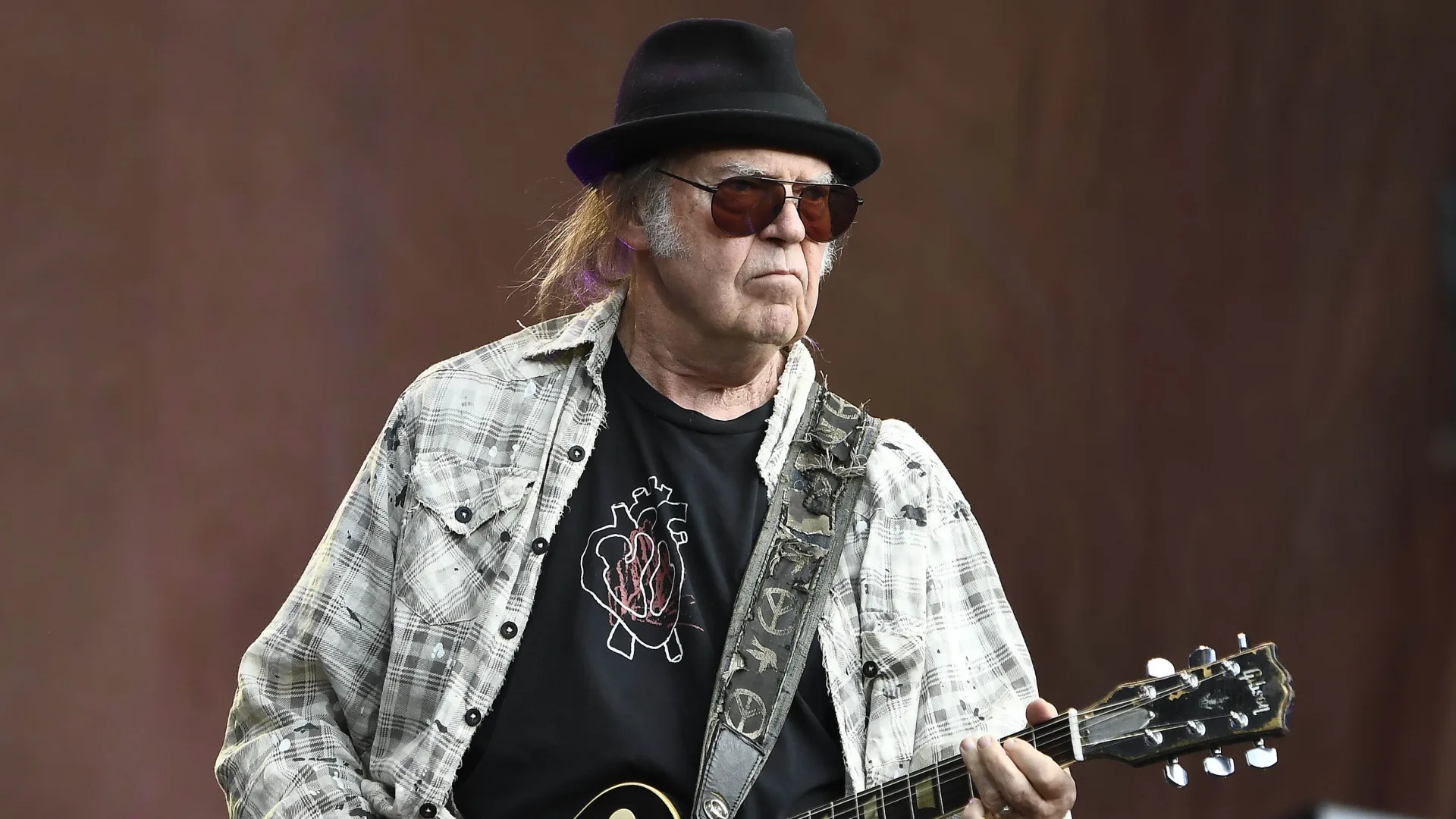
It is also a timely angle for anyone thinking about authorship in popular music. Questions about who writes songs, who records them, and who has control over their use can have real creative and commercial consequences. The distinction between a song and a recording is part of why songwriter recognition remains meaningful beyond chart performance. It also sits near debates over music rights and political use of songs, including Neil Young’s legal action over rally use of “Rockin’ in the Free World”.
A second songwriting hall honor in four months
The Nashville induction came four months after Swift was inducted into the Songwriters Hall of Fame in New York in June. She was the youngest recipient of that honor as well. The pair of recognitions in one year underscores an important aspect of the moment: these are awards directed at Swift as a writer, not solely as a recording artist or performer.
Swift closed by saying Nashville refined the part of her life of which she is most proud and most passionate—songwriting—and that the induction would become one of the memories she returns to on a rainy day. At an event designed to honor songs across generations, that sentiment brought the evening back to its central theme. The achievement is historic, but the speech’s real subject was the ongoing, human work that happens long before a song becomes famous.