The movie-theater obituary has been postponed again—possibly because somebody bought a ticket, sat through the trailers, and remembered that a gigantic screen remains extremely good at making ordinary snacks feel like part of an event. U.S. cinemas generated $4.76 billion in ticket sales between May 1 and September 7, making summer 2026 the highest-grossing summer box-office period on record by this measure.
The figure edges past the previous high of $4.755 billion, set in 2013. That older benchmark arrived in a season powered by films including Iron Man 3 and Man of Steel; the 2026 lineup had plenty of capes, spectacle, nostalgia, and a few titles that did not need to arrive with a decades-old franchise logo stamped across their foreheads.
There are important qualifications to the headline number. Inflation affects modern ticket receipts, meaning dollars alone cannot answer every question about actual attendance. The season also ran a little longer than a conventional summer window because Labor Day fell on September 7. Still, the scale of the total—and the consistency across the calendar—suggest that theaters had a notably lively few months after years of anxiety around streaming habits and the longer aftermath of the pandemic.
A record summer, month after month
The standout structural detail is not only the $4.76 billion total. For the first time, every month from May through August surpassed $1 billion in U.S. ticket sales. August was the strongest of the four, producing $1.27 billion.
That rhythm matters. A blockbuster-heavy season can be built around one enormous opening weekend and then spend several weeks searching under the theater seats for loose change. Summer 2026 instead had a sequence of movies capable of sustaining interest across months. Audiences had recognizable large-scale releases, but they also had genre alternatives and surprise performers. The result was less like one giant meteor hitting the multiplex and more like a reliable series of very expensive, very well-attended meteors.
The summer's performance does not erase the business challenges that cinemas still face. Streaming remains a major part of how audiences watch movies, and ticket-revenue records are not identical to attendance records. But the season provides a useful counterpoint to the idea that theatrical moviegoing has become a purely occasional activity reserved for the biggest imaginable brands. Big brands helped, of course. So did the sense that different kinds of films could become a reason to leave the house.
Spider-Man: Brand New Day swings to the front
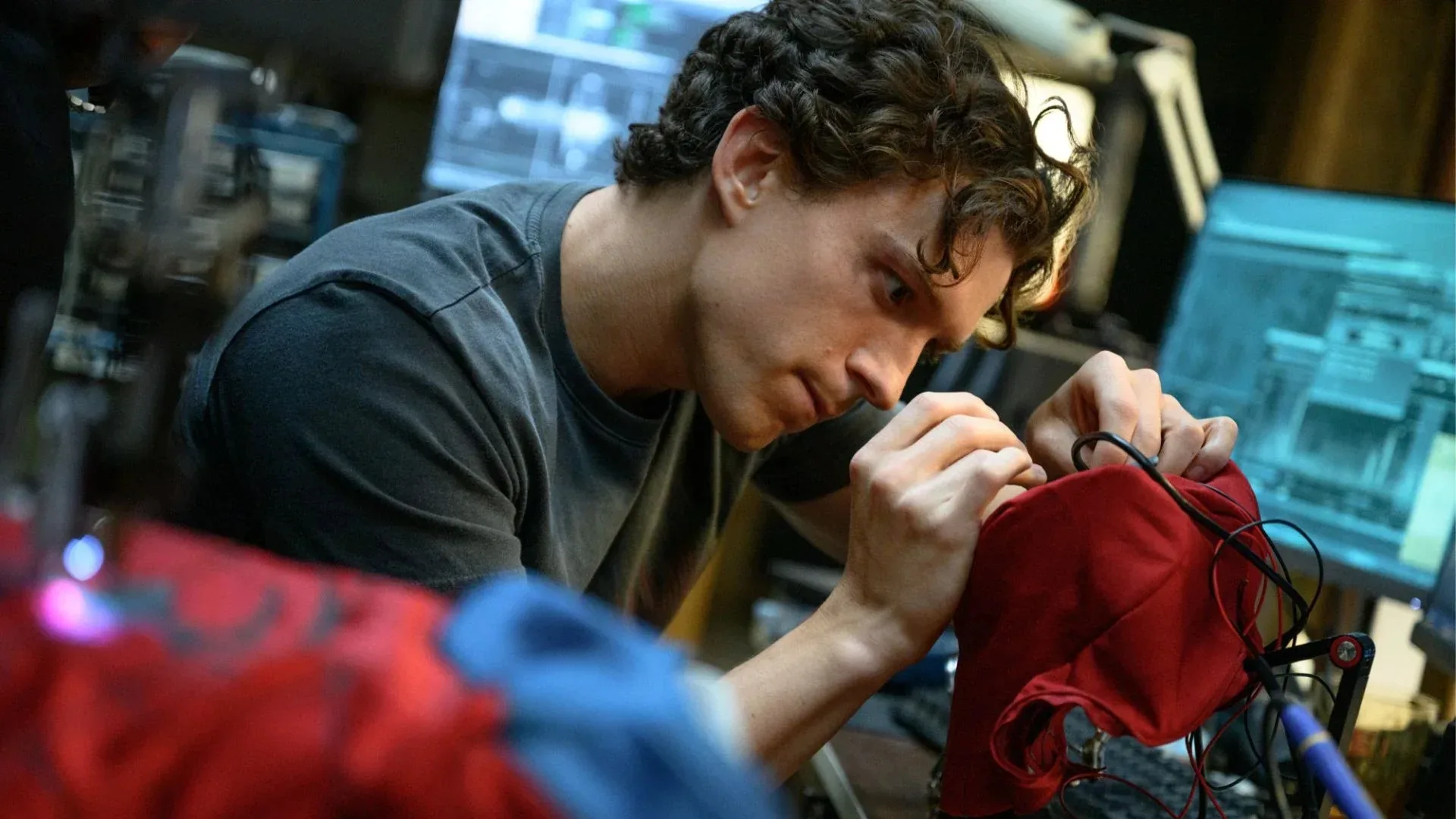
The largest individual force in the season was Spider-Man: Brand New Day. The film reached theaters on July 31 and has brought in $923 million in the U.S. so far, alongside $2.4 billion globally. Those totals put it at the center of a season built to make every other studio look nervously toward its own superhero filing cabinet.
Spider-Man has long been one of cinema's most dependable attractions, but a performance on that scale does more than polish a franchise's trophy shelf. It supplies theaters with a widely recognizable event movie during a key summer stretch, supports premium-screen business, and creates the kind of communal momentum that can benefit the wider release calendar. Someone heading out for one wall-crawler may notice trailers for a horror movie, an animated sequel, or an original-looking drama before the lights go down. The marketing math is not magical, but a packed auditorium can make the next trip feel more plausible.
For pop-culture fans, the result also underlines the continuing reach of comic-book characters beyond their original medium. The same basic appeal that can turn a character into a collectible, a game cameo, a costume, or a comic-shop conversation can still translate into a night at the movies when the theatrical hook lands. And it arrives during a year in which broader superhero conversation has remained busy, including ongoing fan speculation around other comic-inspired screen projects such as the developing discussion around Lanterns.
Nolan's epic keeps audiences looking outward
Christopher Nolan's The Odyssey was another immense contributor. The film has earned $589 million in the U.S. and $1.62 billion worldwide so far. Its performance shows the appeal of a large-format cinematic epic with a director whose work is itself an event for many moviegoers.
The contrast between Spider-Man: Brand New Day and The Odyssey is part of what makes the summer's overall success interesting. One is anchored in an internationally recognized superhero property. The other comes from a filmmaker whose name, scale, and interpretation of a foundational story formed a major piece of the attraction. Both are huge studio-scale propositions, but they illustrate separate routes to audience interest: continuing a beloved character's screen saga and turning an ambitious director-led spectacle into required big-screen viewing.
Neither route is automatically repeatable. Studios cannot simply place “epic” on a poster, point a camera at a wind machine, and expect history to cooperate. Nor does attaching a familiar hero guarantee billion-dollar outcomes. Yet summer 2026 showed that audiences were willing to choose theatrical experiences framed as grand, social, and visually imposing.
Franchises shared the screen with unexpected horror hits
Sequels did their expected part in the season's health. Toy Story 5 and The Devil Wears Prada 2 posted strong results, reinforcing the commercial appeal of returning to worlds audiences already know. Family animation and fashion-world comedy-drama occupy very different lanes, which is useful evidence that “franchise movie” is not one audience category. The people buying tickets may have little overlap beyond a shared willingness to meet friends at a cinema and debate whether the popcorn bucket is a collectible or evidence of poor financial decision-making.
More surprising were the contributions from horror. Curry Barker's indie horror film Obsession emerged as one of the season's unexpected successes, while Backrooms, Kane Parson's directorial debut, also found an audience. Their presence in the summer conversation is significant because horror can give theaters a different kind of event: one driven by discovery, atmosphere, and the contagious effect of a room full of people collectively deciding whether that noise came from the movie or the row behind them.
These films did not need to displace the major franchise releases to matter. A healthy release calendar has room for varied scales and tones. The summer's major releases supplied much of the financial muscle, while breakout horror gave viewers reasons to sample something less predictable. That mix is especially relevant after periods in which theatrical calendars could feel thin or overly concentrated around only a handful of massive brands.
Why the number needs context—and why it still matters
Revenue records demand cautious reading. Higher prices can push dollar totals upward even when the relationship to ticket volume is more complicated. The May 1 to September 7 reporting period also benefited from a calendar that extended through Labor Day. Comparing it directly to a shorter seasonal frame without acknowledging that difference would turn a useful statistic into a slightly overexcited headline.
Even with those caveats, the milestone remains meaningful. Crossing the previous $4.755 billion summer record by reaching $4.76 billion is narrow, but records do not become less real because they win by a photo finish. More importantly, four consecutive billion-dollar months point to durable demand across the span rather than a single flash of opening-weekend enthusiasm.
Industry analyst Paul Dergarabedian characterized the summer as potentially pivotal because it may have reminded many people that going to the movies is fun. That observation avoids treating the box office as only a spreadsheet competition. The theatrical experience is also ritual: selecting a showtime, reacting in public, enduring the trailer gauntlet, and spending two hours focused on one thing instead of choosing from an ocean of titles at home.
The rest of 2026 has more large-screen bait
The calendar does not slow down immediately. Zach Cregger's Resident Evil is scheduled for September 18, followed by Clayface on October 23, described as the DCU's first all-out horror movie. Both releases extend the season's horror-friendly energy, though they approach it through very different pop-culture machinery.
December 18 is set to bring a double dose of scale with Dune: Part Three and Avengers: Doomsday both slated for that date. Their eventual commercial performance remains uncertain, as does whether the summer's momentum will continue through the rest of the year. What is already clear is that 2026's summer calendar created an unusually strong case for theaters as a place where giant franchises, filmmaker-driven epics, animation, sequels, and smaller horror surprises can coexist.
For now, cinemas have the record, August has the seasonal monthly crown, and audiences have demonstrated that the right mix of movies can still turn a trip to the multiplex into a habit rather than a rare expedition. The big screen did not merely survive the summer. It had a very loud one.