Warning: this article discusses plot developments through episode 4 of Lanterns.
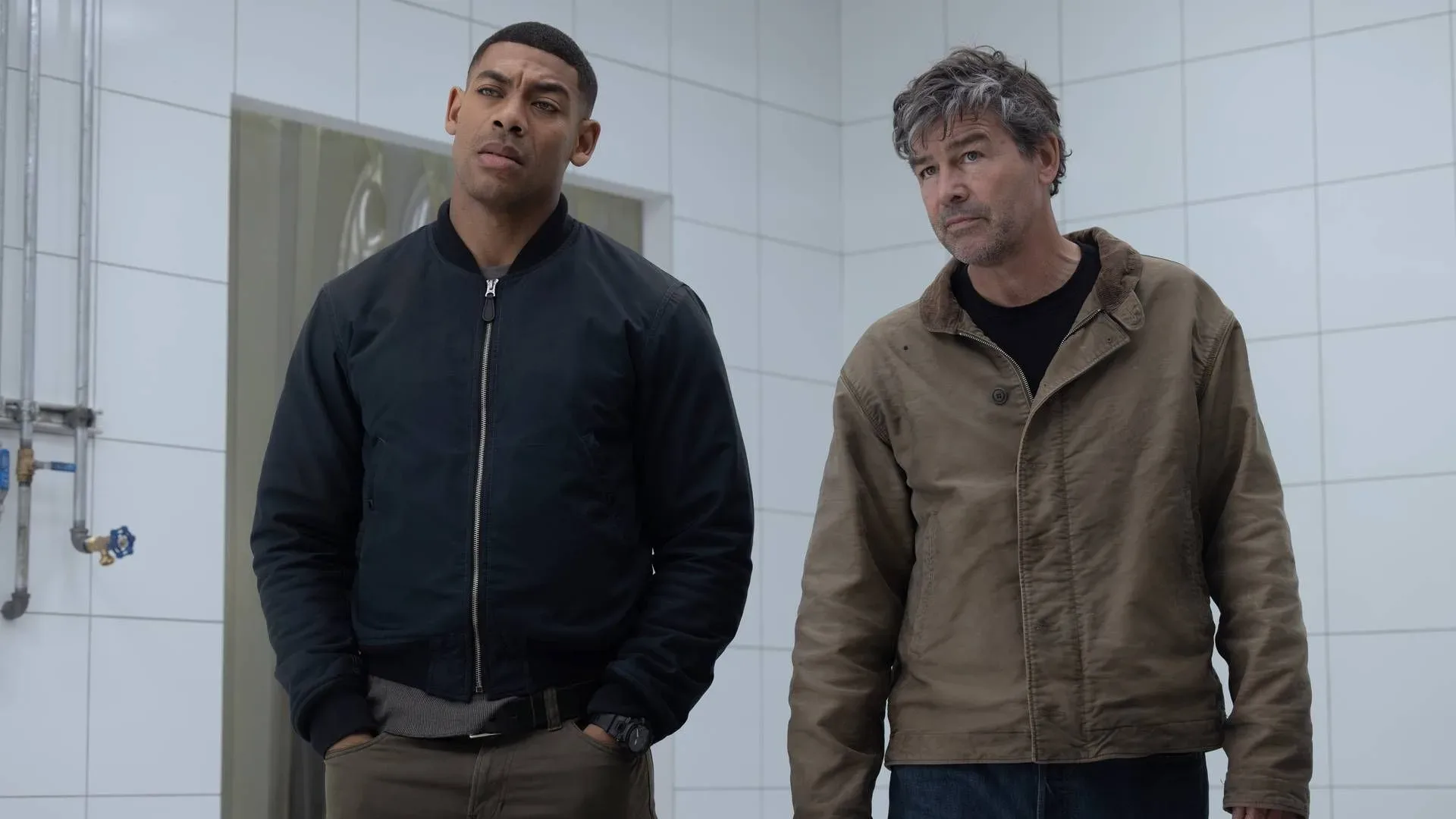
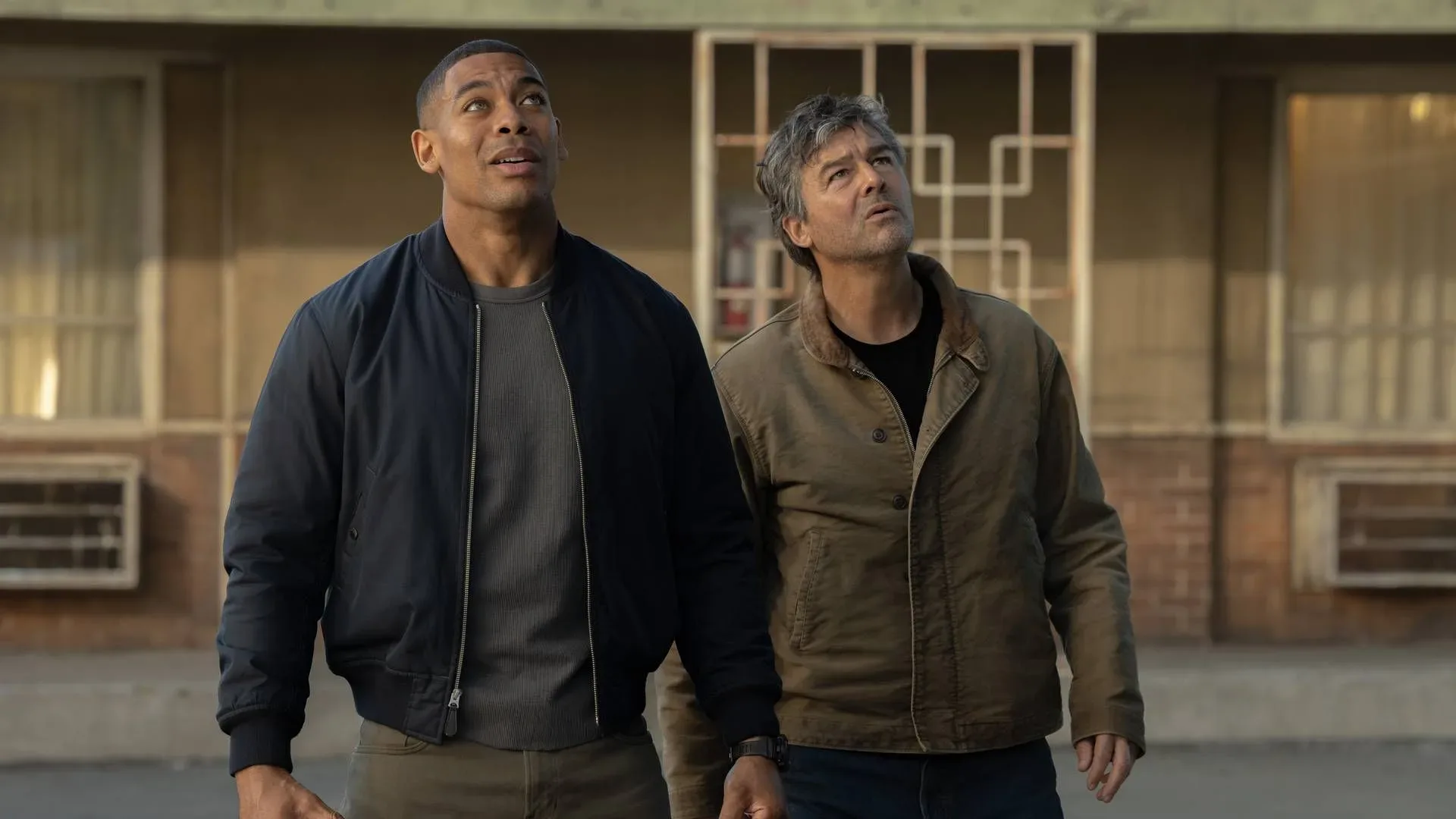
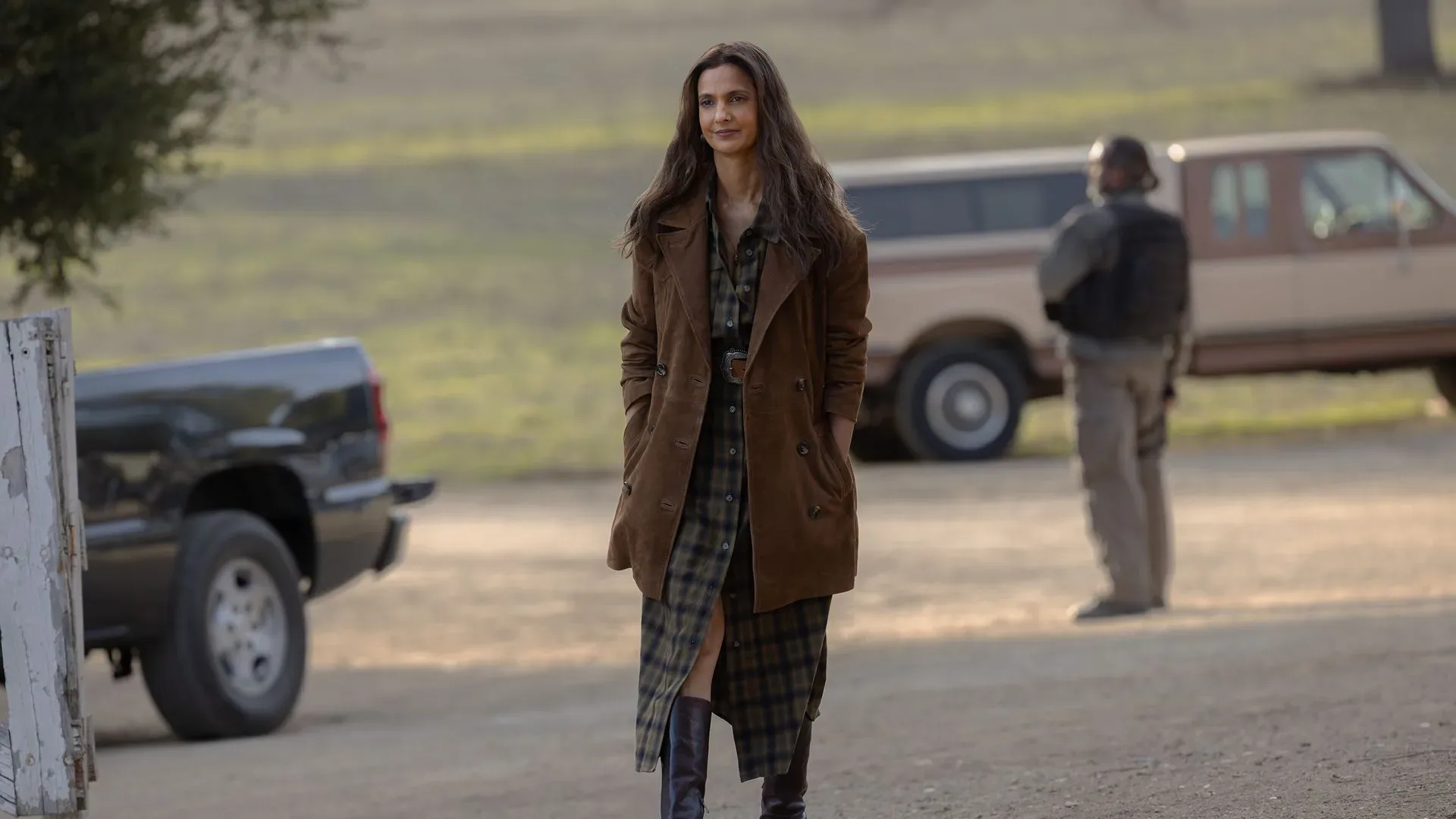
Lanterns has spent its first half asking a deceptively simple question: who is the Manhunter? Episode 4 appears to move Hal Jordan and John Stewart closer to an answer, with both characters openly focusing their suspicion on Zoe Macon. Yet the apparent solution has prompted a second question that may be much more interesting. If Zoe is the alien impostor they have been hunting, does that automatically make her the story’s villain?
A growing viewer theory says no. It proposes that Zoe may indeed be the Manhunter, while also suggesting that her connection to Rushville is protective rather than destructive. In that version of events, the greater danger would be the Guardian, and Zoe’s role could explain a major, emotional mystery that has hung over the series since its opening episode: what really happened to Hal Jordan?
It is an unconfirmed reading rather than an established reveal, and the show has not settled the matter. But it gives several conspicuous details in the series a new potential shape—especially Zoe’s strange behavior, her unusual family, her apparent death, and John’s reaction to a body in episode 1.
Episode 4 makes Zoe the obvious suspect
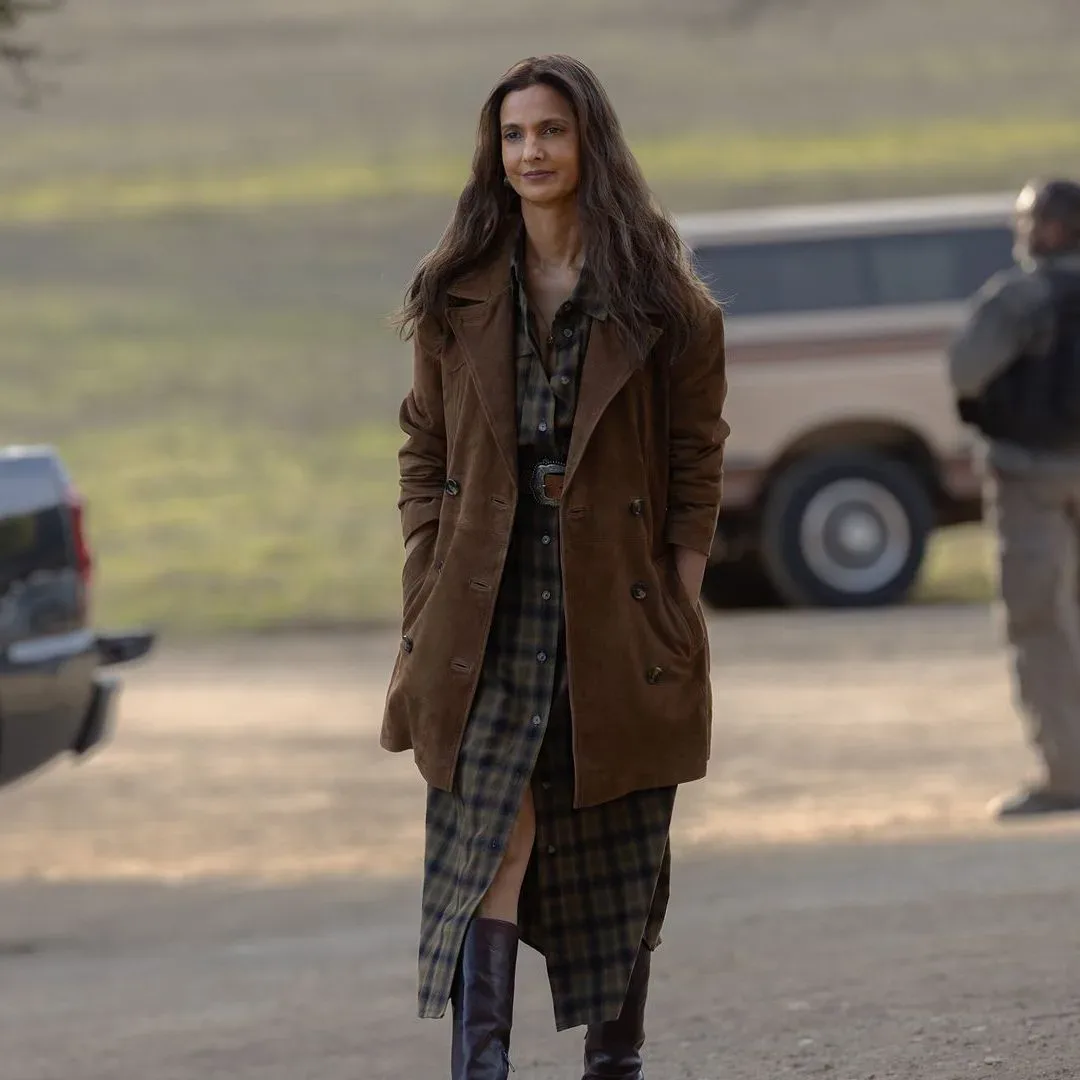
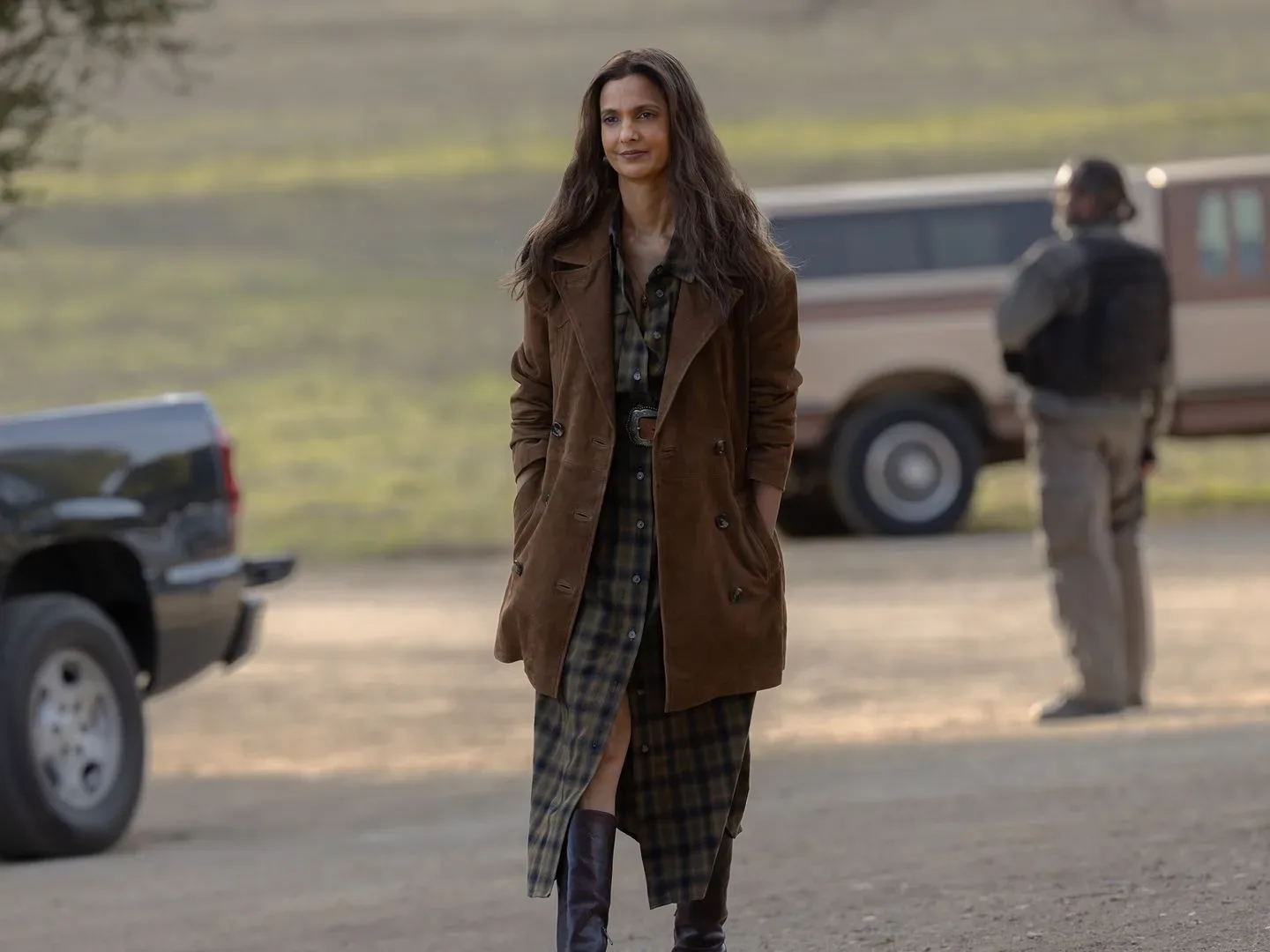
Zoe has carried an air of unease since she arrived in episode 1. The series has repeatedly positioned both her and her family as slightly out of step with the rest of Rushville, creating the kind of sustained discomfort that television mysteries use to steer viewers toward a possible answer without quite confirming it.
Episode 4 turns that implication into direct suspicion. By its ending, Hal and John have identified Zoe as their likely Manhunter. That is a meaningful shift: the characters are no longer merely noticing that something is wrong around her. They are treating her as the probable alien entity at the center of the case.
Her apparent decision to fake her own death only intensifies that conclusion. Taken at face value, it is exactly the sort of evasive maneuver audiences would expect from someone attempting to conceal an inhuman identity. If Zoe can disappear, misdirect those around her, or make others believe she is dead, then the possibility that she can imitate another person becomes much easier to entertain.
Still, “most suspicious” is not the same as “guilty of every bad thing.” Mystery storytelling thrives on that gap. A show can offer an answer that is technically correct while hiding the emotional and moral context needed to understand it. Zoe could be the Manhunter and still be acting against a worse threat.
The theory: a Manhunter who protects Rushville
The central fan idea is that the people of Rushville may be protecting Zoe because she has helped them. Rather than presenting her as an invader preying on the town, this interpretation imagines a figure who has been healing or safeguarding it. That would recast the oddity around Zoe’s family and the town’s possible complicity as a defensive response: residents may know more than Hal and John do, but their silence would be rooted in loyalty or fear of losing a protector.
There is an important distinction in that theory. Zoe would still be an impostor alien, and the investigation’s core suspicion would still be justified. The twist is not that Hal and John are foolish for looking at her. It is that they could be correctly identifying the Manhunter while incorrectly identifying the ultimate enemy.
That is where the Guardian enters the speculation. The theory places the Guardian in the role of the true large-scale antagonist, with Zoe standing between that danger and Rushville. If the show heads in that direction, its early clues may turn out to have been less about finding a monster and more about deciding which extraordinary being the town can trust.
Such a reversal would fit the uncertainty presently built into the series. Zoe’s actions have been unsettling, but unsettling behavior does not conclusively establish malicious intent. A character hiding an impossible identity, escaping scrutiny, or arranging a fake death may be pursuing selfish goals—or may be trying to remain alive long enough to prevent a bigger catastrophe.
Why Hal Jordan’s apparent death matters
The bolder branch of the theory reaches back to the end of episode 1, where John is seen shedding a tear over a body. The initial implication naturally points viewers toward Hal Jordan’s death. But John’s grief has always felt notable because the relationship between John and his former mentor is not one of uncomplicated warmth. There is little suggestion that they are on especially affectionate terms.
That makes the emotional reaction a useful clue. If the body were truly Hal’s, John’s tears might signal that their shared history runs deeper than their visible friction. That remains possible. But the theory offers another explanation: Zoe could take Hal’s form and be killed in his place. John would then be mourning Zoe rather than Hal—or mourning the sacrifice made by someone whose real nature he had begun to understand.
At present, that is speculation built on a sequence of possibilities, not a confirmed plot point. For it to work, Zoe would need the ability to imitate Hal, the death scene would need to be intentionally misleading, and Hal would need to have survived. Episode 4’s emphasis on Zoe as a potential alien impostor makes the first part easier to contemplate, but it does not prove the rest.
Even so, it explains why viewers are revisiting that early scene. The meaning of a mystery-show death can change dramatically once the show establishes that identity itself may be unreliable. A body can answer a question, but it can also be the show’s most effective way of making audiences ask the wrong question.
What a Guardian reveal could change
If the Guardian is eventually revealed as the primary villain, the effect would be larger than simply clearing Zoe’s name. It would reorganize the conflict of Lanterns around competing understandings of protection. Zoe’s connection to Rushville would become evidence of care rather than corruption, while Hal and John would have to confront the possibility that their investigation initially treated an ally as a threat.
It could also give new context to the tension between the two Lanterns. Hal and John may be trained to identify danger, but a case involving concealed identities and a town with its own secrets creates room for mistaken assumptions. Their suspicions toward Zoe may be understandable, even necessary, while still being incomplete.
That kind of development would make the middle of the season especially consequential. Episode 4 has reportedly brought the show to its halfway mark, which is precisely when a mystery often stops simply distributing clues and begins changing the meaning of the clues already on the board. Zoe’s supposed death, the Macon family’s strangeness, the Manhunter investigation, the body from episode 1, and John’s unusual sorrow are now pieces that viewers can assemble in more than one way.
The theory also underlines how carefully audiences are watching character reactions rather than just plot mechanics. John’s tear is a small detail next to the broader alien mystery, but it has become central because it appears emotionally out of proportion to the animosity viewers have seen between John and Hal. Whether that reaction ultimately reflects hidden affection, grief for Zoe, or another explanation entirely remains unresolved.
What viewers should keep in mind after episode 4
For now, the firm takeaway is relatively narrow. Hal Jordan and John Stewart suspect Zoe Macon is the Manhunter. Zoe has behaved strangely since episode 1, her family has attracted attention, and episode 4 includes an apparent faked death that makes her seem even more capable of deception. Those are the on-screen building blocks.
The rest is an intriguing but unverified framework. Zoe may be a protector of Rushville. The town may be helping hide her. The Guardian may be the greater evil. Hal may be alive, with Zoe having taken his appearance and died in his stead. Each possibility depends on developments still to come.
That uncertainty is part of what makes the discussion worthwhile. The best version of this theory does not insist that Zoe is innocent; it argues that innocence may be the wrong measure. She can be secretive, alien, and deeply connected to a troubling mystery while still not being the force audiences should fear most. With the season now at its midpoint, the remaining episodes will determine whether Zoe is the answer to the Manhunter question, the victim of a bigger scheme, or both at once.
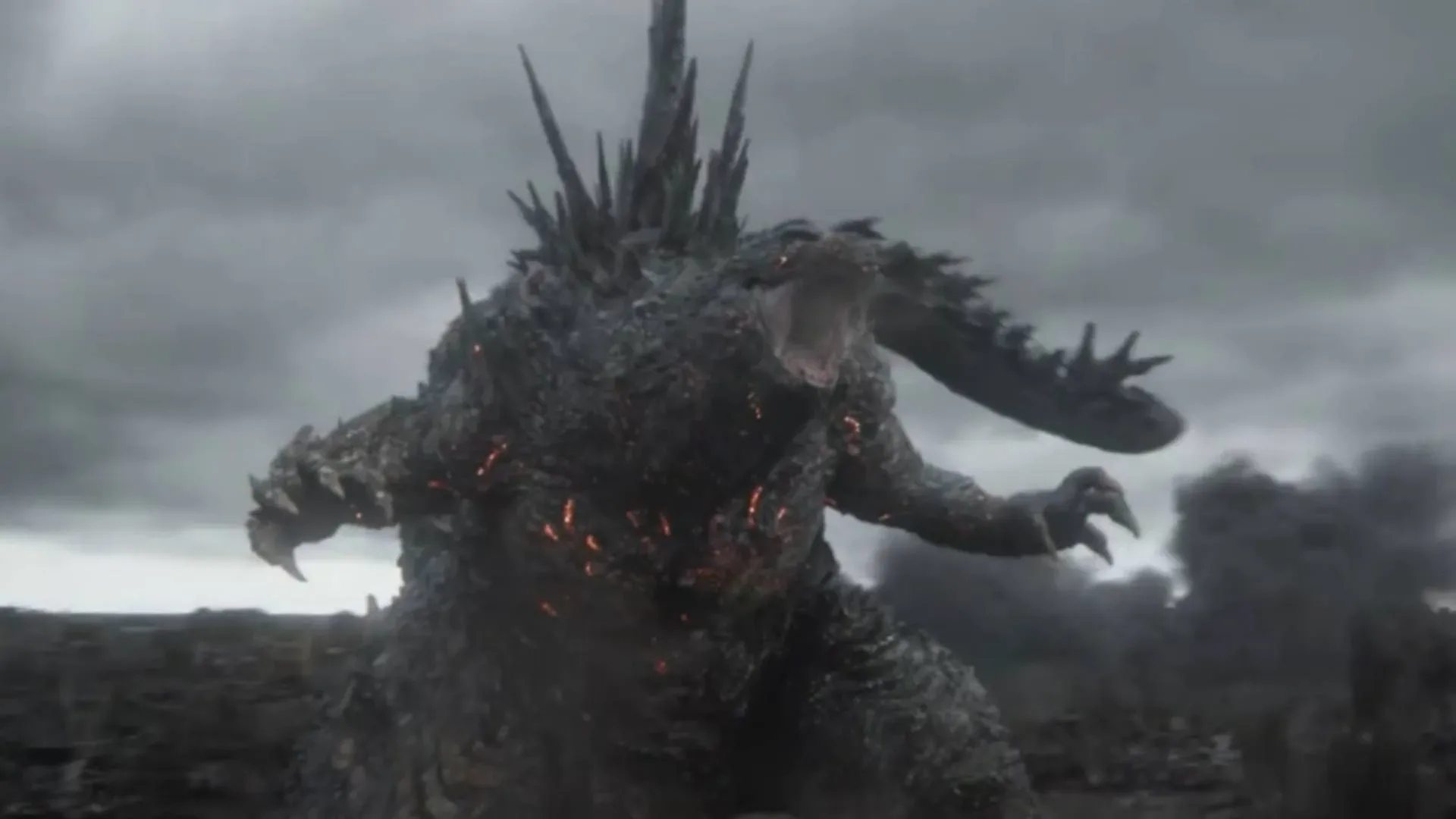
For another recent example of genre storytelling using trailers and mysteries to encourage large-scale audience theorizing, see our coverage of the Godzilla Minus Zero trailer and its looming threat.