Warning: major spoilers for Lanterns episode 5 follow.
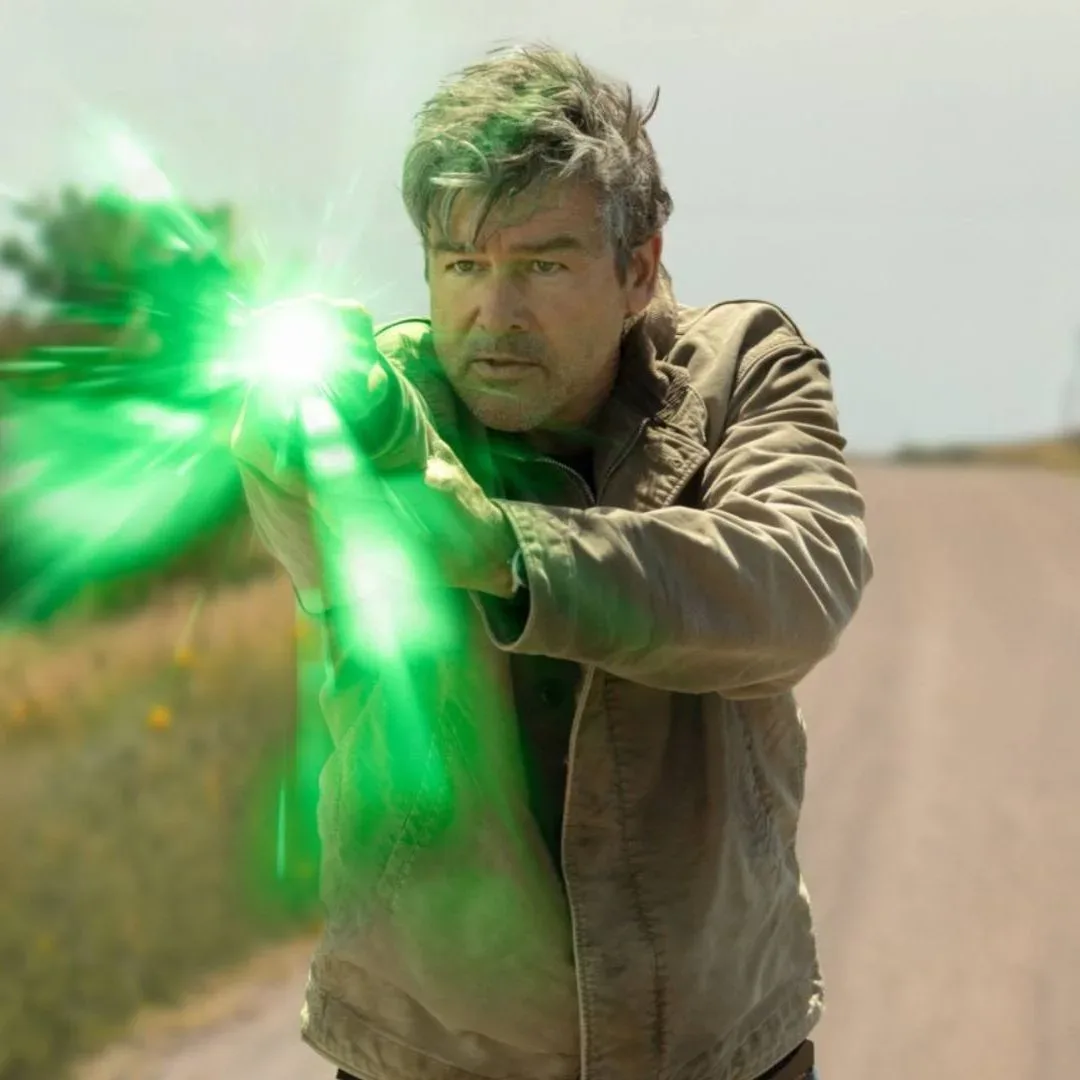
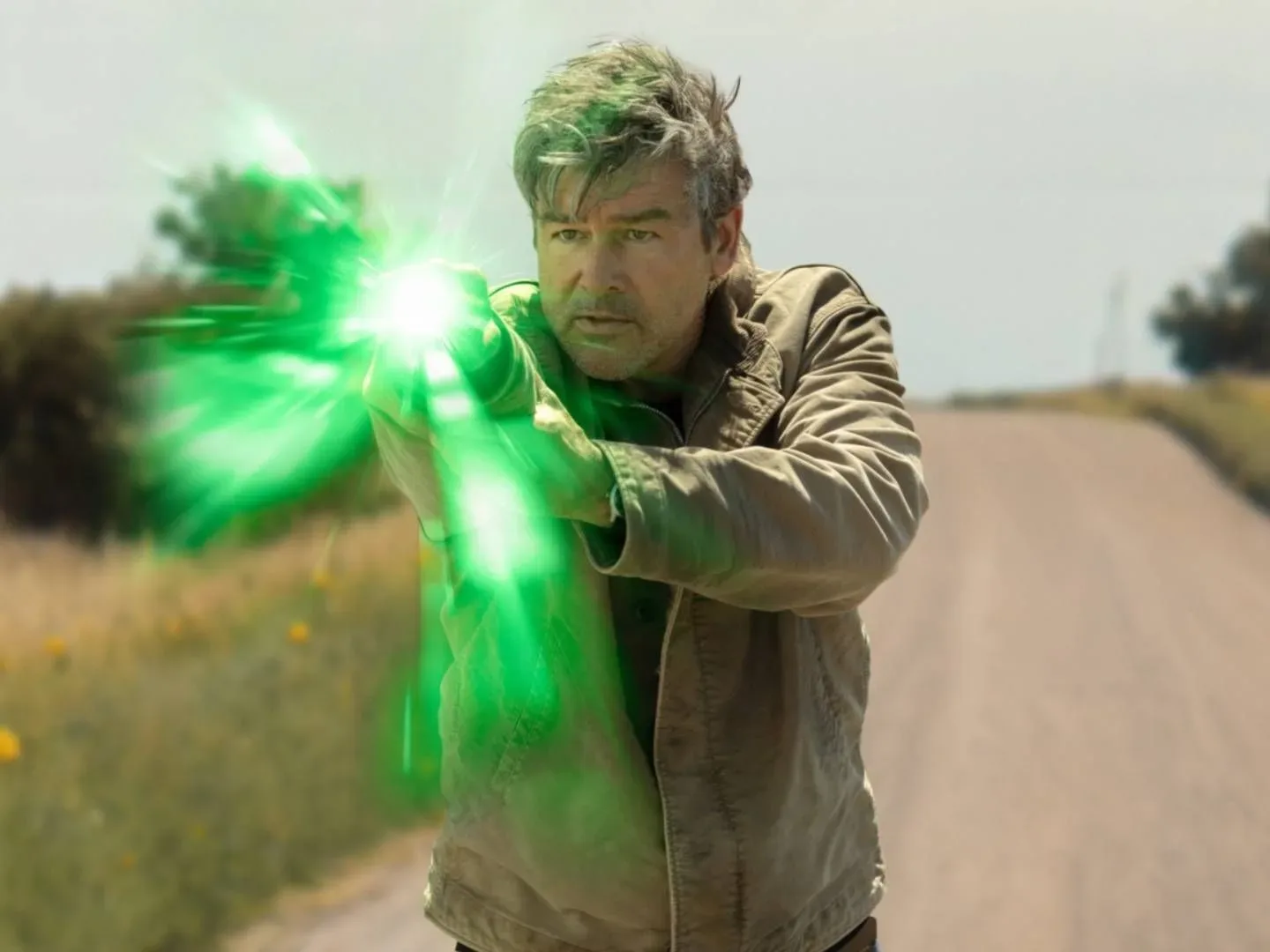
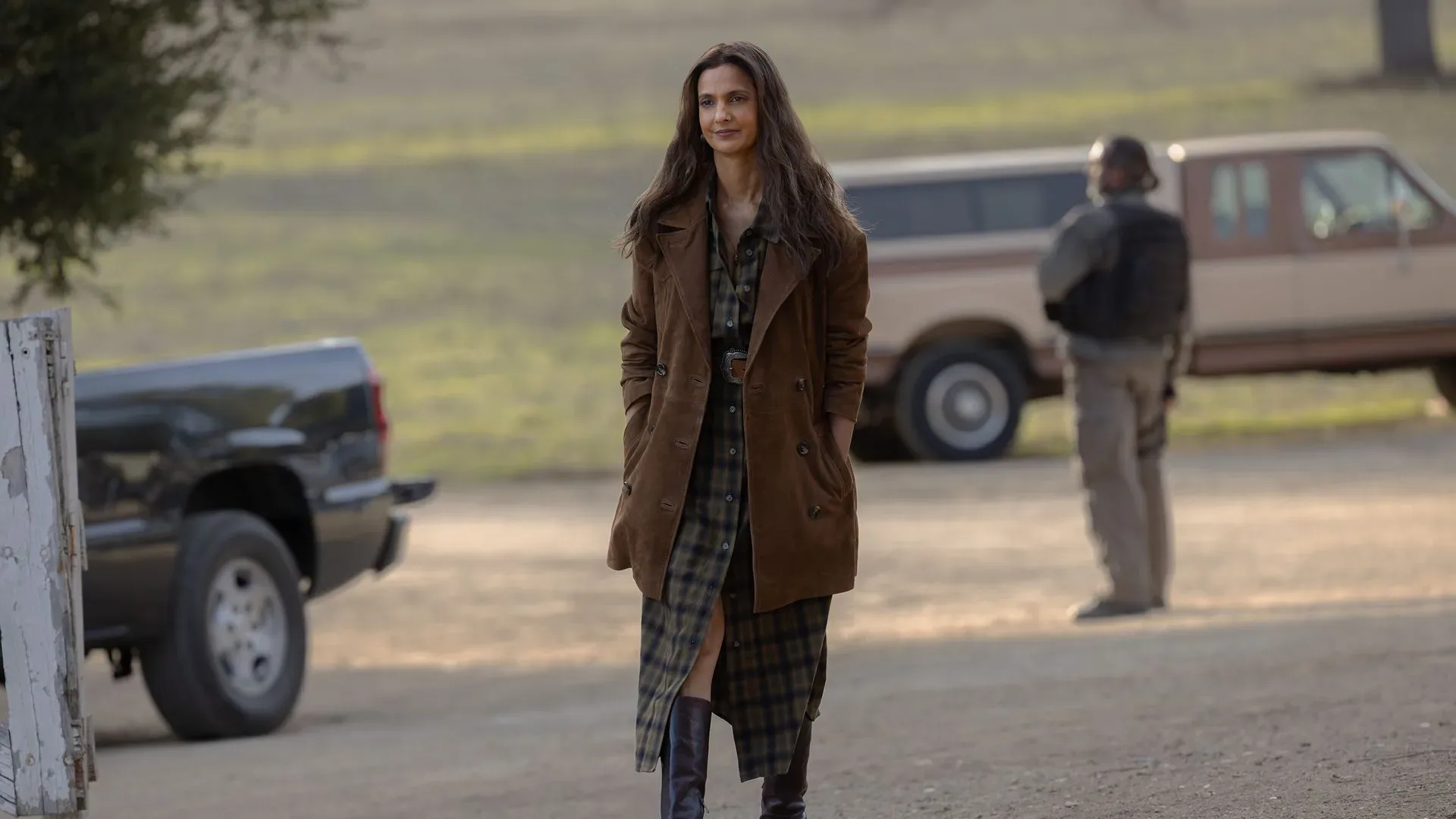
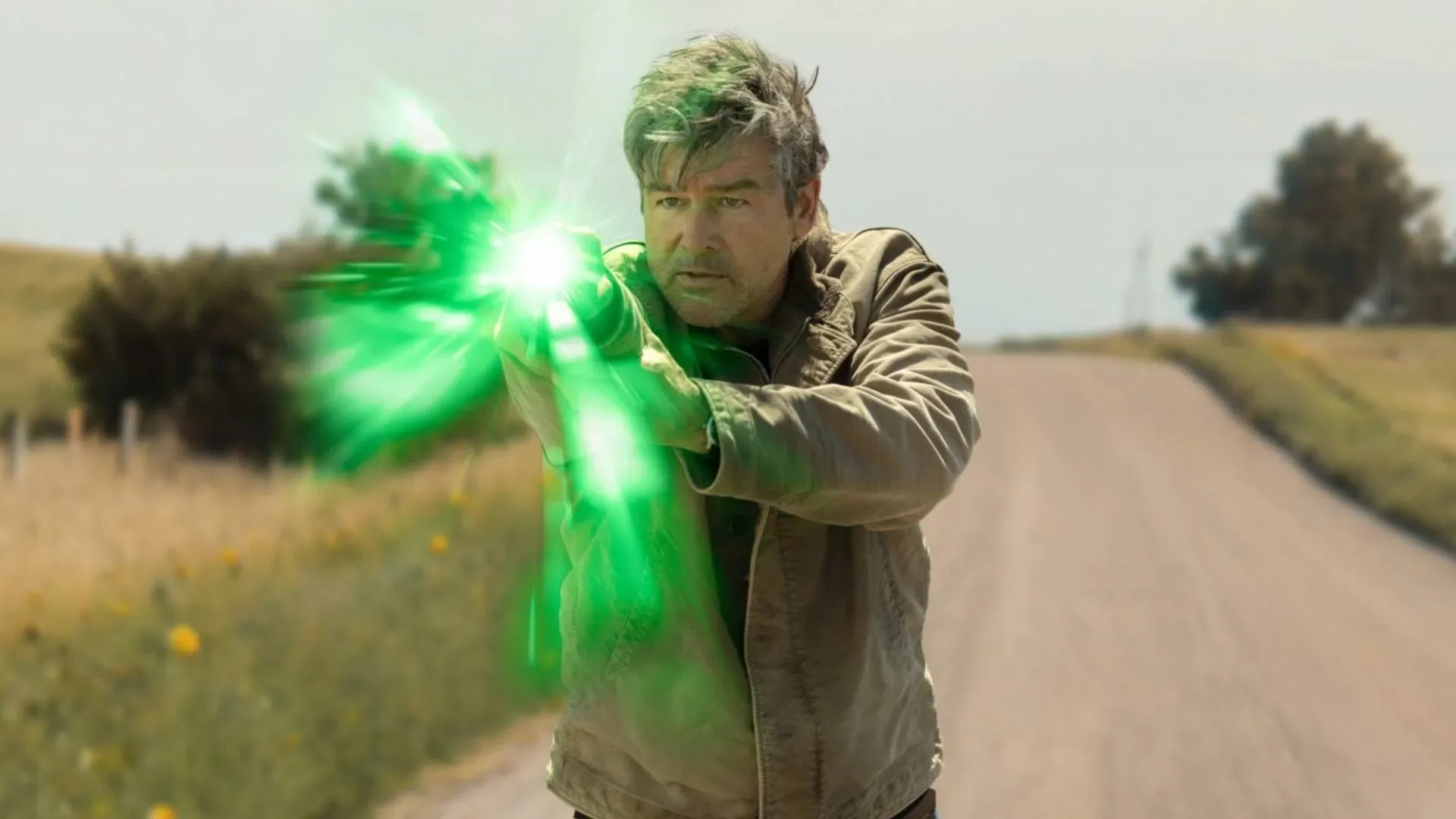
Lanterns has apparently put its central Rushville mystery on the operating table, removed the alien heart, and declared the patient dead. That is a remarkably bold move for episode 5 of a season with three chapters still to run. Zoe Macon is finally confirmed as the Manhunter who has been manipulating events in the town, and John Stewart ends her reign with emphatic finality: he shoots the shapeshifter in the head and removes its heart.
In most genre shows, that would be the cue for a clean pivot into aftermath. The monster is gone. The heroes are wounded, physically and emotionally. Everyone gathers up the evidence, says something grimly poetic, and begins worrying about a larger force in the background. But Rushville’s oddities do not feel neatly resolved. If anything, episode 5 makes the town’s unnatural health, its buried secrets, and Zoe’s relationship with Sheriff Kerry harder to dismiss.
The emerging fan theory is simple enough to fit on a green construct sticky note: Zoe may have made a second Manhunter, and that being may be Kerry’s son, Noah.
It is an unproven theory, not a confirmed reveal. Still, it has enough on-screen building blocks to make it more than random end-of-episode paranoia. And because Noah has been part of the story since the beginning, the idea would turn an already personal conflict into a much nastier dilemma for Hal Jordan, John Stewart, and Kerry herself.
Zoe Macon’s death may not equal the end of the threat
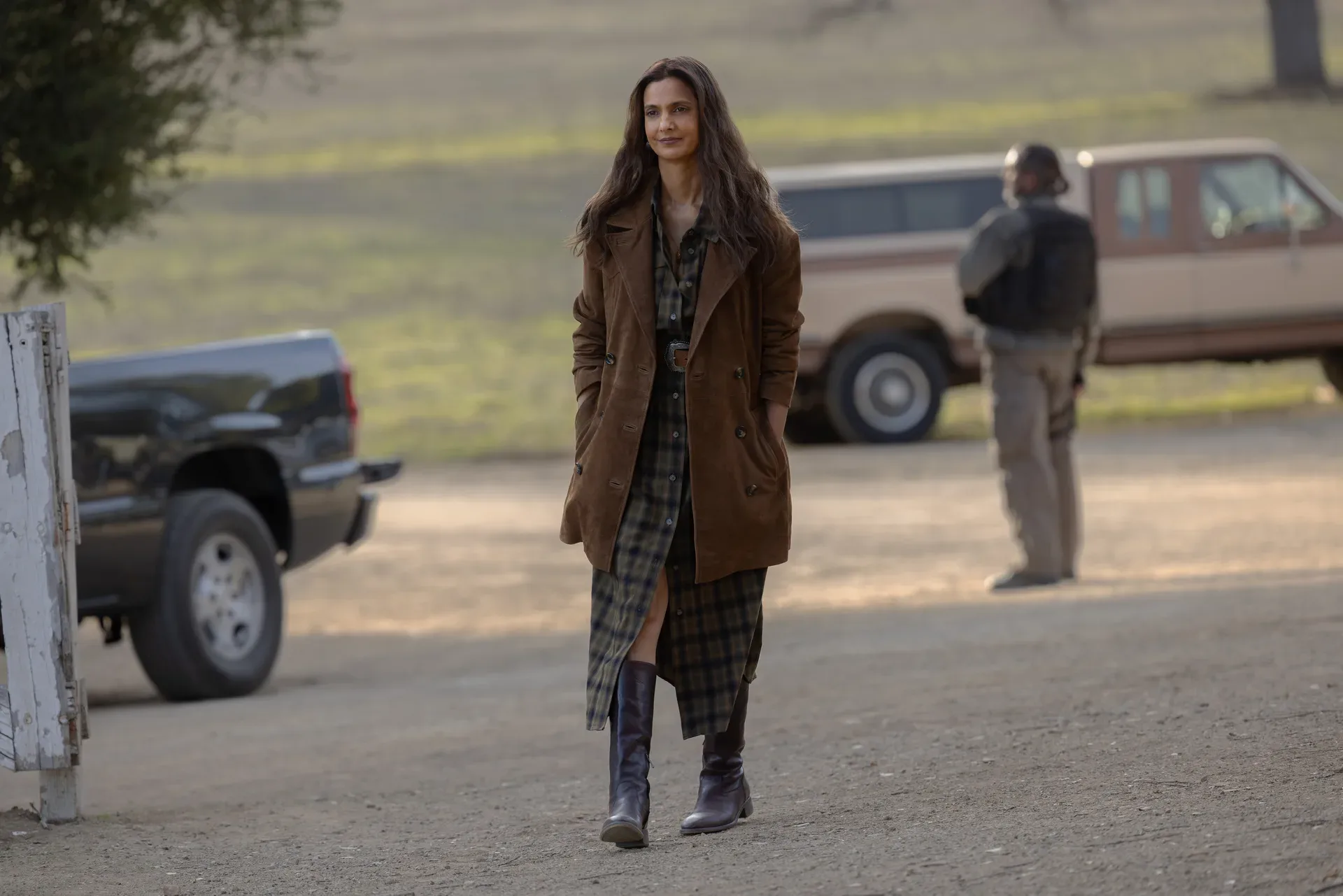
Episode 5 does answer one major question. Zoe Macon is the elusive Manhunter operating in Rushville, rather than merely an accomplice, victim, or civilian caught in an alien conspiracy. Her death is also not especially ambiguous. John’s attack is followed by the removal of the being’s heart, a detail that reads as deliberate proof rather than the sort of comic-book-screen death designed to invite an immediate resurrection theory.
That certainty may be precisely why viewers are looking beyond Zoe. A season rarely spends its final three episodes simply confirming that the lead characters successfully handled their biggest problem at the midpoint. There can absolutely be fallout, conspiracies, and repercussions without another Manhunter in town. Yet the show has taken care to establish that Zoe possessed technology and abilities well beyond infiltration and disguise.
She has been associated with extraordinary medical results: curing cancer, restoring John after he is burned alive by generating a new layer of skin, and seemingly wiping illness out of Rushville. The empty hospital is not just an eerie set detail if the town has become medically abnormal. It suggests that Zoe’s influence has been systemic, intimate, and sustained for years.
Once a character can remake damaged human tissue and erase disease at a town-wide scale, the question naturally changes. If she could repair bodies so radically, could she also create one? The series has not established that she can, so that leap remains speculation. But it is not a leap that ignores what episode 5 has shown.
Why Noah is the obvious suspect
Noah is Sheriff Kerry’s son, the grandson of Zoe, and a consistently conspicuous presence around the show’s larger timeline. The 2026 flash-forward establishes that he is still alive and playing college football. That does not make him alien, of course; it makes him a young person with a future. But in a mystery structured around the identity and legacy of a shapeshifting Manhunter, the emphasis on his place in the family and future can look like setup.
The larger clue comes through Kerry’s own history. Zoe saved her from Gotham gangsters who chased her to Rushville, and Kerry later admits to Hal that she knew Zoe’s true identity. Kerry describes Zoe as having given her a miracle.
There is a grounded reading of that statement. Zoe could have saved Kerry by faking her death, hiding her, and ensuring the gangsters stopped hunting her. That alone would qualify as a miracle to someone who had run out of options. It is a plausible interpretation and, for now, the most responsible one to keep in mind.
But the phrasing also carries another possible meaning. When fertility struggles precede the birth of a child, parents frequently use “miracle” as shorthand for the child’s arrival. If Zoe somehow gave Kerry and Billy their son, then Noah’s origin becomes a central part of the Manhunter plot rather than an adjacent family detail. The theory becomes darker still if “gave” does not mean helped them conceive, but created something that could pass as their child.
That possibility would explain why Zoe’s gifts matter so much. Saving Kerry is an act of protection. Healing a whole town is an assertion of power. Creating Noah, if that is what happened, would be an investment in continuation. Zoe would not just be hiding in Rushville; she would be leaving something behind that could persist after her death.
The 2026 flash-forward gives the theory stakes
The show’s flash-forward has already told viewers that Noah survives into 2026 and plays college football. It has also framed Hal Jordan’s fate as a looming point of concern. A Noah reveal could connect those threads in a cruelly efficient way.
If Hal learns that Noah is a Manhunter, he would have a reason to return to Rushville. But he would not be confronting a faceless enemy or even Zoe, whose inhuman nature has been exposed. He would be dealing with Kerry’s son. Hal’s affection for Kerry would likely make any response slower, conflicted, and vulnerable. In superhero stories, hesitation around a loved one is rarely treated as cowardice; it is treated as humanity. It can also be fatal.
That is why the theory has such narrative bite. Noah being a second Manhunter would not merely provide a replacement villain after Zoe’s death. It would force the series to test what the characters mean when they claim that a threat must be stopped. Can John view Noah as a threat after seeing how far alien intervention can go? Can Kerry accept that the person she raised might not be what she believes? Can Hal separate his feelings for Kerry from the danger Noah may represent?
The show need not make Noah secretly evil for this to work, either. A being created by Zoe could be unaware of its nature, possess a partial identity, or have a purpose that activates only under specific conditions. Those are all hypothetical routes, not revealed plot facts, but each would give the remaining episodes room to explore identity and inherited violence instead of just mounting another monster hunt.
What still argues against the Noah theory
There is a healthy amount of uncertainty here. The evidence is suggestive, not decisive. Noah’s continued presence in 2026 could simply establish that Kerry’s family endured. His football career may be character texture rather than a suspicious marker. “Miracle” can refer to Zoe saving Kerry from the Gotham gangsters, with no hidden reproductive or creation-related implication at all.
Likewise, Zoe’s medical capabilities do not automatically establish an ability to manufacture a Manhunter. Alien healing technology can be incredibly sophisticated without functioning as a life-creation device. The empty hospital may be tied to Rushville’s strange health, but the show has not explicitly drawn every line between that fact and Zoe’s powers.
That uncertainty is part of what makes the theory worth watching rather than declaring solved. Episode 5 delivers a massive answer, but it also leaves a careful scatter of questions behind it. A viewer can reasonably see Noah as the next big danger, or see the clues as emotional context for Kerry and a reminder of just how much Zoe changed the town.
Three episodes, and a very uncomfortable family secret
Whatever Noah ultimately is, Zoe’s confirmed identity transforms the remaining season. Kerry is no longer merely a sheriff caught between two Lanterns and a local catastrophe; she knowingly lived alongside the Manhunter and accepted what Zoe did for her. John has seen firsthand what alien technology can do to a body. Hal’s personal connection to Kerry now carries more weight than ever.
That shift toward character pressure is one reason the speculation feels credible. A second Manhunter hidden within Kerry’s family would keep the conflict rooted in Rushville while escalating its emotional cost. It would also reframe Zoe’s death as the closing of one chapter rather than the removal of every danger she planted.
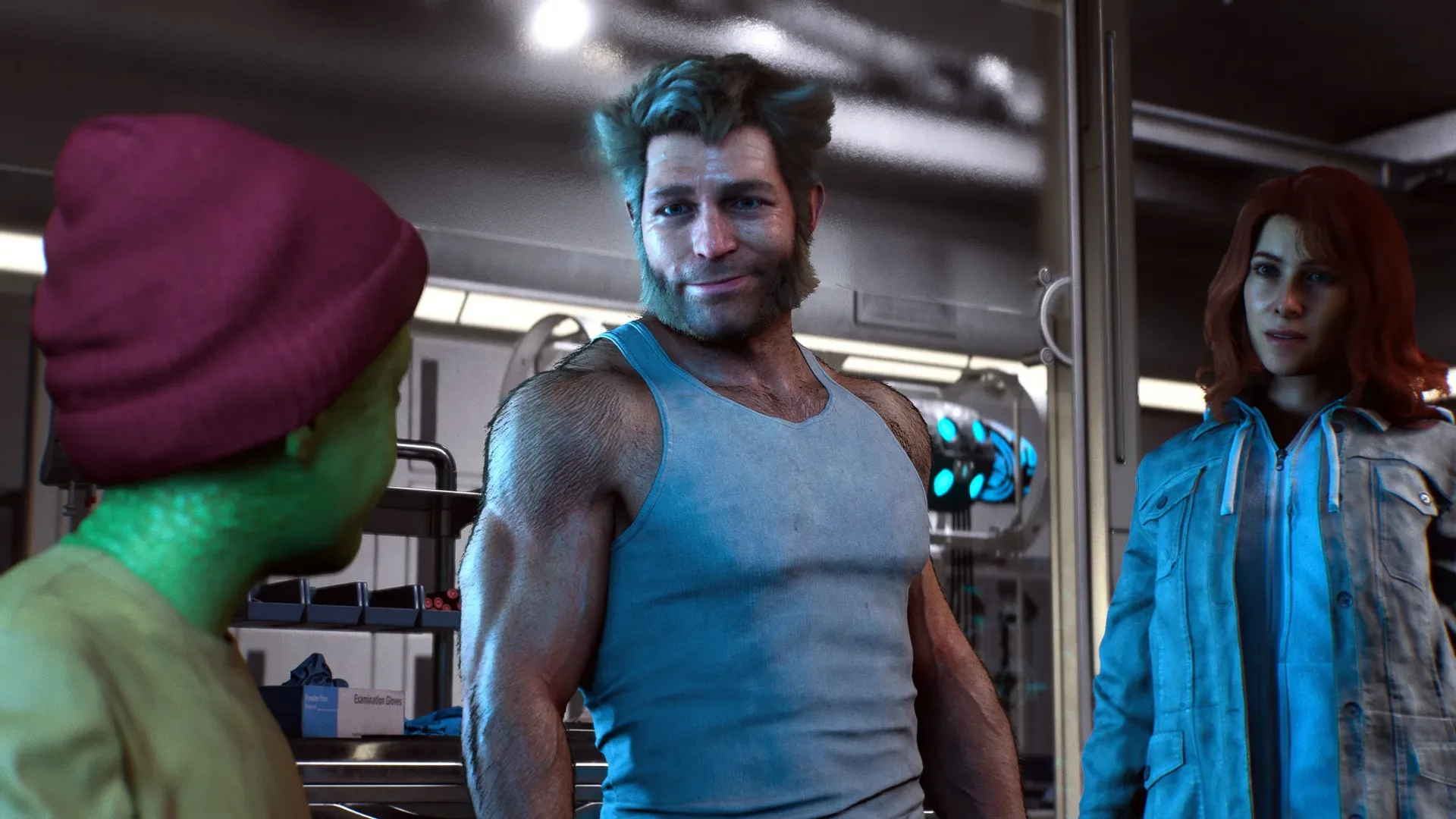
Superhero adaptations often work best when enormous powers sharpen personal choices instead of replacing them. The same tension can be seen in projects such as Marvel’s Wolverine, where physical damage is being positioned as part of the combat narrative. In Lanterns, the damage is potentially more intimate: a town “fixed” by a creature, a sheriff indebted to it, and a son whose very existence may be tied to it.
For now, Zoe Macon is definitively dead and Noah is only a compelling suspect. But with three episodes left, Rushville has not earned the right to be considered safe just because one Manhunter lost her heart. If the show has been hiding another one in plain sight, episode 5 may be remembered not as the resolution of its mystery, but as the moment it quietly changed targets.
Lanterns is available on HBO Max in the US and UK, with Sky/NOW carrying it in the UK.