Star Wars spoilers follow for Return of the Jedi and The Rise of Skywalker.
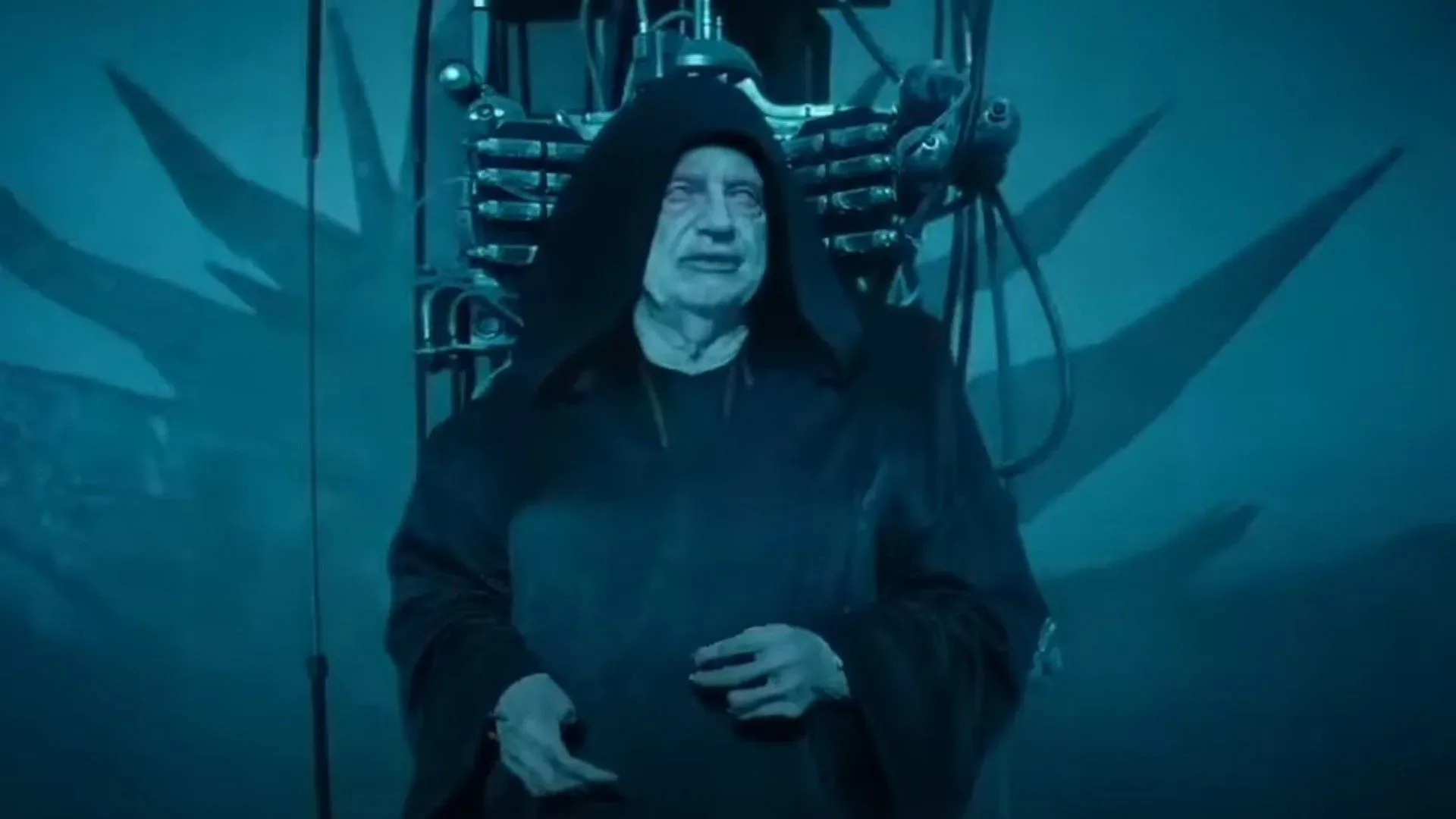
Few plot turns in Star Wars invite as much retrospective scrutiny as Emperor Palpatine’s return in The Rise of Skywalker. The film establishes that Palpatine had a contingency involving a clone body on Exegol, an idea that inevitably sends viewers back to the Death Star II throne room in Return of the Jedi. If the Emperor had a route back from death, was he ever genuinely afraid when Luke Skywalker stood over him with a lightsaber?
One fan reading says no—or, at least, not in the usual sense. The argument is that Palpatine’s invitation for Luke to strike him down may have been unusually literal. If Luke killed him in anger, Luke would take a decisive step toward the dark side. And if Palpatine’s death did not necessarily mean permanent extinction, the Emperor could consider that outcome an acceptable price for corrupting a powerful new apprentice.
It is a tidy attempt to connect two films made decades apart. It also produces a sharper interpretation of Darth Vader’s final choice: Vader is not merely stopping Luke from murdering the Emperor, nor only ending the torture of his son. He is preventing Luke from completing the exact moral collapse Palpatine has spent the scene engineering.
The theory: death as a calculated risk
The central evidence is Palpatine’s behavior during the confrontation. The Emperor urges Luke to use his anger. After Luke defeats Vader, Palpatine pushes him to kill his father and claim his place at the Emperor’s side. When Luke turns his blade toward Palpatine, the Emperor does not attempt an obvious physical escape.
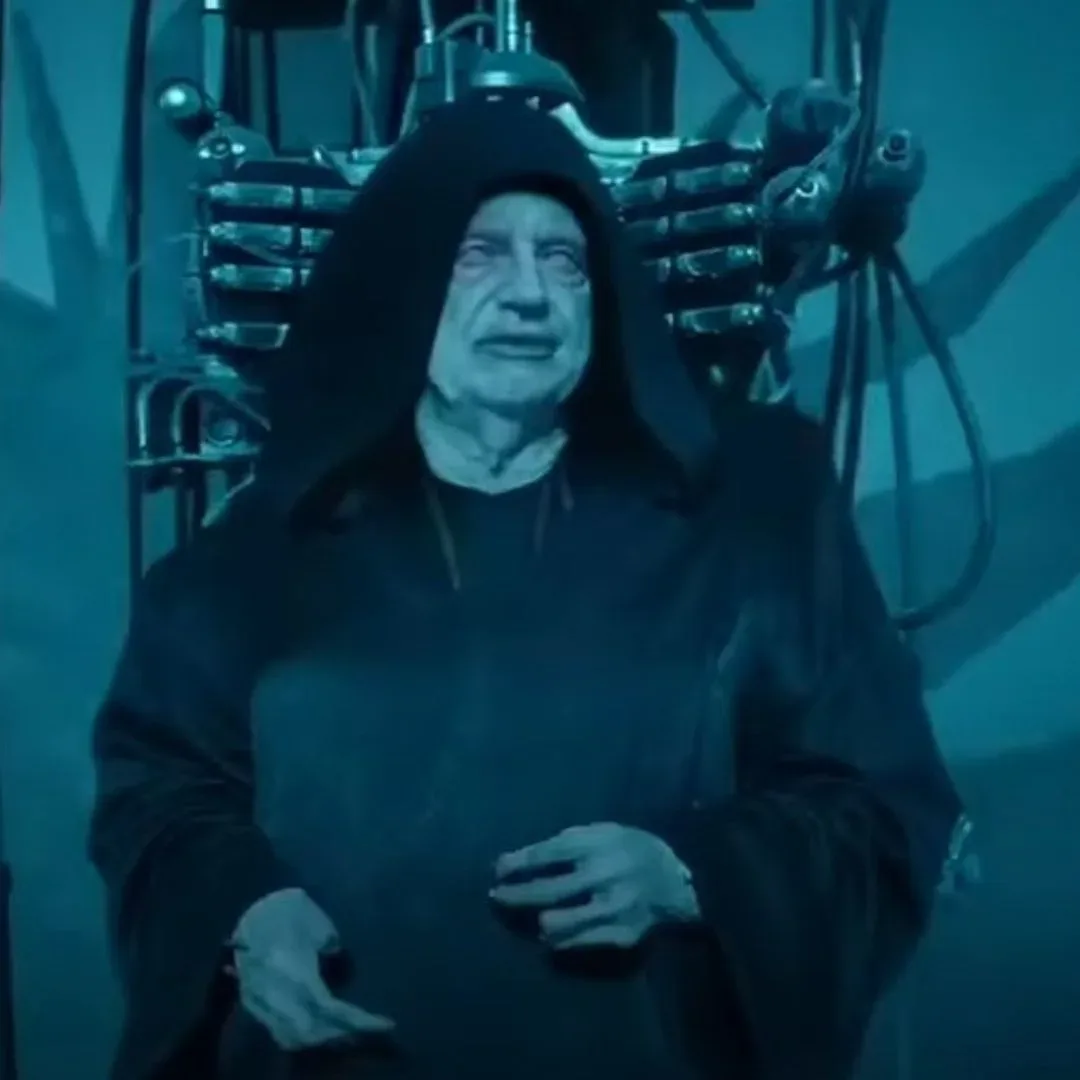
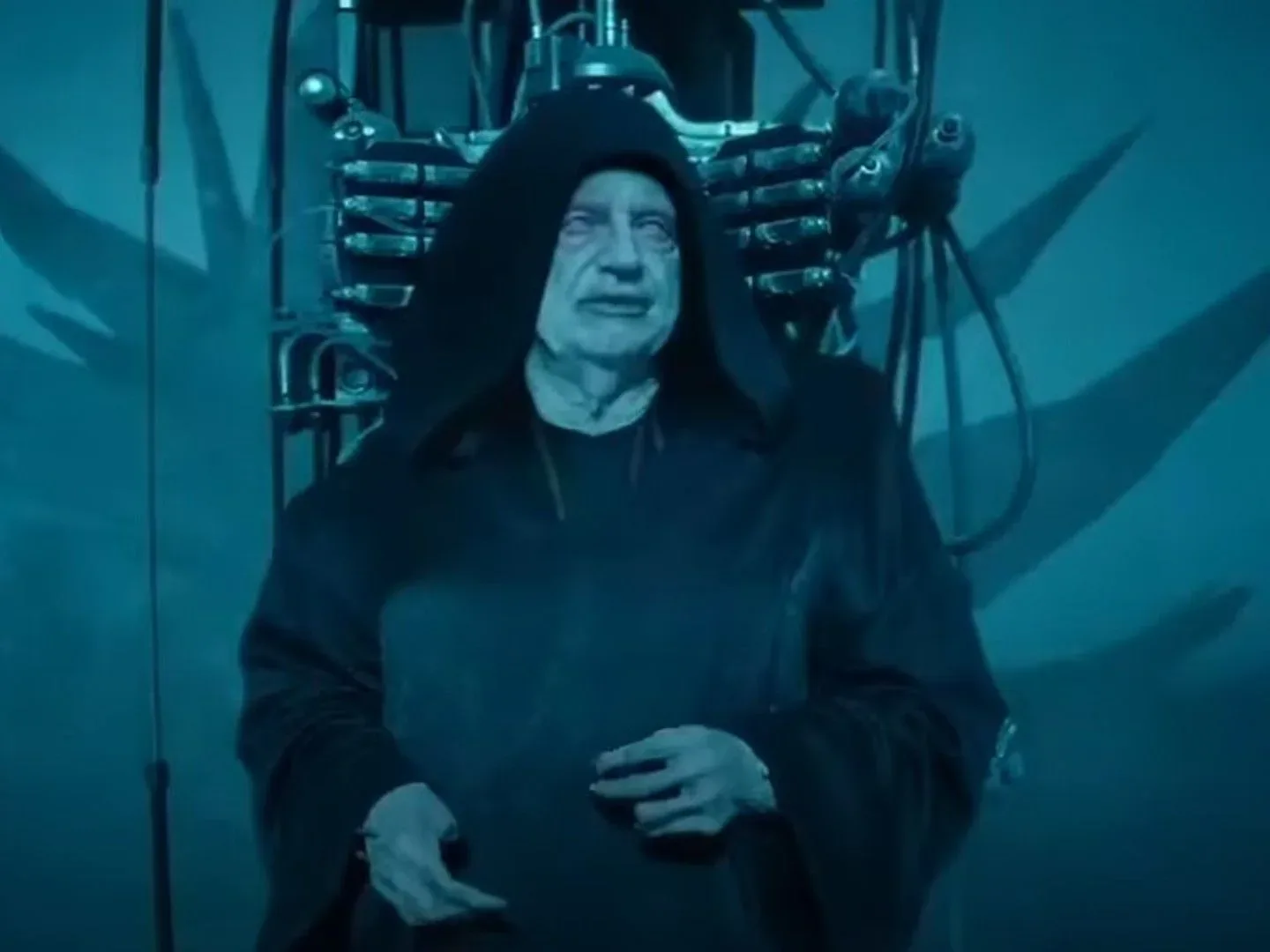
Viewed through the later Exegol revelation, that lack of visible self-preservation can look different. The Rise of Skywalker reveals that Palpatine had planned for survival through a clone of himself. In plain terms, a contingency is a fallback plan designed for a bad outcome; in this case, it is a means by which Palpatine could persist even if his existing body died. The fan theory proposes that such a safeguard lowered the stakes of the moment for him.
Under that reading, Palpatine does not need Luke’s strike to be harmless. He only needs it to be strategically useful. Luke killing an apparently helpless enemy in rage would validate the Emperor’s claim that the young Jedi is vulnerable to the dark side. It could also separate Luke from the values he has been trying to uphold throughout the film.
That is why the theory has appeal even for viewers who do not regard every detail as preplanned. It gives the Emperor’s provocation a particularly vicious shape. He is tempting Luke with an action that may ruin Luke regardless of whether the Emperor’s body survives it.
Why Vader’s intervention gains another layer
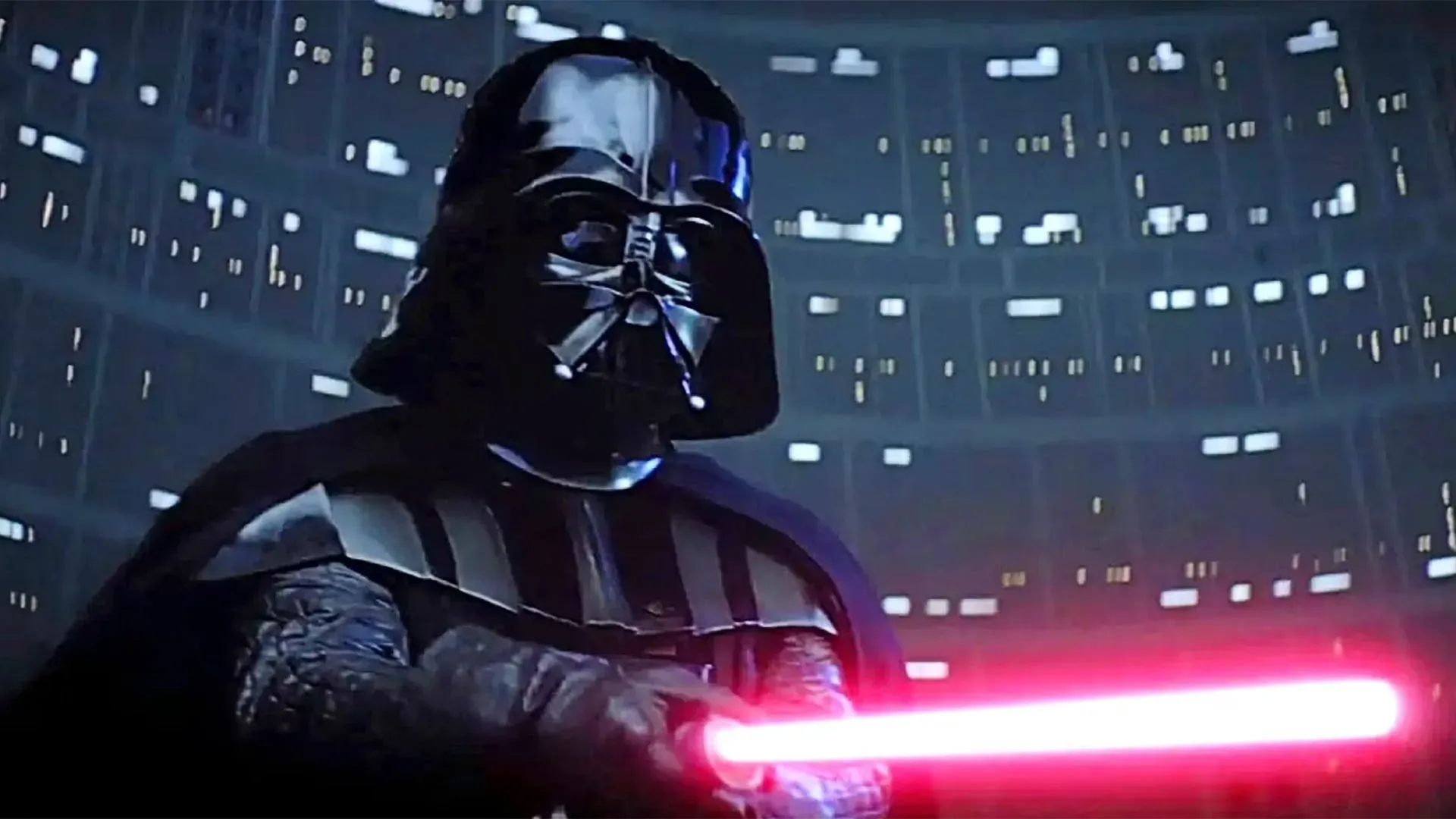
At the emotional center of Return of the Jedi, Vader turns against Palpatine after watching the Emperor attack Luke with Force lightning. The scene already works without any cloning explanation: a father refuses to let his son die, reclaiming the identity of Anakin Skywalker in the process.
The Exegol interpretation does not replace that reading. It adds a possible second danger. If Palpatine truly welcomed Luke’s fatal blow because it would pull him into darkness, then Vader’s intervention also stops Luke from making the choice the Emperor wants most. Vader saves Luke’s life, but he may also save Luke from becoming Palpatine’s successor through an act of murder.
That distinction matters because Palpatine is not simply seeking violence. He is trying to turn violence into a commitment. His plan has two moving parts: set father and son against each other, then take the survivor as an apprentice. Luke’s refusal to kill Vader is therefore the crucial defeat of Palpatine’s immediate strategy. The Emperor’s lightning attack is what forces Vader to act, but Luke’s earlier mercy has already denied Palpatine the clean victory he expected.
The strongest objection: Palpatine acts overconfident, not prepared
Other fans reject the idea that the Emperor intended, or was willing, to die on the Death Star. Their case is straightforward: Palpatine wanted Luke alive and corrupted, not dead and temporarily displaced. His larger plan in the throne room depended on turning Luke into a replacement for Vader after the Rebel fleet was crushed.
This reading puts special weight on Luke’s warning: “Your overconfidence is your weakness.” Palpatine believes the battle outside is won, Vader is beaten, and Luke is on the edge of surrendering to anger. He is not calmly sacrificing a body as part of a layered scheme. He is convinced that he has already achieved total control.
There is also the plainly human—or at least dramatically clear—problem of Palpatine’s reaction when Vader throws him down the Death Star shaft. The Emperor cries out as he falls. For skeptics, that does not resemble the response of a figure whose preferred scenario is unfolding. A backup plan is not the same thing as a desired plan, and possessing a possible return route does not prove Palpatine wanted to use it.
That distinction is useful. A contingency can explain why a villain might survive a defeat; it cannot automatically establish that the villain foresaw, welcomed, or orchestrated that defeat. Palpatine can have preparations connected to Exegol while still being blindsided by Vader’s betrayal.
What the films clearly support—and what remains interpretation
The films support several firm points. Palpatine tries to turn Luke toward the dark side in Return of the Jedi. He seeks to place Luke in the role of apprentice, with Vader as the obstacle to be removed. Vader ultimately intervenes to save Luke. Much later, The Rise of Skywalker reveals a cloning-based path connected to Palpatine’s return and Exegol.
The leap between those points is where interpretation begins. Nothing in the described throne-room exchange directly confirms that Palpatine was expecting death on the Death Star, or that he regarded Luke killing him as the ideal route to corruption. Equally, the later revelation makes it reasonable for viewers to ask whether Palpatine’s fear of death was different from that of an ordinary villain.
There is a middle position, too. Palpatine may not have intended to fall, yet the existence of a contingency could make him more reckless. His confidence could be both a personality flaw and the product of a ruler who has attempted to build safeguards against failure. That reading preserves the force of Luke’s observation while allowing the Exegol plotline to add texture rather than rewrite every beat of the earlier film.
Why the disagreement endures
This is ultimately a debate about continuity: whether later story information should be used to reinterpret an earlier scene, and how much intent audiences should assign to a character when the later information was not explicitly stated in that original moment. Star Wars is especially suited to this kind of discussion because its central conflicts return repeatedly to legacy, identity, resurrection and the struggle between predetermined outcomes and personal choice.
For supporters of the theory, Palpatine’s clone contingency makes his invitation to Luke more sinister and gives Vader’s sacrifice an additional moral dimension. For opponents, it risks softening one of the original trilogy’s cleanest dramatic ideas: the Emperor loses because he is arrogant enough to believe love, loyalty and self-sacrifice no longer matter.
Neither view changes the scene’s essential outcome. Luke refuses to become what Palpatine wants. Vader chooses his son over his master. Palpatine’s power collapses because he cannot account for that choice. The Exegol angle can make the Emperor seem more prepared for disaster, but it does not erase the fact that his plan on the Death Star fails.
Star Wars’ next screen chapter is Ahsoka season 2, scheduled to arrive on Disney Plus on January 20. For more genre-screen discussion beyond the galaxy far, far away, see our coverage of Animation Is Film’s 2026 lineup.