Animation Is Film will return to Hollywood for its ninth edition from October 16 through 19, 2026, with its principal programming set for TCL Chinese 6 Theaters. The festival’s newly detailed lineup combines feature competition, theatrical showcases, filmmaker conversations, retrospective screenings, studio presentations and works-in-progress—a format that makes room for both finished films and a look at how forthcoming animation is being developed.
The opening attraction is a notable first for the event: the world-first theatrical presentation of the first two episodes of Knights of Guinevere, Dana Terrace’s series. Rather than opening with a conventional feature film, the festival is putting episodic animation on a cinema screen. It is a programming choice that recognizes the increasingly porous line between animation made for serialized viewing and animation that benefits from a communal theatrical debut.
Knights of Guinevere will launch the festival
The presentation of Knights of Guinevere marks Terrace’s return to showrunning and gives attendees an opportunity to see the opening episodes in a theatrical setting before the rest of the festival’s screenings begin. Festival director Matt Kaszanek characterized the event as a special big-screen presentation and emphasized Terrace’s standing as a creator behind a widely loved animated series of the past decade.
“World-first theatrical premiere” is a specific distinction. It means the first two episodes are being introduced in a movie-theater environment for this event; it does not by itself establish a broader release plan, a streaming date, episode count, or platform availability. For fans, the practical takeaway is straightforward: this is an event screening of the opening pair, not an announced full-series release.
That distinction matters in animation coverage, where terms such as premiere, screening and release are sometimes treated as interchangeable. A premiere concerns the first public presentation. A release is the wider availability of a title to audiences. The announced program confirms the former for these two episodes, while leaving the latter outside the information currently available.
International feature competition forms the core program
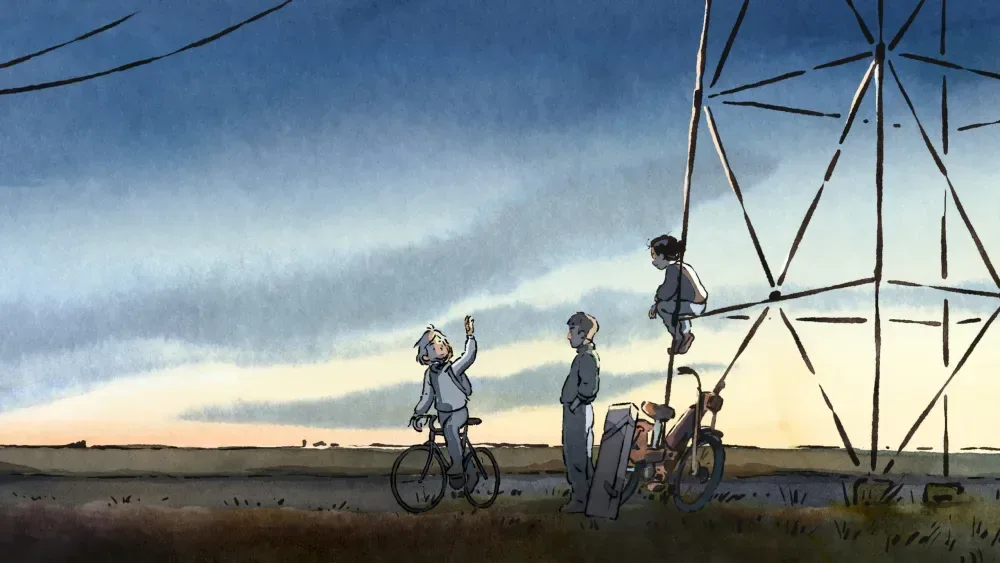
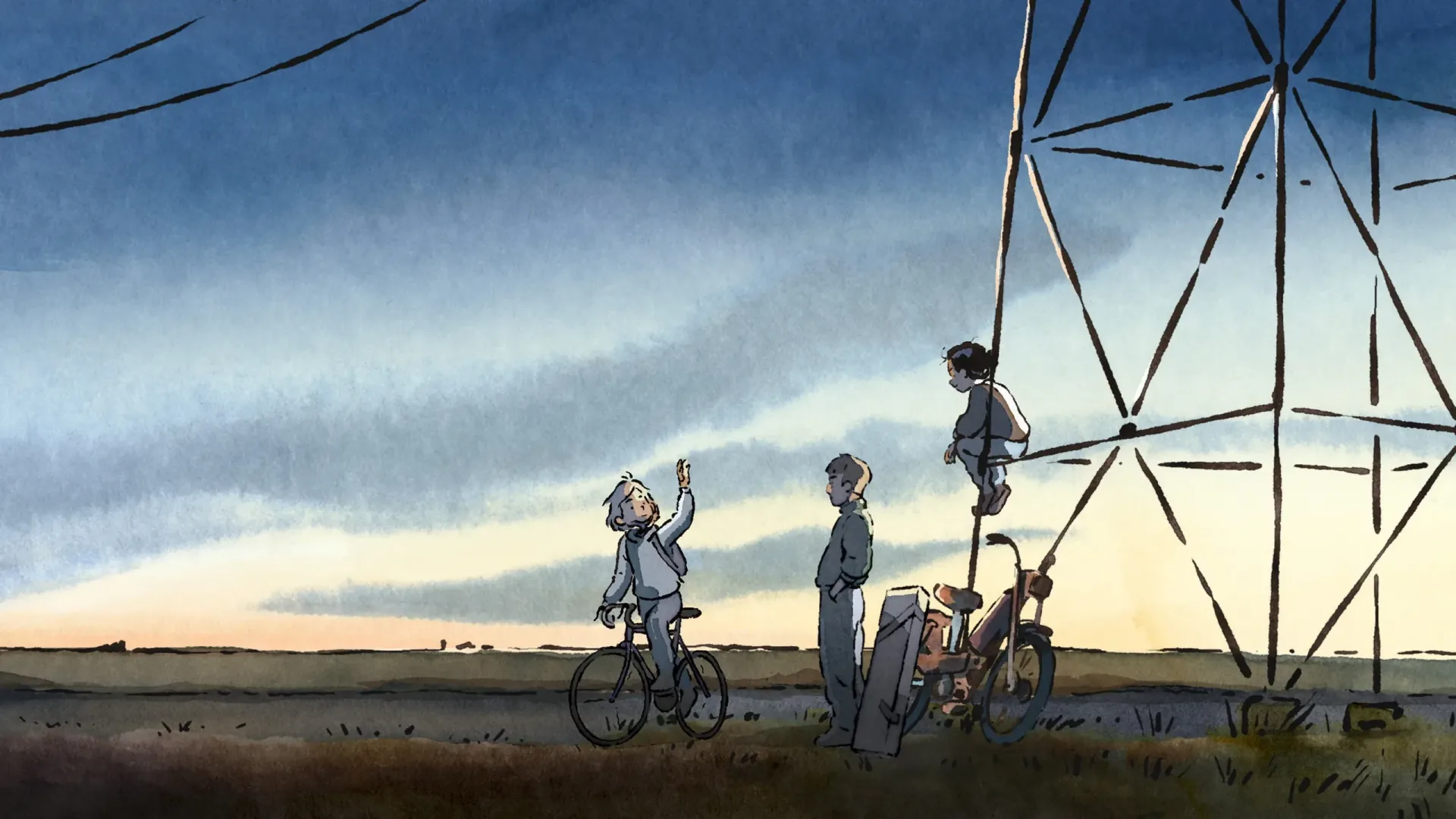
The competition slate brings together filmmakers from several countries and styles. Confirmed titles include Leah Nelson’s Tangles, Louis Clichy’s Iron Boy, and Ervin Han and Raúl García’s The Violinist. The lineup also includes Masanao Kawajiri’s Cherry and Virgin, Shingo Natsume’s Ghost – End of Night, Nicolas Athané and Marco Nguyen’s Jim Queen, Sébastien Laudenbach’s Viva Carmen!, and Louise Bagnall’s Julián.
Also competing is O filho da Puta (Son of a Bitch), credited to Otto Guerra, Érica Maradona, Tânia Anaya and Sávio Leite. The English parenthetical makes the title easier for non-Portuguese-speaking attendees to identify, while the original title remains part of the official listing.
A competition program is more than a convenient label for a group of films. At a festival, it denotes a formally selected slate whose entries are being considered within the event’s awards structure. The announced titles are therefore central to the festival’s identity, even as special screenings and studio showcases will draw attention for different reasons.
The programming also reflects an international mandate articulated by Mickael Marin, CEO of CITIA, who described the Los Angeles event as an extension of the journey for films and creators recognized at Annecy. His comments frame the festival as a meeting place for work that has already reached animation-focused audiences and is continuing toward new ones.
Studio presentations and works-in-progress add a different kind of access
Finished films will not be the only reason to attend. The festival is also planning studio presentations, retrospectives, filmmaker talks and works-in-progress. Each format serves a different purpose, and the difference is worth keeping in mind when reading the schedule.
- Studio presentation: a showcase centered on a studio’s project or slate, often focused on creative process and forthcoming work rather than a complete public screening.
- Works-in-progress: material still in development. It can offer an early view of a project, but it should not be understood as the final version of the film or series.
- Retrospective screening: a presentation that looks back at an established work, filmmaker or period rather than debuting a new title.
- Filmmaker talk: a discussion that can provide context about artistic choices and production, supplementing the screening itself.
Among the announced items is a behind-the-scenes presentation for Walt Disney Animation’s upcoming Hexed. Because it is described as behind-the-scenes material, audiences should not assume that the festival will screen the completed film. The value of such a session lies in its production perspective: the event is positioning it as an opportunity to look at the work behind an upcoming animated project.
The program also names a theatrical presentation connected to Paramount’s Avatar Aang: The Last Airbender, a presentation of Yoshiaki’s Vampire Hunter D: Bloodlust, and a look at Matt Braly’s Clara and the Below. The announced wording establishes these projects as part of the festival but does not specify additional details such as their running order, format, guests or whether every item is a complete screening. Attendees interested in one particular program should check the event’s schedule and ticketing information before making plans.
For pop-culture audiences, the combination is a reminder that animation events are not limited to one type of fandom. New series, original films, studio projects and legacy titles can share space on the same calendar. That broader overlap is also visible around other adaptation-driven conversations, including the attention around a possible Zelda movie trailer.
What the 2026 program means for attendees
Animation Is Film’s lineup is built around choice rather than a single headline event. Someone drawn primarily to the feature competition can focus on the international slate. Viewers following Terrace can make the opening presentation of Knights of Guinevere their priority. Animation students and process-minded fans may find the studio, talk and work-in-progress sessions especially useful, since those formats can explain the creative labor that a finished screen image tends to conceal.
The theatrical context remains important across all of those routes. Animation is frequently encountered on home screens, where pauses, notifications and individual viewing routines shape the experience. A cinema presentation changes that equation: a shared audience encounters the timing, sound and imagery together. That does not automatically make a screening definitive, but it does make a festival premiere or showcase a distinct event from ordinary at-home availability.
At the same time, the announcement does not provide a complete program grid, ticket prices, session times or a list of participating speakers. It confirms that tickets are available now through the festival’s official website, but prospective attendees should avoid assuming that admission to one presentation guarantees access to every element. Festival schedules often separate screenings, talks and special events into distinct sessions.
The ninth Animation Is Film edition will take place October 16-19 at TCL Chinese 6 Theaters in Hollywood, California. Its mix of the first theatrical presentation of Knights of Guinevere episodes, a broad international competition slate, and presentations involving Hexed, Avatar Aang: The Last Airbender, Vampire Hunter D: Bloodlust and Clara and the Below gives the weekend a deliberately wide view of the medium: completed films, ongoing series, earlier work and projects still taking shape.