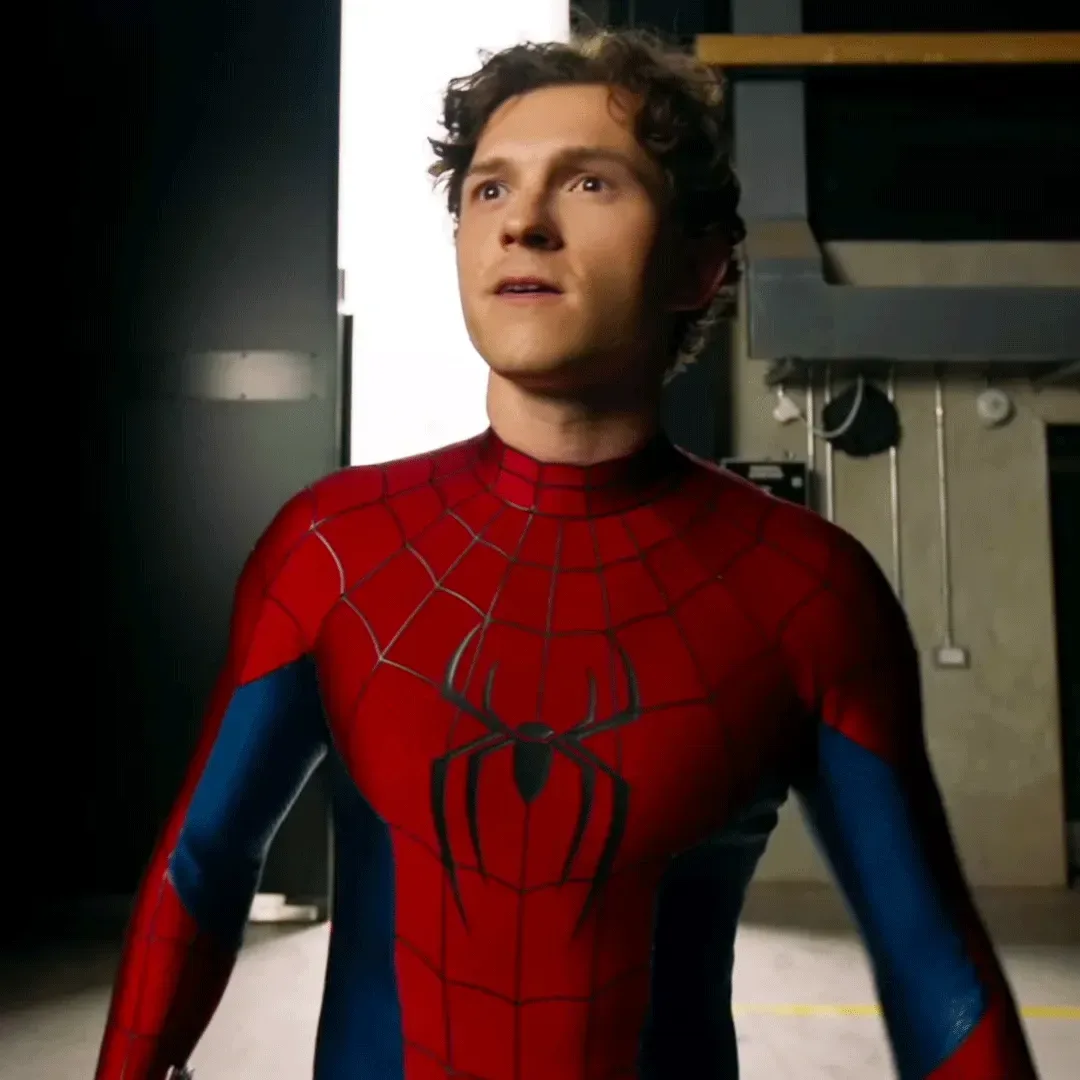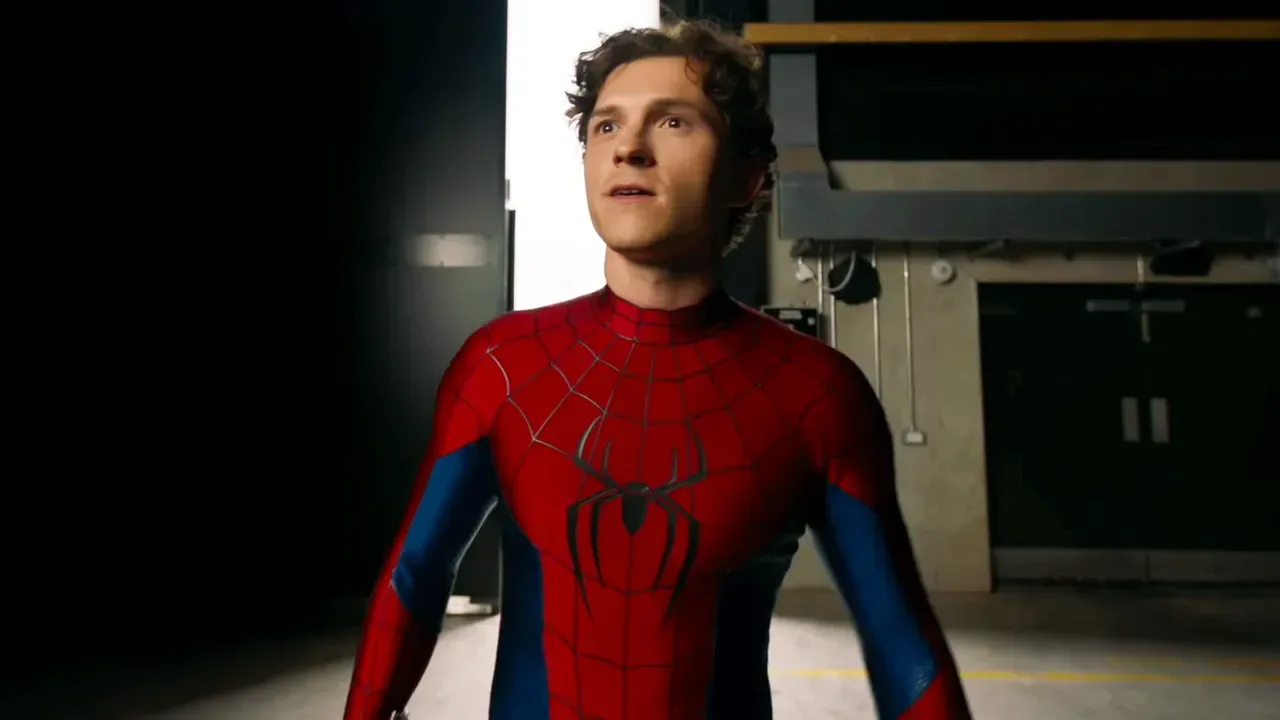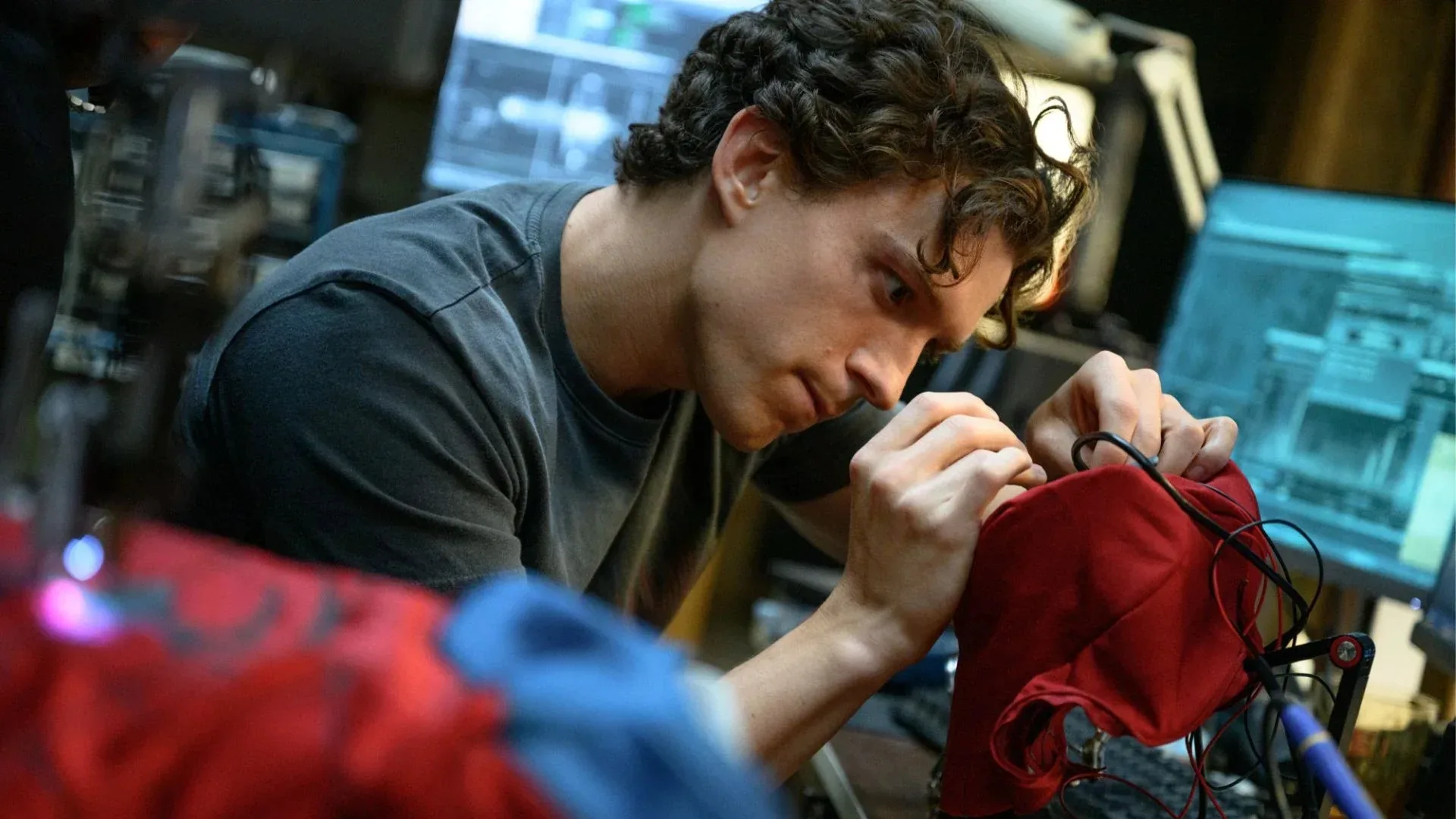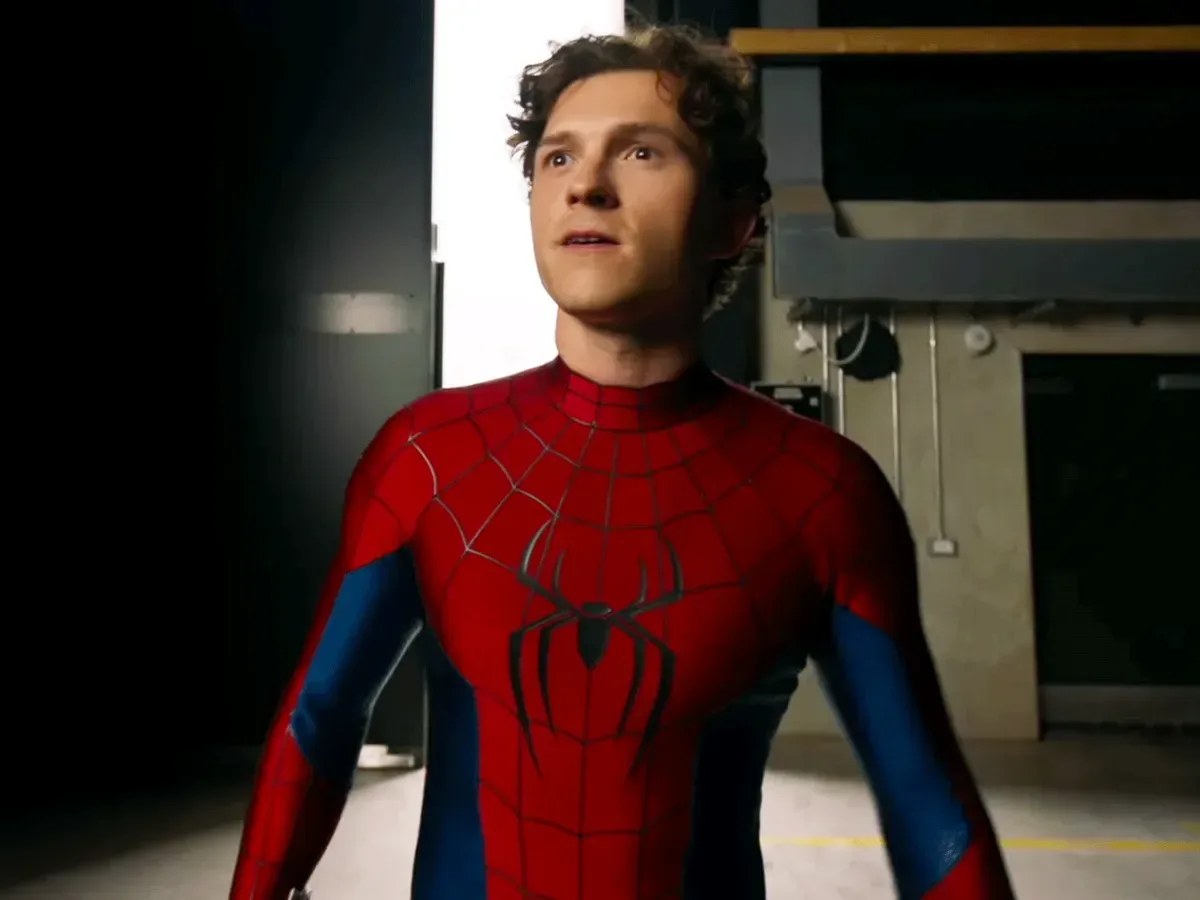
Spider-Man: Brand New Day reportedly took a remarkably winding route before settling on its eventual villain and central theme. Writer Chris McKenna has outlined a development process filled with alternate premises, abandoned antagonists and franchise-level coordination problems, with Jean Grey only becoming an option in September 2024 — 11 months before filming began.
That does not mean every unmade version was a near-finished film. Screen development commonly involves testing premises, character relationships and villains long before a script reaches production. But the ideas McKenna described show how difficult it was to make a Peter Parker story feel smaller and more personal after the multiversal scale of Spider-Man: No Way Home, while avoiding concepts and characters being used elsewhere.
The through-line that survived the detours was a story about metamorphosis: Peter, a character resistant to change, forced through a transformation he cannot control. McKenna and Erik Sommers, his co-writer on all of Tom Holland’s Spider-Man films, had apparently raised that approach early, moved away from it, and eventually returned to it.
It is an especially fitting angle for this incarnation of Peter. McKenna’s point is that audiences did not see Holland’s Peter receive his abilities in the first place. A transformation story, then, need not be an origin retread. It can instead focus on the emotional and practical fallout of the life Peter has already chosen — particularly after the ending of No Way Home.
A smaller Spider-Man movie still needed a big structural answer
Brand New Day was conceived as a more contained follow-up to the multiverse-heavy previous film. “Smaller-scale” should not be mistaken for consequence-free, though. It suggests a change in dramatic focus: from a crossover built around multiple Spider-Men and returning villains to a story that can follow one Peter Parker attempting to rebuild a life.
That aim created a crucial writing question. If MJ does not remember Peter, how can the film involve her without immediately erasing the sacrifice and separation that gave the previous ending its weight?
One discarded answer was deliberately strange in a very Spider-Man way. Peter would cross paths with MJ while in costume, decide his ordinary voice was no longer safe to use, and create a new persona through a British accent. The gag would have layered Tom Holland’s real accent beneath a Queens-born Peter pretending to be British. Peter’s proposed name in that version was Ben Reilly, a significant comic-book name associated with a clone of Spider-Man.
There is a genuine dramatic mechanism beneath the comedy. Peter would be trying to get close to MJ while concealing the truth about himself, a situation that naturally produces tension, awkwardness and the possibility of discovery. Yet the writers were also conscious that an early version in which MJ simply worked everything out would make the finality of No Way Home feel temporary. McKenna said that route was abandoned.
The uncertainty was not only fictional. McKenna said it took time to know whether Zendaya would return and what her part might be. That real-world unknown helps explain why the story appears to have explored Peter-and-MJ material without locking the entire movie around it too quickly.
The versions that got away were gloriously odd
Some unused pitches sound much farther from the movie that ultimately reached screens. One would have started with Peter in Southeast Asia, living on a boat, repairing its engine and producing his own web fluid while dealing with local gangs. He would then receive a message showing someone in New York publicly operating as Spider-Man.
The hook was not merely an impostor plot. The new Spider-Man would have used Peter’s web fluid and suit, then accomplished something Peter himself had never done: legally protected the Spider-Man brand. Peter’s response would have involved hiring Matt Murdock and confronting a cease-and-desist order telling him that he could not pose as Spider-Man.
It is a comic premise, but it identifies an unusually modern pressure point for the character. Spider-Man’s public image, personal identity and legal ownership would all be in conflict at once. The setup also puts Matt Murdock — lawyer and Daredevil — in a role that makes immediate sense without requiring him to become the film’s physical co-lead.
Another concept began in even more surreal fashion. Peter would fall ill, hear a talking bodega cat tell him to find the Spider-Totems, and then wake in a hospital to learn the episode was an appendicitis-induced dream. Missing rent during his stay would get him thrown out of his apartment. He would then move in with neighbours eventually revealed to be Overkill and Boomerang, pulling him toward a wider mystery.
The Spider-Totems element points toward a mythic strand of Spider-Man storytelling, while the missed rent and unwanted roommates are emphatically ground-level Peter Parker problems. That collision is not inherently incompatible, but it illustrates how many different tonal modes the creative team considered: mystical delirium, apartment comedy, financial precarity and a neighbourhood villain mystery all in one outline.
Several potential versions also used a “one bad day” framework in which Peter confronts a street-level adversary over a compressed timeframe. McKenna compared the general structure to Die Hard with a Vengeance. In storytelling terms, that type of design can give a superhero plot momentum without needing an end-of-the-world threat. Each task forces the hero into the next, while a city becomes an obstacle course rather than mere background.
Why familiar villains became unavailable
The largest practical obstacle was the villain search. McKenna described the challenge as one of overlapping Marvel-related projects: a Spider-Man film had to avoid stepping on material being used in animated films, live-action standalone features, television and the broader Marvel Studios plans around mutants.
That is less a simple question of whether a character exists in the comics than of whether another production has made that character strategically awkward to use. A villain can be technically available yet still become a poor choice if audiences have just seen a version elsewhere, if a parallel project is built around the same concept, or if the character’s use collides with separate creative plans.
The Spot was one early casualty. McKenna said the writers had considered him for No Way Home, only to learn he featured in Spider-Man: Across the Spider-Verse. Kraven was another. The team had planned an interpretation in which New York became a web of traps, with Kraven hunting Peter across the city, possibly as a major secondary threat. They had been told a standalone Kraven film would not happen; later, Sony made one.
Chameleon offered a different kind of complication. McKenna and Sommers considered how to make a shape-shifting adversary feel new after the Marvel Cinematic Universe had already used Skrulls, beings known for their ability to imitate other people. Their thinking moved toward telepathy and possession: a villain influencing or occupying people rather than simply wearing another face.
But that shift brought the story into mutant territory. In the supplied account, McKenna describes the concern that a telepathic mutant would move the film away from a Sony-controlled Spider-Man villain and into the part of Marvel’s wider screen universe where Marvel Studios was working out how to introduce mutants after Disney acquired Fox’s film assets.
In other words, the writers were solving one creative problem only to uncover a rights-and-coordination problem behind it. The issue was not simply that a telepath would be too powerful. It was that using a character with connections to the X-Men could overlap with plans outside the Spider-Man film.
Chameleon also had a direct collision: Sergei, Chameleon’s half-brother in the comics, appeared in the Kraven film. McKenna said that removed another potential path. Shadow King, an invisible telepath connected to Charles Xavier, was considered as well. That version would have searched New York for his missing body, but a version of Shadow King had also appeared in Legion, and McKenna said even the name could not be used in the contemplated form.
Jean Grey arrived late, while one scene stayed put
Jean Grey finally became available as the process reached its later stages. McKenna said the call came in September 2024, three years after No Way Home and less than a year before Brand New Day began filming. The timing underlines how late a central antagonist can enter a blockbuster’s development, even when its writers have been working through the protagonist’s thematic arc for much longer.
It also makes the metamorphosis idea more important, not less. A stable theme gives a film a decision-making compass when the external pieces keep changing. Whether the antagonist is a hunter, impostor, shapeshifter or telepath, the question remains: what kind of forced change can push Peter into the story the filmmakers want to tell?
One moment apparently outlasted nearly all of those rewrites: Peter meeting Yelena in a bathhouse. McKenna said he had retained it from early versions because the scenario would be fun. With so many major elements shifting, that detail is a reminder that screenplay development is not solely a corporate chessboard. A memorable character encounter can survive because the writers see clear comic or dramatic value in it.
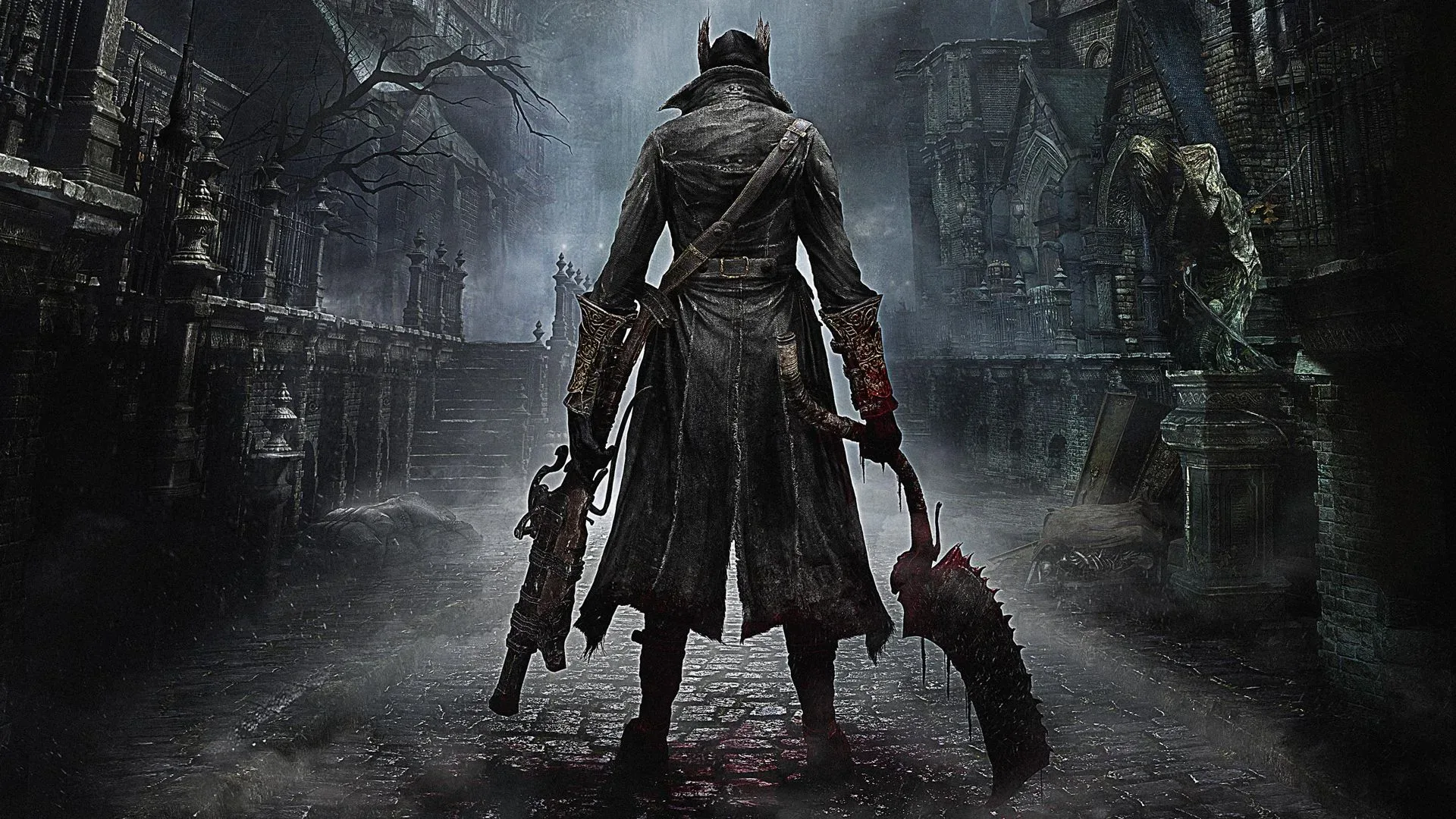
For readers following superhero storytelling across shared universes, that balancing act is increasingly familiar. Character access, thematic fit, audience fatigue and release overlap all affect the choices that make it to screen. A recent look at another creator’s concerns about treating an established fictional world carefully can be found in this discussion of the planned Bloodborne movie.
What this development history says about Brand New Day
The abundance of discarded material should not be read as proof that the final film lacked direction. The reporting instead suggests a project trying to preserve a specific Peter Parker story amid unusually complicated franchise boundaries. The final route did not begin with Jean Grey; it began with the idea that Peter needed to change.
There is a practical lesson in the rejected concepts, too. The British-accent Ben Reilly setup, the fake-Spider-Man trademark dispute, the bodega cat dream and Kraven’s trap-filled New York were each built around distinct hooks. Yet the surviving premise had a broader usefulness: it could accommodate shifting characters and villains while keeping Peter’s emotional condition at its centre.
Brand New Day has since become an enormous commercial success, with a reported $2.47 billion global box office total and the highest North American box office total of all time after passing Star Wars: The Force Awakens. Whether it ultimately finishes as 2026’s highest-grossing film worldwide remains unresolved, with Avengers: Doomsday still due in December.
The film’s path to that success, though, now looks far less straightforward than its finished form may suggest. Before it became a metamorphosis story with Jean Grey, it was almost a movie about a British-sounding Peter, an unauthorized Spider-Man brand owner, a boat-bound hero, a talking cat, a missing rent payment, and a long list of villains who became somebody else’s problem first.