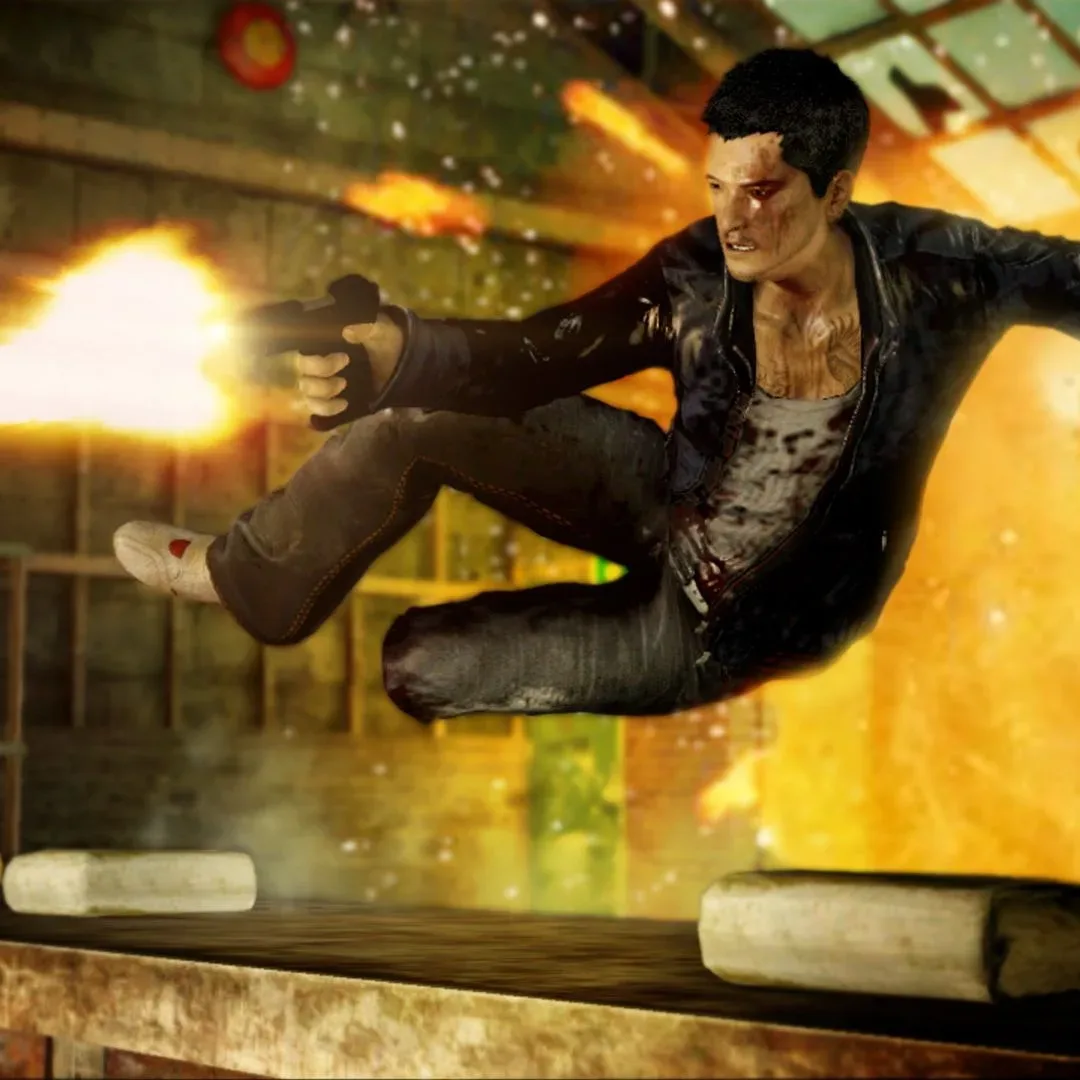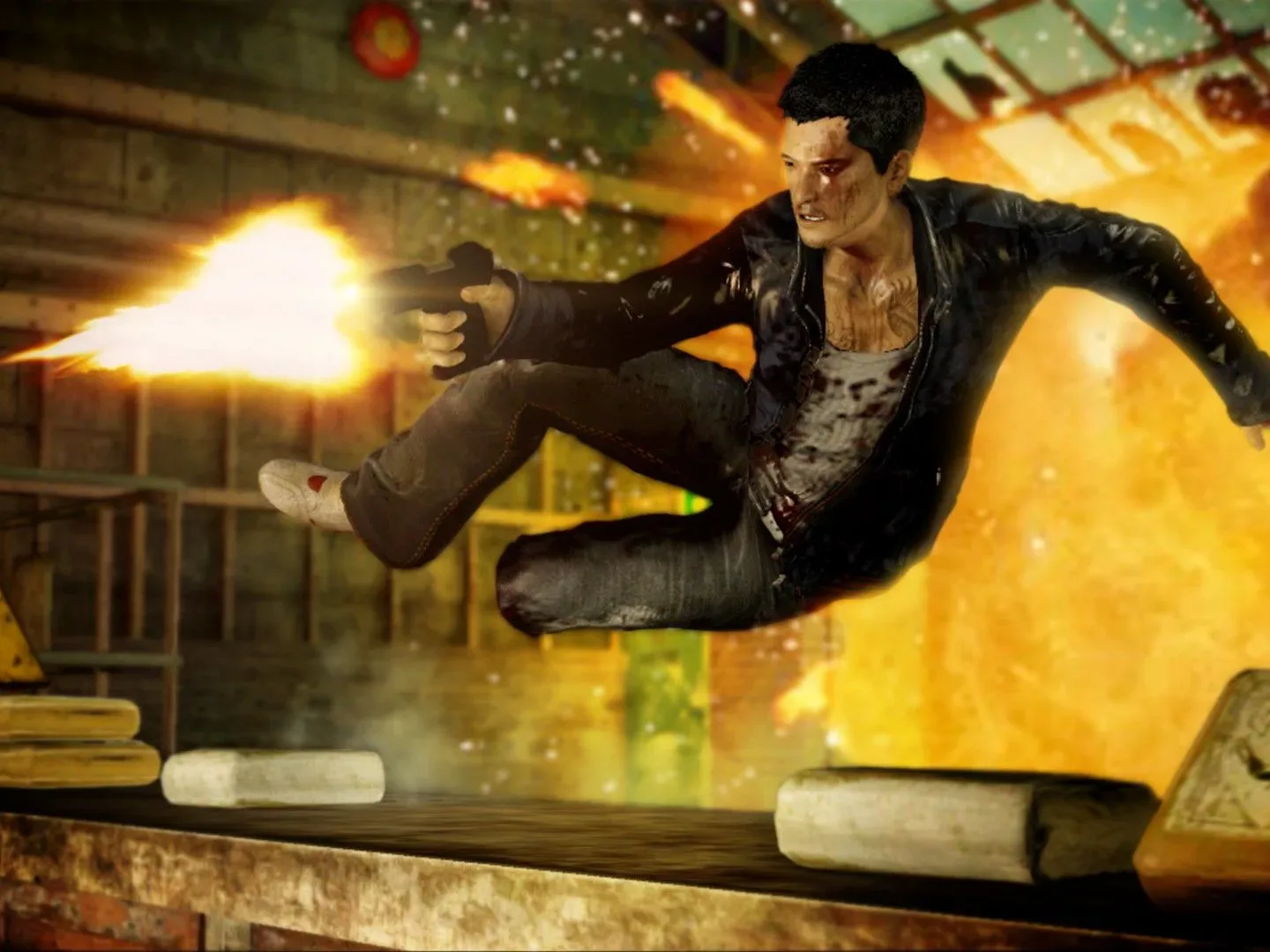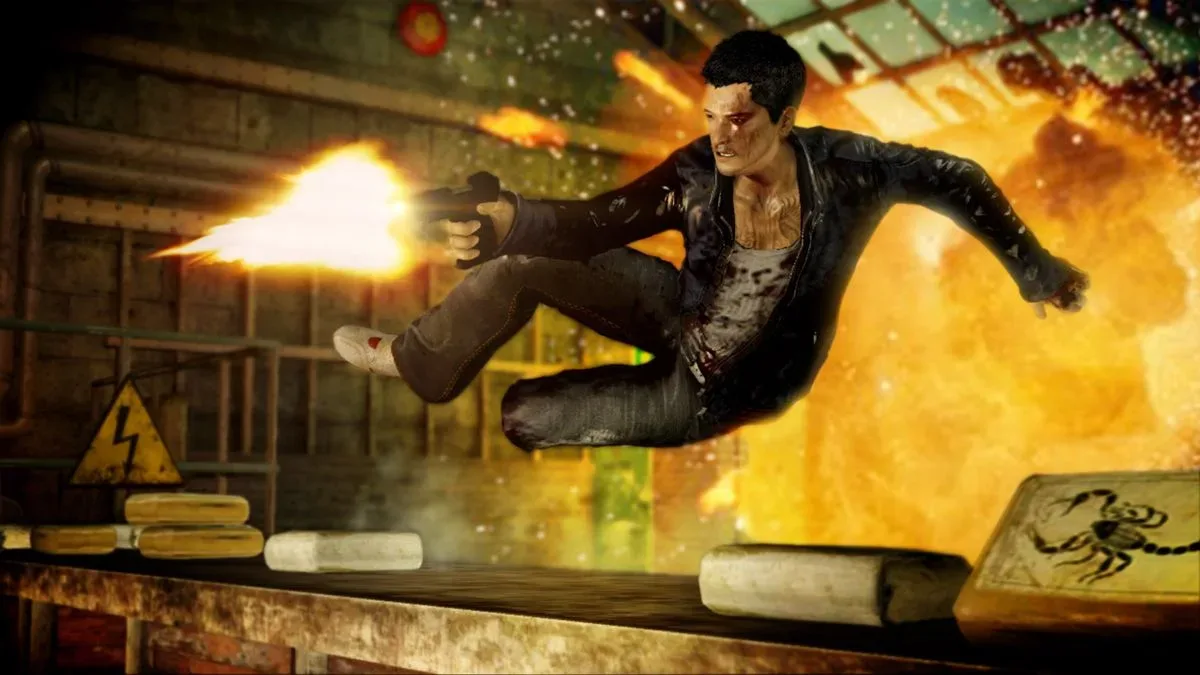
The Sleeping Dogs movie remains in development, with director Timo Tjahjanto explaining that the team is deliberately taking its time to turn Wei Shen’s story into a feature film without losing what made the 2012 game beloved.
Tjahjanto said he and Simu Liu are working to bring the project to fruition gradually. The central challenge, he explained, is staying loyal to Wei Shen’s tale while also adding narrative layers that make sense in a movie-length format. His message is an important status update precisely because it does not promise an imminent trailer, release date, cast list, or production start. Instead, it frames the project as active creative development with a stated priority: making the strongest version possible rather than rushing an adaptation into view.
“Trying to stay as loyal to Wei Shen’s tale while adding layers to make the narrative more fitting into a feature film is not an easy task. We’re taking our time to make the best version of [Sleeping Dogs] the movie.”
Why Wei Shen’s story is a tricky adaptation
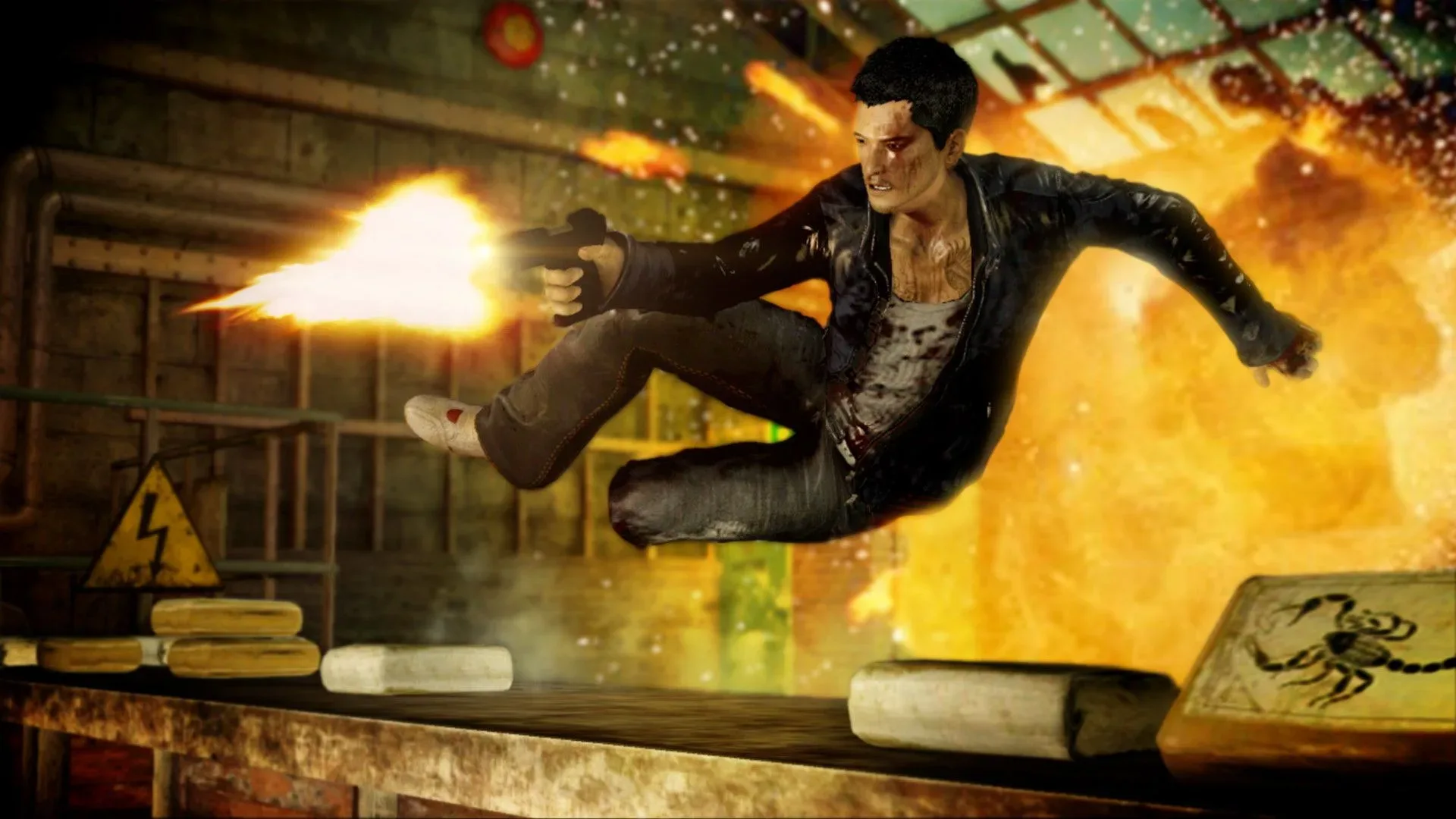
Sleeping Dogs follows Wei Shen, an undercover police officer embedded within a warring Triad group. That setup supplies a naturally cinematic premise: a protagonist living under pressure from both the criminal world he has entered and the law-enforcement role he must conceal. It also gives the story a built-in emotional problem. Wei cannot simply complete a mission from a safe distance; he has to form relationships and make choices inside the organization he is investigating.
But an open-world game and a feature film use that premise differently. In a game, players can spend long stretches navigating a city, moving between activities, pursuing optional objectives, and engaging with combat systems. The player’s time with a character is partly built through action and repetition. A feature film has to establish its setting, relationships, stakes, escalation, and resolution within a more tightly controlled running time.
That is the distinction Tjahjanto is getting at when he refers to “adding layers.” It should not automatically be read as a sign that the team intends to discard the game’s foundation. In this context, it describes adaptation work: deciding which parts of Wei’s journey are essential, which material needs to be expanded for viewers who have never played, and how the narrative can function when the audience is watching rather than directing the action.
“Feature film” is the key term. It means the project is being shaped as a standalone movie, not as a season of television or a direct recreation of a game campaign. Fidelity, then, is not merely about reproducing individual missions or recognizable sequences. It is also about preserving the dramatic identity of the story: Wei Shen’s undercover position, the tension of divided loyalties, and the crime-world conflict around him.
What is confirmed — and what is not
There are a few solid pieces of information, but plenty of unanswered questions remain. Liu announced in February 2025 that a Sleeping Dogs adaptation was in development. He later spoke publicly about his frustration that studios did not understand the importance of the property. In December 2025, Liu revealed that Tjahjanto would direct.
Related coverage includes Sleeping Dogs Movie Team Says Adapting Wei Shen's Story Is Taking Time.
Tjahjanto has recently directed Nobody 2. His involvement establishes the movie’s director, while Liu has been the project’s prominent champion since its announcement. Liu is also set to return as Shang-Chi in Avengers: Doomsday.
However, the available update does not confirm a release window, filming dates, additional casting, a distributor, a rating, or story specifics beyond the team’s desire to preserve Wei Shen’s tale while reshaping it for film. It also does not establish whether Liu will portray Wei Shen on screen. The project is widely associated with Liu’s efforts, but a formal casting confirmation is not included in the current information.
That distinction matters for fans trying to separate an encouraging development update from a full production announcement. A director describing ongoing story work is meaningful, especially for an adaptation that has been discussed for nearly two years, but it is not the same thing as evidence that cameras are rolling. For now, the clearest takeaway is that the team says the project is still progressing and that narrative development is taking precedence over speed.
The game’s reputation gives the movie a clear target
Released in 2012, Sleeping Dogs earned enduring affection for its hard-hitting combat and compelling narrative. Its cast included Emma Stone, and Wei Shen’s undercover story has remained the element most closely associated with the game’s identity.
That reputation creates both an opportunity and a constraint for the film. The opportunity is obvious: the game already has a story framework that people remember, centered on an undercover protagonist whose job steadily complicates his personal position. The constraint is that fans will have expectations beyond a generic crime thriller. They will be looking for a movie that understands why Wei’s conflict worked in the first place.
A faithful adaptation does not necessarily mean copying every plot beat one-for-one. Games have room for side content, mechanical progression, and player-driven pacing that movies do not share. A film version may need to consolidate characters, reorder events, or create new connective material. Those are ordinary adaptation choices. The more consequential question is whether those choices retain the original story’s pressure points: the danger of exposure, the pull of loyalty, and the human cost of working undercover.
Tjahjanto’s wording indicates that this is the balance the team is actively trying to find. “Loyal” suggests respect for the source’s core story, while “adding layers” suggests an awareness that cinema asks for different storytelling tools. It is a more thoughtful objective than treating the game merely as a name attached to an action premise.
Simu Liu has kept the adaptation visible
Liu has consistently been the public driving force behind the proposed movie. After first announcing development in February 2025, he later acknowledged difficulties in convincing studios of the value of the intellectual property. In industry terms, “IP” refers to intellectual property: an existing creative work and the characters, premise, and recognition associated with it.
For a game like Sleeping Dogs, that recognition is unusually important. It is not just a broad genre label; its value is tied to a specific protagonist and a specific undercover narrative. Liu’s sustained involvement has therefore helped reassure fans that the adaptation is being approached as more than a loose borrowing of the title.
Earlier in 2026, Liu said he hoped to share positive updates soon. Tjahjanto’s latest comments provide a clearer explanation for why major news has not arrived quickly: the screenplay and story approach are being handled with care. That will test the patience of people eager for concrete milestones, but it also reflects the reality that translating a long-form, interactive story into a single film demands difficult decisions before production can responsibly move ahead.
Could a film revive interest in the game?
Liu has said he hopes a game sequel could emerge from the momentum of a film project. That remains an aspiration, not an announced sequel. No new Sleeping Dogs game has been confirmed in the information available.
Still, the comment identifies a potentially significant practical effect of the movie: a successful adaptation could introduce Wei Shen and the wider property to people who never played the original, while renewing attention from longtime fans. A film cannot guarantee a sequel, but it can become a new entry point into a game world and demonstrate that interest in that world remains active.
That broader relationship between games and screen adaptations continues to be closely watched across the industry. For a separate look at pressures facing game discovery and quality on a major PC storefront, read our coverage of Valve’s response to AI and low-quality-game concerns around Steam Next Fest.
For Sleeping Dogs, though, the immediate story is more focused. Tjahjanto and Liu are not presenting the movie as finished, fast-tracked, or ready to reveal its full hand. They are presenting it as a work still being built around the difficult task of turning Wei Shen’s story into a film while retaining the elements that made the game endure.