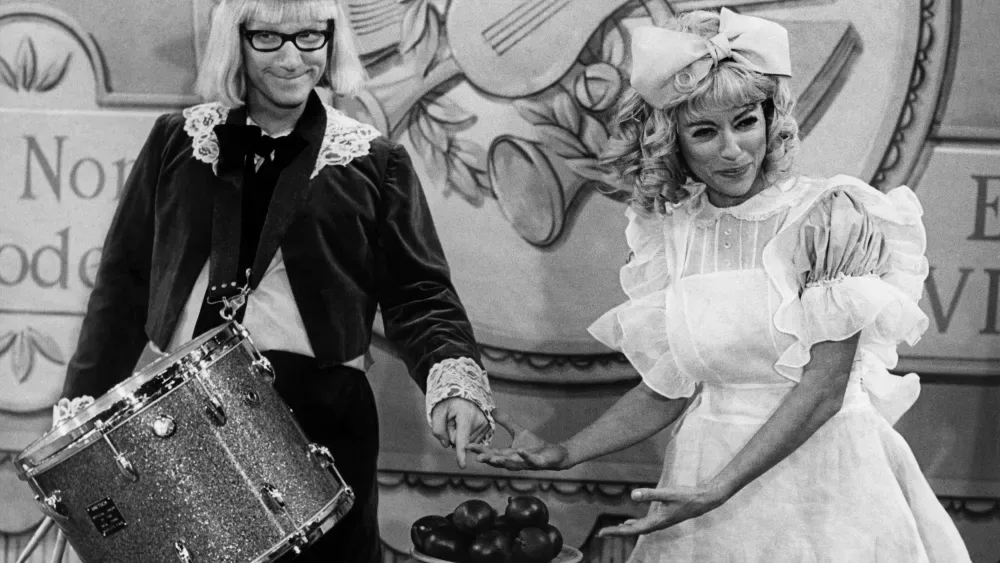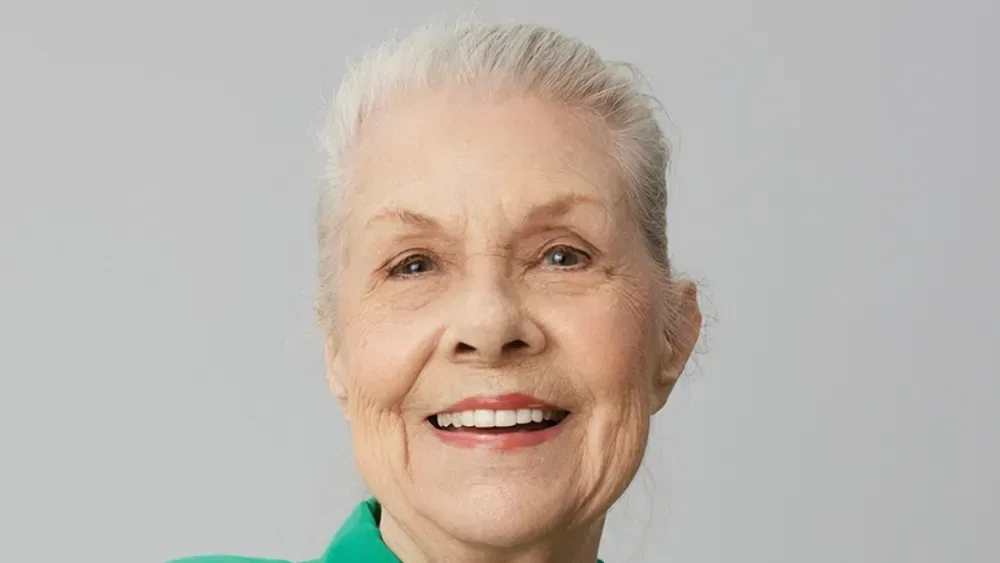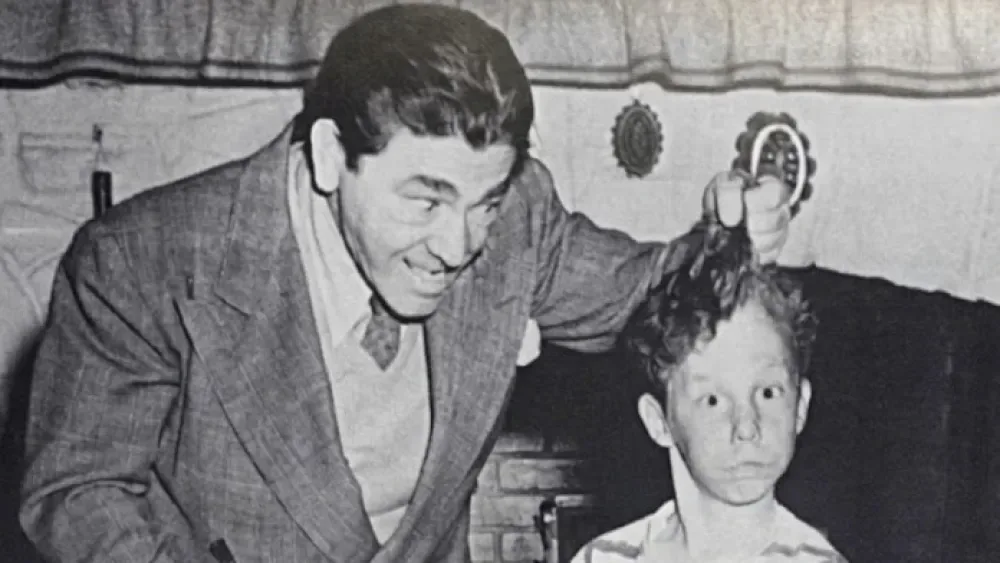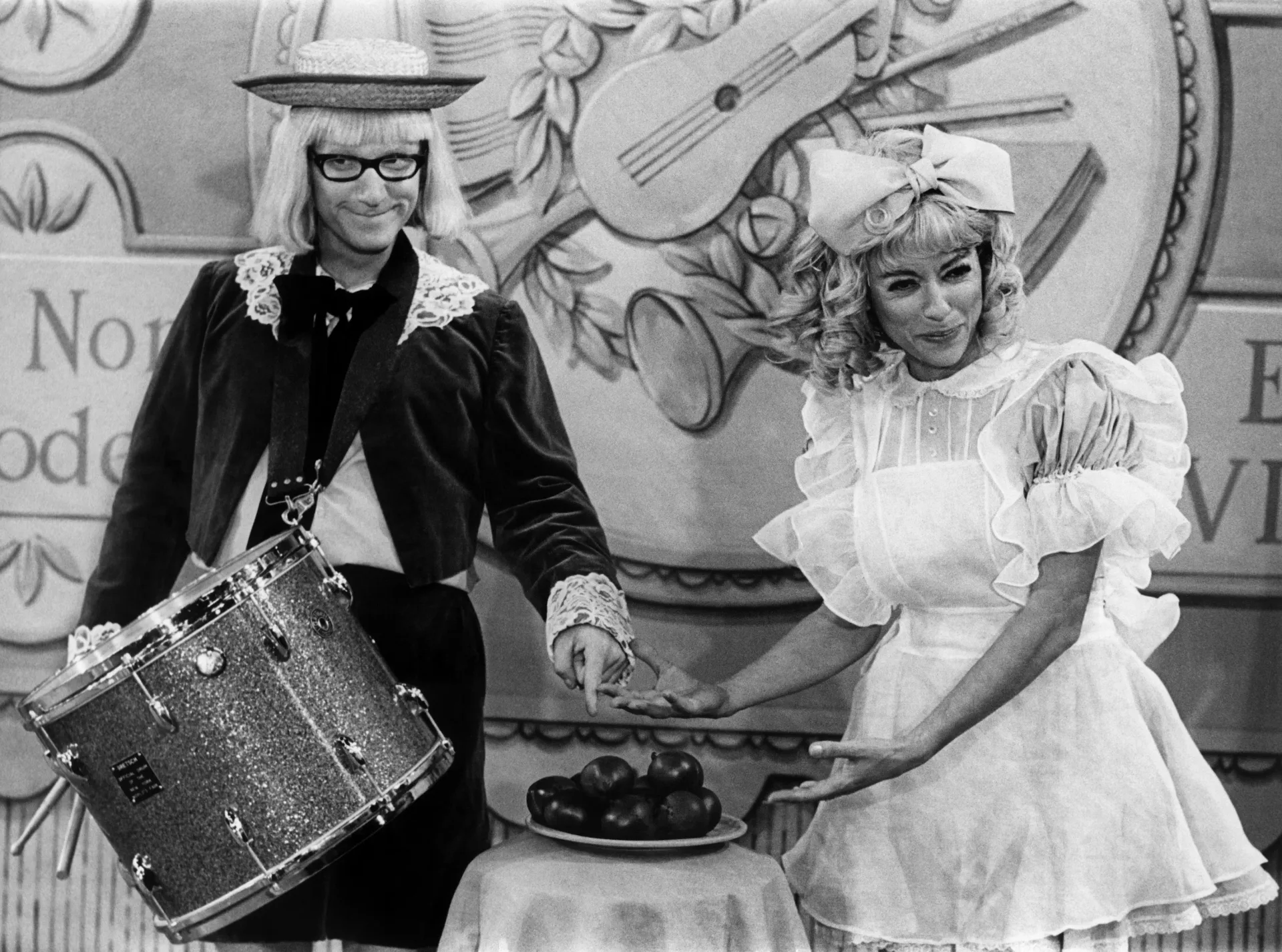
Skip Hinnant, the actor and voice performer whose career moved between children’s educational television, adult animation, theater and commercials, has died at 86. Hinnant died Nov. 8 in Denver, as confirmed by his family in an obituary notice.
For many viewers, Hinnant is inseparable from two especially different landmarks of 1970s screen culture. He was a charter cast member of The Electric Company, the fast-moving PBS educational series that began in 1971 and ran through 1977. At the same time, he voiced the title role in Ralph Bakshi’s 1972 animated feature Fritz the Cat, then returned for its 1974 follow-up, The Nine Lives of Fritz the Cat.
Those credits do more than make for an unusual trivia answer. They show the range of a performer who could work within short, energetic educational sketches while also supplying the voice for an adult-oriented animated antihero. Hinnant’s body of work included live television, stage productions, animation, commercial voice-over and union involvement spanning decades.
An original part of The Electric Company
Hinnant joined The Electric Company at its start in 1971 and remained with the program until it concluded in 1977. Conceived as a daytime companion to Sesame Street, the series was aimed at older children and sought to support critical-thinking skills through a sketch-based format.
That format matters when considering Hinnant’s contribution. Rather than centering on one continuing character or a conventional sitcom premise, the show moved rapidly among comic bits and recurring segments. Its cast had to change voices, personalities and rhythms quickly, performing in a style built around brevity and clarity. Hinnant played a range of characters as part of that ensemble.
The show’s cast over its run included Rita Moreno, Morgan Freeman, Zero Mostel and Bill Cosby. Hinnant’s six-year tenure placed him among the performers who gave the series continuity while it used comedy and variety-show pacing for an educational purpose.
Educational television can sound clinical when reduced to its mission statement, but its practical challenge is to make learning feel like entertainment rather than an assignment. Sketch-centered programming relies on immediate character work: a performer has limited time to establish a joke, communicate the needed idea and keep the audience engaged. Hinnant’s broad background in theater and television made him well suited to a production built on those quick transitions.
The voice behind Fritz
During his time on The Electric Company, Hinnant was recruited by animator Ralph Bakshi to voice Fritz in Fritz the Cat. The character originated in comics by Robert Crumb and was presented in the film as a lascivious, stoner cat. The adaptation was explicitly adult-oriented and far removed from Hinnant’s educational-TV work.
Related coverage includes Skip Hinnant, ‘The Electric Company’ Actor and Voice of Fritz the Cat, Dies at 86.
Fritz the Cat became an underground hit, despite Crumb’s objection to the adaptation, and led to The Nine Lives of Fritz the Cat in 1974. Hinnant’s participation in both films secured his place in a major, if deliberately provocative, strand of 1970s animation.
Voice acting is often discussed as if it were simply spoken dialogue recorded without a camera. In practice, it asks performers to create character, timing and emotional attitude without the audience seeing their facial expression or physical movement. In animation especially, a vocal performance helps define the pace and personality that audiences attach to a character. Hinnant’s Fritz remains one of the roles most associated with him because his voice was central to carrying the movie’s lead character.
His animation work was not limited to Bakshi’s films. In 1977, he voiced the Easter Bunny in the Rankin-Bass television special The Easter Bunny Is Comin’ to Town, narrated by Fred Astaire. Taken together, the roles illustrate a performer working across drastically different tones within the same medium: an adult animated feature and a family TV special.
From Off Broadway to television
Born Joseph Howard Hinnant in 1940, he grew up on Chincoteague Island, Virginia. His older sister Jean gave him the nickname “Skip,” and it remained his professional name as his acting work expanded. He attended Yale University and graduated in 1962.
Hinnant was active in theater during the 1960s. In 1963, he appeared in Julius Monk’s revue Struts and Frets. A revue is a theatrical program assembled from multiple songs, sketches or comic pieces rather than a single continuous story, a format that aligns naturally with the adaptability Hinnant later brought to sketch television.
He also originated the role of Schroeder in the 1967 Off Broadway debut of You’re a Good Man, Charlie Brown. Originating a role means being among the first performers to establish how a part is played in its initial production, rather than stepping into a role shaped by an earlier cast member. Schroeder, the piano-playing Peanuts character, became one stop in a career that would repeatedly move between recognizable characters and ensemble performance.
His screen credits were already developing before those theatrical milestones. He had a recurring role on The Patty Duke Show in 1962, and that same year performed for President John F. Kennedy at the White House Correspondents’ Association dinner. Later credits included Kate & Allie, As the World Turns and 3-2-1 Contact.
A working performer and union participant
Hinnant was prolific in voice-over work for animation and television commercials. Commercial voice-over is a specialized form of performance in which a voice must often establish a tone, identify a product or convey a message in very little time. It can be less visible than an on-camera or starring role, but it is part of the working foundation of many performers’ careers.
Beyond his acting credits, Hinnant was actively involved with Actors’ Equity, AFTRA and SAG from the 1980s into the early 2000s. Actors’ Equity represents stage performers and stage managers, while AFTRA and SAG represented performers in broadcast and screen work before those two organizations merged. His engagement with all three reflects professional ties across theater, television and recorded performance.
That cross-medium perspective is a fitting lens for Hinnant’s career. His best-known roles came from projects with very different audiences and ambitions, but both required precision, flexibility and a willingness to meet a format on its own terms. For viewers who knew him from public television, animation fans who knew Fritz, and theater audiences who encountered his early work, Hinnant left a varied record of character performance.
Hinnant is survived by his first wife, Miriam Hinnant; his longtime companion, Ruth Nerken; four children; and nine grandchildren. The family has requested donations in his name to the Entertainment Community Fund or the SAG-AFTRA Foundation.
His death follows the recent loss of another performer whose work connected stagecraft and voice performance, Dawn Greenhalgh, the stage veteran and voice of Queen Celeste in Babar.