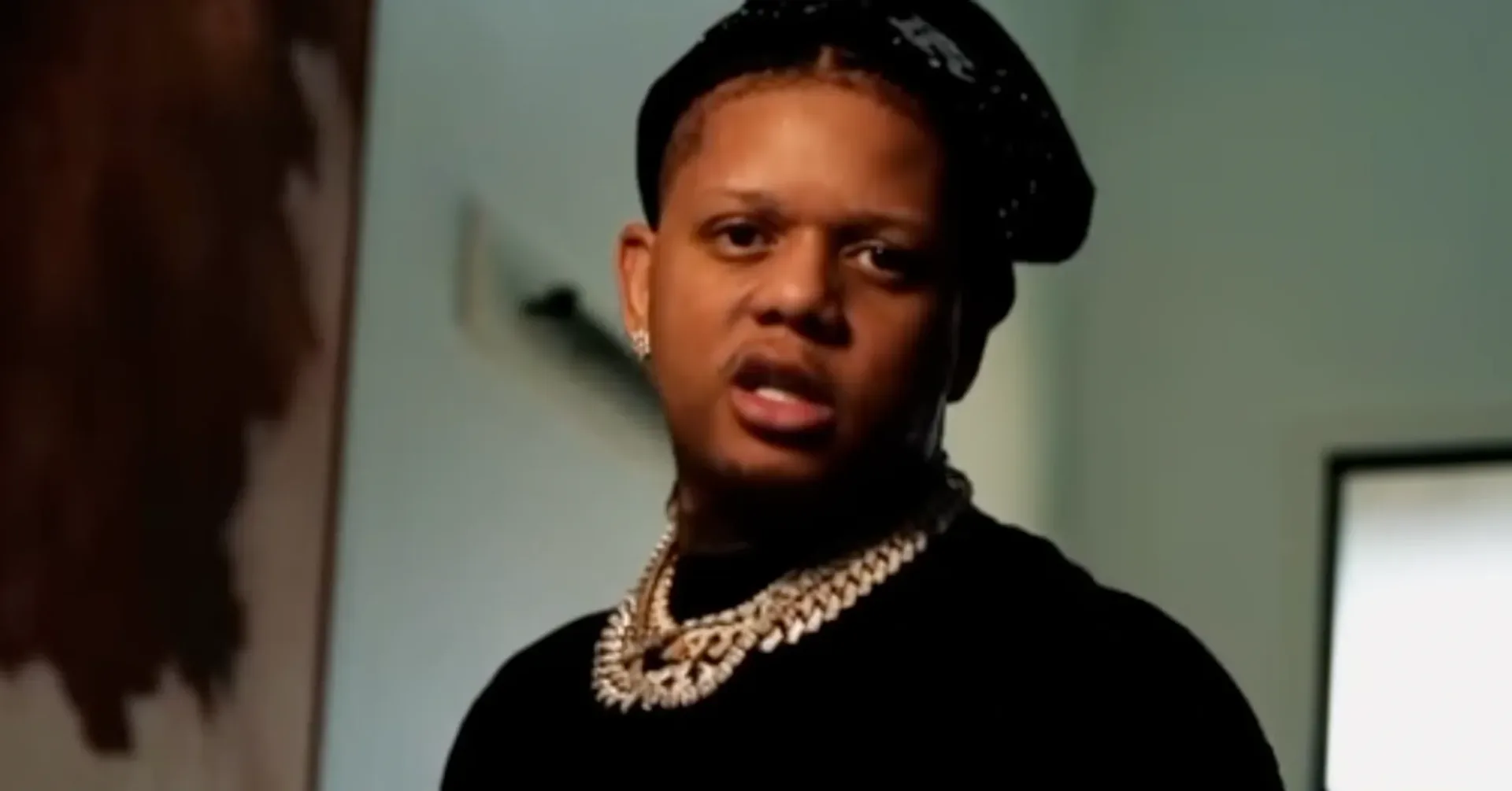
Rapper Sha EK has been sentenced to five years in prison in a Bronx shooting case connected to gunfire that injured three people, including two bystanders. The sentence was imposed on November 17, following his guilty plea to second-degree conspiracy on September 21.
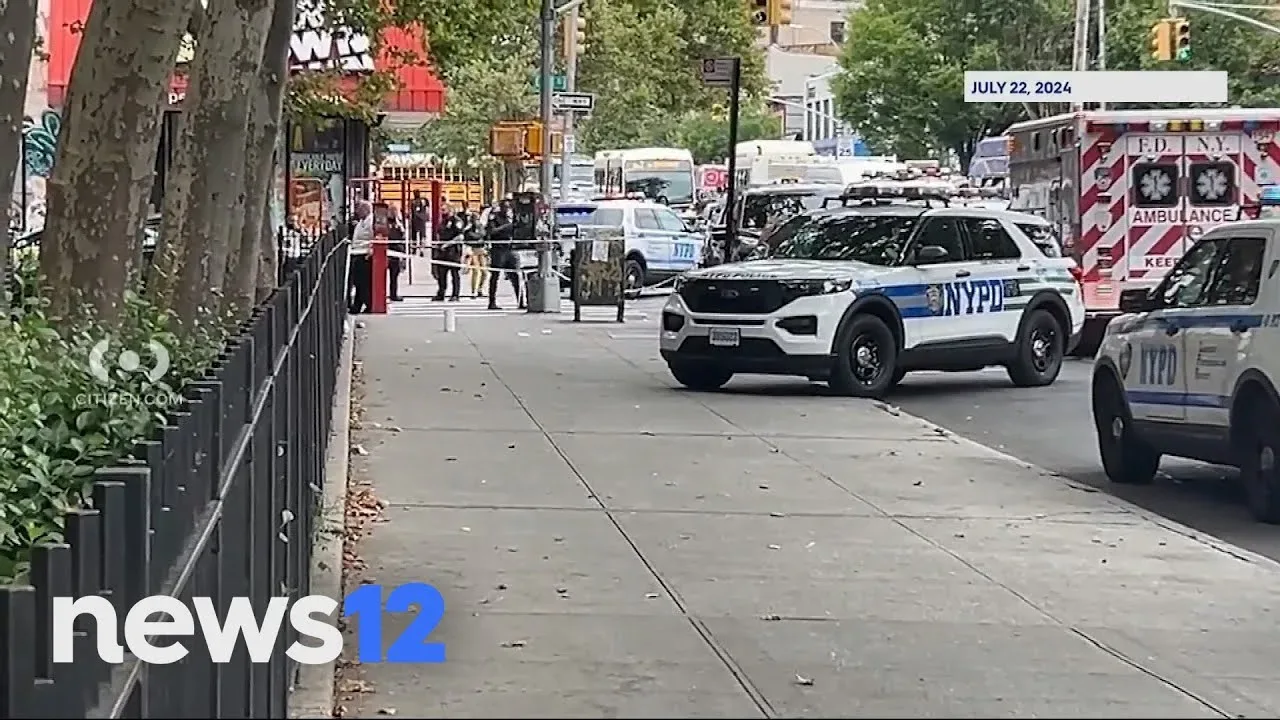
Court-calendar information from the Bronx District Attorney’s office lists the sentencing before Judge Mitchell in Part 11. Sha EK, 23, had been charged in a case stemming from a July 22, 2024 shooting near East 145th Street at the Patterson Houses in Mott Haven.
What the case involved
Prosecutors said the shooting was aimed at a rival gang member and was retaliation for the death of another gang member the previous day. Alongside the person prosecutors identified as the intended target, two bystanders were hurt.
The five-year term follows Sha EK’s plea to second-degree conspiracy. In general legal usage, conspiracy refers to an agreement between people to commit an unlawful act; a plea to that count is distinct from a court finding on every allegation that may have appeared in the case at its outset.
When authorities arrested Sha EK months after the shooting, the case also included allegations of attempted murder, assault and weapons offenses. The available court-calendar information identifies the conspiracy plea and the resulting five-year sentence, while the earlier accusations describe the broader case as it was initially brought.
A serious outcome in a case involving bystanders
The injury of people not identified as the intended target is a central fact in the case. Gun violence in a dense residential setting can place people with no connection to an underlying dispute at risk, and the account of the Patterson Houses shooting illustrates that danger directly: prosecutors alleged a targeted act, but three people were injured.
It is also important not to flatten the legal record into a headline-sized narrative. Prosecutors’ account of motive is an allegation presented by the state. The confirmed procedural milestones in the available information are Sha EK’s September 21 plea to second-degree conspiracy and his November 17 prison sentence.
Career arrived alongside a fast-changing drill landscape
The sentence comes four years after a major step in Sha EK’s recording career. He signed with Warner Records in 2022 and released Face Of The What, a moment that put a wider spotlight on his work beyond the immediate audience for his drill releases.
Related coverage includes Sha EK Receives Five-Year Sentence in Bronx Shooting Case.
Drill is a rap style frequently associated with forceful rhythms, stark street-level writing and local scenes that can rapidly become visible online. For emerging artists, the path from regional attention to a broader audience increasingly runs through short-form video, streaming services and direct uploads, rather than only radio play or conventional label development.
Sha EK previously described making recordings during lockdown, encouraged by friends, before establishing himself in drill. He said that releasing music himself helped create an audience. His track “D&D,” which spread on TikTok, was an important step toward label interest.
Before his major-label deal, he used UnitedMasters for distribution and put music out through Instagram, Apple Music and YouTube. That combination matters because it shows the layered route an independent performer can take: distribution makes music available to digital services, social platforms can give clips and songs a chance to circulate, and streaming can help turn that attention into an ongoing listener base.
“I was getting paid independently, but now that I am signed, the money different,” Sha EK said while discussing the change from independent releases to a label deal.
He also spoke at the time about moving to New Jersey and being able to support his mother, sister, brother and people around him. Those comments framed commercial progress in practical terms, not simply as profile or visibility.
Online music discovery remains a major part of rap’s audience pipeline
The role of TikTok in “D&D” reaching more people fits a broader reality of contemporary music discovery: a short section of a song can travel quickly, then direct listeners toward full tracks, artists’ pages and catalogues. It does not guarantee a sustained career, but it can alter the speed at which a regional artist reaches label executives and listeners outside their home area.
The same intersection of rap, platforms and gaming culture is visible in the attention paid to music on in-game radio, including reports around pop and rap radio possibilities in GTA VI. In both settings, music can be encountered as part of a larger digital environment rather than sought out through a single traditional channel.
That context should not distract from the criminal case. It does, however, explain why stories involving young artists can carry relevance beyond a single release cycle. A performer may be building a catalog, a social following and a public identity simultaneously, with each moving at a different pace.
Public discussion of lyrics and responsibility
Sha EK later met with about 20 students involved in Usher’s New Look program at the Universal Hip Hop Museum. During that visit, he discussed being a young recording artist and how he approached lyrics. He said he wanted his work to reach a larger audience, including his daughter, and said he avoided naming people in songs.
That point reflects a recurring conversation around drill and other intensely local rap scenes: where artists draw the line between personal experience, public storytelling, rivalry and audience responsibility. The available information does not establish that any particular song was part of the Bronx case, and no such connection should be inferred. But the comments show that Sha EK had publicly articulated an interest in widening his audience while being more careful about direct references in his music.
For listeners, the immediate takeaway is straightforward. Sha EK’s five-year sentence is the latest and most consequential development in a case tied to the July 2024 shooting in Mott Haven. It follows a plea to second-degree conspiracy, while the underlying event left an alleged intended target and two bystanders injured.
For the music side of the story, it interrupts a career built through independent posting, digital distribution and viral attention before a 2022 major-label signing. Those are separate facts, but together they describe the difficult collision between a rapidly expanding public career and the lasting consequences of a criminal case.