Rihanna’s next album remains one of pop music’s longest-running open tabs, and a new round of discussion is putting the business side of that wait under a microscope. DJ Akademiks has offered a theory that Rihanna’s extended album gap may be less about a lack of activity and more about where releasing music fits into her larger financial picture.
The important word is theory. Neither Rihanna nor Roc Nation has commented on the claim, and there is no confirmation of a contractual deadline, a planned album campaign, or any timetable for new music. Still, the comments have gained attention because they arrived amid a wider argument over entertainment deals, artist leverage and the difficulty of stepping away from major agreements.
Rihanna’s most recent album, ANTI, arrived in 2016. The decade-long absence of a follow-up is what gives every fresh rumor or suggestion about a return such oxygen. For fans, the central fact remains simple: there has been no announced successor to ANTI. Everything beyond that—including why the interval has been so long and when it might end—needs to be treated with appropriate caution.
The theory: music may not be the most lucrative lane
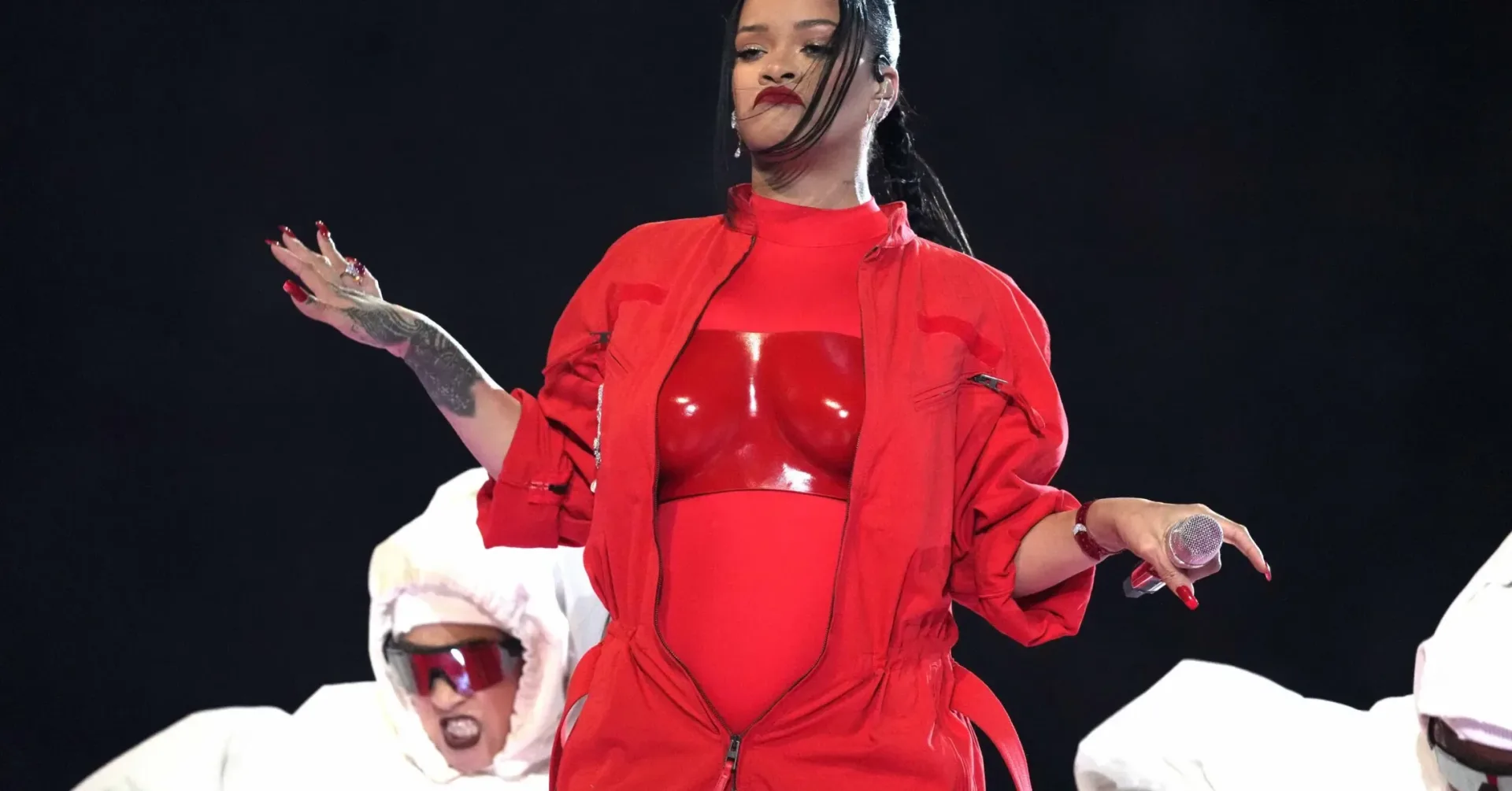
Akademiks’ argument is that a new Rihanna album may not have been the most beneficial business move compared with selling products through her wider ventures. The source material points specifically to Fenty, alongside family commitments and her Super Bowl Halftime Show appearance, as major parts of a period that should not be confused with inactivity.
That distinction matters. “No album” does not automatically mean “absent from public life” or “not working.” An artist can devote time to brand operations, product development, live events, family and other commitments without putting out a full-length record. In Rihanna’s case, the public has seen her maintain a major cultural profile even without another studio album.
The claim is not that an album would be worthless or unwanted. It is that the relative upside of an album could look different when an artist has other successful commercial priorities. That is a plausible framework for discussing how a global star allocates time, but it is not evidence of Rihanna’s personal reasoning. Akademiks’ comments do not establish what Rihanna wants to make, has recorded, owes contractually, or intends to release.
What “bottom line” means in this conversation
In ordinary business language, a bottom line is the financial result after costs and revenue are considered. Applied here, it means comparing the potential value of music activity against competing uses of an artist’s time and attention. An album can have cultural importance, build a catalog and excite a fan base, while a product business might offer a different sort of return.
That is an analytical lens, not a confirmed accounting statement about Rihanna. Fans should be wary of turning a broad observation—artists often have several revenue streams—into a definitive explanation for one person’s creative decisions. The supplied information does not disclose sales data, contract clauses, album budgets, royalty terms, recording status or any private negotiations.
Related coverage includes DJ Akademiks Offers an Unconfirmed Theory on Rihanna’s Album Gap.
Why Meek Mill’s Live Nation dispute is part of the discussion
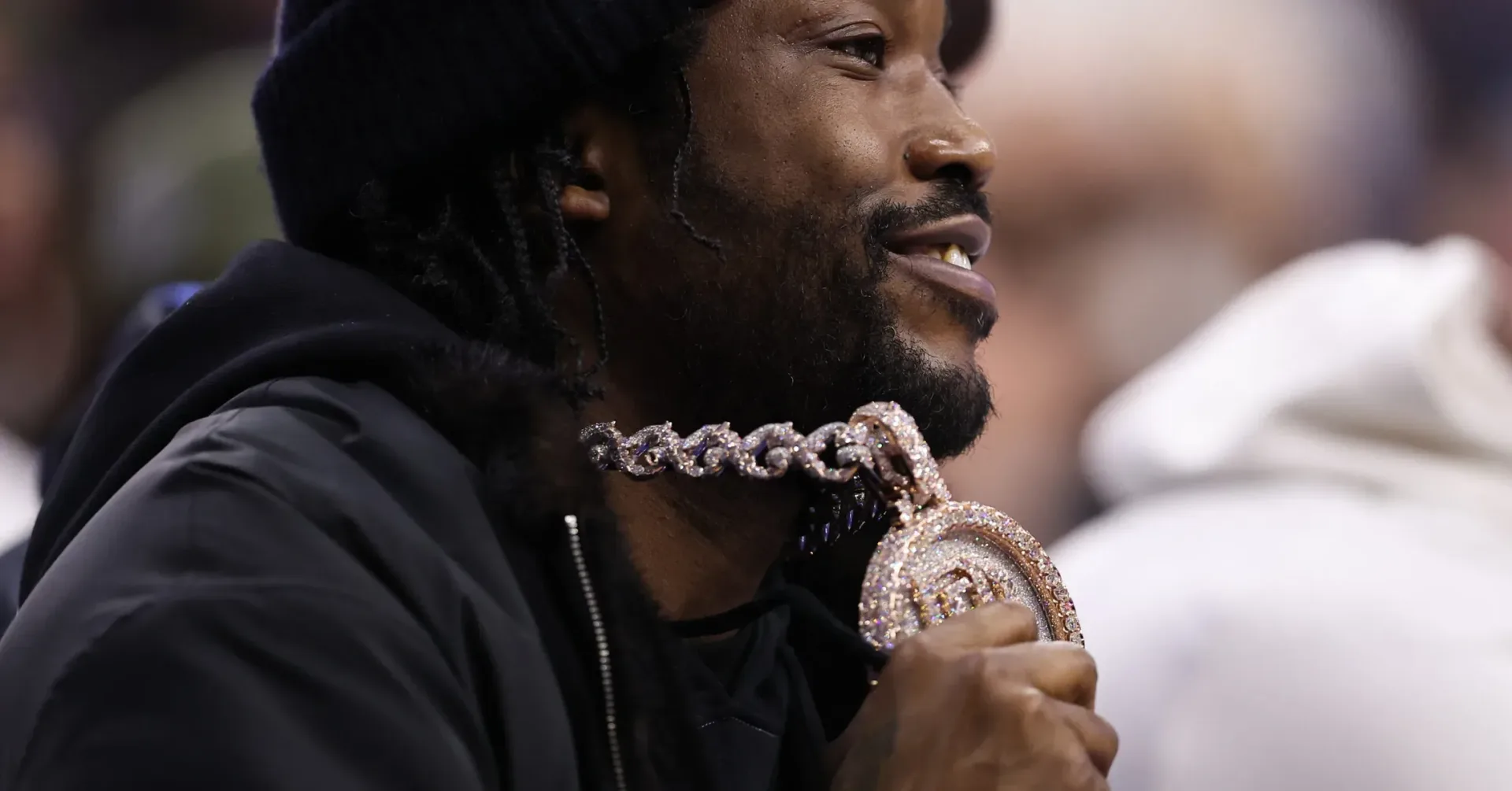
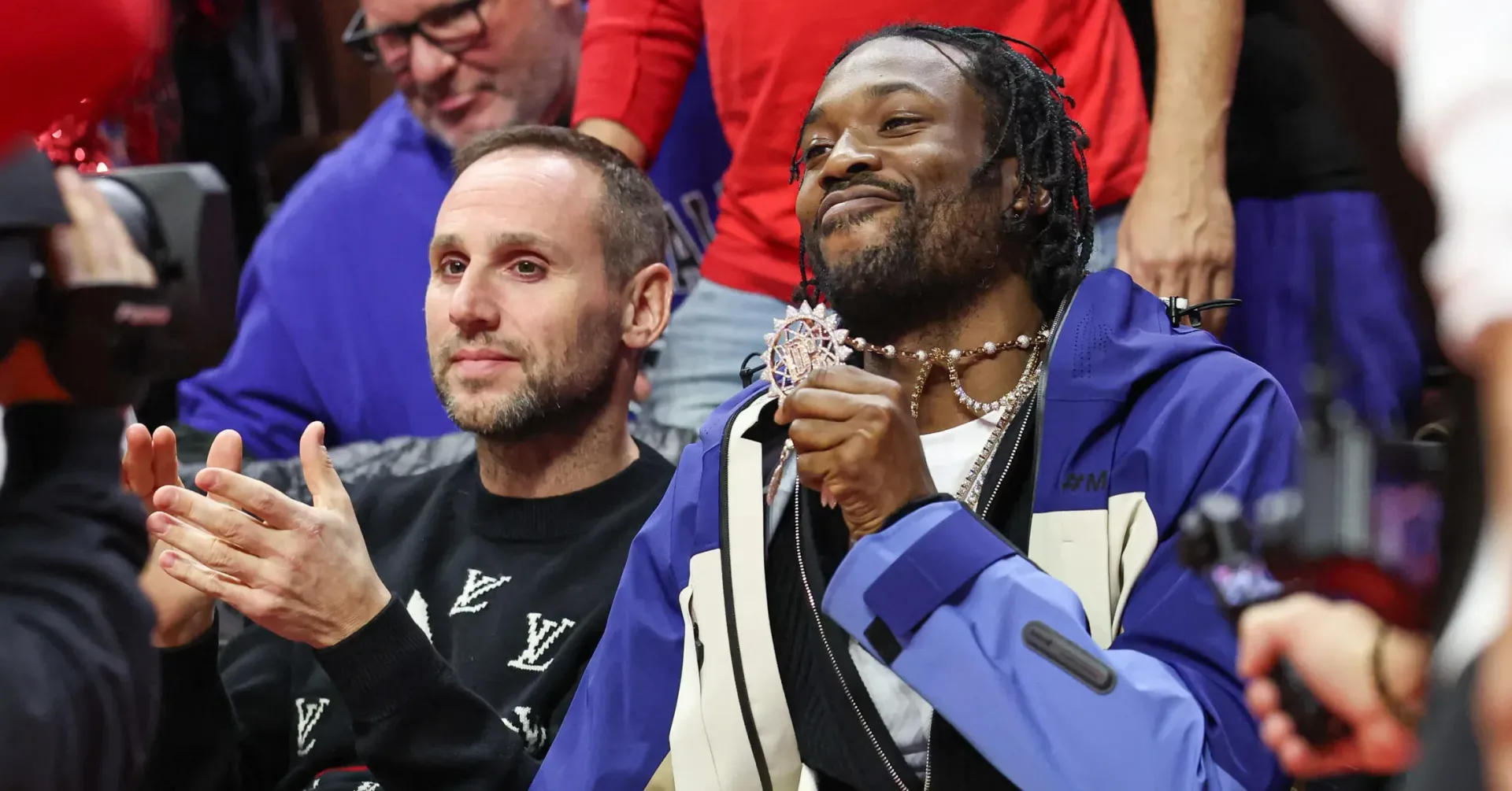
The renewed attention began in the wake of Meek Mill’s complaints about his Live Nation arrangement. Meek has said the deal is unfair, harms his ability to tour as he wishes and is extremely difficult to leave. That dispute has reopened a familiar question: when an artist signs a large entertainment deal, how much flexibility remains if the arrangement stops serving them?
Akademiks alleged that deals of this kind were not unique, suggesting other artists received similar contracts during the COVID period and are waiting to recoup. The assertion has not been independently confirmed within the supplied material, so it should not be read as an established description of any individual artist’s agreement.
Recoup is the key industry term being invoked. In a general contractual sense, recoupment refers to recovering money that was advanced or spent before a participant begins receiving further proceeds under a deal. The practical stakes can be substantial: if an agreement links payments, touring or other activity to money that must first be recovered, an artist may feel that exiting or changing course is far more complicated than simply deciding not to perform.
But the public does not have the terms of Meek Mill’s agreement in the material provided here. Nor is there evidence that Rihanna’s situation mirrors his. The conversation groups both names under the broad subject of music-business contracts; it does not prove they have comparable obligations, financial arrangements or reasons for their respective choices.
A possible deadline, but no confirmation
Akademiks also suggested that an approaching deadline could make it more appealing for Rihanna to return to music. That suggestion has naturally encouraged speculation that new material could arrive sooner than fans expect. At present, though, it is only an unverified claim.
A deadline can mean many different things in the entertainment business: an option period, a contract term, a release commitment, a business milestone or something else entirely. Without details from Rihanna, Roc Nation or relevant contractual documentation, attaching a specific meaning to the word would be guesswork. It would be equally speculative to conclude that any such deadline guarantees an album.
That uncertainty is the most useful takeaway from the latest wave of Rihanna discourse. There is a difference between an industry commentator offering a theory and an artist or representative announcing a project. The former may prompt an interesting conversation about incentives; the latter would provide the confirmation fans are actually waiting for.
Why ANTI still frames the expectations
Part of the intensity around the gap is the standing of ANTI among Rihanna listeners. The 2016 release is regarded by some fans as her strongest work, making the absence of a follow-up feel especially pronounced. A long silence after a well-loved album creates an unusual kind of expectation: listeners are not just hoping for more music, but often imagining a project that has to live up to a record they have had years to revisit and elevate.
That dynamic makes rumors difficult to manage. A vague business theory can rapidly become a presumed release clue. A reference to a deadline can be treated as a countdown. Yet neither conclusion follows from the available information. No title, track list, format, release date or official campaign has been identified.
There is also a broader pop-culture lesson in separating music fandom from certainty. Major artists increasingly occupy several industries at once, from products to performance to media visibility. Their calendars and incentives may be more complicated than the old expectation of regularly spaced albums. The discussion around Rihanna illustrates that shift, even if it does not answer the specific question of when she will release again.
Music’s place in the larger entertainment landscape remains vivid, including its frequent overlap with games and digital worlds. For a separate example of how a performer can become part of game-focused cultural conversation, see this GTA VI guide to finding The Weeknd’s mansion in Peacock Estates. Rihanna’s current story, however, is not about an in-game appearance or a confirmed rollout. It is about the persistent demand for her next record—and an unconfirmed explanation for why that demand has gone unanswered for so long.
Until Rihanna or Roc Nation addresses the matter directly, the responsible reading is straightforward: ANTI remains her latest album, Rihanna has stayed busy through Fenty, family and a Super Bowl Halftime Show, and Akademiks’ comments are unverified speculation rather than confirmation of a new release.