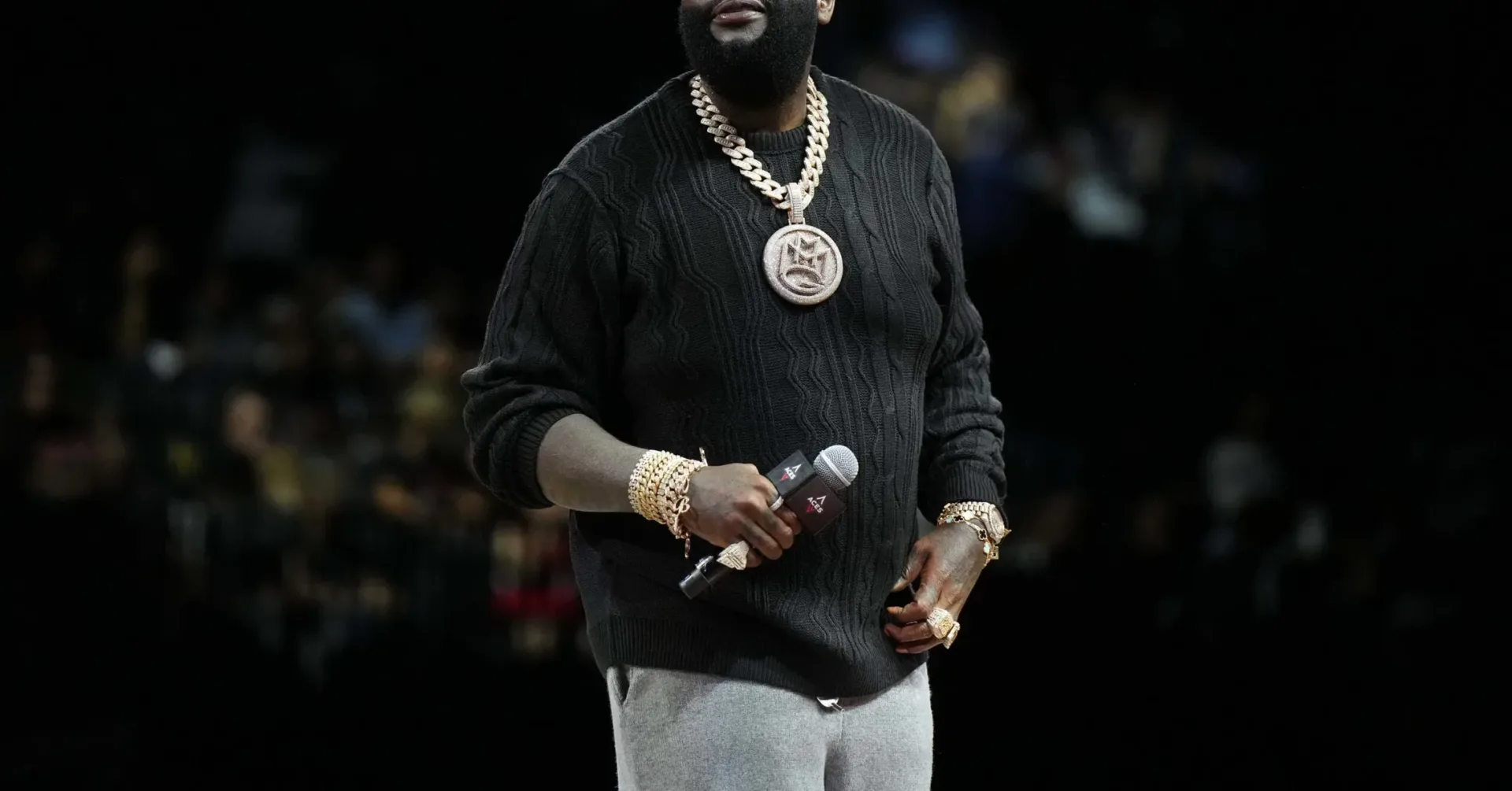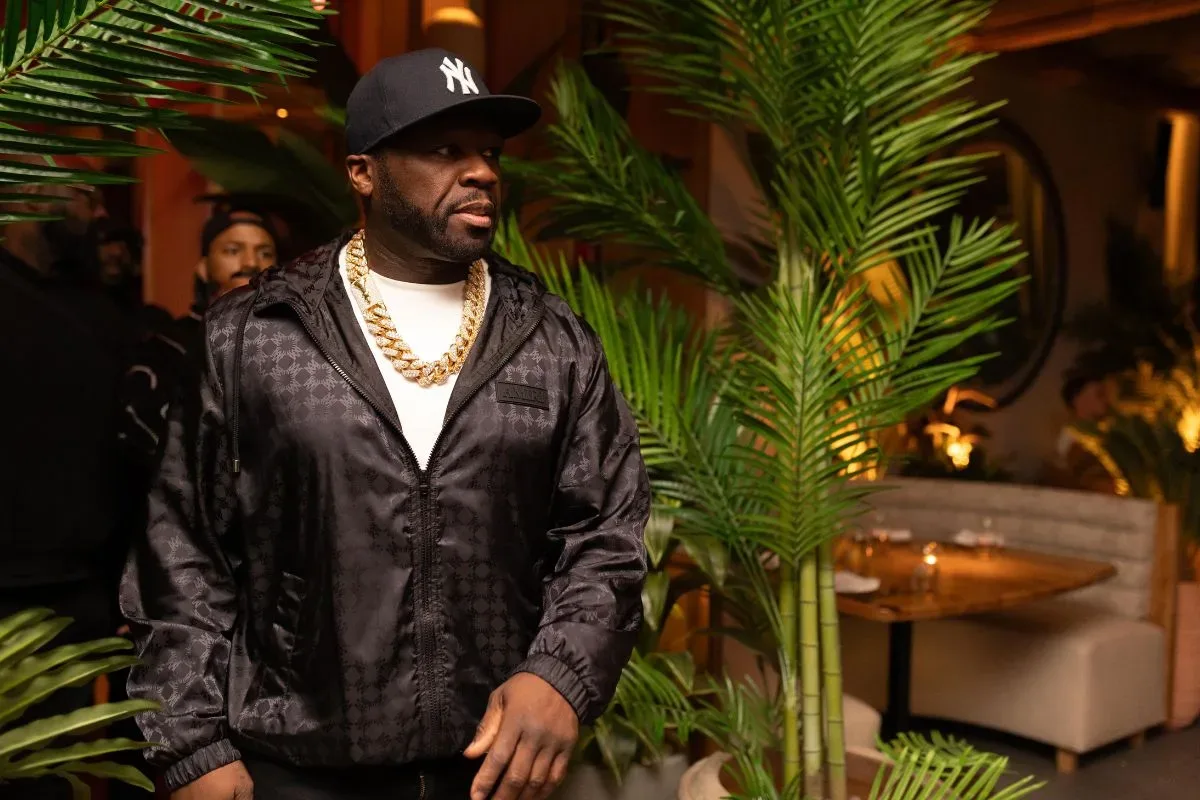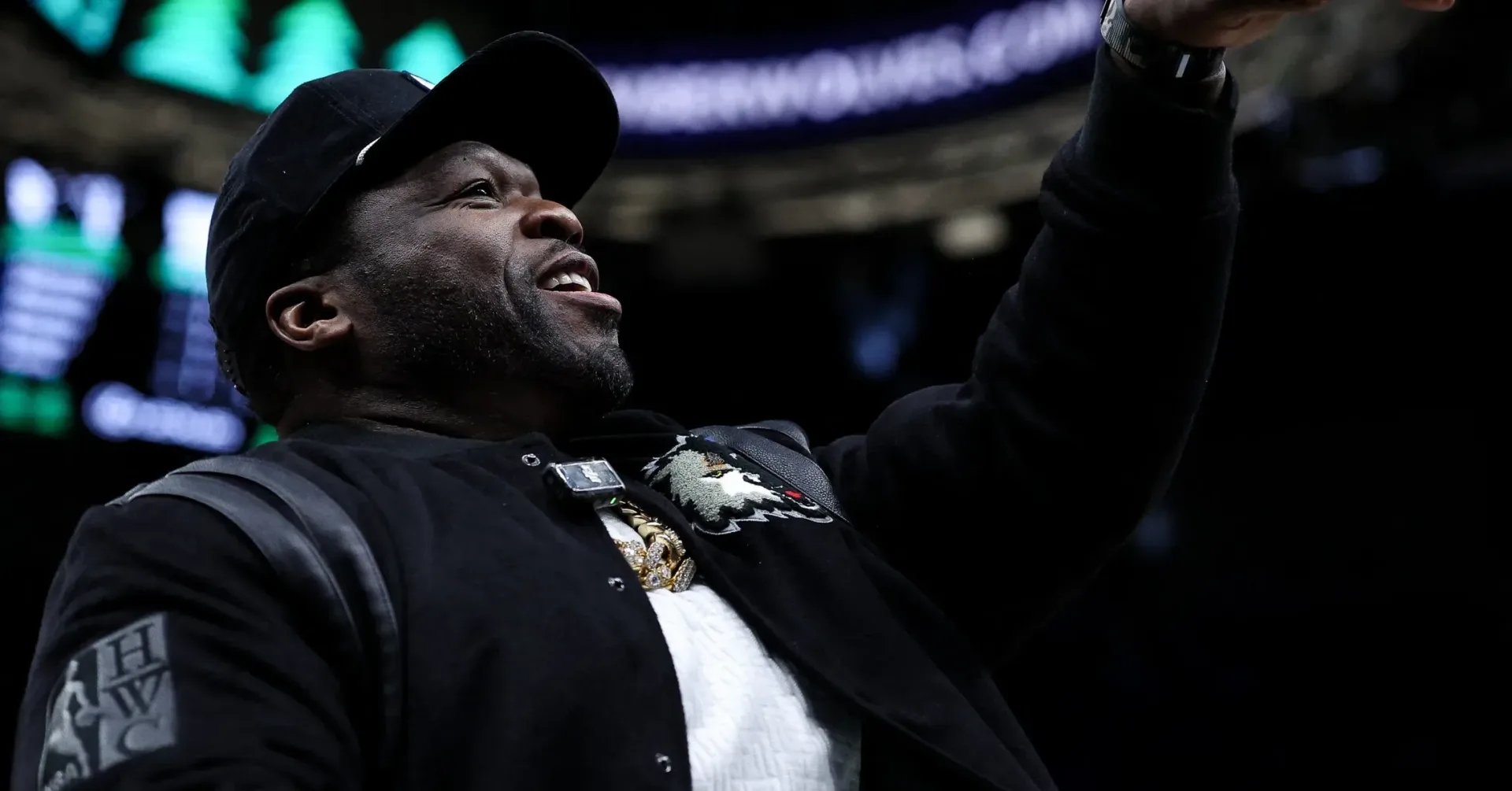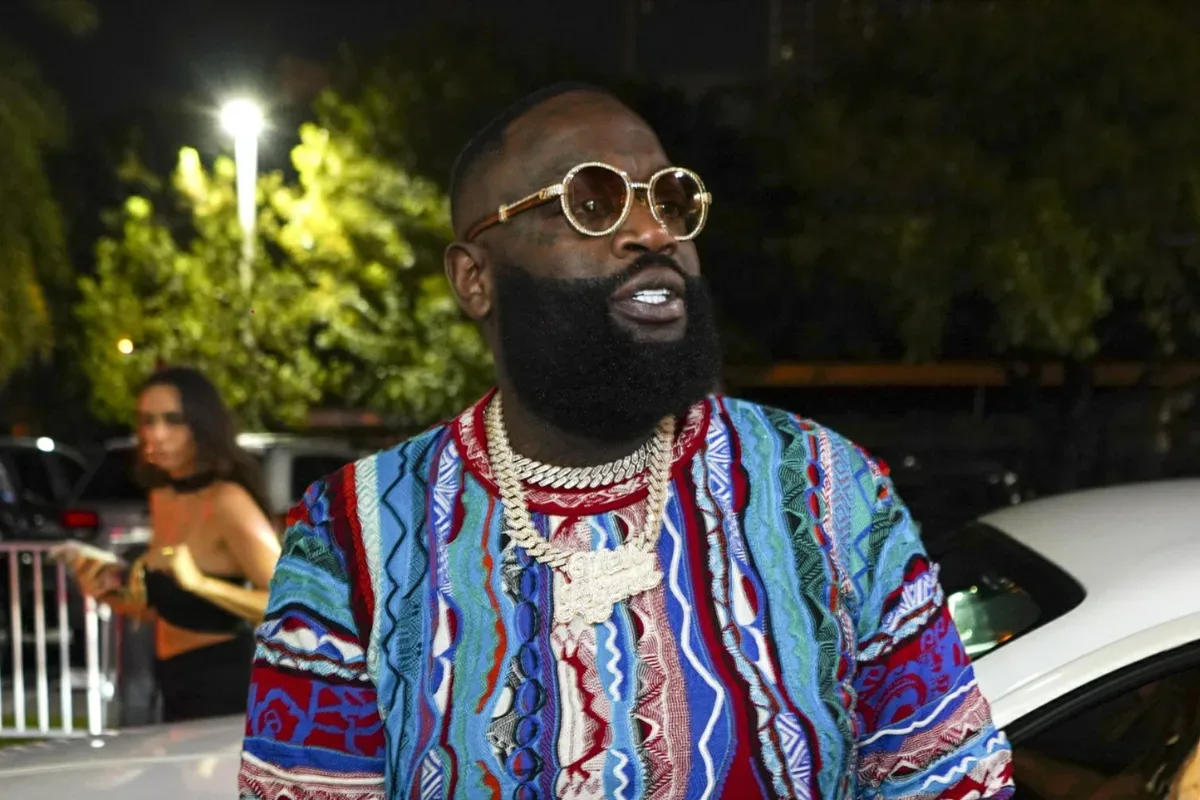
Rick Ross is pushing back on the idea that a smaller visible footprint of Wingstop restaurants means he has walked away from the brand. His answer is less about denying a connection to lemon pepper wings and more about reframing what that connection looks like: fewer franchise operations, he says, and a greater focus on stock ownership.
The discussion reignited after Eric Jackson, posting on X, said he followed 32 store numbers tied to Boss Wings companies associated with Ross’s family through state filings. Jackson said that count showed 21 open locations at the end of 2016, but only one location—Clarksdale—at the end of 2025. He further said 28 of the tracked store numbers had since appeared under other franchisees.
Those figures come with meaningful limits. The review concerned the family companies Jackson tracked, not necessarily every restaurant relationship Ross may have had. The filings, as described, did not state why stores changed hands, the terms of any transactions, or prices paid. A store number appearing under a different franchisee can establish that an operating relationship changed; it does not, by itself, establish the financial rationale behind the change.
That nuance did not stop 50 Cent from using the findings as ammunition in the pair’s longstanding rivalry. Ross responded by saying he continues to support Wingstop, while arguing that his own investment strategy has changed.
From running restaurants to holding shares
Ross described a shift “from more franchising to stocks,” presenting the two as distinctly different games. That is broadly right, though they are connected by the same brand.
A franchise is a business operated by an owner under another company’s name and system. In practical terms, the franchisee is not simply buying a recognizable sign and a menu. They must deal with staffing, local management, day-to-day operations and the controls needed to handle cash and other business responsibilities. Ross previously emphasized exactly that point: buying in is only one stage; deciding who runs the store and who can be trusted with money is part of the real work.
Stock ownership, meanwhile, means owning shares in the publicly traded parent company. It is a financial stake rather than an operating role. A shareholder does not hire a restaurant’s crew, select its manager or oversee the restaurant’s register. The trade-off is also fundamental: a shareholder has less direct control over individual stores and does not automatically receive the cash flow from a specific location.
Ross’s point was that a shareholder position can operate on a different scale from owning a collection of restaurants. That should not be read as a measure of his actual holdings, however. He did not disclose the number of Wingstop shares he owns, when he purchased them, or the price he paid. He also did not disclose terms or sale prices related to any franchise locations.
Related coverage includes Rick Ross Says His Wingstop Focus Shifted From Franchises to Stock.
So the most supportable reading is a limited one: Ross says his emphasis has changed. The available details do not establish the size, value or performance of either his present stock position or any past and current franchise interests.
A long association with the chain
The story has extra traction because Ross’s relationship with Wingstop predates its public-market era. He has said his interest began with lemon pepper wings in Miami. In August 2011, the chain said he had signed an agreement to open locations in Memphis, with his first store planned for that fall.
He took over a Miami location in 2012, which was described at the time as his second investment in the company. The store was also intended to host a meet-and-greet, illustrating why celebrity-backed restaurants can serve multiple functions at once: they are commercial ventures, but they can also become a promotional extension of a musician’s public identity.
Wingstop later began trading on Nasdaq in June 2015 under the ticker WING, with shares offered at $19. That public listing created the route Ross now says he prefers: someone can own an interest in the wider company without personally taking on the daily operation of a location.
By September 2021, Ross spoke of having reached 25 restaurants, although he said he no longer knew his exact total. He also talked about opening the Clarksdale store in his mother’s hometown and credited his mother, sister and team. That personal history gives the remaining Clarksdale location cited in the online count a context that goes beyond raw store totals.
Why store counts alone can mislead
Counting locations is useful for seeing whether a group of franchise entities appears to be expanding or contracting. It is not a complete scoreboard for a celebrity’s wealth, business sophistication or commitment to a brand.
A franchise portfolio is a set of operating businesses. Its value can depend on many details absent from a simple count, including the terms of a transfer, the condition of each location, and the obligations that went with it. The available filings do not explain why the listed store numbers moved to other franchisees, so claims about a forced retreat, a windfall sale, or any other specific narrative would go beyond the evidence.
Conversely, it is impossible to calculate the significance of Ross’s stated stock focus without knowing his share count and purchase prices. A public ticker makes ownership easier to discuss, but it does not reveal an individual investor’s position unless that investor provides it or an applicable disclosure does.
Ross’s argument is therefore more conceptual than numerical. He is saying that operating stores and owning shares should not be treated as interchangeable achievements. The distinction is straightforward: one asks an investor to manage local businesses; the other places capital behind the corporation. Neither label alone tells the full financial story.
The rivalry gets an investment explainer
50 Cent’s post compresses a complicated business picture into one punchline: a count that he characterized as Ross having only one location. Ross’s reply does not challenge the fact that one Clarksdale location appeared in the tracked set at the end of 2025. Instead, he contests the implication that the figure settles anything about his current relationship with Wingstop or the level at which he is involved.
That is a familiar shape for celebrity-business disputes. A public number travels quickly because it is easy to repeat, while the facts needed to interpret it—ownership entities, transfers, investments and undisclosed financial terms—are much less tidy. Here, the available material confirms a history of Ross-backed Wingstop restaurants, an online effort tracking particular family-linked companies, and Ross’s own statement that he has pivoted toward shares. It does not provide a balance sheet.
Ross has been clear on one branding point at least: he still calls himself a “lemon pepper stepper,” says he loves Wingstop, and continues to encourage fans to order from the chain. The joke battle may be about locations, but his response is built around a different claim: the restaurant connection remains, even if the form of participation has changed.
For a broader look at the earlier version of Ross’s comments on the shift, see Rick Ross’s explanation of moving attention from Wingstop franchises to stocks.